
What is Earnest Money in Real Estate? Your Guide
what is earnest money in real estate

What is Earnest Money in Real Estate? Your Guide

Detailed view of hands exchanging keys in a professional office environment, symbolizing real estate or business transactions.Photo: Pavel Danilyuk / Pexels

What is Earnest Money in Real Estate? Your Essential Guide

Unravel the critical role of earnest money in US real estate transactions and secure your home purchase.

Demystify Earnest Money

Key Takeaways

  • ✓ Earnest money is a 'good faith' deposit made by a buyer to a seller.
  • ✓ It demonstrates the buyer's serious intent to purchase the property.
  • ✓ Typically held in an escrow account until closing.
  • ✓ Usually 1-3% of the purchase price, but can vary by market and negotiation.

How It Works

1
Offer Acceptance & Deposit

Once a seller accepts a buyer's offer, the earnest money deposit is typically due within a few days. This deposit signals the buyer's commitment to the contract.

2
Escrow Holding

The funds are not given directly to the seller but are held by a neutral third party, usually an escrow agent or title company. This ensures the money is secure until the transaction's outcome is clear.

3
Contingency Period

During this phase, the buyer conducts inspections, appraisals, and secures financing. If the deal falls through due to a valid contingency, the earnest money is typically returned to the buyer.

4
Closing or Forfeiture

If the deal closes successfully, the earnest money is applied towards the down payment or closing costs. If the buyer defaults on the contract without a valid contingency, the seller may be entitled to keep the deposit.

Understanding the Earnest Money Deposit in Detail
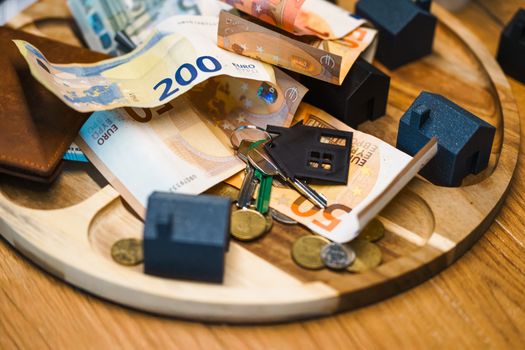
Euro currency, keys, and miniature houses symbolize real estate and finance concepts.Photo: Jakub Zerdzicki / Pexels
When you embark on the journey of buying a home, you'll encounter numerous financial terms and procedures. Among the most crucial of these is the earnest money deposit. Often misunderstood, earnest money isn't just another fee; it's a fundamental component of a real estate transaction that serves as a demonstration of a buyer's serious intent to purchase a property. Imagine you've found your dream home, negotiated a price, and the seller has accepted your offer. To solidify this agreement and assure the seller you're not just 'window shopping,' you'll be asked to provide an earnest money deposit. This deposit essentially takes the property off the market for other potential buyers, allowing you the time to complete your due diligence, such as inspections and appraisals, without the seller worrying you'll back out without consequence. In essence, earnest money acts as a form of security for the seller. It says, 'I am serious about buying this house, and I'm putting my money where my mouth is.' Without it, a buyer could tie up a property for weeks or months, only to walk away at the last minute, leaving the seller to start the entire process over again. This would result in significant financial and time losses for the seller. The amount of earnest money can vary significantly based on local market conditions, the purchase price of the home, and negotiation. While a common range is 1% to 3% of the home's purchase price, in highly competitive markets, buyers might offer more to make their offer stand out. Conversely, in a buyer's market, a lower percentage might be acceptable. It's important to remember that this isn't a separate cost; if the transaction proceeds to closing, the earnest money is typically credited towards your down payment or closing costs, effectively becoming part of your equity in the home. However, the exact application can be negotiated and should be clearly outlined in your purchase agreement. Understanding this initial financial commitment is paramount for any prospective homebuyer, as it sets the stage for the entire purchase process. For more insights into the broader home buying journey, explore our guide on the home buying process.

How Earnest Money Protects Both Buyers and Sellers

Close-up of a person signing a divorce decree on a desk.Photo: www.kaboompics.com / Pexels
The concept of earnest money is designed to provide a layer of protection and commitment for both parties involved in a real estate transaction. For the seller, the primary benefit is assurance. When a buyer puts down earnest money, it reduces the likelihood of them backing out of the deal for trivial reasons. If the buyer defaults on the contract without a valid contractual reason (i.e., a contingency), the seller generally has the right to keep the earnest money as compensation for the time the property was off the market, the lost opportunities with other potential buyers, and any expenses incurred. This incentivizes buyers to proceed responsibly and thoughtfully. Without this safeguard, sellers would face greater risk and uncertainty when accepting an offer, potentially leading to a less efficient and more volatile housing market. Conversely, earnest money also provides significant protection for the buyer, albeit in a different way. While it's a financial commitment, the purchase agreement is typically structured with contingencies that allow the buyer to recover their earnest money if certain conditions aren't met. Common contingencies include a satisfactory home inspection, the property appraising for at least the purchase price, and the buyer securing financing. For example, if the home inspection reveals major structural issues that the seller refuses to fix, and the contract includes an inspection contingency, the buyer can typically walk away from the deal and receive their earnest money back. Similarly, if the appraisal comes in significantly lower than the agreed-upon price, and the buyer cannot or will not make up the difference, an appraisal contingency would protect their deposit. These contingencies are critical safeguards, allowing buyers to perform their due diligence without the fear of losing their deposit if legitimate issues arise. It transforms the earnest money from a simple payment into a dynamic element of the contract, balancing risk and commitment for both sides. It's crucial for buyers to understand these contingencies thoroughly and ensure they are clearly outlined in their offer to maximize their protection. A well-drafted purchase agreement is the cornerstone of this mutual protection.

Navigating Earnest Money: When Can You Get It Back?
Magnifying glass focusing on terms and conditions document on wooden surface.Photo: RDNE Stock project / Pexels
One of the most common questions buyers have about earnest money is under what circumstances they can get it back. The answer lies squarely within the contingencies written into your purchase agreement. These contractual clauses are your safety net. The most prevalent contingencies include the home inspection contingency, the appraisal contingency, and the financing contingency. A home inspection contingency allows you to have a professional inspector evaluate the property for defects. If significant issues are found and the seller is unwilling to address them, or if the report is simply unsatisfactory to you, you can typically terminate the contract and receive your earnest money back, provided you do so within the specified timeframe. This protects you from buying a money pit. An appraisal contingency ensures that the property's value, as determined by a professional appraiser, is at least equal to the purchase price. Lenders typically won't finance a loan for more than the appraised value, so if the appraisal comes in low, this contingency allows you to renegotiate the price or walk away with your deposit. The financing contingency is arguably one of the most critical. It stipulates that your ability to purchase the home is dependent on you securing the necessary mortgage loan. If, despite your best efforts, your loan application is denied, this contingency allows you to exit the contract and reclaim your earnest money. Without this, you could be on the hook for the deposit even if you can't get the funds to buy the house. Beyond these standard protections, other contingencies might be included, such as a contingency for the sale of your current home. It is absolutely vital that these contingencies are clearly defined in the purchase agreement, including specific deadlines for their fulfillment. Missing a deadline for an inspection or loan approval can jeopardize your ability to reclaim your earnest money, even if the underlying issue would have otherwise allowed you to do so. Your real estate agent plays a crucial role in drafting these clauses effectively and ensuring you understand your rights and obligations. If a buyer simply gets cold feet or decides they no longer want the house without a valid contingency to back their decision, they will almost certainly forfeit their earnest money to the seller. This is the seller's protection coming into play. Therefore, meticulous attention to the contract's terms and deadlines is paramount for safeguarding your investment. For more details on protecting your investment, consider reading our guide on understanding real estate contracts.

Common Mistakes and Best Practices with Earnest Money

Close-up of a diverse business handshake over documents, symbolizing agreement and collaboration.Photo: Ron Lach / Pexels
Navigating the earnest money process can be straightforward if you're aware of common pitfalls and adhere to best practices. One of the most significant mistakes buyers make is failing to understand the contingencies in their contract. Many assume they can simply change their mind and get their money back, but as discussed, this is rarely the case without a valid, unmet contingency. Another frequent error is missing deadlines. Contingency periods are strict, and failing to perform an inspection, secure financing, or review disclosures by the specified date can nullify your ability to use that contingency as an exit strategy, potentially leading to forfeiture of your deposit. Here are some best practices to ensure a smooth earnest money experience: * **Work with a Reputable Agent:** A knowledgeable real estate agent is your best asset. They will help you understand the contract, draft appropriate contingencies, and guide you through deadlines. * **Read the Purchase Agreement Thoroughly:** Don't just skim. Understand every clause, especially those related to earnest money forfeiture and return conditions. * **Ensure Timely Deposit:** Deposit the earnest money promptly after offer acceptance, as delays can sometimes put you in breach of contract or make your offer less appealing. * **Use a Neutral Escrow Holder:** Always ensure the earnest money is held by a neutral third party like a title company or an escrow agent, not directly by the seller or the seller's agent. This protects your funds. * **Keep Records:** Maintain clear records of all communications, checks, and agreements related to your earnest money deposit. * **Understand Local Norms:** Earnest money percentages and typical contingencies can vary by region. Your agent can provide insights into local practices. * **Avoid Waiving Contingencies Recklessly:** In a competitive market, buyers might be tempted to waive contingencies to make their offer more attractive. While this can be a strategy, it significantly increases your risk of losing your earnest money if something goes wrong. Only do so if you fully understand and accept the potential consequences. By following these guidelines, you can navigate the earnest money aspect of your home purchase with confidence, protecting your financial commitment while demonstrating your serious intent to the seller.

Comparison

FeatureEarnest MoneyDown PaymentClosing CostsOption Fee
PurposeGood faith depositInitial equity shareTransaction expensesRight to terminate
When PaidAfter offer acceptanceAt closingAt closingUpon offer acceptance
Refundable?Conditional (with contingencies)No, applied to purchaseNo, for servicesTypically non-refundable
Held ByEscrow/Title CompanyLender/SellerVarious partiesSeller
Applied TowardsPurchase price/closingPurchase priceServices/feesPurchase price (sometimes)

What Our Readers Say

5 ★★★★★

"Before reading this, I was so confused about what is earnest money in real estate. The clear explanation of contingencies saved me from making a huge mistake on my first home purchase. Truly invaluable information!"

5 ★★★★★

"The detailed breakdown of how earnest money protects both buyers and sellers made perfect sense. It helped me feel more secure about my deposit, knowing it wasn't just a random fee."

5 ★★★★★

"I followed the advice on working with a reputable agent and ensuring all contingencies were clear. As a result, when our financing fell through, we got our full earnest money back without any hassle. A definite win!"

4 ★★★★☆

"Good explanation, though I wish there was a bit more on how to negotiate the earnest money amount in a seller's market. Still, the contingency advice was spot on and very helpful."

5 ★★★★★

"As a first-time home buyer, the jargon was overwhelming. This article broke down what is earnest money in real estate into digestible, actionable steps. Highly recommend for anyone entering the market."

Frequently Asked Questions

What is the typical amount for earnest money in real estate?
The typical earnest money deposit ranges from 1% to 3% of the home's purchase price in the US. However, this can vary significantly based on the competitiveness of the local market, the specific property, and the seller's expectations. In highly desirable areas, buyers may offer more to strengthen their offer.
Is earnest money always refundable?
No, earnest money is not always refundable. Its refundability is strictly tied to the contingencies outlined in your purchase agreement. If the deal falls through due to a valid, unmet contingency (e.g., a failed inspection or inability to secure financing), the buyer typically gets their money back. However, if the buyer backs out without a valid contractual reason, they usually forfeit the deposit to the seller.
How do I pay earnest money, and where does it go?
Earnest money is typically paid via a personal check, cashier's check, or wire transfer. It is crucial that the funds are deposited into an escrow account held by a neutral third party, such as a title company, escrow agent, or real estate attorney. This ensures the money is held securely and disbursed according to the terms of the contract.
Does earnest money count towards the down payment or closing costs?
Yes, if the real estate transaction successfully closes, the earnest money deposit is typically credited towards the buyer's down payment or closing costs. It is not an additional fee but rather an upfront portion of the total funds you will need to bring to the closing table.
What is the difference between earnest money and a down payment?
Earnest money is a 'good faith' deposit made at the beginning of the contract period to show serious intent, held in escrow, and potentially refundable. A down payment is the larger portion of the home's purchase price paid at closing, representing your initial equity, and is not refundable as it's part of the purchase itself. Earnest money often becomes part of the down payment at closing.
Who should handle my earnest money deposit?
Your earnest money deposit should always be handled by a neutral third party, such as a licensed escrow agent, title company, or a real estate attorney. This ensures the funds are held impartially and disbursed only when contractual conditions are met, protecting both the buyer and the seller from potential disputes.
What happens if a seller backs out after receiving earnest money?
If a seller backs out of an accepted offer without a valid reason outlined in the contract, they are typically in breach of contract. In such cases, the buyer would receive their earnest money back, and may also have the right to sue the seller for specific performance (forcing the sale) or for damages incurred due to the seller's breach, depending on state laws and contract terms.
How has the earnest money process evolved with digital transactions?
With the rise of digital transactions, earnest money can now often be transferred via secure wire transfers, streamlining the process compared to traditional paper checks. Digital platforms also facilitate clearer record-keeping and communication among all parties, making the tracking and management of the escrow account more transparent and efficient, though the fundamental legal principles remain the same.

Understanding what is earnest money in real estate is crucial for a confident home buying experience. By grasping its purpose, protections, and pitfalls, you can navigate your transaction with greater peace of mind. Don't let this vital step intimidate you; arm yourself with knowledge and the right professionals.

Topics: what is earnest money in real estateearnest money depositreal estate deposithome buying processcontingencies
Leo List
Brampton weed
Adultwork