✓ Earnest money is a 'good faith' deposit made by a buyer to a seller, showing serious intent to purchase.
✓ It's typically held in an escrow account by a neutral third party, like a title company or attorney.
✓ The amount usually ranges from 1% to 3% of the home's purchase price, but can vary.
✓ It becomes part of your down payment or closing costs if the sale closes successfully.
How It Works
1
Offer Acceptance & Deposit
Once your offer is accepted, you'll typically have a short window (1-3 days) to deposit the earnest money. This deposit solidifies your commitment to the purchase agreement.
2
Escrow Holding
The funds are then placed into a secure escrow account, managed by a neutral third party. This ensures the money is protected until the closing or until specific conditions are met.
3
Contingency Period
During this phase, buyers conduct inspections, secure financing, and review disclosures. If valid contingencies aren't met, the buyer may be able to withdraw and reclaim their earnest money.
4
Closing or Forfeiture
At closing, the earnest money is applied towards your down payment or closing costs. If the buyer defaults on the contract without valid contingencies, they risk forfeiting the deposit to the seller.
Understanding Earnest Money: A Foundation for Your Offer
Photo: Kindel Media / Pexels
When you embark on the exciting, yet often complex, journey of buying a home, you'll encounter several financial milestones. Among the earliest and most significant is the earnest money deposit. Far more than just a simple payment, earnest money serves as a tangible demonstration of a buyer's serious intent and commitment to purchasing a property. Think of it as a good-faith gesture, a financial handshake that tells the seller, 'I'm not just browsing; I'm serious about buying your home.' Without this crucial element, a seller might view an offer as less credible, especially in competitive markets where multiple buyers are vying for the same property.
Historically, earnest money has been a cornerstone of real estate transactions, evolving from simple verbal agreements to formalized financial commitments. Its primary purpose remains unchanged: to provide assurance to the seller that the buyer will follow through on their contractual obligations. This assurance is vital because when a seller accepts an offer, they typically take their home off the market. This means they forgo other potential buyers and their associated offers, investing time and resources into the current transaction. If the buyer then backs out without a valid reason, the seller incurs losses, both in terms of potential sales and the time the property was off the market. Earnest money acts as a form of compensation for the seller in such scenarios, mitigating their risk.
The amount of earnest money isn't fixed; it varies significantly based on local market conditions, the purchase price of the home, and even the seller's preferences. In many regions across the US, it commonly ranges from 1% to 3% of the home's sale price. However, in highly competitive markets, buyers might offer a higher percentage to make their offer stand out. Conversely, in a buyer's market, a lower percentage might be acceptable. It's important to note that earnest money is not the same as a down payment, though it eventually contributes to it. The down payment is the larger sum you pay upfront for the home, while earnest money is an initial, smaller deposit made at the beginning of the transaction process. Understanding this distinction is key to managing your finances during home buying. Your real estate agent will be an invaluable resource in determining an appropriate earnest money amount for your specific situation, helping you craft a competitive yet responsible offer. Learn more about navigating the real estate market.
Once the earnest money is deposited, it's not immediately accessible to either the buyer or the seller. Instead, it's held in a neutral third-party escrow account. This account is typically managed by a title company, an escrow agent, or a real estate attorney. The escrow agent's role is to act as an impartial custodian of the funds, ensuring they are disbursed correctly according to the terms of the purchase agreement. This safeguard protects both parties: the buyer's money is secure, and the seller knows the funds are available. The escrow process is a critical layer of protection, preventing either party from unilaterally accessing the funds before the conditions of the sale are met. This institutional arrangement ensures fairness and adherence to the agreed-upon contract, providing peace of mind throughout the transaction. Without a neutral third party, disputes over the earnest money could quickly escalate, complicating an already intricate process. The escrow holder ensures transparency and accountability, releasing the funds only when all contractual obligations are satisfied or specific conditions for release are met. This foundational understanding of earnest money sets the stage for a smoother home-buying experience.
The Escrow Process: Safeguarding Your Earnest Money Deposit
Photo: MART PRODUCTION / Pexels
The journey of your earnest money deposit doesn't end once it leaves your bank account; it begins its crucial role within the escrow process. As mentioned, an escrow account serves as a neutral holding ground for funds and documents related to a real estate transaction. This impartiality is paramount, as it prevents either the buyer or the seller from prematurely accessing or misusing the earnest money. The escrow agent, who can be a title company, an escrow officer, or a real estate attorney, is legally bound to follow the instructions outlined in the purchase agreement. Their primary responsibility is to ensure that all conditions of the contract are met before any funds are disbursed or property titles are transferred.
Upon acceptance of your offer, you'll typically have a specified timeframe, often between one to three business days, to deliver the earnest money to the escrow agent. This delivery can take various forms, such as a personal check, cashier's check, or a wire transfer. It's crucial to confirm the exact method and recipient with your real estate agent or the escrow company to avoid any delays or complications. Once received, the funds are deposited into a separate, non-interest-bearing escrow account. This separation from the agent's operating funds is a legal requirement designed to protect your money from commingling and potential financial mismanagement. The escrow agent will then provide both the buyer and seller with confirmation that the funds have been received and are being held securely.
The escrow period is a dynamic phase, often lasting 30 to 60 days, during which various contingencies are addressed. These contingencies are conditions that must be satisfied for the sale to proceed. Common contingencies include a satisfactory home inspection, the buyer securing financing, a clear title report, and a successful appraisal. Each contingency has a defined timeframe within the purchase agreement. For instance, if the home inspection reveals significant issues that the seller is unwilling to address, and the contract includes an inspection contingency, the buyer typically has the right to terminate the contract and receive their earnest money back. Similarly, if the buyer is unable to secure a mortgage commitment within the agreed-upon period despite good faith efforts, a financing contingency would allow them to withdraw and recover their deposit.
It's vital for buyers to understand the specific contingencies outlined in their purchase agreement and to adhere to the timelines associated with them. Missing a deadline or failing to properly invoke a contingency can jeopardize the return of your earnest money. For example, if you decide to back out of the deal simply because you found a house you like better, and there's no valid contingency to support your withdrawal, you would likely forfeit your earnest money to the seller. The escrow agent's role is to objectively assess whether the conditions for release or forfeiture have been met, based strictly on the terms of the signed contract. This meticulous process ensures that the earnest money serves its intended purpose: to protect both parties and facilitate a fair transaction. At the successful conclusion of the escrow period, typically at closing, the earnest money is then credited towards the buyer's down payment or closing costs, effectively becoming part of their equity in the new home. This seamless transition at closing underscores the integral role earnest money plays in the overall financial structure of a home purchase.
When Can You Get Your Earnest Money Back? Navigating Contingencies
Photo: Pixabay / Pexels
One of the most pressing questions for any homebuyer concerning their earnest money deposit is, 'Under what circumstances can I get it back?' The answer lies squarely within the carefully crafted language of your purchase agreement, specifically in the contingencies clause. Contingencies are protective clauses that allow a buyer to back out of a contract without forfeiting their earnest money if certain conditions are not met. Understanding these clauses is paramount to safeguarding your investment and navigating the home-buying process with confidence. Without valid contingencies, withdrawing from a contract typically means losing your deposit.
Perhaps the most common contingency is the **inspection contingency**. This clause grants the buyer the right to have the home professionally inspected within a specified timeframe. If the inspection uncovers significant defects or issues that were not previously disclosed, the buyer can typically negotiate with the seller for repairs, a price reduction, or, if an agreement cannot be reached, terminate the contract and reclaim their earnest money. It's crucial that any termination based on inspection findings adheres strictly to the terms outlined in the contract, including proper notification to the seller.
Another critical safeguard is the **financing contingency**. This protects the buyer in case they are unable to secure a mortgage loan for the property. If, despite good faith efforts, the buyer's loan application is denied or the lender cannot approve the loan amount needed, this contingency allows them to withdraw from the purchase agreement and receive their earnest money back. This is particularly important for buyers who are pre-approved but not yet fully approved, as unforeseen circumstances can sometimes arise during the underwriting process. Without this contingency, a buyer who cannot secure financing would be in breach of contract and risk losing their deposit.
An **appraisal contingency** is also common, particularly for buyers relying on a mortgage. Lenders will only finance a home up to its appraised value. If the home appraises for less than the agreed-upon purchase price, this contingency allows the buyer to renegotiate the price with the seller or, if no agreement is reached, to terminate the contract and recover their earnest money. This prevents a buyer from being stuck paying more for a home than it's worth, or having to come up with a larger down payment to cover the appraisal gap. Explore more about home appraisals and their impact.
Other contingencies might include a **title contingency**, ensuring the property has a clear title free of liens or encumbrances, or a **home sale contingency**, which allows a buyer to make their purchase contingent on the sale of their current home. Each contingency has a specific timeframe within which it must be satisfied or waived. It is the buyer's responsibility to act diligently within these timelines. Failing to remove or invoke a contingency by its deadline can result in the contingency being automatically waived, potentially exposing the buyer to forfeiture of their earnest money if they later decide to back out. Working closely with an experienced real estate agent and legal counsel is essential to understand and properly utilize these protective clauses, ensuring your earnest money is returned if the conditions of the sale are not met through no fault of your own. Diligence and clear communication are key to navigating these contractual nuances successfully.
Common Mistakes and Best Practices for Earnest Money
Photo: Kampus Production / Pexels
Navigating the earnest money deposit process can be straightforward if you're well-informed, but several common pitfalls can lead to unnecessary stress or even the loss of your funds. Being aware of these mistakes and adopting best practices will significantly improve your home-buying experience.
**Common Mistakes to Avoid:**
* **Not understanding contingencies:** This is perhaps the biggest mistake. Buyers often overlook the specific terms and deadlines of their contingencies. If you miss a deadline to conduct an inspection, secure financing, or review disclosures, you could lose your right to terminate the contract and reclaim your earnest money, even if valid issues arise.
* **Rushing the deposit:** While speed is often encouraged in competitive markets, ensure the funds are sent to the correct escrow agent and account. Verify wire transfer instructions directly with the title company or attorney via a confirmed phone number, not just email, to avoid wire fraud.
* **Offering too much or too little:** An earnest money deposit that's too low might make your offer less attractive to a seller. Conversely, offering an excessively high amount without strong contingencies could put you at greater financial risk if the deal falls through.
* **Not getting everything in writing:** Any agreements, amendments, or extensions related to the earnest money or contingencies must be in writing and signed by all parties. Verbal agreements are rarely enforceable in real estate.
* **Assuming the earnest money is always refundable:** While contingencies offer protection, if you simply change your mind or breach the contract without a valid contingency, the seller has a strong claim to your deposit.
**Best Practices for Buyers:**
* **Work with an experienced real estate agent:** A knowledgeable agent will guide you through the process, help you understand the contract, and ensure you meet all deadlines. They can also advise on an appropriate earnest money amount for your market.
* **Read your purchase agreement thoroughly:** Understand every clause, especially those pertaining to earnest money, contingencies, and default. Don't hesitate to ask your agent or attorney for clarification.
* **Act promptly on contingencies:** Schedule inspections immediately, apply for financing without delay, and review all documents within the specified timeframes. Proactive engagement protects your interests.
* **Communicate clearly and in writing:** Ensure all communications regarding the contract, especially any requests for repairs or extensions, are documented and sent to all relevant parties.
* **Understand forfeiture conditions:** Be clear on the circumstances under which you might lose your earnest money. This awareness empowers you to make informed decisions throughout the transaction.
* **Verify escrow instructions:** Before wiring any funds, independently verify the escrow account details with the title company or attorney using a phone number obtained from a reliable source (e.g., their official website, not an email signature). This is a critical step to prevent fraud.
By following these best practices, buyers can confidently navigate the earnest money deposit process, protect their financial interests, and move closer to achieving their homeownership dreams.
Comparison
Feature
Earnest Money Deposit
Down Payment
Closing Costs
Option Fee
Purpose
Shows good faith
Initial equity in home
Fees for transaction
Right to terminate
When Paid
After offer acceptance
At closing
At closing
After offer acceptance
Amount (typical)
1-3% of purchase price
3.5-20%+ of purchase price
2-5% of loan amount
Small, non-refundable fee
Refundable?
Yes, with valid contingencies
N/A (part of purchase)
N/A (fees for services)
No, typically
Applied to Purchase
Yes, at closing
Yes, at closing
No, separate fees
No
Held By
Escrow agent
Lender/Seller
Various parties
Seller
What Readers Say
★★★★★
"Understanding what is earnest money deposit was a huge relief. Our agent explained how it worked with our contingencies, and we felt much more secure knowing our funds were protected in escrow."
Sarah J. · Austin, TX
★★★★★
"This article clarified so much about earnest money. We were able to negotiate a fair amount and understood exactly when we could get it back if our financing fell through, which thankfully it didn't!"
Mark D. · Seattle, WA
★★★★★
"Thanks to a clear explanation of the earnest money process, we successfully navigated a tricky inspection period. We got our deposit back when the seller wouldn't fix major issues, saving us from a bad deal."
Emily R. · Denver, CO
★★★★★
"The information on earnest money was very helpful, especially the section on contingencies. I wish I had known about the wire fraud warnings earlier, but thankfully my agent guided me through it safely."
David L. · Miami, FL
★★★★★
"As a first-time homebuyer, the concept of earnest money was confusing. This guide broke it down perfectly, making me feel much more prepared and confident in making an offer on my new home."
Jessica P. · Chicago, IL
Frequently Asked Questions
What is the typical amount for an earnest money deposit?
The typical earnest money deposit usually ranges from 1% to 3% of the home's purchase price. However, this can vary significantly based on local market conditions, the competitiveness of the offer, and the seller's expectations. In a hot market, a higher percentage might be offered to make an offer more attractive.
Is earnest money refundable if I change my mind about buying the house?
Earnest money is generally refundable only if you terminate the purchase agreement due to a valid contingency outlined in your contract, such as a failed inspection, inability to secure financing, or a low appraisal. If you simply change your mind without a contractual reason, you risk forfeiting the deposit to the seller.
How do I pay the earnest money deposit, and who holds it?
Earnest money is typically paid via a personal check, cashier's check, or wire transfer. It is then held in a neutral third-party escrow account, managed by an escrow agent, title company, or real estate attorney. This ensures the funds are protected until closing or until specific contractual conditions for release are met.
Does earnest money count towards my down payment or closing costs?
Yes, if the home sale successfully closes, the earnest money deposit is credited towards your total funds due at closing. This means it will be applied directly to your down payment or other closing costs, effectively reducing the amount you need to bring to the closing table.
What's the difference between earnest money and a down payment?
Earnest money is a smaller, initial deposit made after your offer is accepted, demonstrating your serious intent to buy. The down payment is a larger sum, typically a percentage of the home's price, paid at closing as part of your equity. While earnest money contributes to the down payment at closing, they are distinct payments made at different stages of the transaction.
Who should use earnest money deposit?
Every buyer making an offer on a home in the US real estate market will typically be required to make an earnest money deposit. It's a standard practice that benefits both buyers by allowing them to secure a property and sellers by providing assurance of the buyer's commitment.
What are the risks associated with earnest money?
The primary risk is forfeiting your earnest money to the seller if you back out of the purchase agreement without a valid contractual contingency. Other risks include wire fraud if you don't verify transfer instructions carefully, or disputes over the return of funds if contract terms are ambiguous or not followed precisely.
Will earnest money deposits become obsolete with digital transactions?
While the methods of payment may evolve to become fully digital, the fundamental concept of an earnest money deposit is unlikely to become obsolete. Its role as a good-faith gesture and a financial safeguard for sellers is deeply embedded in real estate law and practice, providing a crucial layer of commitment in a significant financial transaction.
Understanding what is earnest money deposit is a critical step in your home-buying journey. By grasping its purpose, process, and protections, you can confidently navigate your real estate transaction, protect your investment, and move closer to owning your dream home. Consult with a trusted real estate professional to ensure a smooth and secure experience.

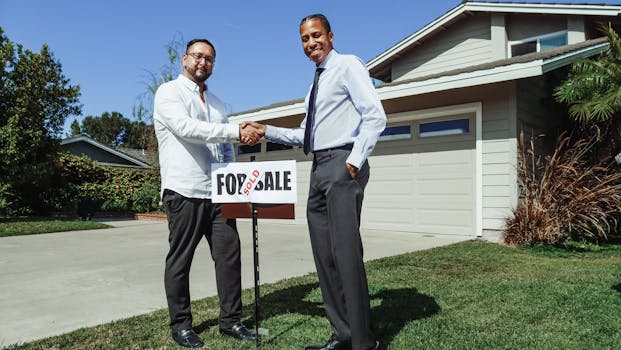 Photo: Kindel Media / Pexels
 Photo: MART PRODUCTION / Pexels
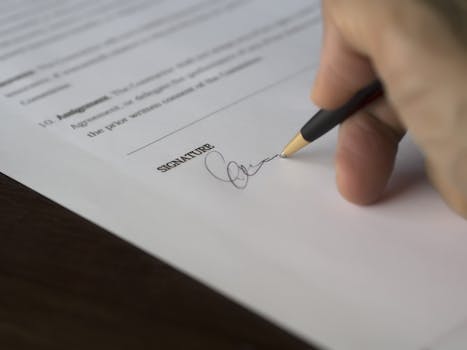 Photo: Pixabay / Pexels
 Photo: Kampus Production / Pexels