✓ A pre-approval letter is a conditional commitment from a lender, not a guarantee.
✓ It requires a thorough review of your financial information, including credit, income, and assets.
✓ Pre-approval strengthens your offer and demonstrates you're a serious buyer.
✓ It helps you understand your affordable price range and budget effectively.
How It Works
1
Gather Financial Documents
Collect pay stubs, W-2s, bank statements, and tax returns. This documentation forms the foundation of your pre-approval application.
2
Submit Application to Lender
Complete a mortgage application with a lender, providing all requested financial information. The lender will review your credit history and financial health.
3
Lender Reviews and Issues Letter
The lender underwrites your finances, verifies your information, and, if approved, issues a pre-approval letter. This letter states the maximum loan amount you qualify for.
4
Shop for Homes Confidently
Use your pre-approval letter to show real estate agents and sellers you are a serious and qualified buyer. This significantly boosts your offer's appeal.
Demystifying What is a Pre-Approval Letter for Mortgage
Photo: RDNE Stock project / Pexels
Navigating the real estate market can feel like a complex puzzle, especially for first-time homebuyers. One of the most critical pieces of this puzzle, and often misunderstood, is what is a pre-approval letter for mortgage. In essence, a pre-approval letter is a formal document from a mortgage lender that states how much money they are tentatively willing to lend you for a home purchase. It's a conditional commitment, meaning the lender has reviewed your financial information—including your credit history, income, assets, and debts—and has determined that you meet their eligibility criteria for a specific loan amount. This isn't just a casual conversation; it involves a rigorous examination of your financial health. Think of it as a preliminary underwriting process, where the lender performs a 'hard pull' on your credit report, scrutinizes your income documentation (pay stubs, W-2s, tax returns), and verifies your assets (bank statements, investment accounts). The result is a letter outlining the maximum loan amount, the type of loan you qualify for (e.g., FHA, VA, conventional), and sometimes an estimated interest rate. While a pre-approval letter is a powerful tool, it's crucial to distinguish it from a pre-qualification. A pre-qualification is a much more informal estimate, often based on self-reported financial information, without any verification by the lender. It gives you a ballpark figure of what you might be able to afford, but it carries little weight with sellers or real estate agents. A pre-approval, on the other hand, provides a much stronger indication of your borrowing power, backed by verified financial data. It tells sellers that you've done your homework and that a reputable lender has assessed your ability to secure financing. This distinction is vital in competitive housing markets where sellers want assurance that a deal will close. A strong pre-approval letter can make your offer stand out among others, even if the price is similar, because it reduces the perceived risk for the seller. It signals that you are a serious, qualified buyer, ready to proceed with the purchase. Without it, your offer might be viewed with skepticism, potentially putting you at a disadvantage. Understanding the depth of this process and its implications is the first step toward a successful homebuying journey.
The Unquestionable Benefits of Securing Your Mortgage Pre-Approval
Photo: Kindel Media / Pexels
Having a mortgage pre-approval in hand offers a multitude of benefits that can significantly streamline and strengthen your homebuying experience. Firstly, and perhaps most importantly, it provides you with a clear understanding of your budget. Before you even start house hunting, you'll know precisely how much a lender is willing to lend you. This clarity prevents you from falling in love with homes outside your financial reach, saving you time, emotional energy, and potential disappointment. It allows you to focus your search on properties that are genuinely affordable, making the entire process more efficient and less stressful. Secondly, a pre-approval letter dramatically enhances your credibility as a buyer. In today's competitive real estate landscape, sellers often receive multiple offers. Presenting a pre-approval letter alongside your offer tells the seller that you are not only serious but also financially capable of completing the purchase. This can give you a significant edge over other buyers who may not have taken this crucial step. Real estate agents, too, prefer working with pre-approved clients because it indicates a higher likelihood of a successful transaction, making them more inclined to dedicate their time and resources to help you find your dream home. Thirdly, it empowers you during negotiations. When sellers know you're pre-approved, they may be more willing to negotiate on price or other terms, as they recognize the reduced risk associated with your offer. You're not just making an offer; you're making an offer backed by a lender's preliminary commitment. This leverage can be invaluable in securing a better deal. Fourthly, it speeds up the closing process. Since much of your financial documentation has already been reviewed during the pre-approval phase, the formal loan application and underwriting process can move more quickly once you find a home and go under contract. This efficiency can be a major advantage, especially if a seller is looking for a quick close. Finally, it provides peace of mind. Knowing that your financing is largely in order before you even make an offer reduces much of the anxiety associated with homebuying. You can focus on finding the perfect home, confident in your financial standing. These benefits collectively make securing a mortgage pre-approval an indispensable step for any serious homebuyer.
The Step-by-Step Mortgage Pre-Approval Process Explained
Photo: Tara Winstead / Pexels
Obtaining a mortgage pre-approval involves a structured process that, while requiring some effort, is well worth the investment of your time. The journey typically begins with gathering your essential financial documents. This critical first step sets the stage for a smooth application. You'll need recent pay stubs (typically for the last 30 days), W-2 forms from the past two years, federal tax returns from the last two years, bank statements (usually for the last two months, showing all accounts where you hold assets), and statements for any investment accounts. If you're self-employed, be prepared to provide additional documentation such as profit and loss statements and business tax returns. Once your documents are in order, the next step is to choose a lender and submit your application. It's advisable to shop around and compare offers from several lenders, as interest rates and fees can vary significantly. You can apply with banks, credit unions, or mortgage brokers. The application itself will ask for personal information, employment history, income details, and a breakdown of your assets and liabilities. This is when the lender will perform a 'hard inquiry' on your credit report, which will temporarily ding your credit score by a few points. However, if you apply with multiple lenders within a short window (typically 14-45 days, depending on the scoring model), these inquiries will often be grouped as a single inquiry for scoring purposes, minimizing the impact. After you submit your application, the lender's loan officer and underwriter will meticulously review all the provided information. They will verify your income and employment, assess your debt-to-income ratio, examine your credit history for any red flags, and confirm your assets. This thorough review is what gives the pre-approval its weight. If everything checks out, the lender will then issue your pre-approval letter. This letter will specify the maximum loan amount, the type of loan you're approved for, and sometimes an estimated interest rate, though rates can fluctuate. It will also state any conditions that must be met before final loan approval, such as the appraisal of the property you choose or additional documentation. The pre-approval letter typically has an expiration date, usually 60-90 days, so you'll need to be mindful of that as you search for homes. If it expires before you find a home, you'll need to refresh your pre-approval by providing updated financial information. This comprehensive process ensures that when you walk into a showing or make an offer, you do so with confidence and a clear financial backing, significantly improving your chances of securing your desired property. It's a testament to your readiness as a buyer and a crucial advantage in the competitive housing market. Understanding this process is key to a smooth home purchase.
Common Pitfalls and Smart Strategies for Mortgage Pre-Approval
Photo: Pavel Danilyuk / Pexels
While a mortgage pre-approval is a powerful tool, there are several common pitfalls to avoid and smart strategies to employ to ensure its effectiveness. One of the biggest mistakes buyers make is confusing pre-qualification with pre-approval. As discussed, pre-qualification is a superficial estimate, while pre-approval involves a deep dive into your finances. Always aim for a full pre-approval to demonstrate your seriousness. Another pitfall is making significant financial changes after receiving pre-approval. Lenders base their approval on your financial situation at the time of application. Therefore, avoid opening new credit accounts, making large purchases (like a car or furniture), changing jobs, or taking on new debt once you're pre-approved. Any of these actions can negatively impact your credit score or debt-to-income ratio, potentially jeopardizing your final loan approval. It's also crucial to understand that a pre-approval letter is not a guarantee of a loan. It's a conditional commitment. The final loan approval is contingent on several factors, including the appraisal of the property you choose, which must meet the lender's value requirements, and a final review of your financial standing just before closing. Smart strategies include shopping around for lenders. Don't just go with the first bank you speak to. Compare interest rates, fees, and customer service from at least three different lenders. This can save you thousands of dollars over the life of the loan. Also, be completely transparent and accurate with your financial information during the application process. Any discrepancies found later can cause delays or even denial. Keep all your financial documents organized and readily accessible, as the lender may request updated information throughout the homebuying process. Regularly communicate with your loan officer, especially if there are any changes to your financial situation. A proactive approach can prevent last-minute surprises. Finally, remember that your pre-approval has an expiration date. If your home search extends beyond this period, be prepared to refresh your pre-approval with updated financial documents. By being mindful of these pitfalls and implementing these smart strategies, you can leverage your mortgage pre-approval to its fullest potential, making your homebuying journey as smooth and successful as possible. This proactive approach will empower you to navigate the complexities of real estate with confidence and efficiency.
Comparison
Feature
Mortgage Pre-Approval
Mortgage Pre-Qualification
No Financial Check
Lender Verification
Thorough (credit, income, assets)
Self-reported (no verification)
None
Credit Check
Hard pull
Soft pull or none
None
Seller Perception
Highly credible, serious buyer
Low credibility, informal estimate
Not serious, risky
Offer Strength
Stronger, competitive edge
Weak, easily overlooked
Very weak
Budget Clarity
Precise loan amount
Estimate, ballpark figure
No clear budget
Loan Commitment
Conditional commitment
No commitment
No commitment
Time Saved
✓
✗
✗
What Readers Say
★★★★★
"Understanding what is a pre-approval letter for mortgage was a game-changer for us. Our lender walked us through the process, and having that letter made our offer instantly more attractive to sellers in a very hot market."
Sarah J. · Austin, TX
★★★★★
"I was hesitant about the extra steps for pre-approval, but it was absolutely worth it. It gave me a clear budget and made me feel so much more confident when looking at homes. Highly recommend getting one before you start your search."
Mark D. · Miami, FL
★★★★★
"Our real estate agent insisted we get a pre-approval, and she was right. We put in an offer on a house with multiple bids, and the seller chose ours because of the solid pre-approval. It truly made the difference!"
Emily R. · Denver, CO
★★★★★
"The pre-approval process was a bit more involved than I expected with all the documents, but it provided invaluable clarity on what I could truly afford. It also sped up the final loan processing considerably."
David L. · Seattle, WA
★★★★★
"As a first-time homebuyer, I was overwhelmed. Learning what is a pre-approval letter for mortgage helped me understand my financial standing and gave me immense confidence. It's an essential first step for anyone buying a home."
Jessica M. · Phoenix, AZ
Frequently Asked Questions
What exactly is a pre-approval letter for mortgage?
A pre-approval letter for a mortgage is a formal document from a lender indicating their conditional commitment to lend you a specific amount of money for a home purchase. It's based on a thorough review of your credit, income, assets, and debts, providing a strong indication of your borrowing power.
Is a pre-approval letter the same as a pre-qualification?
No, they are different. A pre-qualification is a preliminary estimate based on self-reported information, with no verification. A pre-approval involves a lender verifying your financial information and performing a hard credit pull, making it a much stronger and more credible document.
How long does it take to get a mortgage pre-approval?
The duration can vary, but typically, once you've submitted all necessary documents, a pre-approval can be issued within a few business days to a week. The speed often depends on how quickly you provide the requested financial information and the lender's processing times.
How much does it cost to get a mortgage pre-approval?
Generally, getting a mortgage pre-approval does not cost anything upfront. Lenders do not typically charge a fee for this service. However, it does involve a hard inquiry on your credit report, which can slightly affect your credit score.
Can I get pre-approved by multiple lenders?
Yes, it is highly recommended to get pre-approved by multiple lenders. This allows you to compare interest rates, fees, and loan terms. When done within a short period (typically 14-45 days), multiple credit inquiries for a mortgage are often treated as a single inquiry by credit scoring models.
Who should get a mortgage pre-approval letter?
Anyone serious about buying a home should obtain a mortgage pre-approval letter. It's especially crucial in competitive housing markets, for first-time homebuyers who need to understand their budget, and for anyone who wants to strengthen their offer to a seller.
What if my financial situation changes after pre-approval?
If your financial situation changes significantly (e.g., job loss, new large debt, opening new credit lines) after receiving pre-approval, you must inform your lender immediately. These changes can affect your eligibility and potentially jeopardize your final loan approval.
Will mortgage pre-approval always lead to final loan approval?
No, a pre-approval is a conditional commitment and not a guarantee of final loan approval. Final approval depends on several factors, including a satisfactory appraisal of the property, a clean title search, and no significant adverse changes to your financial profile before closing.
Understanding what is a pre-approval letter for mortgage is your first step towards a confident and successful home purchase. Don't enter the competitive real estate market unprepared; secure your pre-approval today to unlock your homeownership dreams.

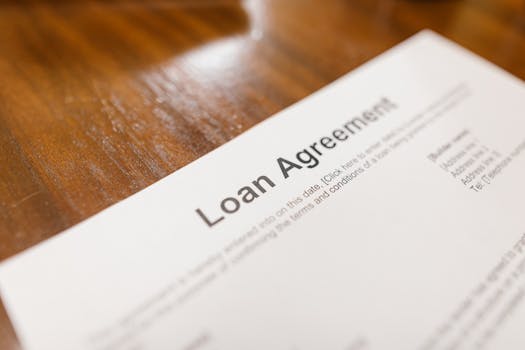 Photo: RDNE Stock project / Pexels
 Photo: Kindel Media / Pexels
 Photo: Tara Winstead / Pexels
 Photo: Pavel Danilyuk / Pexels