
US Real Estate Market Predictions 2024: Your Guide to What's Next
real estate market predictions 2024

US Real Estate Market Predictions 2024: Your Guide to What's Next

Unpack the complexities of the 2024 US housing market and equip yourself with the knowledge to thrive.

Explore the Forecast

Key Takeaways

  • ✓ Interest rates expected to stabilize, potentially decline in late 2024.
  • ✓ Housing inventory likely to remain tight, but new construction may offer relief.
  • ✓ Home price appreciation anticipated to moderate, avoiding significant drops.
  • ✓ Affordability challenges will persist, especially for first-time buyers.

How It Works

1
Understand Macroeconomic Influences

Dive into how inflation, GDP growth, and employment data shape the broader real estate landscape. These factors dictate consumer confidence and spending power.

2
Analyze Interest Rate Trajectories

Learn about the Federal Reserve's policies and their direct impact on mortgage rates. Small shifts can significantly alter buying power and market activity.

3
Evaluate Supply and Demand Dynamics

Examine current housing inventory levels, new construction trends, and demographic shifts. These elements are crucial for predicting price movements and market competitiveness.

4
Assess Regional Market Specifics

Recognize that the US housing market is not monolithic; local economic drivers, job growth, and population shifts create varied conditions. Tailor your understanding to specific geographies.

Navigating the Shifting Sands: US Housing Market Outlook for 2024

A detailed look at financial tools including a smartphone and laptop for stock analysis. Photo: Leeloo The First / Pexels
The US real estate market has been a rollercoaster of highs and lows over the past few years, leaving many homeowners, prospective buyers, and investors wondering what 2024 will bring. After a period characterized by historically low interest rates fueling unprecedented demand and rapid price appreciation, followed by a sharp rise in rates that cooled the market considerably, 2024 is poised for a more nuanced and potentially stabilizing environment. Understanding the intricate interplay of economic indicators, demographic shifts, and policy decisions is paramount to making informed choices in this evolving landscape. This comprehensive guide delves deep into the anticipated real estate market trends, offering a forward-looking perspective on what to expect across the nation. One of the primary drivers of market activity, and indeed one of the most significant uncertainties heading into 2024, is the trajectory of interest rates. The Federal Reserve's aggressive rate hikes in 2022 and 2023 were a direct response to soaring inflation, aiming to cool the economy. While inflation has shown signs of moderating, the Fed's stance on future rate adjustments remains a critical factor. Most economists predict that the Fed will likely hold rates steady for a good portion of 2024, with potential for modest cuts later in the year if inflation continues its downward trend and economic growth slows. This anticipated stabilization, or even slight reduction, in mortgage rates could provide a much-needed boost to buyer affordability and confidence, potentially unlocking some pent-up demand. However, it's crucial to remember that mortgage rates don't directly mirror the Fed's funds rate, but are influenced by it, alongside bond market performance and lender risk assessments. Even a small dip in mortgage rates from their recent highs could translate into hundreds of dollars saved on monthly payments for prospective buyers, significantly impacting their purchasing power and the overall health of the market. This delicate balance between inflation control and economic stability will dictate the rhythm of the housing market throughout the year, making careful observation of monetary policy announcements essential for anyone involved in real estate. The market's resilience will be tested by these factors, but a more predictable rate environment could lead to a healthier, albeit still competitive, market.

Supply, Demand, and the Evolution of Home Prices in 2024
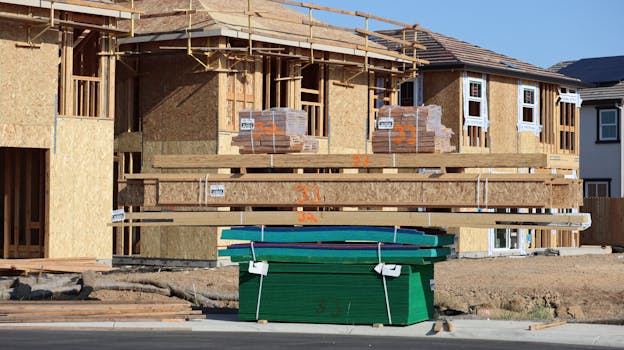
Wood frames and materials at a construction site for new homes in Elk Grove, California. Photo: D Goug / Pexels
Beyond interest rates, the fundamental forces of supply and demand will continue to shape the US real estate market in 2024. For several years, the market has grappled with a significant housing supply shortage, a problem exacerbated by underbuilding since the 2008 financial crisis and further complicated by the pandemic-induced surge in demand. As we move into 2024, while inventory levels are expected to remain below historical averages, there are signs of gradual improvement. New construction, though still facing challenges like labor shortages and material costs, is showing an uptick in many regions, particularly in the single-family sector. This increase in housing starts, coupled with a slight easing of homeowner reluctance to sell (often termed the 'lock-in effect' from lower mortgage rates), could lead to a modest increase in available homes on the market. However, this increase is unlikely to be dramatic enough to completely alleviate the supply crunch in all areas. Demand, on the other hand, is expected to remain robust, driven by a strong job market (though some sectors may see cooling), demographic tailwinds from millennials entering peak homebuying years, and continued migration patterns to more affordable or job-rich regions. This persistent imbalance, where demand generally outstrips supply, suggests that home prices are unlikely to experience a significant nationwide decline. Instead, most forecasts anticipate a moderation in price appreciation, moving from the double-digit percentage gains seen during the pandemic to more sustainable, low single-digit growth. Some historically overheated markets might see minor corrections, while others with strong local economies and limited new construction could continue to experience steady, albeit slower, appreciation. The key takeaway for 2024 is not a market crash, but rather a rebalancing, where price growth aligns more closely with income growth and historical averages. This shift will create a more stable environment for both buyers and sellers, moving away from the frenzied activity of recent years towards a more considered and strategic approach to real estate transactions. Understanding these supply and demand dynamics is crucial for setting realistic expectations and making sound investment decisions in the coming year.

Affordability Challenges and Regional Market Divergence
Miniature houses above letters spelling 'RENT' on a blue background, ideal for real estate themes. Photo: Steppe Walker / Pexels
Affordability remains a critical concern heading into 2024, particularly for first-time homebuyers. The combination of elevated home prices and higher mortgage rates has stretched budgets thin, making homeownership a distant dream for many. While the expected stabilization or slight dip in interest rates could offer some relief, a significant improvement in affordability will likely depend on a more substantial increase in housing supply and/or a more pronounced moderation in home prices than currently anticipated. Programs aimed at assisting first-time buyers, such as down payment assistance or innovative financing options, will become even more vital in bridging the gap between aspirations and reality. Additionally, the rental market will continue to play a crucial role, as many individuals who are priced out of homeownership will remain renters, sustaining demand and potentially keeping rental rates elevated in many areas. This creates a complex dynamic where high rents can make saving for a down payment even more challenging, perpetuating the affordability crisis. It is imperative to recognize that the US real estate market is not a monolith; it’s a collection of highly localized markets, each with its unique economic drivers, demographic trends, and housing dynamics. What happens in a bustling tech hub like Austin might be vastly different from a more established market like Chicago or a retiree destination in Florida. In 2024, this regional divergence is expected to become even more pronounced. Markets experiencing strong job growth, inward migration, and limited buildable land will likely continue to see robust demand and steady price appreciation. Conversely, areas with declining populations, less vibrant job markets, or an oversupply of new construction could experience softer demand and more significant price adjustments. Factors such as local government policies, property tax rates, and the availability of diverse employment opportunities will all contribute to these localized market conditions. Investors and buyers alike must therefore look beyond national headlines and conduct thorough research into specific metropolitan areas and even neighborhoods. Understanding these micro-market nuances is key to identifying opportunities and mitigating risks, whether you are buying, selling, or investing in real estate in 2024. For a deeper dive into specific regional outlooks, consider exploring resources focused on regional housing market analysis to tailor your strategy effectively.

Key Strategies for Navigating the 2024 Real Estate Market

Flat lay of real estate brochures, checklists, and a calculator for home buying. Photo: RDNE Stock project / Pexels
Navigating the 2024 US real estate market requires a strategic and informed approach, whether you are a buyer, seller, or investor. Understanding the predictions is only the first step; implementing effective strategies will determine your success. For prospective buyers, patience and preparation are paramount. Focus on strengthening your financial position, improving your credit score, and saving a substantial down payment. Get pre-approved for a mortgage to understand your true buying power and be ready to act when the right opportunity arises. Don't let fear of missing out (FOMO) drive rash decisions; instead, focus on properties that meet your long-term needs and financial capabilities. Consider exploring alternative financing options or first-time buyer programs that can ease the entry into homeownership. Being flexible with your desired location or property type can also open up more affordable opportunities in competitive markets. Sellers in 2024 should adjust their expectations from the frenzied, multiple-offer environment of previous years. While demand remains, buyers are more discerning and budget-conscious. Pricing your home competitively from the outset, ensuring it is well-maintained and staged, and highlighting its unique features will be crucial. Working with an experienced real estate agent who understands local market nuances and can craft an effective marketing strategy is more important than ever. Be prepared for potentially longer market times and more negotiation than in the recent past. For real estate investors, 2024 presents a mixed bag of opportunities and challenges. While rapid appreciation may slow, a more stable market can offer clearer long-term value. Focus on cash flow positive properties, especially in markets with strong rental demand. Diversifying your portfolio across different property types or geographic locations can also mitigate risks. Diligent due diligence, understanding local rental laws, and having a solid property management plan are essential for success. All market participants should stay informed about economic news, interest rate forecasts, and local market reports to adapt their strategies as the year progresses. Avoiding common pitfalls like overpaying for a property based on past market conditions or underestimating the true cost of homeownership will be vital.

Comparison

Feature2024 Outlook2022-2023 RealityLong-Term Average
Mortgage RatesStabilizing/Slight DeclineRapid IncreaseFluctuating, moderate
Home Price GrowthModerate (low single-digit)High (double-digit)3-5% annually
Housing InventoryGradual Increase, still tightHistorically LowBalanced supply
Buyer AffordabilityChallenging, slight easeSeverely StrainedAccessible with effort
Market CompetitionModerate to HighExtreme (bidding wars)Healthy competition

What Readers Say

"This article on real estate market predictions 2024 was incredibly insightful. It clarified the interest rate outlook, which was my biggest concern, and helped me understand when might be a better time to buy."

Sarah J. · Denver, CO

"As a real estate investor, I found the regional market divergence section particularly valuable. It reinforced my strategy to focus on specific growth areas rather than national trends for 2024."

Mark D. · Miami, FL

"The predictions for 2024 gave me a much clearer picture of what to expect as a first-time homebuyer. I now feel more prepared to navigate the market and understand the affordability challenges."

Jessica L. · Dallas, TX

"While optimistic about stabilization, the article also realistically addressed ongoing inventory issues. It's a balanced view that helps set proper expectations for sellers like me in 2024."

Robert P. · Seattle, WA

"The strategic tips for buyers and sellers were practical and actionable. This guide to real estate market predictions 2024 is a must-read for anyone serious about making a move next year."

Emily R. · Boston, MA

Frequently Asked Questions

Will home prices crash in the US in 2024?

Most expert real estate market predictions 2024 do not foresee a nationwide crash. Instead, a moderation in home price appreciation is anticipated, with low single-digit growth. Some overheated markets might experience minor corrections, but a significant downturn across the board is unlikely due to persistent demand and still-limited supply.

What will happen to mortgage interest rates in 2024?

Mortgage interest rates are generally expected to stabilize in 2024. While the Federal Reserve may hold its benchmark rate steady for much of the year, there's a possibility of modest cuts later in the year if inflation continues to cool. This could lead to a slight decrease in mortgage rates from their 2023 highs, offering some relief to buyers.

How can I prepare to buy a home in 2024 given these predictions?

To prepare for buying a home in 2024, focus on strengthening your financial position: improve your credit score, save a substantial down payment, and get pre-approved for a mortgage. Be patient, research local market conditions thoroughly, and be flexible with your property preferences. Consider working with an experienced real estate agent to navigate competitive situations effectively.

Is 2024 a good year for real estate investment?

2024 can be a good year for real estate investment, but it requires a strategic approach. With moderating price growth, the focus shifts from rapid appreciation to stable cash flow, especially in rental properties. Diligent market research, understanding local economic drivers, and a solid property management plan are crucial for successful investments in this environment.

How do 2024 real estate predictions compare to pre-pandemic market conditions?

The 2024 real estate market predictions suggest a move towards more balanced conditions compared to the frenzied, low-inventory, high-appreciation market of the pandemic era. While still competitive in many areas, it's unlikely to replicate the rapid price growth and intense bidding wars seen in 2020-2022. It will also differ from the lower interest rate environment of pre-pandemic years.

Who should pay close attention to these real estate market predictions 2024?

Anyone considering buying, selling, or investing in real estate in the US should pay close attention to these predictions. This includes first-time homebuyers, current homeowners looking to upgrade or downsize, real estate investors, and industry professionals. Understanding the market dynamics is crucial for making informed financial decisions.

What are the biggest risks in the 2024 housing market?

The biggest risks in the 2024 housing market include persistent affordability challenges due to high prices and rates, potential economic slowdowns impacting job growth, and unpredictable shifts in Federal Reserve policy regarding interest rates. Localized oversupply in some new construction markets could also pose a risk.

What emerging trends might impact the real estate market beyond 2024?

Beyond 2024, emerging trends that might impact the real estate market include continued advancements in remote work affecting migration patterns, increasing focus on sustainable and energy-efficient housing, the aging population's impact on housing needs, and the potential for technological innovations like AI in real estate transactions and property management.

Armed with these comprehensive real estate market predictions 2024, you are better equipped to navigate the evolving US housing landscape. Make informed decisions, plan strategically, and position yourself for success in the year ahead.

Topics: real estate market predictions 2024housing market forecast USinterest rate impact real estatehousing affordability 2024real estate investment outlook
Leo List
Brampton weed
Adultwork EstrelaBet Vai de Bet R7 Bet Betão Galera Bet Rainbet Bet9ja Shop SportyBet BetKing Sisal Loto Foot Hollywoodbets YesPlay Odibets RushBet Jugabet BetWarrior BetCity MSport betPawa Fortebet