Understanding Mortgage Rates Today US: Your Guide to Home Financing
mortgage rates today us

Understanding Mortgage Rates Today US: Your Guide to Home Financing

Navigate the complex world of home financing with our comprehensive guide to current mortgage rates and market dynamics.

Check Current Rates

Key Takeaways

  • ✓ Mortgage rates are influenced by various economic factors, including inflation, Federal Reserve policy, and bond yields.
  • ✓ A small difference in interest rate can significantly impact your total loan cost over the mortgage's lifetime.
  • ✓ Fixed-rate mortgages offer payment stability, while adjustable-rate mortgages (ARMs) can start lower but fluctuate.
  • ✓ Shopping around with multiple lenders is crucial to finding the most competitive rates and terms.

How It Works

1
Understand Influencing Factors

Learn about the economic indicators and market forces that dictate the daily fluctuations in mortgage rates. This foundational knowledge empowers you to anticipate changes.

2
Evaluate Your Financial Health

Assess your credit score, debt-to-income ratio, and down payment. These personal financial metrics play a critical role in the rates lenders offer you.

3
Compare Lender Offers

Don't settle for the first quote. Obtain loan estimates from several different lenders to ensure you are getting the most favorable interest rate and terms available.

4
Lock Your Rate Strategically

Once you find a desirable rate, understand the process of locking it in. Timing this correctly can protect you from potential rate increases before closing.

Decoding Mortgage Rates Today US: What Drives the Numbers?

Close-up of stock market trading screen displaying financial growth and charts. Photo: Alesia Kozik / Pexels
When you look at mortgage rates today US, it's easy to feel overwhelmed by the constant fluctuations and the myriad of numbers presented. However, understanding the core drivers behind these rates can demystify the process and empower you to make more informed decisions. At its heart, a mortgage interest rate is the cost of borrowing money to purchase a home, expressed as a percentage of the loan amount. This percentage isn't arbitrary; it's a dynamic figure shaped by a complex interplay of economic forces, central bank policies, and global financial markets. The primary economic indicator that lenders watch closely is inflation. When inflation rises, the purchasing power of money decreases over time. To compensate for this erosion of value, lenders typically increase interest rates to ensure their return on investment keeps pace. Conversely, periods of low inflation often see more stable or even declining mortgage rates. Another significant player is the Federal Reserve. While the Fed doesn't directly set mortgage rates, its monetary policy decisions, particularly regarding the federal funds rate, have a profound indirect impact. When the Fed raises its benchmark rate, it becomes more expensive for banks to borrow money, a cost that is often passed on to consumers in the form of higher interest rates on various loans, including mortgages. Conversely, when the Fed lowers rates, it signals an easing of monetary policy, which can lead to lower mortgage rates. Beyond these broad economic factors, the bond market, specifically the yield on the 10-year Treasury note, serves as a crucial barometer for long-term mortgage rates. Mortgage-backed securities (MBS), which are bundles of home loans sold to investors, compete with Treasury bonds for investor capital. When Treasury yields rise, MBS must offer higher yields (and thus higher mortgage rates) to attract investors. Other factors such as unemployment rates, consumer confidence, and global economic stability also contribute to the overall sentiment of the market, influencing how lenders price their loans. For example, during times of economic uncertainty, investors often flock to safer assets like bonds, which can drive down bond yields and potentially lead to lower mortgage rates. Conversely, a robust economy with strong job growth might lead to concerns about inflation, pushing rates higher. Understanding these fundamental drivers is the first step in making sense of mortgage rates today US and planning your home financing strategy. By keeping an eye on these indicators, you can better anticipate market shifts and position yourself to secure the most favorable terms for your home loan. For a deeper dive into the overall housing market, explore our guide on real estate market trends.

Navigating Mortgage Types and Their Rate Implications
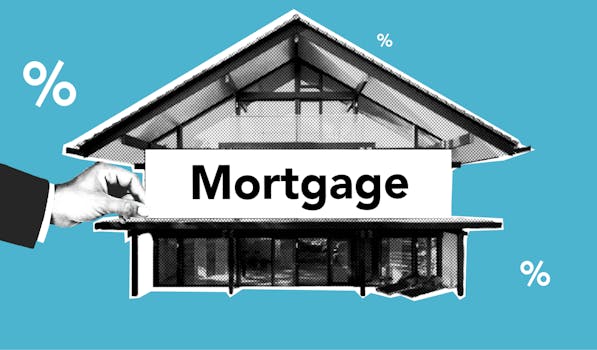
Cutout paper composition of realtor with inscription mortgage over house for purchases with payment of interest on amount of cost Photo: Monstera Production / Pexels
When you're looking at mortgage rates today US, it's not just a single number you're considering; it's a spectrum of rates tied to different loan products. The type of mortgage you choose will significantly impact the interest rate you receive and how that rate behaves over the life of your loan. The two most common types are fixed-rate mortgages and adjustable-rate mortgages (ARMs), each with distinct characteristics and rate implications. A fixed-rate mortgage, as its name suggests, comes with an interest rate that remains constant for the entire duration of the loan. This provides unparalleled stability and predictability in your monthly payments, making budgeting straightforward. Common fixed-rate terms are 15-year and 30-year mortgages, though other durations exist. While the initial interest rate on a fixed-rate mortgage might be slightly higher than an ARM's introductory rate, the security of knowing your payment won't change is a significant draw for many homeowners, especially in a fluctuating interest rate environment. This stability protects you from future rate increases but also means you won't benefit if market rates fall without refinancing. Adjustable-rate mortgages (ARMs), on the other hand, offer an initial fixed-rate period, after which the interest rate adjusts periodically based on a predetermined index plus a margin. For example, a 5/1 ARM will have a fixed rate for the first five years, then adjust annually (once per year). The introductory rate on an ARM is often lower than a comparable fixed-rate mortgage, which can make it attractive for borrowers who plan to sell or refinance before the adjustment period begins, or for those who anticipate their income will increase significantly. However, ARMs come with the risk that your interest rate, and consequently your monthly payment, could increase substantially after the fixed period. Most ARMs have caps that limit how much the rate can change per adjustment period and over the life of the loan, but even with caps, the potential for payment increases exists. Other mortgage types, such as FHA loans, VA loans, and USDA loans, also have specific rate considerations. These government-backed loans often offer more lenient qualification criteria and sometimes more competitive rates, particularly for first-time homebuyers, veterans, or those in rural areas. The rates for these programs are still subject to market conditions but may be influenced by specific program guidelines. Understanding the nuances of each mortgage type is crucial for anyone monitoring mortgage rates today US. Your financial situation, risk tolerance, and long-term housing plans should all factor into which mortgage product aligns best with your needs. Don't hesitate to consult with a qualified mortgage professional to explore which option offers the most advantageous rate and terms for your unique circumstances.

Your Credit Score and Mortgage Rates: A Critical Connection

An upward trend graph made from coins representing financial growth and success. Photo: Aurelijus U. / Pexels
When lenders evaluate your application for a home loan, one of the most pivotal factors they consider is your credit score. This three-digit number acts as a financial report card, summarizing your creditworthiness and your history of managing debt. The higher your credit score, the lower the perceived risk you present to lenders, and consequently, the more favorable mortgage rates today US you are likely to be offered. Conversely, a lower credit score often translates to higher interest rates, as lenders compensate for the increased risk of default. Lenders use credit scores, primarily FICO scores, to assess your likelihood of repaying the mortgage. A strong credit score (generally 740 and above) indicates a responsible borrower who pays bills on time and manages credit effectively. This track record of reliability often qualifies you for the lowest available interest rates, saving you tens of thousands of dollars over the life of a 30-year mortgage. Even a difference of a quarter or half a percentage point can amount to substantial savings. For instance, on a $300,000 loan, a 0.5% lower rate could save you over $50 per month, totaling more than $18,000 over 30 years. On the other hand, if your credit score is in the fair or poor range (below 670), you may still qualify for a mortgage, but the interest rates will be significantly higher. Lenders might also require a larger down payment or impose stricter loan terms to mitigate their risk. In some cases, a very low credit score could make it challenging to qualify for a conventional mortgage altogether, pushing borrowers towards FHA loans or other programs designed for those with less-than-perfect credit, which may still carry higher rates or mortgage insurance premiums. Therefore, before you even start seriously looking at mortgage rates today US, it's paramount to review and improve your credit score. This involves checking your credit report for errors, paying down existing debts, especially high-interest credit card balances, and making all payments on time. Avoiding new credit applications in the months leading up to a mortgage application is also advisable, as new inquiries can temporarily ding your score. Building a solid credit history takes time and consistent effort, but the financial rewards, especially when securing a mortgage, are immense. A few months of diligent credit management can translate into substantial savings on your home loan, making the effort well worth it. For more insights on financial planning for homeownership, consider exploring resources on personal finance for homebuyers.

Smart Strategies for Securing the Best Mortgage Rates Today US

Mortgage broker in an office meeting with a client, utilizing a laptop. Photo: RDNE Stock project / Pexels
Securing the most favorable mortgage rates today US requires more than just passively observing market trends; it demands a proactive and strategic approach. By implementing a few key strategies, you can significantly improve your chances of locking in a lower interest rate and saving substantial money over the life of your loan. Here are some essential tips to guide you: * **Boost Your Credit Score:** As discussed, your credit score is paramount. Aim for a score of 740 or higher to access the most competitive rates. Pay bills on time, reduce credit card debt, and avoid opening new lines of credit before applying for a mortgage. * **Save for a Larger Down Payment:** A higher down payment (ideally 20% or more) reduces the loan-to-value (LTV) ratio, signaling lower risk to lenders. This often translates into better interest rates and can also help you avoid private mortgage insurance (PMI). * **Shop Around Aggressively:** This is perhaps the most crucial step. Don't settle for the first offer. Contact at least three to five different lenders – including large banks, credit unions, and independent mortgage brokers – to get personalized loan estimates. Rates can vary significantly between lenders, and comparing offers can save you thousands. Ensure you compare the Annual Percentage Rate (APR), which includes fees, not just the interest rate. * **Understand and Lower Your Debt-to-Income (DTI) Ratio:** Your DTI ratio compares your total monthly debt payments to your gross monthly income. Lenders prefer a DTI of 36% or lower, though some may go up to 43% for conventional loans. A lower DTI indicates you can comfortably handle additional mortgage payments, making you a less risky borrower and potentially qualifying you for better rates. * **Consider Mortgage Points (Discount Points):** Mortgage points are essentially prepaid interest. One point typically costs 1% of the loan amount and can reduce your interest rate. This strategy is most beneficial if you plan to stay in your home for many years, as it takes time for the savings from the lower rate to offset the upfront cost of the points. * **Be Prepared with Documentation:** Having all your financial documents organized and ready – including tax returns, pay stubs, bank statements, and investment account details – can streamline the application process. This shows lenders you are serious and organized, which can sometimes indirectly influence how quickly and favorably your application is processed. * **Monitor Market Trends:** While you can't control market rates, being aware of current trends and forecasts can help you decide when to lock in your rate. If rates are trending upwards, locking in sooner might be wise. If they're stable or falling, you might wait a bit longer, but always with caution. By diligently applying these strategies, you place yourself in a much stronger position to negotiate and secure the best possible mortgage rates today US, ultimately leading to significant long-term savings on your homeownership journey.

Comparison

Feature30-Year Fixed15-Year Fixed5/1 ARM
Monthly Payment StabilityVery HighVery HighLow after initial period
Total Interest PaidHighestLowestVariable (potentially higher or lower)
Initial Interest RateModerateLower than 30-yr fixedLowest
Risk of Rate Change
Typical Term30 years15 years30 years (rate adjusts after 5)
Best ForLong-term stabilityFaster payoff, lower interestShort-term ownership, rising income

What Readers Say

"This article was incredibly helpful in breaking down mortgage rates today US. I was so confused, but now I understand the factors and feel much more confident in talking to lenders."

Sarah J. · Austin, TX

"The tips on improving my credit score and shopping around were game-changers. I followed the advice and secured a rate half a percentage point lower than my initial quote, saving me thousands."

Mark D. · Chicago, IL

"As a first-time homebuyer, the information on different mortgage types was invaluable. It helped me choose the right loan for my situation and understand how current mortgage rates today US affect my payments."

Jessica L. · Miami, FL

"While comprehensive, I wish there was a real-time rate tracker embedded. Still, the explanations of economic drivers and strategy were top-notch and gave me a solid foundation for my mortgage search."

David R. · Seattle, WA

"The comparison table was fantastic! It quickly helped me weigh the pros and cons of fixed vs. adjustable rates, which was crucial for my decision-making process when looking at mortgage rates today US."

Emily P. · Denver, CO

Frequently Asked Questions

What are the primary factors influencing mortgage rates today US?

Mortgage rates are primarily influenced by inflation expectations, the Federal Reserve's monetary policy (especially the federal funds rate), and the yield on the 10-year Treasury bond. Global economic stability, unemployment rates, and overall market sentiment also play significant roles in daily rate fluctuations.

Will mortgage rates go down in the near future?

Forecasting mortgage rates is challenging, as they are subject to constant market shifts. While some economists anticipate potential rate decreases if inflation cools significantly and the Fed loosens monetary policy, others foresee continued volatility. It's crucial to stay informed and consult with a lender for personalized advice rather than relying on predictions.

How can I get the best mortgage rate for my home purchase?

To secure the best mortgage rate, focus on improving your credit score (aim for 740+), save for a larger down payment, reduce your debt-to-income ratio, and most importantly, shop around by getting quotes from multiple lenders. Also, consider if 'buying down' the rate with discount points makes sense for your long-term plans.

What is the difference between interest rate and APR?

The interest rate is the percentage charged by the lender for borrowing the principal loan amount. The Annual Percentage Rate (APR), on the other hand, represents the total cost of the loan over its term, including not only the interest rate but also other charges such as origination fees, discount points, and some closing costs. APR provides a more comprehensive picture of the true cost of borrowing.

Should I choose a fixed-rate or adjustable-rate mortgage (ARM) based on current mortgage rates today US?

The choice between a fixed-rate and ARM depends on your financial stability, risk tolerance, and how long you plan to stay in the home. Fixed-rate mortgages offer payment predictability, ideal for long-term homeowners. ARMs often have lower introductory rates, suitable if you plan to sell or refinance before the rate adjusts, or if you anticipate significant income growth.

Who should closely monitor mortgage rates today US?

Anyone considering buying a home, refinancing an existing mortgage, or even those in the early stages of financial planning for future homeownership should closely monitor mortgage rates. Real estate investors also benefit from tracking these rates to optimize their financing strategies and potential returns.

Are there risks associated with locking in a mortgage rate?

Yes, while locking in a rate protects you from increases, there's a risk that rates could fall before your closing, and you'd be locked into a higher rate. Some lenders offer 'float-down' options for a fee, allowing you to secure a lower rate if market rates drop significantly during your lock period. Always understand the terms of your rate lock.

How do global events impact mortgage rates today US?

Global events can significantly impact mortgage rates by influencing investor confidence and economic outlook. For example, geopolitical instability can lead investors to seek safer assets like US Treasury bonds, potentially driving down bond yields and, consequently, mortgage rates. Conversely, global economic booms or crises can create volatility and shift rates in either direction depending on the specific circumstances and their impact on inflation and central bank policies.

Understanding mortgage rates today US is your first step towards making sound home financing decisions. Empower yourself with knowledge, compare offers diligently, and strategize effectively to secure the best possible terms for your home loan. Start exploring your options and connect with a trusted lender to turn your homeownership dreams into reality.

Topics: mortgage rates today uscurrent mortgage rateshome loan ratesinterest rates real estatemortgage market trends
Leo List

IE Escorts NO Escorts US Escorts NZ Escorts AU Escorts
Brampton weed
Adultwork EstrelaBet Vai de Bet R7 Bet Betão Galera Bet Rainbet Bet9ja Shop SportyBet BetKing Sisal Loto Foot Hollywoodbets YesPlay Odibets RushBet Jugabet BetWarrior BetCity MSport betPawa Fortebet