
Top 5 Umegal Tips for Beginners: Your Real Estate Edge
Discover the foundational strategies that will empower your journey into real estate investment and property management.
Start Learning NowKey Takeaways
- ✓ Understanding market dynamics is crucial for UMEGAL success.
- ✓ Networking with seasoned professionals can accelerate your learning curve.
- ✓ Financial literacy is a cornerstone of effective real estate investment.
- ✓ Diligent property analysis prevents costly mistakes.
- ✓ Long-term vision outperforms short-term gains in real estate.
How It Works
Before making any move, immerse yourself in real estate knowledge. Read books, attend seminars, and follow industry experts to build a solid foundation.
Clearly articulate what you want to achieve with real estate. This could be passive income, capital appreciation, or a combination, guiding your strategy.
Connect with lenders, brokers, contractors, and other investors. A robust network provides invaluable insights, opportunities, and support throughout your journey.
Don't feel pressured to make a large initial investment. Begin with a manageable property or strategy, gain experience, and gradually expand your portfolio.
Mastering Market Analysis and Location Selection
 Photo: Ofir Eliav / Pexels
Beyond broad economic indicators, granular, hyper-local market analysis is paramount. This means understanding specific neighborhoods within a city. What are the school ratings? How close is it to public transportation, major highways, and essential amenities like grocery stores, hospitals, and entertainment? Proximity to these features can significantly boost a property's desirability and, consequently, its value. Crime rates, noise levels, and even the aesthetic appeal of surrounding properties all play a role. Beginners often make the mistake of focusing solely on the property itself, neglecting the critical context of its environment. Remember the adage: 'location, location, location.' It’s a cliché for a reason. Ignoring it is akin to sailing without a compass.
Furthermore, understanding zoning laws and future infrastructure projects can provide a significant advantage. A planned subway extension or a new retail development can dramatically increase property values in adjacent areas. Conversely, a proposed landfill or industrial plant could depress them. Leveraging publicly available data from city planning departments, local real estate boards, and even news archives can reveal these crucial insights. Don't shy away from spending countless hours researching these aspects before even looking at a single property. This foundational work is what separates successful investors from those who merely gamble. It's the 'U' in Umegal – understanding the underlying currents that drive real estate. For more insights on assessing property value, check out our guide on effective property valuation techniques. This diligent research forms the bedrock of sound investment decisions and mitigates significant risk, particularly for those just starting out.
Securing Smart Financing and Managing Your Budget
 Photo: www.kaboompics.com / Pexels
Moreover, it’s critical to establish a robust budget that accounts for every conceivable expense, not just the purchase price. Beyond the mortgage payment, you must factor in maintenance costs (which can be substantial, especially for older properties), potential vacancies, property management fees if you plan to outsource, utility costs during vacant periods, and an emergency fund for unexpected repairs. A common beginner mistake is underestimating these ongoing operational expenses, leading to cash flow crunches down the line. A good rule of thumb is to allocate a certain percentage of projected rental income (e.g., 10-15%) for maintenance and another percentage for potential vacancies (e.g., 5-10%). Building a healthy reserve fund is non-negotiable; real estate investment often involves unpredictable costs, and being financially prepared can prevent minor issues from snowballing into major financial crises.
Exploring different financing options is also key. Don't just settle for the first lender you speak with. Shop around, compare interest rates, origination fees, and terms from multiple banks, credit unions, and private lenders. Consider options like FHA loans (if applicable for multi-family units you might live in), VA loans, or even seller financing in certain scenarios. Understanding your debt-to-income ratio and credit score is vital, as these directly influence the terms you'll be offered. Improving your credit score before seeking financing can save you thousands of dollars over the life of a loan. Furthermore, for those looking to scale, understanding how to leverage equity from existing properties through strategies like cash-out refinances or HELOCs (Home Equity Line of Credit) can be powerful tools, but they come with their own set of risks that must be carefully evaluated. Sound financial planning is the 'M' in Umegal – managing your money wisely to ensure long-term stability and growth.
You may also find monkey-app.net useful.
Diligent Property Due Diligence and Risk Mitigation
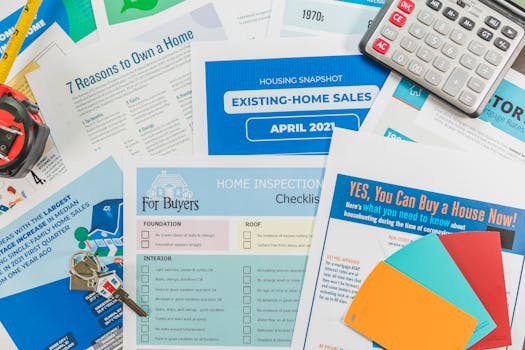 Photo: RDNE Stock project / Pexels
A professional home inspection is non-negotiable, but don't stop there. Consider specialized inspections for critical systems like HVAC, plumbing, electrical, and roofing, especially for older homes. These can uncover hidden defects that a general inspector might miss, saving you from significant unexpected repair costs down the line. Beyond structural integrity, investigate potential environmental hazards like lead paint, asbestos, or radon, which can carry substantial remediation expenses and health risks. Furthermore, for investment properties, conduct a thorough analysis of potential rental income versus operating expenses to accurately project cash flow. This means researching comparable rental rates in the area and factoring in all costs, including property taxes, insurance, utilities, and anticipated maintenance.
Risk mitigation is the proactive step of identifying potential problems and planning how to address them. This involves not only physical risks to the property but also financial and legal risks. For example, what if the market takes a downturn? Do you have enough reserves to cover vacancies or lower rental income? What if a tenant defaults? Do you understand eviction laws and have a contingency plan? Insurance is a vital risk mitigation tool, but ensure you have adequate coverage, including landlord insurance for rental properties, liability insurance, and potentially flood or earthquake insurance depending on the location. Building a strong network of contractors, attorneys, and property managers (if applicable) before you need them is another form of risk mitigation, ensuring you have reliable resources readily available when issues arise. For those looking to dive deeper into protecting their assets, explore our article on essential real estate legal protections. This comprehensive approach to due diligence and risk assessment is the 'E' in Umegal – ensuring every investment is examined thoroughly and protected against foreseeable challenges.
Building a Robust Real Estate Network and Mentorship
Attending local real estate investment groups (REIGs), workshops, seminars, and industry conferences are excellent ways to meet these professionals. Don't just collect business cards; engage in meaningful conversations, ask questions, and offer value where you can. Networking is a two-way street. By genuinely connecting with people, you not only gain access to their knowledge and resources but also build relationships that can lead to future partnerships and opportunities. Many successful investors attribute a significant portion of their success to their network, which provides support, referrals, and critical information.
Beyond general networking, actively seeking a mentor is a game-changer for beginners. A mentor is someone who has achieved success in real estate and is willing to share their knowledge, experience, and guidance. This could be a formal arrangement or an informal relationship developed over time. A mentor can help you avoid common pitfalls, provide insights into specific market niches, help you analyze deals, and offer encouragement during challenging times. They can serve as a sounding board for your ideas and strategies, offering a perspective shaped by years of experience. Look for mentors whose investment philosophy aligns with yours and who have a proven track record. Offer to intern, assist them with tasks, or simply treat them to coffee in exchange for their time and wisdom. The insights gained from a seasoned mentor can accelerate your learning curve exponentially, saving you years of trial and error and potentially costly mistakes. This proactive approach to building connections and seeking guidance is the 'G' in Umegal – growing your knowledge and opportunities through strategic relationships.
Comparison
| Feature | Direct Mentorship | Online Courses | Local REIGs | Books/Blogs |
|---|---|---|---|---|
| Personalized Advice | ✓ | ✗ | Limited | ✗ |
| Real-time Q&A | ✓ | Limited | ✓ | ✗ |
| Networking Opportunities | ✓ | ✗ | ✓ | ✗ |
| Cost | Varies (often free) | High | Low (membership) | Low |
| Pace of Learning | Fast | Self-paced | Moderate | Self-paced |
| Market Specificity | High | Low | High | Low |
What Readers Say
"The 'Top 5 Umegal Tips for Beginners' article was a revelation. I was overwhelmed by real estate, but the clear breakdown of market analysis and financing gave me a concrete starting point. Truly invaluable for a newbie!"
Sarah J. · Austin, TX"As an aspiring investor, I devoured these 'Umegal Tips'. The emphasis on due diligence and risk mitigation resonated deeply, making me rethink my approach to property selection. Excellent, actionable advice."
Mark D. · Miami, FL"Following the 'Umegal' advice on networking led me to a local investor group, which then connected me with my first mentor. I just closed on my first duplex, and I credit these tips for giving me the confidence and direction I needed."
Jessica L. · Denver, CO"The 'Top 5 Umegal Tips' are incredibly comprehensive, though some sections felt a bit dense. However, the core principles on smart financing and market understanding are absolutely solid and worth the deep dive."
David R. · Seattle, WA"I applied the budgeting tips from the 'Top 5 Umegal Tips for Beginners' to my current rental property, and it helped me identify areas where I was overspending. The practical advice has already saved me money and stress."
Emily P. · Chicago, ILFrequently Asked Questions
What does 'Umegal' stand for in real estate?
While 'Umegal' is a unique term used in this context, it represents a structured approach to real estate for beginners, focusing on Understanding markets, Managing finances, thorough Due diligence, building an Expert network, and maintaining a Long-term perspective. It's a mnemonic for comprehensive preparation.
Is real estate investing too risky for beginners?
Real estate investing carries inherent risks, but the 'Top 5 Umegal Tips for Beginners' are designed to significantly mitigate these risks through education, diligent research, and strategic planning. By following these foundational steps, beginners can approach the market with confidence and a reduced likelihood of costly mistakes.
How do I start building my real estate network?
Begin by attending local real estate investment association (REIA) meetings or online forums. Look for local real estate meetups on platforms like Meetup.com. Don't be afraid to introduce yourself to real estate agents, lenders, and contractors. Offer to learn from them and contribute where you can, building genuine relationships over time.
What's the most affordable way to get started in real estate?
The most affordable way to start often involves house hacking (buying a multi-unit property and living in one unit while renting out others) or exploring real estate investment trusts (REITs) for passive investment. The 'Top 5 Umegal Tips for Beginners' emphasize smart financing and starting small, aligning with accessible entry points.
How do these tips compare to other beginner real estate guides?
The 'Top 5 Umegal Tips for Beginners' distinguish themselves by providing a holistic framework that goes beyond just 'how to buy a house.' They emphasize the critical interplay of market knowledge, financial acumen, risk management, and community building, offering a more integrated path to long-term success compared to guides that might focus on only one aspect.
Who specifically can benefit from these 'Umegal' tips?
These 'Umegal' tips are specifically crafted for individuals who are completely new to real estate investing or those who have made a few initial steps but lack a structured approach. They are ideal for anyone seeking a foundational, comprehensive guide to navigate the complexities of the real estate market effectively and confidently.
How can I avoid common beginner mistakes in real estate?
Avoiding common beginner mistakes in real estate hinges on adhering to the 'Top 5 Umegal Tips for Beginners.' This means conducting thorough due diligence to avoid overpaying or buying problematic properties, securing smart financing to prevent cash flow issues, and building a strong network to gain insights and avoid isolation in decision-making.
What is the future outlook for real estate for beginners following these tips?
For beginners who diligently apply the 'Top 5 Umegal Tips,' the future outlook in real estate is positive. These tips build a foundation of knowledge and strategic thinking, enabling investors to adapt to market changes, identify emerging opportunities, and build a resilient portfolio capable of long-term wealth creation, irrespective of short-term fluctuations.
Ready to transform your real estate aspirations into tangible success? Dive deeper into each of the 'Top 5 Umegal Tips for Beginners' and equip yourself with the strategies and insights needed to navigate the market like a seasoned pro. Your journey to real estate mastery starts now!