Mastering Real Estate License Requirements US: Your Ultimate Guide
real estate license requirements US

Mastering Real Estate License Requirements US: Your Ultimate Guide

Unlock your potential in the US real estate market by understanding every step of the licensing journey.

Start Your Real Estate Career

Key Takeaways

  • ✓ Requirements vary significantly by state, not federally standardized.
  • ✓ Most states require pre-licensing education, typically 60-180 hours.
  • ✓ Candidates must pass a state-specific licensing examination.
  • ✓ Background checks and fingerprinting are standard procedures.
  • ✓ You must affiliate with a sponsoring broker to activate your license.

How It Works

1
Meet Eligibility Criteria

Ensure you meet the minimum age (usually 18 or 19) and possess a high school diploma or GED. Some states may have additional residency or legal status requirements.

2
Complete Pre-Licensing Education

Enroll in and successfully complete state-mandated pre-licensing courses from an approved provider. The required hours and curriculum vary widely by state.

3
Pass the Licensing Exam

After completing your education, apply to take the state real estate licensing exam. This typically includes a national and state-specific portion, both requiring a passing score.

4
Apply for Your License & Find a Broker

Submit your license application, background check results, and other required documentation to the state real estate commission. You must also secure a sponsoring broker to activate your license.

Understanding the Foundation: General Real Estate Agent Qualifications

A student typing on a laptop surrounded by open books, focusing on research and school work. Photo: Yan Krukau / Pexels
Embarking on a career in real estate in the United States is an exciting prospect, offering flexibility, financial independence, and the reward of helping people achieve their homeownership dreams. However, before you can hang your 'Realtor' shingle, you must navigate the specific real estate license requirements US states impose. Unlike many other professions that have a national licensing body, real estate licensing is primarily governed at the state level, leading to a patchwork of regulations across the country. This means that while some fundamental requirements are common, the specifics can differ significantly from one state to another. Generally, the journey begins with meeting basic eligibility criteria. Most states require applicants to be at least 18 or 19 years old, possess a high school diploma or its equivalent (GED), and be a legal resident of the U.S. Some states may also require a certain period of residency within the state before you can apply. Furthermore, a clean background is almost universally expected. All states conduct a background check, often involving fingerprinting, to ensure applicants have no disqualifying criminal convictions. Certain felonies, particularly those involving fraud, dishonesty, or moral turpitude, can prevent an individual from obtaining a license. It's crucial to disclose any past legal issues upfront, as honesty is paramount in the application process. Failing to disclose can lead to immediate denial or revocation of a license. Understanding these initial hurdles is the first critical step in your journey to becoming a licensed real estate professional. It's not just about passing an exam; it's about demonstrating integrity and a foundational understanding of the legal and ethical responsibilities that come with the profession. This foundational knowledge sets the stage for the more specialized educational and examination components that follow. For a deeper dive into the ethical considerations of the industry, explore our guide on real estate ethics. The variability in these initial requirements underscores the importance of researching your specific state's real estate commission website early in your planning process. This proactive approach will save you time and potential frustration down the line, ensuring you meet all prerequisites before investing in pre-licensing education.

The Educational Path: Pre-Licensing Courses and Beyond
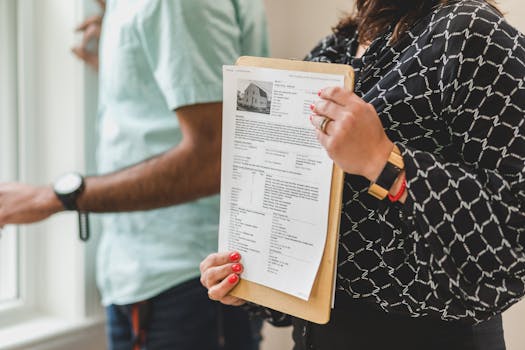
Real estate agent holding property documents on a clipboard in an office setting. Photo: RDNE Stock project / Pexels
Once you've confirmed your eligibility, the next significant phase in fulfilling the real estate license requirements US involves completing state-mandated pre-licensing education. This is arguably the most time-consuming and content-rich part of the process. The number of required hours varies dramatically, ranging from as little as 40 hours in some states to over 180 hours in others. For instance, states like Texas require 180 hours of pre-licensing coursework, while Florida mandates 63 hours. These courses are designed to equip aspiring agents with a comprehensive understanding of real estate principles, practices, laws, and ethics. Key topics typically covered include property law, contract law, agency relationships, financing, valuation, fair housing laws, and state-specific regulations. The goal is to ensure that every licensee possesses the fundamental knowledge necessary to represent clients competently and ethically. Pre-licensing education can be pursued through various approved channels: traditional classroom settings, online courses, or a hybrid approach. The flexibility of online courses has made it a popular option for many, allowing individuals to study at their own pace while balancing other commitments. However, it's vital to choose a school or provider that is officially approved by your state's real estate commission. Failing to do so could result in your coursework not being recognized, forcing you to repeat the education. Beyond the initial pre-licensing, some states also require post-licensing education within the first year or two of obtaining your license. This is often more focused on practical application and advanced topics, designed to bridge the gap between theoretical knowledge and real-world experience. Continuing education (CE) is also a lifelong requirement for all licensed agents and brokers. Every renewal cycle (typically every two or four years), agents must complete a certain number of CE hours to maintain their license. These courses ensure that professionals stay updated on changes in laws, market trends, and best practices, reinforcing the commitment to ongoing learning in a dynamic industry. Understanding the nuances of these educational mandates is critical for successful licensure and a sustained career in real estate.

Conquering the Exam: State Real Estate Licensing Examination Details

After diligently completing your pre-licensing education, the next major hurdle in the real estate license requirements US is passing the state real estate licensing examination. This exam is a comprehensive assessment designed to test your knowledge of both general real estate principles and state-specific laws. It's not uncommon for applicants to feel a significant amount of pressure at this stage, as the exam is often the final academic barrier to entry. The licensing exam is typically divided into two main parts: a national portion and a state-specific portion. The national portion covers universal real estate concepts such as property ownership, contracts, agency, finance, and valuation. This section is generally consistent across states, though the emphasis on certain topics might vary. The state-specific portion, as the name suggests, focuses on the unique laws, regulations, and practices pertinent to the state where you intend to practice. This includes topics like state license law, fair housing regulations specific to that state, and local customs. Both sections usually consist of multiple-choice questions, and you must pass both to obtain your license. Passing scores vary by state, but generally, a score of 70-75% or higher is required on each section. Preparation is key to success on the real estate exam. Many pre-licensing schools offer exam prep courses, practice tests, and study materials specifically designed to help candidates review the material and become familiar with the exam format. It's highly recommended to utilize these resources, as they can significantly improve your chances of passing on the first attempt. Some individuals may benefit from joining study groups or hiring tutors to reinforce challenging concepts. It's also important to be aware of the logistics: exams are usually administered by third-party testing centers, and you'll need to schedule your appointment in advance. There are often fees associated with taking the exam, and if you don't pass on the first try, you'll likely need to pay to retake it. Most states allow multiple retakes, but there may be waiting periods between attempts. Understanding the structure, content, and preparation strategies for the real estate licensing exam is paramount to successfully navigating this critical step in your journey to becoming a licensed agent. For further guidance on legal aspects, you might find our article on real estate law helpful.

Post-Exam Essentials: Application, Brokerage, and Maintaining Your License

Successfully passing the real estate licensing exam is a monumental achievement, but it's not the absolute final step in fulfilling the real estate license requirements US. After the exam, you must formally apply for your license with your state's real estate commission or department. This application typically involves submitting your exam results, proof of pre-licensing education completion, and undergoing a mandatory background check, which often includes fingerprinting. This background check is crucial and can take several weeks to process, so factor this into your timeline. Disclosing any past criminal history, even minor infractions, is vital; failure to do so can result in immediate denial or future revocation of your license. Honesty and transparency are highly valued in the licensing process. Once your application is approved and your background check clears, your state will issue your real estate license. However, in most states, this license is considered 'inactive' or 'pending' until you affiliate with a sponsoring broker. This requirement is in place because real estate agents, particularly those new to the field, operate under the supervision of an experienced broker. The broker provides guidance, training, and ensures compliance with real estate laws and ethical standards. Finding the right sponsoring broker is a critical decision. You'll want to interview several brokerages to find one that aligns with your career goals, offers comprehensive training, provides good support, and has a positive company culture. Commission splits, office fees, and lead generation opportunities are also important factors to consider. Once you've chosen a broker, they will typically help you complete the final paperwork to activate your license. Maintaining your license is an ongoing commitment. All states require continuing education (CE) hours to be completed before each license renewal cycle. These courses keep you updated on changes in real estate laws, market trends, and ethical practices. Ignoring CE requirements can lead to your license lapsing, requiring additional steps and fees to reinstate it. Staying compliant with all state regulations, including CE, escrow account rules, and advertising guidelines, is essential for a long and successful career in real estate. Neglecting these responsibilities can result in fines, suspension, or even revocation of your license, underscoring the importance of ongoing diligence and professionalism in the industry. Adhering to these post-exam essentials is just as important as the initial steps in securing your real estate license.

Comparison

Requirement CategoryTypical Range (Most States)Example: CaliforniaExample: FloridaExample: Texas
Minimum Age18-19 years old181818
High School Diploma/GEDRequiredRequiredRequiredRequired
Pre-Licensing Education Hours40-180 hours135 hours63 hours180 hours
Background Check/FingerprintingRequiredRequiredRequiredRequired
Exam Pass Rate (Approx.)50-70% (first attempt)50%50%50%
Broker Sponsorship Required
Continuing Education (Biennial)12-30 hours45 hours (first renewal), 20 hours (subsequent)14 hours18 hours

What Readers Say

"This guide was incredibly helpful in breaking down the complex real estate license requirements US for Texas. I felt overwhelmed before, but now I have a clear roadmap to follow for my pre-licensing education and exam prep."

Sarah J. · Austin, TX

"As someone looking to switch careers, understanding the real estate agent qualifications was my biggest hurdle. This article clearly outlined the steps for Florida, from education to finding a broker. Highly recommend!"

Mark D. · Orlando, FL

"Thanks to the detailed breakdown of real estate license requirements US, especially the California specifics, I passed my exam on the first try! The tips for exam prep were spot on and made a real difference."

Emily R. · San Diego, CA

"The information on pre-licensing education and background checks was very thorough. While some state-specific details still needed further research, this provided an excellent foundation for understanding the general requirements."

David L. · New York, NY

"I appreciated how this guide emphasized the importance of finding a sponsoring broker. It's a step many overlook, but crucial for activating your license and starting your real estate career effectively. Excellent resource!"

Jessica M. · Phoenix, AZ

Frequently Asked Questions

What is the average cost to get a real estate license in the US?

The total cost varies significantly by state and includes pre-licensing education (typically $200-$600), exam fees ($50-$100), application fees ($50-$300), and background check fees ($25-$75). Expect to spend anywhere from $300 to $1,500 in total, not including optional exam prep materials.

Can I get a real estate license if I have a criminal record?

It depends on the nature and recency of the conviction. Most states require a background check and may deny a license for felonies, especially those related to fraud or dishonesty. It's crucial to disclose all convictions upfront and consult with your state's real estate commission for specific guidance on eligibility.

How long does it typically take to get a real estate license?

The entire process, from starting pre-licensing education to receiving an active license, can take anywhere from 2 to 6 months. This timeline depends on the number of required education hours, your study pace, how quickly you schedule and pass the exam, and the processing time for your application and background check.

Are online real estate courses as good as in-person classes?

Yes, many online real estate courses are state-approved and provide a flexible, convenient, and often more affordable way to complete your pre-licensing education. The quality can vary, so ensure you choose a reputable and state-accredited online provider to guarantee your coursework is recognized.

What's the difference between a real estate agent and a real estate broker?

A real estate agent (or salesperson) is licensed to help clients buy, sell, or rent properties, but they must work under the supervision of a licensed real estate broker. A real estate broker has met additional experience and education requirements, passed a separate broker exam, and is licensed to operate independently and supervise other agents.

Who should pursue a real estate license?

A real estate license is ideal for individuals who are self-motivated, enjoy working with people, have strong communication and negotiation skills, and are passionate about property and helping others achieve their housing goals. It's suitable for those seeking a flexible career with uncapped earning potential.

What are the biggest risks or challenges in getting licensed?

The biggest challenges include the time commitment for education, the difficulty of the state exam, and the initial financial investment without guaranteed income. Another risk is failing to disclose past legal issues, which can lead to license denial. Finding the right sponsoring broker is also a critical step that requires careful consideration.

How might AI or technology impact future real estate license requirements?

While core ethical and legal requirements will likely remain, future license requirements might incorporate more training on using AI-powered tools for market analysis, digital marketing, and virtual tours. There could also be increased emphasis on data privacy and cybersecurity best practices as technology integrates further into real estate transactions.

Navigating the real estate license requirements US can seem daunting, but with this comprehensive guide, you're now equipped with the knowledge to confidently pursue your real estate career. Take the first step today and unlock your potential in the dynamic world of real estate.

Topics: real estate license requirements UShow to get a real estate licensereal estate agent qualificationsreal estate exam preparationbroker license requirements
Leo List
Brampton weed
Adultwork