✓ Duplexes offer a unique blend of homeownership and investment.
✓ Rental income can significantly offset mortgage payments, sometimes covering them entirely.
✓ Owner-occupancy allows for favorable FHA loan terms with lower down payments.
✓ Property management responsibilities are a key consideration for duplex owners.
How It Works
1
Evaluate Your Goals
Determine if you're looking for owner-occupancy to reduce housing costs or purely for investment income. Your primary goal will influence your search and financing options.
2
Secure Financing
Explore loan options like FHA (for owner-occupants), conventional, or VA loans. Get pre-approved to understand your budget and strengthen your offers.
3
Find the Right Property
Work with a real estate agent experienced in multi-family homes. Focus on location, rental demand, property condition, and potential rental income.
4
Manage and Maintain
Once purchased, decide whether to self-manage or hire a property manager. Be prepared for landlord responsibilities, including maintenance, tenant screening, and rent collection.
The Allure of Duplex Ownership: A Deep Dive into the Advantages
Photo: Kindel Media / Pexels
For many aspiring homeowners and real estate investors in the US, the concept of buying a duplex holds a particular appeal. It's not just about acquiring a property; it's about potentially acquiring a lifestyle, a financial advantage, and a tangible asset that works for you. One of the most significant advantages, especially for first-time homebuyers, is the ability to offset your mortgage payment with rental income. Imagine living in one unit and having your tenant's rent cover a substantial portion, or even the entirety, of your monthly housing expense. This 'house hacking' strategy can dramatically reduce your personal cost of living, freeing up capital for other investments, savings, or simply a higher quality of life. This financial relief can be a game-changer, especially in expensive housing markets, making homeownership accessible where it might otherwise be out of reach. Understanding real estate markets is crucial here.
Beyond just covering the mortgage, a duplex offers a clear path to building equity faster. With two income streams (one from rent, one from your own housing cost savings), you're essentially building equity on two fronts. As property values appreciate over time, you're gaining wealth on a larger asset than a single-family home. This accelerated equity growth can be a powerful wealth-building tool, allowing you to leverage that equity for future investments or financial goals. Moreover, the tax advantages associated with owning a rental property are substantial. You can typically deduct expenses such as mortgage interest, property taxes, insurance, maintenance, and even depreciation. These deductions can significantly reduce your taxable income, further enhancing the financial attractiveness of duplex ownership. It’s important to consult with a tax professional to understand the specific deductions applicable to your situation.
Another compelling benefit is the flexibility it offers. If your family grows, you might consider converting the duplex into a larger single-family home (where zoning allows) or moving into the other unit yourself. Conversely, if your needs change, you could move out of your unit and rent both sides, turning it into a pure investment property. This adaptability makes a duplex a resilient asset that can evolve with your life circumstances. The proximity to your tenants, if you owner-occupy, also offers a unique advantage. You can respond quickly to maintenance issues, foster a good landlord-tenant relationship, and keep a close eye on your investment without needing to travel far. This hands-on approach can lead to better tenant retention and property upkeep, protecting your asset's value and income stream. Ultimately, buying a duplex isn't just buying a home; it's investing in a multi-faceted financial strategy that can provide immediate financial relief and long-term wealth accumulation.
Navigating the Challenges: The Disadvantages of Duplex Ownership
Photo: Nicola Barts / Pexels
While the benefits of owning a duplex are attractive, it's crucial to approach this investment with a clear understanding of its potential drawbacks. One of the most common challenges is the added responsibility of being a landlord. This isn't just about collecting rent; it involves tenant screening, managing leases, handling maintenance requests (often at inconvenient times), and potentially dealing with difficult tenant situations. If you're not prepared for these responsibilities, or if you lack the time and temperament, the dream of passive income can quickly turn into a significant source of stress. Hiring a property manager is an option, but it comes at a cost, typically 8-12% of the monthly rent, which eats into your profit margins.
Financing a duplex can also present its own set of hurdles. While owner-occupied duplexes often qualify for favorable loan terms like FHA loans with lower down payments, a purely investment duplex will typically require a larger down payment and may come with higher interest rates than a single-family home. Lenders perceive investment properties as having a higher risk, which is reflected in their lending terms. This means you might need more capital upfront than you initially anticipated, or your monthly mortgage payments could be higher. Furthermore, the search for a suitable duplex can be more challenging. Multi-family properties are less common than single-family homes in many markets, and finding one that meets your criteria for location, condition, and potential rental income can take longer and require more diligent searching. You'll also need to factor in the local rental market dynamics, including vacancy rates and average rents, to accurately project your income.
Another significant disadvantage is the lack of privacy, especially if you owner-occupy one unit. Living next door to your tenants means you're always on call, and the lines between landlord and neighbor can become blurred. Noise, shared outdoor spaces, and the general proximity can impact your sense of personal space and quiet enjoyment of your home. This is a lifestyle consideration that should not be underestimated. Lastly, maintenance costs for a duplex are generally higher than for a single-family home simply because you have two units to maintain. Two kitchens, two bathrooms, two HVAC systems (or one larger, more complex system), and more wear and tear from two households mean more frequent repairs and higher overall maintenance budgets. Unexpected major repairs, like a roof replacement or a new furnace, can be financially burdensome if you haven't adequately saved for them. It's essential to factor in these higher operational costs when calculating your potential returns and overall financial feasibility.
Financial Considerations and Investment Strategies for Duplexes
Photo: Clay Elliot / Pexels
Delving deeper into the financial aspects of buying a duplex reveals both significant opportunities and critical considerations for potential investors. One of the primary financial attractions is the potential for positive cash flow. When structured correctly, the rental income from the second unit can not only cover the entire mortgage payment but also generate additional income each month. This surplus cash can be reinvested, used for personal savings, or applied to accelerate mortgage payoff, further enhancing your financial position. However, achieving positive cash flow requires careful analysis of the property's purchase price, potential rental income, operating expenses (including property taxes, insurance, utilities, and maintenance reserves), and financing terms. A thorough financial pro forma is indispensable before making an offer. Calculating ROI in real estate is key.
The leverage aspect of real estate investing is particularly pronounced with duplexes. By utilizing a mortgage, you're controlling a larger asset with a relatively smaller amount of your own capital. As the property appreciates, your return on investment (ROI) can be significantly magnified compared to simply investing in stocks or bonds. For instance, if you put down 20% on a $400,000 duplex, you've invested $80,000 to control an asset that could appreciate across its entire $400,000 value. This leverage can accelerate wealth building, but it also amplifies risk if the market declines. It's a double-edged sword that requires careful consideration of market conditions and personal risk tolerance.
Another strategic advantage is the ability to qualify for more favorable loan programs. For owner-occupants, the FHA loan is a standout. It allows for down payments as low as 3.5% for multi-unit properties (up to four units), making it significantly easier to enter the real estate market. This low down payment option means you can begin building equity and generating rental income with less upfront capital, a major boon for first-time buyers or those with limited savings. However, FHA loans come with mortgage insurance premiums (MIP) that can add to your monthly costs, and there are property condition requirements that must be met. Conventional loans also offer options for multi-family properties, often requiring a 15-25% down payment, depending on whether it's owner-occupied or purely an investment. Understanding the nuances of each loan type and how they apply to duplexes is crucial for optimizing your investment strategy and securing the best possible terms.
Finally, the concept of a 'built-in exit strategy' adds to the financial appeal. Should you decide to move, you have the option to rent out your former unit, converting the duplex into a full-fledged income property. This flexibility provides a safety net and maximizes the asset's utility over time. Alternatively, you could sell it to another owner-occupant looking for the same benefits you initially sought, or to an investor seeking cash flow. The demand for multi-family properties often remains strong, offering various pathways for future decisions.
Tips for Successful Duplex Ownership and Common Mistakes to Avoid
Photo: Lisa from Pexels / Pexels
To maximize the benefits and mitigate the risks of owning a duplex, a strategic approach is essential. Here are some key tips for success and common pitfalls to steer clear of.
**Tips for Successful Duplex Ownership:**
* **Thorough Due Diligence:** Don't just look at the pretty pictures. Research the neighborhood extensively, including crime rates, school districts, local amenities, and future development plans. Understand the local rental market – average rents, vacancy rates, and tenant demographics are critical. Get a comprehensive home inspection, paying close attention to major systems like HVAC, plumbing, electrical, and the roof. An inspection for two units is more complex than for one.
* **Budget for Vacancy and Maintenance:** Always factor in a vacancy rate (e.g., 5-10% of gross potential rent) and allocate a significant portion of your rental income (e.g., 10-15%) for repairs and capital expenditures. Unexpected costs are guaranteed in real estate, and having a reserve fund prevents financial strain.
* **Screen Tenants Meticulously:** This is perhaps the most crucial aspect of successful landlordship. Conduct background checks, credit checks, employment verification, and speak to previous landlords. A bad tenant can quickly erode your profits and create immense stress. Establish clear lease agreements and adhere to all fair housing laws.
* **Set Clear Boundaries (if Owner-Occupying):** If you live in one unit, establish professional boundaries with your tenants from the start. While being a good neighbor is fine, avoid becoming overly friendly or letting personal relationships interfere with business decisions. Have a clear process for maintenance requests and rent collection.
* **Understand Landlord-Tenant Laws:** State and local laws regarding leases, evictions, security deposits, and maintenance responsibilities vary significantly. Educate yourself or consult with a legal professional to ensure full compliance and avoid costly legal issues.
**Common Mistakes to Avoid:**
* **Underestimating Expenses:** Many first-time duplex owners focus solely on the mortgage and potential rent, forgetting about property taxes, insurance, utilities (if covered by landlord), potential HOA fees, and ongoing maintenance. Always create a detailed pro forma that includes all potential expenses.
* **Failing to Qualify Tenants Properly:** Rushing to fill a vacancy can lead to problematic tenants. A vacant unit for a month or two is often less costly than dealing with a tenant who doesn't pay rent or damages the property.
* **Neglecting Property Maintenance:** Delaying necessary repairs can lead to larger, more expensive problems down the line and can also strain tenant relationships. Regular maintenance not only preserves the property's value but also keeps tenants happy and reduces turnover.
* **Mixing Personal and Business Finances:** Keep separate bank accounts for your rental property income and expenses. This simplifies accounting, tax preparation, and provides a clear picture of your investment's performance.
* **Ignoring Market Conditions:** Don't buy a duplex just because it's a duplex. Research the local market to ensure there's strong rental demand and potential for appreciation. A great property in a declining neighborhood can still be a poor investment.
Comparison
Feature
Duplex (Owner-Occupied)
Single-Family Home
Duplex (Pure Investment)
Initial Down Payment
Low (e.g., 3.5% FHA)
Standard (e.g., 5-20%)
Higher (e.g., 20-25%)
Mortgage Offset
High (rental income)
None
High (rental income)
Landlord Responsibilities
Moderate (1 tenant)
None
High (2 tenants)
Privacy
Reduced
High
N/A (not living there)
Equity Building Pace
Accelerated
Standard
Accelerated
Tax Deductions
Significant
Standard (homeowner)
Significant
Flexibility
High (convert or move)
Moderate
High (sell or re-rent)
Maintenance Complexity
Higher (two units)
Standard
Higher (two units)
What Readers Say
★★★★★
"Buying a duplex was the best financial decision I've made. My tenant's rent covers 70% of my mortgage, making homeownership affordable in a competitive market. The learning curve for landlord duties was steep, but totally worth it for the equity I'm building."
Sarah J. · Austin, TX
★★★★★
"I initially worried about the lack of privacy, but setting clear boundaries with my tenants resolved most issues. The financial benefits of my owner-occupied duplex are undeniable, allowing me to save aggressively and invest more."
Mark P. · Denver, CO
★★★★★
"Our duplex has allowed us to live in a fantastic neighborhood we otherwise couldn't afford. After just three years, the property has appreciated significantly, and we're considering using the equity for our next investment. It's a fantastic stepping stone."
Jessica L. · Portland, OR
★★★★★
"While the rental income is great, the occasional late-night maintenance call is a definite downside. It's not truly passive income, but the long-term financial gains from our duplex still make it a worthwhile investment for us."
David R. · Chicago, IL
★★★★★
"As a pure investment, our duplex has consistently provided strong cash flow and has been a reliable asset in our portfolio. We hired a property manager, which cut into profits but freed us from landlord responsibilities, making it a truly hands-off experience."
Emily C. · Atlanta, GA
Frequently Asked Questions
What are the main pros and cons of buying a duplex for a first-time homebuyer?
For first-time homebuyers, a major pro is the ability to use rental income to offset mortgage payments, making homeownership more affordable and building equity faster. The availability of FHA loans with low down payments is also a significant advantage. However, the cons include taking on landlord responsibilities, potential lack of privacy if owner-occupying, and higher maintenance costs compared to a single-family home.
Is buying a duplex a good investment in today's real estate market?
Whether buying a duplex is a good investment depends heavily on local market conditions, your financial goals, and your willingness to be a landlord. In markets with strong rental demand and appreciating property values, duplexes can offer excellent cash flow and long-term equity growth. Always conduct thorough market research and financial analysis specific to your target area.
How do I finance a duplex, especially if I plan to live in one unit?
If you plan to live in one unit of the duplex, you can often qualify for an FHA loan, which allows for down payments as low as 3.5% for multi-unit properties. Conventional loans are another option, typically requiring a 5-20% down payment for owner-occupied multi-family homes. For purely investment duplexes, down payment requirements are usually higher, often 20-25%.
What are the typical costs associated with owning a duplex beyond the mortgage?
Beyond the mortgage, duplex owners should budget for property taxes, homeowner's insurance (which may be higher for rental properties), utilities (if you cover them for tenants or common areas), ongoing maintenance and repairs, potential HOA fees, and a vacancy reserve. It's also wise to set aside funds for larger capital expenditures like roof replacement or HVAC systems.
How does owning a duplex compare to owning a single-family home as an investment?
Owning a duplex generally offers higher potential for cash flow and accelerated equity building due to multiple income streams. However, it also comes with increased landlord responsibilities and potentially higher maintenance costs. A single-family home typically offers more privacy and simpler management but lacks the immediate rental income offset.
Who should consider buying a duplex?
Buying a duplex is ideal for individuals or families looking to reduce their housing costs, build equity faster, or generate passive income. It's particularly well-suited for first-time homebuyers who want to get into the real estate market with a lower down payment, or for seasoned investors looking to expand their portfolio with income-generating properties.
What are the biggest risks involved in duplex ownership?
The biggest risks include tenant-related issues (vacancies, non-payment, property damage), unexpected major repairs, declining property values in a downturned market, and potential legal disputes with tenants if landlord-tenant laws are not followed. Inadequate tenant screening and insufficient budgeting for expenses are common pitfalls.
What future trends might impact the value of duplexes?
Future trends like increasing housing density in urban and suburban areas, a continued demand for affordable housing options, and changing zoning laws that favor multi-family development could positively impact duplex values. Conversely, rising interest rates, economic downturns, or shifts in remote work trends affecting rental demand in specific areas could pose challenges.
Understanding the pros and cons of buying a duplex is the first step towards making an informed real estate decision. Whether you're seeking to reduce housing costs, build wealth, or diversify your investment portfolio, a duplex offers a unique path. Arm yourself with knowledge, conduct thorough due diligence, and you could unlock a rewarding real estate venture.
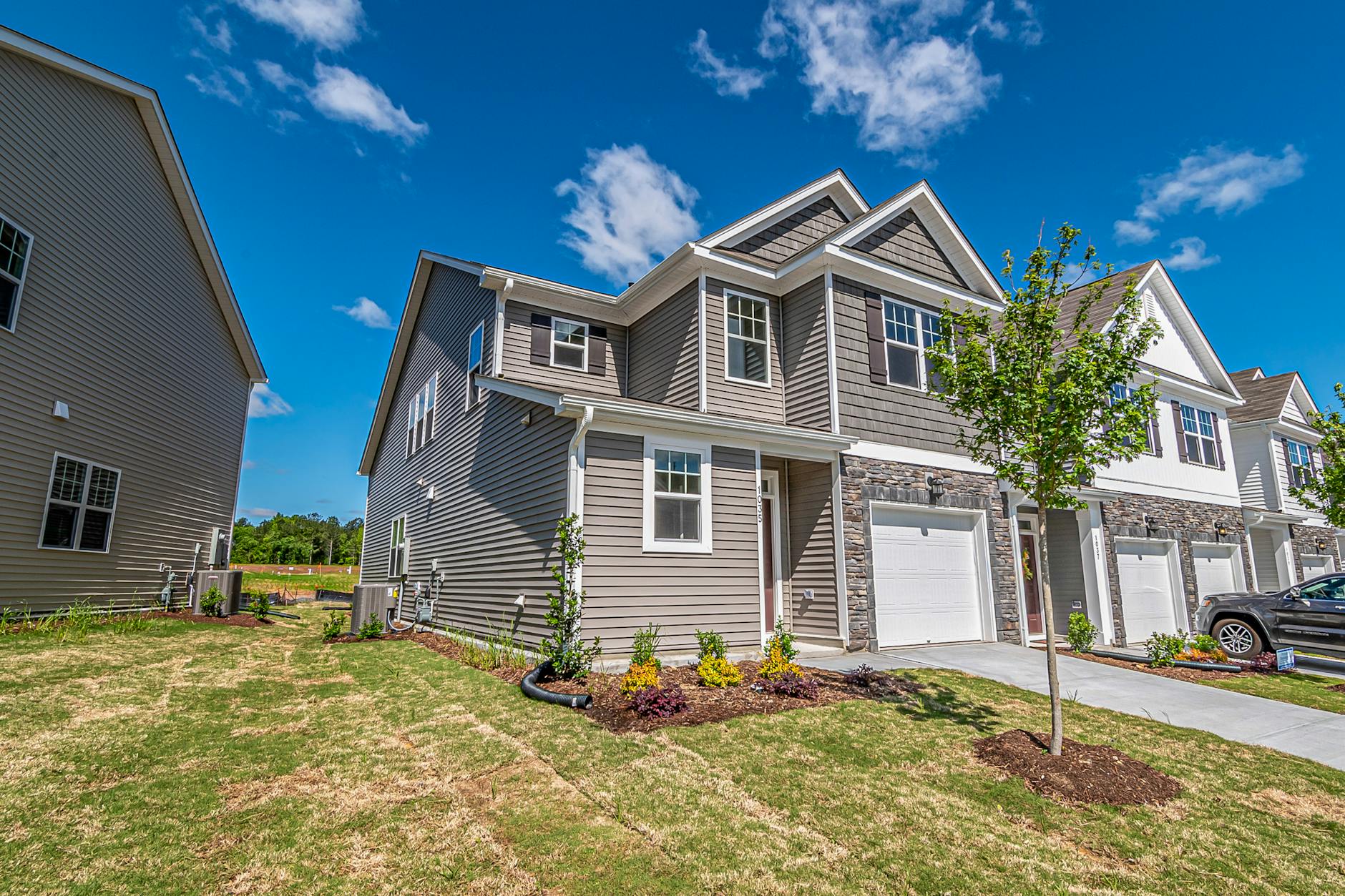
 Photo: Kindel Media / Pexels
 Photo: Nicola Barts / Pexels
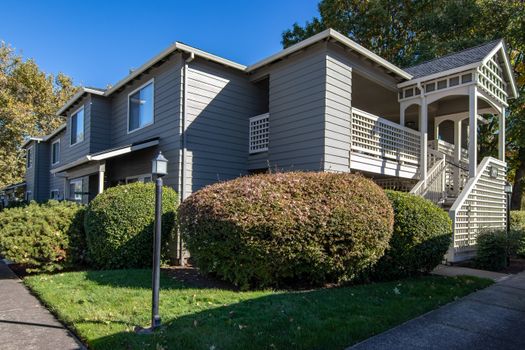 Photo: Clay Elliot / Pexels
 Photo: Lisa from Pexels / Pexels