The Pros and Cons of Buying a Duplex: Your Ultimate Guide
pros and cons of buying a duplex

The Pros and Cons of Buying a Duplex: Your Ultimate Guide

Explore the financial freedom and potential challenges of duplex ownership to make a smart real estate investment.

Discover Duplex Potential

Key Takeaways

  • ✓ Duplexes offer a unique blend of homeownership and investment.
  • ✓ Rental income can significantly offset mortgage payments.
  • ✓ Property management can be time-consuming, especially for owner-occupants.
  • ✓ Financing options for duplexes often differ from single-family homes.

How It Works

1
Identify Your Investment Goals

Determine if you're seeking a primary residence with income, a pure investment, or a stepping stone to larger portfolios. Your goals will shape your search criteria and financing approach.

2
Secure Financing & Pre-Approval

Explore loan options like FHA (for owner-occupants), conventional, or VA loans for multi-unit properties. Get pre-approved to understand your budget and strengthen your offer.

3
Search & Evaluate Properties

Work with a real estate agent experienced in multi-family homes. Analyze potential rental income, property condition, neighborhood desirability, and local market trends.

4
Close & Manage Your Investment

After closing, prepare your second unit for tenants, screen applicants thoroughly, and establish clear lease agreements. Decide if you'll self-manage or hire a property manager.

Understanding Duplex Ownership: A Smart Investment Strategy

A hand points a pen at business graphs on a wooden table, highlighting data analysis. Photo: Lukas Blazek / Pexels
Investing in a duplex can be a transformative step for many real estate enthusiasts, offering a unique blend of personal residence and income-generating asset. Unlike a single-family home, a duplex contains two separate living units within one structure, providing distinct advantages and challenges. For those considering their first foray into real estate investment, or even seasoned investors looking to diversify, understanding the nuances of duplex ownership is paramount. The appeal often lies in the concept of 'house hacking,' where an owner lives in one unit and rents out the other, effectively using the tenant's rent to subsidize or even cover their own mortgage payment. This strategy can drastically reduce housing costs, allowing owners to build equity faster and free up personal finances for other investments or lifestyle choices. Beyond the immediate financial relief, duplexes also offer a more accessible entry point into multi-family real estate compared to larger apartment buildings, which typically require significantly more capital and experience. The management overhead, while present, is generally less complex than that of a larger portfolio, making it a manageable step for new landlords. However, it's crucial to approach this investment with a clear understanding of what it entails. While the passive income potential is attractive, duplex ownership demands active participation. This includes everything from finding and screening tenants to handling maintenance requests, managing leases, and navigating landlord-tenant laws. The responsibility shifts from merely owning a home to operating a small business. Therefore, individuals considering this path must assess their comfort level with these duties or factor in the cost of hiring a property management company. The market dynamics for duplexes can also differ from single-family homes, influenced by local rental demand, vacancy rates, and the overall economic health of the area. A thorough market analysis, including comparable rental rates and property values, is essential to project realistic income and appreciation. For a deeper dive into market analysis, consider exploring resources on real estate market trends. Understanding these foundational aspects will set the stage for a more informed decision-making process, weighing the significant financial advantages against the operational commitments. The journey of duplex ownership is one of learning and adaptation, but for many, the rewards far outweigh the initial hurdles, paving a path to long-term financial stability and wealth creation.

The Financial Benefits and Income Potential of Duplexes

Wooden mannequin with house model, coins, and hourglass symbolizing financial planning. Photo: Picas Joe / Pexels
One of the most compelling reasons to consider buying a duplex is the significant financial advantage it offers. The primary benefit is the ability to generate rental income from one unit while living in the other. This 'house hacking' strategy can dramatically reduce or even eliminate your personal housing expenses, which for many, is their largest monthly outflow. Imagine paying a fraction of your mortgage, or even having it fully covered, allowing you to save more, invest further, or simply enjoy greater financial freedom. This direct offset of housing costs accelerates your equity growth, as more of your mortgage payment goes towards principal rather than being solely an expense. Furthermore, the property itself can appreciate in value over time, providing a dual benefit of rental income and capital gains. Real estate has historically been a strong hedge against inflation, and owning an income-producing asset like a duplex positions you well to benefit from this trend. Beyond just covering your mortgage, the rental income can also contribute to covering other property-related expenses such as property taxes, insurance, and maintenance. This holistic approach to cost management makes duplex ownership a powerful tool for building wealth. When it comes to financing, duplexes often qualify for favorable loan terms, especially for owner-occupants. Programs like FHA loans allow buyers to purchase multi-unit properties with lower down payments (as low as 3.5%) compared to conventional investment property loans, which typically require 20-25% down. This accessibility makes duplex ownership a viable option for many first-time homebuyers who might otherwise struggle to afford a single-family home in competitive markets. The ability to qualify for an FHA loan for a multi-unit property is a game-changer, as the projected rental income from the second unit can often be used to help qualify for a larger loan amount. This expands your purchasing power and opens up opportunities that would be inaccessible with a single-family home. Moreover, once the property is paid off, the rental income transforms into a substantial, recurring revenue stream, offering long-term financial security and potential for early retirement. This transition from expense reduction to pure income generation is a key long-term goal for many duplex investors, solidifying its position as a strategic asset for financial growth.

Navigating the Challenges: Risks and Responsibilities of Duplex Ownership

A document with Scrabble tiles spelling 'AGREEMENT' and two pens, symbolizing contract signing. Photo: RDNE Stock project / Pexels
While the allure of rental income and reduced housing costs is strong, it's crucial to acknowledge the inherent challenges and responsibilities that come with duplex ownership. The most significant shift is the transition from a homeowner to a landlord. This role demands a different set of skills and a significant time commitment. You become responsible for tenant screening, lease agreements, rent collection, and addressing maintenance issues. This can range from minor repairs like a leaky faucet to major emergencies such as a burst pipe in the middle of the night. Living next door to your tenants, while convenient for some management tasks, can also blur the lines between personal and professional life, potentially leading to discomfort or privacy concerns. It's essential to establish clear boundaries and maintain a professional demeanor at all times. Vacancy risk is another major consideration. If one unit sits empty, you lose that projected rental income, and suddenly, you're responsible for the entire mortgage and expenses yourself. This can put a strain on your finances if you haven't built up an adequate emergency fund. Tenant turnover also incurs costs, including cleaning, repairs, marketing the unit, and potential lost rent during the vacancy period. Furthermore, landlord-tenant laws vary significantly by state and even by municipality. Understanding and complying with these regulations, including fair housing laws, eviction procedures, and security deposit rules, is critical to avoid legal complications. Ignorance of these laws is not a valid defense and can lead to costly fines or lawsuits. For complex legal matters, consulting with a real estate attorney is always advisable. Property maintenance costs for a duplex are also generally higher than for a single-family home. You have two sets of appliances, two kitchens, two bathrooms, and potentially two separate utility systems to maintain. Unexpected repairs can significantly eat into your profits, making a robust emergency fund and proactive maintenance plan indispensable. Finally, the resale market for duplexes can be more niche than for single-family homes, potentially affecting liquidity and sale timelines when you eventually decide to sell. While the rewards are substantial, a realistic assessment of these challenges is vital for successful duplex ownership.

Tips for Successful Duplex Investment and Common Mistakes to Avoid
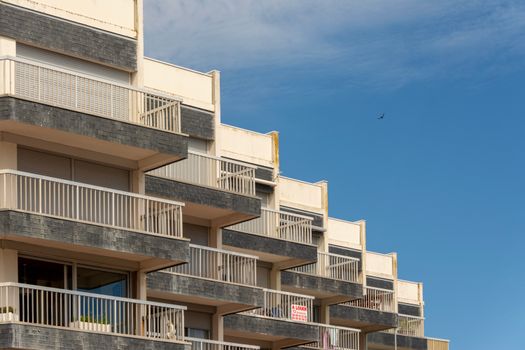
A modern apartment building with distinct balconies against a clear blue sky. Photo: Jan van der Wolf / Pexels
To maximize your success and mitigate the risks associated with duplex ownership, a strategic approach is essential. Firstly, thorough due diligence is non-negotiable. Beyond the superficial appeal, delve deep into the property's condition, rental history, and the local rental market. Get a comprehensive inspection to uncover any hidden issues that could lead to expensive repairs down the line. Research comparable rental rates in the area to set competitive and profitable rents. Secondly, vet your tenants meticulously. A rigorous screening process, including credit checks, background checks, employment verification, and landlord references, can save you immense headaches and financial losses in the long run. Bad tenants can cause property damage, pay rent late, or even require lengthy and costly eviction processes. Thirdly, establish clear and comprehensive lease agreements. These documents should outline all terms and conditions, including rent due dates, late fees, maintenance responsibilities, pet policies, and rules regarding common areas. Clarity upfront minimizes misunderstandings and provides a legal framework if disputes arise. Fourth, always maintain an adequate emergency fund specifically for the property. This fund should ideally cover several months of mortgage payments and potential repair costs. Unexpected vacancies or major repairs are inevitable in real estate, and being financially prepared is crucial. Common mistakes to avoid include: * **Underestimating Expenses:** Many new landlords only factor in the mortgage and forget about property taxes, insurance, maintenance, vacancies, and potential property management fees. * **Poor Tenant Screening:** Rushing to fill a vacancy can lead to problematic tenants, causing more stress and financial loss than a short vacancy. * **Ignoring Local Laws:** Failing to understand and comply with landlord-tenant laws can result in costly legal battles and fines. * **Lack of Professional Boundaries:** Becoming too friendly with tenants can make it difficult to enforce lease terms or collect rent when issues arise. * **Neglecting Maintenance:** Postponing necessary repairs can lead to more significant, more expensive problems and unhappy tenants. * **Failing to Budget for Vacancy:** Assume you will have periods where a unit is empty and save accordingly. By proactively addressing these areas, you can significantly enhance your chances of a profitable and less stressful duplex ownership experience, turning a potential challenge into a rewarding investment. Effective property management is the backbone of a successful real estate venture, especially when living on-site.

Comparison

FeatureDuplex (Owner-Occupied)Single-Family HomeLarge Apartment Building
Housing Cost OffsetHigh (rental income)NoneHigh (multiple units)
Management ComplexityModerateLowHigh
Entry CapitalModerate (FHA eligible)Low to ModerateHigh
PrivacyReducedHighReduced
Financing OptionsGood (owner-occupant loans)ExcellentLimited (commercial loans)
Equity Building SpeedFasterStandardFastest

What Readers Say

"Buying a duplex was the best financial decision I've made. The rental income from the other unit covers 70% of my mortgage, allowing me to save so much more. It's a lot of work being a landlord, but totally worth the financial freedom."

Sarah J. · Austin, TX

"We bought a duplex as our first home and it's been fantastic. We found great tenants who are quiet and respectful, and the extra income is a huge relief. The pros and cons of buying a duplex definitely lean towards the pros for us."

Mark T. · Denver, CO

"Initially, I was intimidated by the landlord aspect, but with good screening, I've had wonderful tenants for years. My duplex has appreciated significantly, and the rent has always helped me cover expenses, resulting in solid cash flow."

Emily R. · Portland, OR

"While the financial benefits of my duplex are undeniable, managing repairs and tenant communication can be challenging, especially when living next door. It requires a thick skin and good organizational skills, but the equity build-up is fantastic."

David L. · Chicago, IL

"As a single professional, buying a duplex allowed me to afford a home in a great neighborhood I otherwise couldn't. I've learned a lot about property management, and it's given me a passive income stream that I wouldn't trade."

Jessica M. · Atlanta, GA

Frequently Asked Questions

What are the primary financial benefits of buying a duplex?

The primary financial benefits include using rental income from one unit to offset your mortgage payment, accelerating equity growth, and potentially achieving financial independence sooner. Duplexes can also qualify for owner-occupant friendly loans like FHA with lower down payments, making them more accessible than larger investment properties.

Is it harder to get a loan for a duplex than a single-family home?

Not necessarily, especially if you plan to owner-occupy. For owner-occupants, loans like FHA and conventional loans allow for multi-unit properties (up to four units) with favorable terms. Lenders often consider the projected rental income from the other unit(s) when assessing your borrowing capacity, which can actually make it easier to qualify for a larger loan.

How do I find good tenants for my duplex?

Finding good tenants involves a multi-step process: advertise effectively, conduct thorough tenant screenings including credit and background checks, verify employment and income, and contact previous landlords for references. Establish clear rental criteria and stick to them to ensure you find reliable renters.

What are the typical ongoing costs associated with owning a duplex?

Ongoing costs include mortgage payments, property taxes, homeowner's insurance (which may be higher for an investment property), utilities (if not separated or paid by tenants), routine maintenance, repairs, potential vacancy costs, and sometimes property management fees. It's crucial to budget for these expenses to ensure profitability.

How does living next to your tenants impact landlord duties?

Living next to your tenants can make property management more convenient for quick repairs and communication, but it can also blur personal boundaries. It's vital to maintain a professional landlord-tenant relationship, establish clear communication protocols, and respect each other's privacy to avoid potential discomfort or disputes.

Who should consider buying a duplex?

Individuals looking to reduce their housing costs, first-time homebuyers wanting to enter the real estate market with an income-generating asset, those seeking to build wealth through real estate, or investors looking for a manageable entry point into multi-family properties should consider buying a duplex. It's ideal for those willing to take on landlord responsibilities.

What are the biggest risks of duplex ownership?

The biggest risks include tenant issues (e.g., late payments, property damage), vacancy periods, unexpected major repairs, and the legal complexities of landlord-tenant laws. These risks can lead to financial losses and increased stress if not managed proactively and with sufficient financial reserves.

How might the duplex market evolve in the coming years?

With increasing housing costs and a growing demand for affordable housing, duplexes are likely to remain a popular investment and living solution. Urbanization trends and changing demographics may further boost their appeal, making them a resilient asset class in many markets, especially for those seeking financial flexibility and wealth building.

Understanding the pros and cons of buying a duplex is the first step toward a potentially lucrative real estate investment. Weigh the financial benefits against the responsibilities to determine if this unique property type aligns with your personal and financial goals. Take control of your housing costs and build equity with a smart duplex purchase.

Topics: pros and cons of buying a duplexduplex investment propertyhouse hackingrental property benefitsreal estate investment strategy
Leo List
Brampton weed
Adultwork EstrelaBet Vai de Bet R7 Bet Betão Galera Bet Rainbet Bet9ja Shop SportyBet BetKing Sisal Loto Foot Hollywoodbets YesPlay Odibets RushBet Jugabet BetWarrior BetCity MSport betPawa Fortebet