Discover Your Dream: New Construction Homes US
new construction homes US

Discover Your Dream: New Construction Homes US

Unlock the benefits of modern living with a brand-new home, tailored to your lifestyle and built for the future.

Find Your New Home

Key Takeaways

  • ✓ New construction homes often come with builder warranties, offering peace of mind for buyers.
  • ✓ Many new homes are built with advanced energy-efficient features, leading to lower utility bills.
  • ✓ Buyers often have the opportunity to customize finishes and upgrades in new construction.
  • ✓ The median sales price for new homes in the US typically differs from existing homes, influenced by market conditions and features.

How It Works

1
Define Your Vision & Budget

Before exploring, clearly outline your must-haves, desired location, and financial boundaries. This foundational step streamlines your search and ensures you focus on attainable options.

2
Research Builders & Communities

Investigate reputable builders in your target regions, examining their past projects, reviews, and available communities. Understand the different types of new construction, from spec homes to custom builds.

3
Visit Model Homes & Sites

Experience potential homes firsthand by touring model homes and visiting construction sites. This provides crucial insight into floor plans, finishes, and the overall community atmosphere.

4
Secure Financing & Close

Work with lenders experienced in new construction, as financing timelines can differ. Once approved, navigate the purchase agreement, inspections, and final walk-throughs to successfully close on your new home.

The Allure of Brand-New Homes for Sale
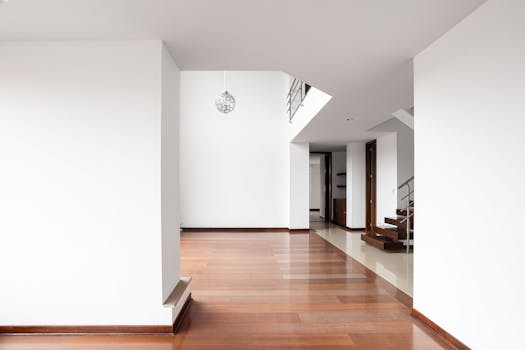
Spacious minimalist apartment interior with wooden flooring in Bogotá, Colombia. Photo: Gustavo Galeano Maz / Pexels
The dream of owning a home is a fundamental aspect of the American experience, and for many, that dream is best realized through the pristine appeal of new construction homes US. Unlike existing properties, a brand-new home offers a unique blend of modern design, cutting-edge technology, and unparalleled comfort. Imagine stepping into a space where every fixture, every appliance, and every paint stroke is fresh and untouched, waiting for your personal imprint. This inherent freshness is a significant draw, eliminating the need for immediate renovations or costly repairs often associated with older homes. Beyond aesthetics, new construction homes are designed to meet contemporary living standards. Open-concept floor plans, for instance, are a hallmark, fostering a sense of spaciousness and connectivity that aligns with modern family dynamics and entertaining preferences. Kitchens are often the heart of these homes, featuring state-of-the-art appliances, expansive islands, and thoughtful layouts that cater to both culinary enthusiasts and busy families. Bathrooms are transformed into spa-like retreats, with dual vanities, walk-in showers, and luxurious finishes that elevate daily routines. The integration of smart home technology is another compelling factor, allowing homeowners to control lighting, climate, security, and entertainment systems with ease, enhancing convenience and efficiency. One of the most practical advantages of new construction is the inherent energy efficiency. Builders today are incorporating advanced building materials, superior insulation, high-performance windows, and energy-efficient HVAC systems as standard. This commitment to sustainability not only reduces your carbon footprint but also translates into significant savings on monthly utility bills – a tangible benefit that adds up over the years. Furthermore, new homes are built to stricter, updated building codes, ensuring a higher standard of structural integrity and safety compared to properties constructed decades ago. This adherence to modern regulations provides an invaluable layer of security and peace of mind for homeowners. The appeal extends to the community itself, as many new developments are meticulously planned, offering amenities like parks, walking trails, community centers, and sometimes even schools and commercial spaces, fostering a vibrant and cohesive neighborhood environment. This holistic approach to community development creates a lifestyle, not just a place to live. Exploring the market for real estate in these burgeoning communities can reveal hidden gems and opportunities for long-term growth and satisfaction. The journey of finding and customizing a new construction home is an exciting one, offering the chance to shape your living space from the ground up and enjoy the benefits of a truly modern dwelling.

Customization, Warranties, and Long-Term Value
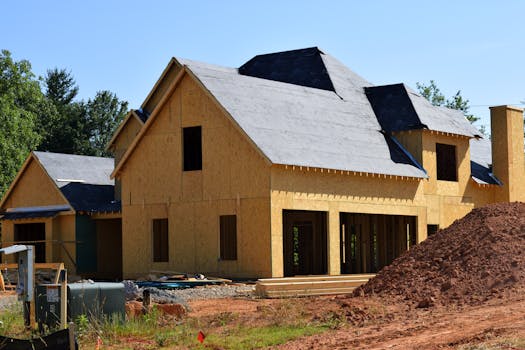
A partially built wooden house under construction, showcasing its progress and design in daylight. Photo: Pixabay / Pexels
One of the most compelling aspects of purchasing new construction homes US is the unprecedented opportunity for customization. Unlike buying an existing home where you often inherit someone else's design choices, new construction allows you to be an active participant in shaping your living space. From selecting flooring materials, cabinet finishes, and countertop styles to choosing paint colors, lighting fixtures, and even structural options like adding a sunroom or an extra bedroom, the power to personalize is immense. This level of customization ensures that your new home truly reflects your personal taste, lifestyle, and functional needs from day one, eliminating the compromise that often comes with pre-owned properties. Imagine moving into a home where every detail, from the backsplash in your kitchen to the tile in your master bath, is exactly as you envisioned it, rather than settling for what's already there. Beyond aesthetics, new construction typically comes with robust builder warranties, providing a crucial safety net for homeowners. These warranties often cover different aspects of the home for varying periods. For instance, you might have a one-year warranty on workmanship and materials, a two-year warranty on plumbing, electrical, and HVAC systems, and a ten-year structural warranty. This comprehensive coverage offers significant peace of mind, knowing that if an unexpected issue arises with major components or structural integrity, the builder is responsible for addressing it. This contrasts sharply with existing homes, where buyers often assume all risks post-purchase, unless they opt for an expensive home warranty that typically offers less comprehensive coverage. The long-term value proposition of new construction is also highly attractive. While the initial purchase price might sometimes be higher than comparable existing homes, the investment often pays dividends. The energy efficiency mentioned earlier translates into lower operating costs throughout the home's lifespan. The use of modern, durable materials means less maintenance and fewer repair expenses in the early years. Furthermore, homes in well-planned new developments tend to appreciate steadily, benefiting from the overall growth and desirability of the community. New construction often incorporates modern layouts and features that remain desirable for longer, potentially enhancing resale value down the line. These homes are designed for contemporary living, meaning they are less likely to require significant updates or renovations in the near future to remain competitive in the market. This combination of customization, protective warranties, and inherent long-term value makes new construction a thoughtful and strategic choice for many homebuyers seeking a hassle-free and future-proof investment.

Navigating the New Home Buying Process and Financing Options

Embarking on the journey to purchase new construction homes US involves a distinct process that differs from buying an existing home. Understanding these nuances is crucial for a smooth and successful experience. The first step, often overlooked, is to engage a real estate agent who specializes in new construction. While the builder's sales representative is helpful, their primary allegiance is to the builder. An independent agent can advocate for your best interests, negotiate on your behalf, and provide objective advice throughout the process, from understanding the contract to navigating upgrades. They can also help you compare different builders and communities, ensuring you make an informed decision. Financing new construction also has its own set of considerations. Many builders have preferred lenders, and while you are not obligated to use them, they often offer incentives such as closing cost credits or rate discounts. It's always wise to compare these offers with those from independent lenders to ensure you're getting the best terms. Construction loans, if you are building a custom home from the ground up, operate differently than traditional mortgages. They typically involve a series of draws disbursed to the builder as construction milestones are met. For homes in a new development, where the builder owns the land and is building the house, you'll likely secure a standard mortgage, but the appraisal process might be delayed until the home is nearing completion. It's vital to have your financing pre-approved early in the process to demonstrate your buying power and avoid delays. The timeline for new construction can vary significantly. Spec homes, which are built without a specific buyer in mind, might be move-in ready or close to completion, offering a quicker closing. Semi-custom homes, where you choose from a builder's floor plans and select finishes, will have a longer timeline, typically several months. Fully custom homes, built from scratch to your specifications, can take a year or more. During this period, regular communication with your builder and your agent is key. Scheduled walk-throughs, such as the pre-drywall inspection and the final walk-through, are critical opportunities to identify any issues and ensure the home is being built to your satisfaction and the agreed-upon specifications. Don't hesitate to ask questions and document everything. Understanding the builder's warranty and the process for submitting claims is also paramount before closing. By being proactive and informed, you can navigate the complexities of new construction financing and timelines, securing your dream home with confidence. For more insights on the broader market, delve into current real estate trends and how they might impact your purchase.

Key Considerations When Buying New Construction: Tips and Common Pitfalls

Purchasing new construction homes US can be an incredibly rewarding experience, but it's essential to approach it with a clear understanding of what to look for and what to avoid. One of the most significant tips is to thoroughly research the builder's reputation. Look for builders with a long-standing history, positive customer reviews, and a strong track record of quality and customer service. Visit their other developments, speak to current homeowners if possible, and examine their finished products critically. A reputable builder is your best assurance of a quality home. Another crucial tip is to understand the full cost of ownership. While the base price might seem appealing, builder upgrades and lot premiums can quickly add up. Be realistic about your budget for these additions and prioritize what's most important to you. It's easy to get carried away in the design center, so having a clear financial limit beforehand is vital. Also, consider potential closing costs, which might include builder fees, title insurance, and property taxes. Common pitfalls to avoid include: * **Skipping a Private Home Inspection:** Even though the home is new and subject to inspections by the city or county, hiring your own independent home inspector is highly recommended. They work for you and can identify potential issues that might be overlooked by others, providing an unbiased assessment of the home's condition before closing. * **Not Reading the Contract Carefully:** Builder contracts can be extensive and complex. Do not sign anything without thoroughly reading and understanding every clause, especially those related to warranties, change orders, and dispute resolution. Have your real estate agent and potentially a real estate attorney review the contract. * **Overlooking the Landscaping and Exterior:** While the interior is often the focus, consider the exterior of the home, including drainage, landscaping, and the quality of the surrounding common areas in the development. These elements contribute significantly to curb appeal and long-term maintenance. * **Underestimating HOA Fees:** Many new communities come with homeowners' association (HOA) fees. Understand what these fees cover, what rules and regulations you must adhere to, and how they might increase over time. These can add a significant amount to your monthly housing expenses. * **Impatience:** Building a home takes time, and delays can occur due to weather, material shortages, or labor issues. Maintain open communication with your builder, but also manage your expectations regarding the completion timeline. Rushing the process can lead to overlooked details or quality compromises.

Comparison

FeatureNew ConstructionExisting Home (Modern)Existing Home (Older)
CustomizationHigh (Finishes, Layout)Limited (Renovations)Limited (Major Renovations)
Energy EfficiencyExcellentGoodPoor to Fair
Maintenance/RepairsLow (Initial Years)ModerateHigh
Builder Warranty
Modern AmenitiesStandardPossible (Upgraded)Rarely
Move-in Ready✓ (Often)✗ (Often)
Negotiation ScopePrice, UpgradesPrice, RepairsPrice, Repairs

What Readers Say

"Buying new construction homes US was the best decision for my family. We loved being able to choose our finishes, and the energy efficiency has made a huge difference in our utility bills. The builder's warranty gives us such peace of mind."

Sarah J. · Austin, TX

"After years in older homes, the thought of no immediate repairs was so appealing. Our new construction home is perfect, from the smart home features to the open floor plan. The community amenities are a bonus!"

Michael D. · Orlando, FL

"Our new home project completed on time, and we saved over $200 a month on energy costs compared to our old house. The builder was transparent throughout the entire process, and we couldn't be happier with the quality."

Emily R. · Denver, CO

"The customization options for our new construction home were fantastic, though some upgrades were pricier than expected. Overall, the quality is excellent, and the modern design truly fits our lifestyle."

David L. · Charlotte, NC

"As a first-time homebuyer, the process of buying new construction felt less intimidating. The sales team guided us, and knowing everything was brand new and under warranty made the investment feel very secure."

Jessica M. · Phoenix, AZ

Frequently Asked Questions

What are the main advantages of new construction homes US?

The main advantages include modern designs and floor plans, energy efficiency leading to lower utility bills, customization options, brand-new appliances and systems, and builder warranties that provide peace of mind against unexpected repairs in the initial years of ownership.

Is new construction more expensive than existing homes?

The initial sticker price for new construction can sometimes be higher than comparable existing homes. However, when considering long-term costs, new homes often offer savings through lower utility bills, reduced maintenance, and comprehensive warranties, which can offset the initial investment.

How long does it take to build a new construction home?

The timeline varies significantly. A spec home (already built or nearly complete) can close in a few weeks. A semi-custom home (choosing from builder plans with finish selections) typically takes 4-9 months. A fully custom home can take a year or more, depending on complexity and builder schedules.

What financing options are available for new construction?

For homes in new developments, a standard mortgage is common, often with incentives from builder-preferred lenders. For custom builds, a construction loan is used, which converts to a permanent mortgage upon completion. It's crucial to get pre-approved early and compare lender offers.

Should I use a real estate agent when buying new construction?

Absolutely. While the builder's sales representative is helpful, an independent real estate agent represents your best interests. They can negotiate on your behalf, help you understand contracts, guide you through the upgrade process, and ensure you're getting the best deal and terms.

Who should consider buying new construction homes US?

New construction is ideal for buyers who prioritize modern amenities, energy efficiency, minimal immediate maintenance, and the ability to personalize their living space. It's also a great option for those who want to avoid the potential repair costs and design compromises of older homes.

Are there any risks associated with new construction?

While generally safe, potential risks include construction delays, issues with builder quality (if not thoroughly vetted), and understanding complex contracts. Mitigate these by researching builders, getting independent inspections, and having an experienced real estate agent review all documentation.

What trends are emerging in new construction homes US?

Current trends include increased integration of smart home technology, a focus on sustainable and green building practices, flexible floor plans to accommodate remote work, multi-generational living options, and a continued emphasis on indoor-outdoor living spaces.

Ready to experience the ultimate in modern living? Explore the vast opportunities in new construction homes US today and embark on the exciting journey of building your dream home, customized to your exact specifications and built for lasting value.

Topics: new construction homes USnew homes for salebuying new constructioncustom home buildersenergy-efficient homes
Leo List
Brampton weed
Adultwork