Find Your Dream Land for Sale in Montana with Water
land for sale in montana with water

Find Your Dream Land for Sale in Montana with Water

Unlock unparalleled opportunities with Montana land featuring pristine water access for diverse uses and lasting value.

Explore Waterfront Listings

Key Takeaways

  • ✓ Montana boasts over 3,200 named lakes and countless rivers/streams.
  • ✓ Waterfront properties often command a significant premium due to scarcity and demand.
  • ✓ Access to water supports various activities: fishing, boating, irrigation, and wildlife habitat.
  • ✓ Understanding water rights is crucial when purchasing land with water in Montana.

How It Works

1
Define Your Water Needs

Determine if you need river frontage, lake access, a live stream, or irrigation rights. This clarity will narrow your search significantly.

2
Research Water Rights & Regulations

Investigate existing water rights, permits, and any state or local regulations governing water use on the property. Consult with a water rights attorney.

3
Scout Locations & Property Types

Explore different regions of Montana known for their water features, such as the Flathead Valley, Gallatin River corridor, or eastern plains. Consider recreational, agricultural, or development land.

4
Engage a Specialized Real Estate Agent

Work with a real estate agent who specializes in Montana land and has a deep understanding of water features, rights, and local market nuances.

The Allure of Montana Waterfront Property
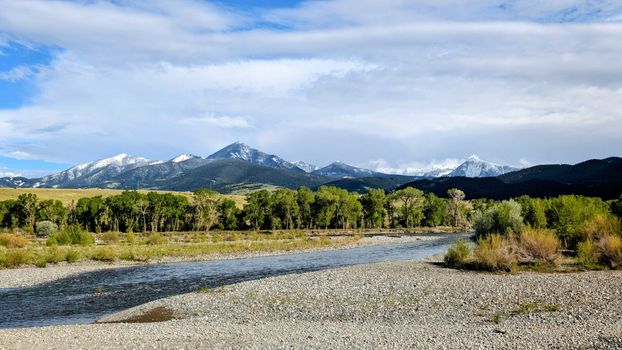
Beautiful river and mountain scene in Livingston, Montana, under a clear blue sky. Photo: Brett Buskirk / Pexels
Montana, often dubbed the 'Treasure State,' offers an unparalleled canvas for those seeking land with the added luxury and utility of water. The dream of owning a piece of this vast, wild landscape, particularly one graced by a river, lake, or stream, resonates deeply with many. This isn't just about aesthetics; it's about lifestyle, recreation, and a tangible connection to nature. Imagine waking up to the sound of a rushing river, spending your afternoons fly-fishing in your backyard, or launching a kayak directly from your property onto a pristine lake. These aren't mere fantasies for those exploring land for sale in Montana with water; they are very real possibilities. Beyond personal enjoyment, water features significantly enhance the value and versatility of a property. For agricultural pursuits, reliable water sources are invaluable for irrigation, supporting crops or livestock. For recreational purposes, direct access to water opens up a world of activities, from boating and swimming to wildlife viewing and hunting. Investors also recognize the inherent value in waterfront land, as its scarcity and desirability typically lead to appreciation over time. The diverse geography of Montana means that 'waterfront' can encompass a wide spectrum of environments. From the crystal-clear, glacier-fed lakes of Northwest Montana, like Flathead Lake or Whitefish Lake, to the legendary trout streams of Southwest Montana, including the Madison, Gallatin, and Yellowstone Rivers, each region offers a unique aquatic experience. Even the vast, rolling plains of Eastern Montana hold hidden gems, with properties bordering the Missouri River or smaller, spring-fed creeks. Understanding these regional differences is crucial in identifying the perfect plot that aligns with your vision. Proximity to national parks like Glacier National Park or Yellowstone National Park can further amplify the appeal and potential value of waterfront land, drawing visitors and offering incredible access to some of the nation's most iconic natural wonders. The demand for land for sale in Montana with water continues to grow, driven by a desire for privacy, outdoor adventure, and a retreat from the hustle and bustle of urban life. This makes thorough research and a clear understanding of your priorities essential for a successful purchase. Consider what kind of water access is most important to you: a peaceful fishing stream, a large navigable lake, or simply a reliable water source for a well or spring. Each type presents different opportunities and considerations. For more insights into the broader Montana real estate market, explore this guide to Montana land ownership.

Navigating Water Rights and Regulations in Montana
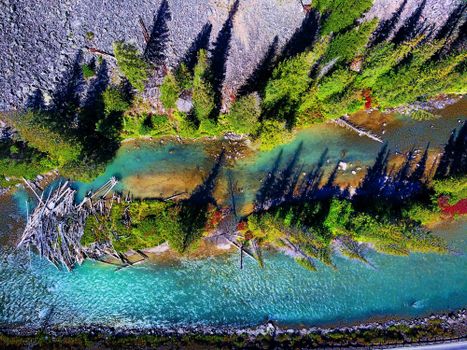
Breathtaking aerial view of a vibrant river and lush forest in Gallatin Gateway, Montana. Photo: Tyler Kissner / Pexels
One of the most critical aspects of purchasing land for sale in Montana with water is a comprehensive understanding of water rights. Unlike some other states, Montana operates under the doctrine of prior appropriation, often summarized as 'first in time, first in right.' This means that older, established water rights generally take precedence over newer ones, particularly during times of drought or scarcity. Simply seeing a river or stream on a property does not automatically grant you unlimited access or usage rights. Every parcel of land with water has a history of water use, and these rights are legally documented and administered by the Montana Department of Natural Resources and Conservation (DNRC). Before making any offer, it is imperative to conduct thorough due diligence on existing water rights associated with the property. This includes reviewing water right abstracts, permits, and any historical diversion records. You'll want to understand the type of right (e.g., irrigation, domestic, stock water), the amount of water allocated, the point of diversion, and the period of use. Failure to properly assess these rights can lead to significant limitations on your ability to use the water as intended, or even legal disputes with neighboring landowners. Beyond existing rights, potential buyers must also be aware of various environmental regulations that govern activity near waterways. These can include stream-side setback requirements, wetlands protection, and restrictions on development or alteration of natural banks. Local county zoning ordinances and conservation easements may further impact how you can utilize your waterfront property. For example, building permits near a navigable river might have stricter guidelines than those for a remote spring-fed pond. Engaging a qualified real estate attorney specializing in Montana water law is not just recommended; it's often essential. They can help interpret complex water right documents, identify potential issues, and ensure that the transfer of water rights is properly handled during the sale. They can also advise on the process for obtaining new water rights or modifying existing ones, should your intended use require it. Furthermore, consider the impact of potential climate change on water availability in the future. While Montana is known for its abundant water resources, prolonged droughts can affect even the most robust systems. A forward-thinking approach includes understanding the resilience of the water source and any potential vulnerabilities. Don't assume anything when it comes to water; verify every detail to protect your investment and ensure your future enjoyment of your Montana waterfront property.

Types of Water Features and Their Land Implications
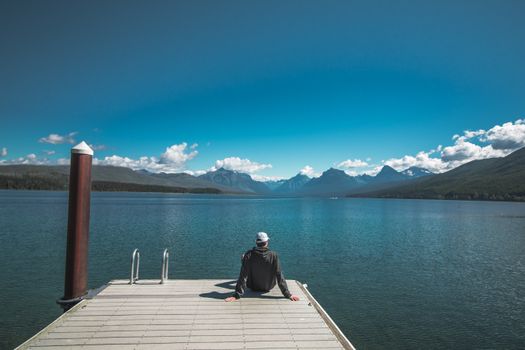
Back view of unrecognizable young male tourist in casual clothes and cap relaxing on wooden pier and admiring picturesque view of lake surrounded by rocky mountains against bright blue sky Photo: Brady Knoll / Pexels
When searching for land for sale in Montana with water, the specific type of water feature profoundly influences the property's character, utility, and value. Understanding these distinctions is key to finding a parcel that truly meets your needs and aspirations. Riverfront properties, for instance, offer dynamic beauty and often incredible recreational opportunities. Montana's famed rivers like the Yellowstone, Missouri, Madison, and Flathead are synonymous with world-class fly-fishing, rafting, and wildlife viewing. Owning riverfront land provides direct access to these activities, but it also comes with considerations such as flood plains, erosion potential, and specific regulations regarding riparian zones. The flow and character of a river can vary significantly throughout the year, impacting accessibility and usability. Lakefront properties, on the other hand, provide a different kind of serenity and recreational access. Whether it's a large, navigable body of water like Flathead Lake, Canyon Ferry, or Fort Peck, or a smaller, private mountain lake, these properties are prized for boating, swimming, and often stunning panoramic views. Lakefront land typically commands a premium and may have homeowner association rules or specific covenants governing docks, shoreline development, and recreational use. The accessibility of the lake, whether via a public boat launch or private frontage, is a significant factor. Creek and stream properties offer a more intimate connection to water. These smaller waterways can be ideal for private fishing, attracting diverse wildlife, and providing a soothing natural soundtrack. Many agricultural properties rely on creeks and streams for stock water or irrigation, making them highly functional. Spring-fed creeks are particularly desirable as they often provide a consistent, clean water source. However, the size and permanence of creeks can vary, with some being seasonal or intermittent. Irrigation ditches and canals are another common water feature, particularly in agricultural regions. While not as aesthetically dramatic as a river or lake, these provide essential water delivery for farming, ranching, and even domestic use in some areas. Understanding the rights associated with these ditches, including maintenance responsibilities and water delivery schedules, is crucial. Finally, properties with natural springs or wells offer independent water sources. A strong, reliable spring can be a valuable asset for domestic use, livestock, or even small-scale irrigation, providing a degree of self-sufficiency. Similarly, a property with a proven well eliminates the need to drill one, which can be a significant cost saving. Each type of water feature presents unique opportunities and challenges, influencing everything from potential land use to long-term maintenance. When evaluating land for sale in Montana with water, consider not just the presence of water, but its specific characteristics and how they align with your vision for the property. For a deeper dive into general land acquisition strategies, consider exploring Montana land investment opportunities.

Crucial Tips and Common Mistakes When Buying Montana Water Land
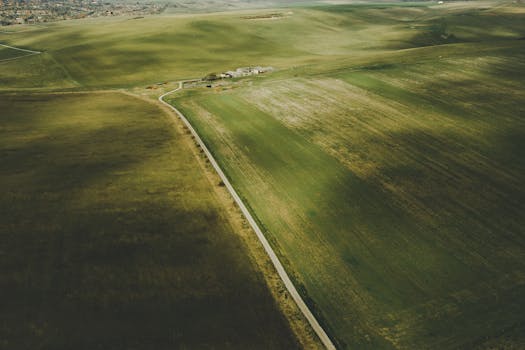
Wide aerial view of lush green fields and a rural road in the countryside. Photo: JACK REDGATE / Pexels
Purchasing land for sale in Montana with water is a significant investment that requires careful consideration to avoid common pitfalls. Here are crucial tips and mistakes to steer clear of: **Tips for a Successful Purchase:** * **Hire Local Expertise:** Work with a real estate agent who specializes in Montana land, particularly waterfront properties in your desired region. They will have invaluable local knowledge, connections, and understanding of regional water nuances. * **Conduct Thorough Due Diligence:** This cannot be overstressed. Beyond water rights, investigate zoning, easements, access roads, potential environmental hazards (e.g., superfund sites, past industrial use), and flood plain maps. A Phase I Environmental Site Assessment might be warranted. * **Understand Access:** Verify legal, year-round access to the property. Is it via a private road, public road, or easement? Who maintains it? Is it passable in all seasons? * **Inspect Water Features:** Don't just look at the water; understand its health. Is the river bank stable? Is the lake clean? Are there invasive species? Consider a professional ecological assessment. * **Budget for Development:** Beyond the purchase price, factor in costs for utilities (power, septic, well if needed), road improvements, building permits, and potential mitigation for environmental regulations. * **Talk to Neighbors:** Gain insights into local issues, water sharing agreements, or neighborhood dynamics. This informal intelligence can be incredibly valuable. **Common Mistakes to Avoid:** * **Ignoring Water Rights:** Assuming water access equals water rights is a costly mistake. Always verify existing rights and understand their limitations before closing. * **Underestimating Environmental Regulations:** Overlooking setback requirements, wetlands protection, or county-specific building codes near water can lead to costly delays or project redesigns. * **Failing to Inspect Access:** Buying a beautiful parcel only to find the access road is impassable for half the year, or subject to a dispute, can severely limit your property's usability. * **Neglecting Flood Zone Research:** Many waterfront properties are in flood zones. Understand the risks, insurance implications, and building restrictions associated with these areas. * **Buying Sight Unseen (or Season Unseen):** Visit the property multiple times, ideally in different seasons, to observe water levels, accessibility, and overall conditions. A property might look perfect in summer but be completely different in spring runoff or winter. * **Ignoring Long-Term Maintenance:** Waterfront properties often require more maintenance due to erosion, vegetation management, and potential flood damage. Factor these ongoing costs into your budget. By diligently following these tips and actively avoiding these common mistakes, your journey to owning land for sale in Montana with water will be much smoother and more rewarding.

Comparison

FeatureRiverfront PropertyLakefront PropertyCreek/Spring Fed Land
Primary AppealFly fishing, rafting, dynamic viewsBoating, swimming, panoramic viewsPrivacy, wildlife, consistent water source
Water Rights ComplexityHigh (diversions, senior rights)Moderate (access, recreational use)Moderate (domestic, stock water)
Flood RiskHigher (seasonal fluctuations)Moderate (storm surge, dam release)Lower (can be seasonal)
Development ConstraintsRiparian setbacks, erosion controlShoreline permits, HOA rulesWetlands, smaller setbacks
Typical Price PremiumVery HighHighModerate to High
Recreational UseFishing, rafting, kayakingBoating, swimming, jet skiingFishing (small scale), wildlife viewing
Irrigation Potential

What Readers Say

"We found an incredible piece of land on the Gallatin River through this service. The agent was invaluable in navigating the water rights, ensuring we could build our dream cabin with direct river access for fly fishing."

Sarah & Tom R. · Bozeman, MT

"The process of finding land for sale in Montana with water seemed daunting, but the resources here made it clear. We're now proud owners of lakefront property on Flathead Lake, and the views are breathtaking."

David L. · Kalispell, MT

"Thanks to expert guidance, we secured a beautiful ranch property with a year-round spring-fed creek. It's been perfect for our horses and provides a serene environment we always dreamed of, significantly increasing our property's value."

Maria K. · Missoula, MT

"While the perfect riverfront parcel took longer to find than expected, the detailed information on water rights was crucial. We ended up with a fantastic property, though the initial learning curve was steep without the right resources."

Mark P. · Helena, MT

"As a wildlife photographer, finding land with consistent water for animal activity was paramount. This platform helped me locate a secluded property with a vibrant ecosystem around a small creek. It's my personal sanctuary and studio."

Emily S. · Billings, MT

Frequently Asked Questions

What are the most important considerations when buying land for sale in Montana with water?

The most crucial considerations include understanding the specific water rights attached to the property, evaluating the type and quality of the water source (river, lake, stream, well), assessing environmental regulations like flood plains and riparian setbacks, and verifying legal, year-round access to the parcel.

Is it difficult to get water rights in Montana?

Acquiring new water rights in Montana can be complex and challenging due to the 'prior appropriation' doctrine. It often involves a lengthy application process with the DNRC and may be subject to existing senior rights. It's generally easier to purchase land with established, valid water rights already in place.

How do I research water rights for a specific property in Montana?

You can research water rights through the Montana Department of Natural Resources and Conservation (DNRC) water rights database. You'll need the property's legal description or a specific water right ID. It's highly recommended to consult with a Montana water rights attorney to interpret these complex documents accurately.

What is the typical cost difference for land with water vs. without in Montana?

Land with desirable water features typically commands a significant premium, often 20-50% or more, compared to comparable land without water. This premium varies greatly depending on the type of water (e.g., a major river vs. a seasonal creek), location, and the quality of water access and rights.

How does buying land with a river differ from buying land with a lake in Montana?

Riverfront land often offers dynamic views, fishing, and rafting, but can have higher flood risks and complex riparian regulations. Lakefront land is prized for boating, swimming, and views, often with HOA rules or specific shoreline development permits. Each has unique recreational and regulatory implications.

Who should consider buying land for sale in Montana with water?

Individuals or groups seeking recreational opportunities like fishing, hunting, or boating; those looking for agricultural land requiring reliable irrigation; investors seeking appreciating assets; or anyone desiring a private, serene retreat with direct access to nature and a strong connection to the outdoors should consider it.

What are the environmental risks associated with waterfront property in Montana?

Environmental risks can include flooding (especially in spring runoff), soil erosion along banks, potential for invasive species in waterways, and sensitivity to drought. Understanding flood plain maps, riparian health, and engaging environmental assessments are crucial to mitigate these risks.

What future trends might impact Montana land with water?

Future trends include increasing demand driven by remote work and lifestyle changes, potential impacts of climate change on water availability and fire risk, evolving environmental regulations, and continued appreciation of scarce waterfront resources, making it a potentially strong long-term investment.

Ready to discover your perfect piece of the Big Sky Country? Explore our extensive listings for land for sale in Montana with water and start living the dream. Your waterfront adventure awaits.

Topics: land for sale in montana with waterMontana waterfront propertyMontana riverfront landrecreational land MontanaMontana land investment
Leo List
Brampton weed
Adultwork EstrelaBet Vai de Bet R7 Bet Betão Galera Bet Rainbet Bet9ja Shop SportyBet BetKing Sisal Loto Foot Hollywoodbets YesPlay Odibets RushBet Jugabet BetWarrior BetCity MSport betPawa Fortebet