✓ Montana's water rights are governed by the prior appropriation doctrine ('first in time, first in right').
✓ Water rights are crucial for agricultural, recreational, and residential land use in Montana.
✓ Verification of water rights is essential and involves thorough due diligence.
✓ Properties with secured water rights often command higher value and offer greater long-term stability.
How It Works
1
Define Your Needs
Determine the type of land (ranch, farm, recreational) and the specific water uses you require. This clarity will guide your search for suitable properties.
2
Search & Identify Properties
Utilize specialized real estate platforms and local experts to find listings explicitly mentioning 'water rights'. Focus on areas known for water availability and robust rights.
3
Verify Water Rights & Due Diligence
Engage legal counsel and water resource professionals to verify the validity, type, and priority of any associated water rights. This step is non-negotiable for a secure purchase.
4
Secure Your Investment
Work with an experienced real estate agent specializing in Montana land and water rights to navigate the offer, negotiation, and closing process. Ensure all water rights documentation is correctly transferred.
Understanding Water Rights When Buying Montana Land
Photo: Joseph Russo / Pexels
Montana, often called the 'Treasure State,' offers a landscape as diverse as it is breathtaking, from the majestic Rocky Mountains to vast plains and fertile river valleys. For anyone considering purchasing land here, especially for agricultural, recreational, or even residential purposes, the concept of water rights is not merely important—it is paramount. Unlike many eastern states where water rights are often tied directly to riparian ownership (land bordering a water body), Montana operates under the prior appropriation doctrine, commonly known as 'first in time, first in right.' This means that the first individual or entity to divert and put water to beneficial use has a superior right to that water compared to later users, regardless of whether their land directly touches the water source.
This doctrine creates a complex, yet critical, framework for water allocation. When you are looking for land for sale in Montana with water rights, you are not just buying acreage; you are acquiring a legal entitlement to use a specific quantity of water for a designated purpose at a particular time. These rights are not always obvious or easily understood, and they can significantly impact the value and utility of a property. A parcel of land might seem ideal on paper, but without adequate, legally recognized water rights, its potential for farming, ranching, or even sustaining a wildlife habitat could be severely limited. The Montana Department of Natural Resources and Conservation (DNRC) is the primary agency responsible for administering and regulating water rights in the state. Their records are public and serve as the official documentation for all adjudicated water rights.
Navigating these records and understanding their implications requires expertise. For instance, a water right might specify a certain flow rate (e.g., cubic feet per second) or a total volume (e.g., acre-feet) for irrigation, livestock watering, domestic use, or even commercial purposes like hydropower or mining. The priority date of a water right is critical; older rights generally take precedence during times of drought or scarcity. This means that a property with a senior water right is often more valuable and resilient to water shortages than one with a junior right, even if both properties have seemingly similar physical access to water. Furthermore, water rights can be appurtenant to the land, meaning they are inseparable from the property and transfer with the deed, or they can be severed and sold independently, although this is less common for agricultural and domestic rights. Therefore, thorough due diligence is not just recommended; it's absolutely essential to ensure that the water rights you believe you are acquiring are valid, sufficient for your intended use, and legally transferable. Ignoring this critical aspect could lead to significant challenges and diminish the long-term viability of your investment in Montana real estate. Understanding the nuances of Montana real estate law is crucial for any buyer.
Why Secure Water Rights Enhance Montana Land Value
Photo: Joseph Phillips / Pexels
The intrinsic value of land in Montana is inextricably linked to its access to water. In a state where agriculture is a cornerstone of the economy and natural beauty draws countless visitors and residents, water is the lifeblood that supports everything from thriving crops and healthy livestock to vibrant ecosystems and recreational opportunities. Therefore, when you seek land for sale in Montana with water rights, you're not just purchasing a commodity; you're investing in a fundamental resource that dramatically enhances the property's utility, productivity, and long-term appreciation. Properties with established, senior water rights inherently carry a premium, and for good reason. They offer a level of certainty and self-sufficiency that un-watered land cannot match.
For agricultural operations, guaranteed water access translates directly into higher yields, more consistent crop production, and the ability to sustain larger herds of livestock. This directly impacts profitability and the overall economic viability of a farm or ranch. Without reliable water, land suitable for cultivation might only be viable for dryland farming, which is inherently riskier and less productive. Similarly, for recreational properties, water rights can mean the difference between a seasonal retreat and a year-round haven. Imagine owning land with the right to divert water to a private pond for fishing, or to maintain lush landscaping around a cabin, or even to support wildlife habitat that attracts hunting or wildlife viewing opportunities. These features significantly boost a property's appeal and marketability.
Furthermore, in a warming climate where water scarcity is an increasing concern in many western states, secured water rights act as a powerful hedge against future uncertainty. As populations grow and demand for water increases, properties with adjudicated and legally defensible water rights become increasingly valuable. They offer stability and resilience, making them highly sought after by savvy investors and those planning for generational ownership. This isn't just about current use; it's about future potential and protection. A property with robust water rights is more likely to retain its value, and even appreciate, compared to a similar property without such critical entitlements. It provides peace of mind, knowing that the resources necessary to sustain your vision for the land are legally protected. This makes the initial investment in a property with confirmed water rights a strategic decision that pays dividends in both functional utility and financial security.
Navigating the Purchase Process for Water-Righted Land
Photo: Pavel Danilyuk / Pexels
Purchasing land for sale in Montana with water rights is a specialized transaction that requires a meticulous approach and a team of knowledgeable professionals. The process extends beyond typical real estate transactions, demanding a deep dive into historical records, legal documents, and often, hydrological data. The first critical step after identifying a potential property is to engage a real estate agent who specializes in rural land and, more specifically, in properties with water rights in Montana. These agents possess invaluable local knowledge and understand the intricacies of the state's water laws. They can help you identify properties with existing water rights and guide you through the initial evaluation.
Once a property is under consideration, the due diligence phase becomes paramount. This is where you'll need to involve a water rights attorney and, potentially, a water resource consultant or engineer. Your attorney will conduct a comprehensive review of the property's water rights, examining records from the Montana Department of Natural Resources and Conservation (DNRC). This review will confirm the existence, type, priority date, and beneficial use of each water right. They will also verify that the rights are appurtenant to the land you intend to purchase and that there are no encumbrances or challenges to these rights. It's not uncommon for water rights to have specific conditions or limitations, such as periods of use, points of diversion, or restrictions on the type of beneficial use. Understanding these details is crucial to ensure the water rights align with your intended plans for the property.
Physical inspection of the water infrastructure is also vital. This includes assessing wells, irrigation ditches, pumps, and any other systems associated with the water rights. An engineer can evaluate the condition and capacity of these systems, providing an estimate of any necessary repairs or upgrades. Furthermore, it's important to understand the history of water use on the property. Has the water right been consistently used? In Montana, water rights can be subject to abandonment if not used for a certain period, though strict legal criteria apply. Your legal team will ensure that the water rights are active and defensible. Finally, during the closing process, ensure that all water rights are explicitly transferred with the land deed and that all necessary filings with the DNRC are completed. This meticulous attention to detail at every stage will safeguard your investment and ensure you genuinely acquire the valuable water rights you are paying for, allowing you to fully realize the potential of your Montana land. Choosing the right real estate professionals is key to a smooth transaction.
Common Pitfalls and Essential Tips for Buying Water-Righted Land
Photo: RDNE Stock project / Pexels
Acquiring land for sale in Montana with water rights can be a complex but rewarding endeavor. However, several common pitfalls can turn a dream property into a headache if not properly addressed. Being aware of these challenges and implementing essential tips can significantly mitigate risks and lead to a successful purchase.
**Common Pitfalls:**
* **Assuming Water Availability:** Just because a creek or river runs through a property doesn't automatically mean you have the legal right to use its water. Without a recorded, adjudicated water right, any water use could be illegal or subject to challenge.
* **Ignoring Priority Dates:** A junior water right might be severely curtailed during dry years, rendering it less valuable than a senior right, even if the physical access to water appears similar.
* **Overlooking Beneficial Use Limitations:** Water rights are granted for specific beneficial uses (e.g., irrigation, domestic, stock watering). Using water for an unapproved purpose can lead to legal issues.
* **Neglecting Infrastructure Assessment:** Old or poorly maintained wells, pumps, and irrigation systems can require significant, unforeseen capital investment immediately after purchase.
* **Failing to Verify Active Use:** Water rights can be deemed abandoned if not used for a continuous period (typically 10 years in Montana), though legal nuances apply. Ensuring active use history is vital.
* **Skipping Legal Review:** Relying solely on real estate agents or sellers for water rights information is risky. A specialized water rights attorney is indispensable.
**Essential Tips for Success:**
* **Engage a Specialist Real Estate Agent:** Work with an agent who has a proven track record in rural Montana land and water rights. Their expertise is invaluable.
* **Hire a Montana Water Rights Attorney:** This is non-negotiable. They will review all DNRC records, verify validity, priority, and beneficial use, and ensure proper transfer during closing.
* **Conduct a Water Resource Audit:** Consider hiring a water resource consultant or hydrologist to assess the quantity, quality, and reliability of the water source and associated infrastructure.
* **Understand the 'Prior Appropriation' Doctrine:** Educate yourself on Montana's water law principles. Knowledge empowers you to ask the right questions and understand the answers.
* **Inspect All Water Infrastructure:** Beyond legal review, physically inspect wells, pumps, ditches, and other systems. Factor in potential repair or replacement costs.
* **Clarify All Easements and Access:** Ensure you have legal access to points of diversion, ditches, and other water features, and understand any easements that may affect your property or water rights.
* **Plan for Future Use:** Consider how your long-term plans for the property align with the existing water rights. Can the rights be modified or expanded if needed (a complex process)?
* **Budget for Water Right Transfer Costs:** There may be fees associated with recording and transferring water rights with the state.
By diligently following these tips, you can navigate the complexities of purchasing water-righted land in Montana with confidence and secure a valuable asset for years to come.
Comparison
Feature
Land with Senior Water Rights
Land with Junior Water Rights
Land without Water Rights
Water Reliability in Drought
High (first in time, first in right)
Moderate to Low (curtailed first)
Very Low (reliant on natural precipitation)
Agricultural Potential
Excellent (consistent irrigation)
Good (seasonal irrigation)
Limited (dryland farming only)
Property Value Premium
Significant
Moderate
None (or discounted)
Ease of Development
✓
✓
✗
Future Investment Security
High
Moderate
Low
What Readers Say
★★★★★
"Finding land for sale in Montana with water rights was our top priority for our ranch. The detailed guidance on verifying those rights saved us from potential headaches and ensured our cattle operations are secure for years to come. We couldn't be happier with our purchase."
Sarah & Tom R. · Bozeman, MT
★★★★★
"The article's emphasis on legal due diligence for water rights was spot on. Our attorney uncovered a minor issue with a priority date that we were able to resolve before closing, thanks to being forewarned. This resource is invaluable for anyone buying rural Montana land."
David L. · Missoula, MT
★★★★★
"We wanted a recreational property with a viable fishing pond. Understanding that 'water rights' meant more than just a stream on the property was crucial. We found a parcel with adjudicated rights for impoundment and now enjoy a thriving private fishery."
Emily K. · Kalispell, MT
★★★★★
"While the process was more complicated than I initially thought, the information here prepared me for the steps involved. I ended up with a great piece of agricultural land, though I did have to invest more in updating the irrigation system than anticipated. Still, the water rights are solid."
Mark S. · Great Falls, MT
★★★★★
"As an out-of-state buyer, the concept of prior appropriation was completely new. This article broke down the complexities of water rights when looking for land for sale in Montana with water rights, making me feel much more confident in my investment decisions and the professionals I hired."
Jessica P. · Helena, MT
Frequently Asked Questions
What exactly are 'water rights' in Montana?
In Montana, water rights are legal entitlements to divert and use a specific quantity of water from a source for a beneficial purpose. These rights are governed by the prior appropriation doctrine ('first in time, first in right'), meaning the earliest recorded use takes precedence over later uses during times of scarcity.
Can I lose water rights if I don't use them?
Yes, water rights in Montana can be subject to abandonment if they are not used for a continuous period, typically 10 consecutive years, with the intent to abandon. However, proving abandonment is a complex legal process, and there are exceptions and defenses. It's crucial to understand the usage history of any water right you acquire.
How do I verify the validity of water rights for a property?
To verify water rights, you must consult the records of the Montana Department of Natural Resources and Conservation (DNRC). It's highly recommended to engage a specialized water rights attorney to conduct a thorough legal review, ensuring the rights are valid, active, and appurtenant to the land.
How much more expensive is land with water rights in Montana?
Land with established, senior water rights typically commands a significant premium compared to similar parcels without such rights. The exact price difference varies widely based on the type, quantity, and priority of the water right, as well as the property's location and intended use. However, this premium often reflects the enhanced value and utility the water provides.
Are water rights tied to the land or can they be sold separately?
Water rights in Montana are generally appurtenant to the land, meaning they transfer with the property deed. While it is legally possible in some cases to sever and sell water rights separately from the land, this is complex and less common, particularly for agricultural and domestic uses. Always confirm that the rights will transfer with the property you are purchasing.
Who should prioritize buying land for sale in Montana with water rights?
Anyone planning agricultural operations (farming, ranching), significant recreational development (ponds, wildlife habitat), or even substantial residential use that requires a reliable, controlled water supply should prioritize land with secured water rights. It's a critical investment for long-term viability and peace of mind.
What are the risks of buying land without verified water rights?
The primary risks include lack of legal access to water for your intended uses, potential conflicts with other water users, and significantly diminished property value and utility. Without verified rights, you might face legal challenges, water shortages, or be unable to develop the property as planned, leading to considerable financial loss and frustration.
What are the future trends regarding water rights in Montana?
Future trends suggest increasing scrutiny and regulation of water resources, especially with climate change impacting water availability. Properties with well-documented, senior water rights are likely to become even more valuable and sought after as water becomes a more precious commodity in the arid West. Understanding and securing these rights is a forward-thinking investment.
Embark on your journey to owning a piece of the Big Sky Country. By focusing on land for sale in Montana with water rights, you're not just buying property; you're securing a future. Contact a specialized real estate professional today to navigate the intricacies and discover your ideal Montana investment.
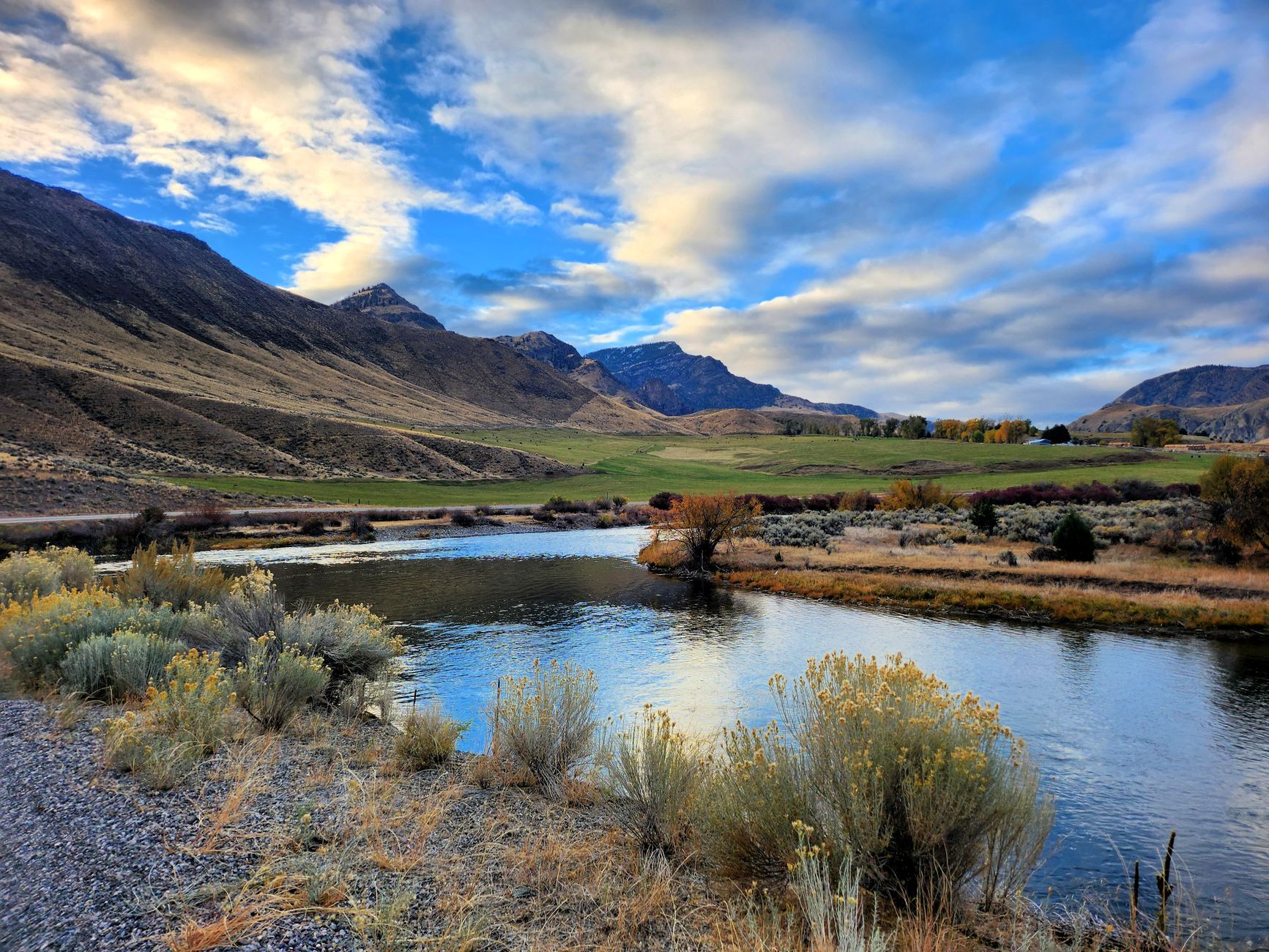
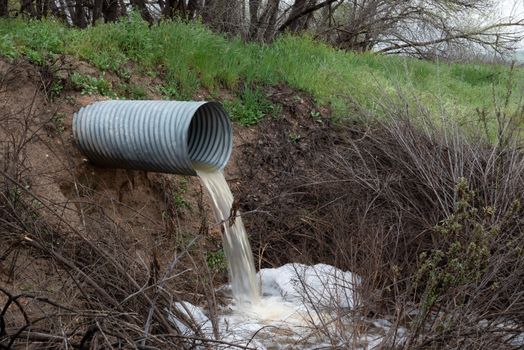 Photo: Joseph Russo / Pexels
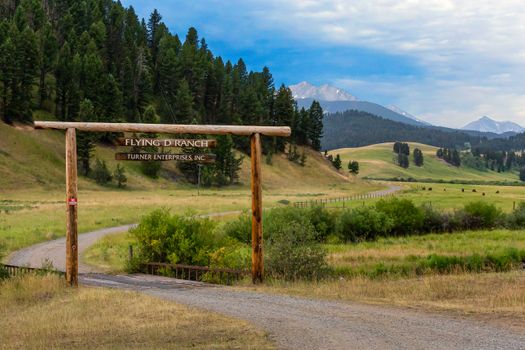 Photo: Joseph Phillips / Pexels
 Photo: Pavel Danilyuk / Pexels
 Photo: RDNE Stock project / Pexels