✓ North Carolina offers diverse land types: mountains, piedmont, and coastal.
✓ Property values vary significantly based on location, zoning, and amenities.
✓ Understanding local regulations (zoning, environmental) is crucial before purchase.
✓ Investing in raw land can offer significant long-term appreciation.
How It Works
1
Define Your Vision
Determine your purpose for the land (residential, commercial, recreational) and key criteria like location, size, and budget. This clarity will streamline your search process.
2
Research & Explore
Utilize online listings, local real estate agents specializing in land, and county resources to identify potential properties. Pay close attention to available utilities and access.
3
Due Diligence & Offers
Conduct thorough due diligence including title searches, surveys, soil tests, and zoning checks. Work with an agent to submit a competitive offer considering all findings.
4
Closing & Ownership
Finalize financing, sign all necessary legal documents, and transfer ownership. Ensure all permits and plans are in place for any future development or use.
Unveiling the Diverse Landscapes of NC Land for Sale
Photo: Carson Riutta / Pexels
North Carolina is a state of remarkable geographical diversity, offering a unique tapestry of landscapes for those seeking land for sale. From the rugged peaks of the Blue Ridge Mountains to the tranquil shores of the Outer Banks, and the rolling hills of the Piedmont in between, the options are as varied as they are appealing. This rich diversity means that whether you dream of a secluded mountain retreat, a sprawling farm in the heart of the state, or a coastal plot with ocean breezes, there's a piece of North Carolina waiting for you. Each region presents distinct characteristics, opportunities, and considerations for potential buyers. The western part of the state, dominated by the Appalachian Mountains, is renowned for its breathtaking vistas, dense forests, and abundance of outdoor recreational activities. Here, you might find parcels ideal for building a vacation home, establishing a glamping site, or simply preserving a slice of untouched wilderness. Buyers in this region often prioritize privacy, natural beauty, and access to hiking, fishing, and skiing. Properties can range from small, buildable lots in established communities to large tracts of undeveloped forest. The central Piedmont region, home to major cities like Charlotte, Raleigh, and Greensboro, offers a different appeal. Land here is often more accessible to urban amenities, employment centers, and major transportation routes. This makes it highly attractive for those looking to build a primary residence, develop commercial properties, or engage in agricultural pursuits closer to markets. The terrain is generally rolling, with a mix of wooded areas and open fields. As urban sprawl continues, land in the Piedmont can represent a strong investment opportunity, particularly parcels near growing towns or infrastructure projects. The eastern coastal plain and Outer Banks offer an entirely distinct proposition. Here, the landscape flattens, giving way to fertile farmlands, vast wetlands, and sandy beaches. Coastal properties are highly sought after for their proximity to the Atlantic Ocean, offering opportunities for beachfront homes, fishing lodges, or properties with water access for boating. Agricultural land in the east is often prized for its productivity, supporting crops like corn, soybeans, and sweet potatoes. However, buyers in coastal areas must also consider flood zones, hurricane risks, and specific environmental regulations designed to protect delicate ecosystems. Understanding these regional differences is the first step in narrowing down your search for land for sale in North Carolina. Each area comes with its own set of advantages and challenges, and aligning these with your specific goals and lifestyle is paramount. For more detailed insights into specific regions, consider consulting local real estate guides or county planning departments. Understanding North Carolina's diverse real estate market is key to making an informed decision. Remember that while the beauty of these landscapes is undeniable, thorough due diligence regarding zoning, soil types, and environmental factors is crucial, regardless of the region you choose.
Navigating the Buying Process for Vacant Land in NC
Photo: R9 Media Photo Collective / Pexels
Purchasing vacant land in North Carolina involves a distinct process that differs in several key ways from buying an existing home. While the allure of a blank canvas is strong, prospective buyers must understand the unique steps and considerations involved to ensure a smooth and successful transaction. The journey begins with defining your purpose. Are you planning to build a custom home, establish a farm, invest for future development, or simply enjoy recreational space? Your purpose will dictate crucial factors like zoning requirements, necessary permits, and preferred location. For instance, agricultural land will have different soil and water needs than a residential building lot. Once your vision is clear, the next step is comprehensive research. This goes beyond simply looking at online listings. It involves delving into county records for zoning ordinances, property tax assessments, and any existing easements or covenants that might restrict your use of the land. A good real estate agent specializing in land sales can be an invaluable resource, providing local insights and helping you navigate complex regulations. They can also help identify properties that align with your specific criteria, often having access to listings not widely advertised. Due diligence is arguably the most critical phase when buying vacant land. Unlike a developed property, where many issues might be evident, raw land often hides potential challenges. This phase should include a professional survey to verify property lines and identify any encroachments. A perk test (soil test) is essential if you plan to install a septic system, as unsuitable soil can render a property unbuildable. Environmental assessments are also crucial, particularly for larger tracts, to identify potential wetlands, protected species habitats, or contamination. Access to utilities – water, sewer (or septic), electricity, and internet – is another major consideration. Don't assume these are readily available; extending utilities can be a significant and often costly undertaking. Research the cost and feasibility of bringing these services to your chosen parcel. Furthermore, investigate road access. Is it a public road, a private easement, or an undeveloped right-of-way? This affects maintenance responsibilities and legal access. Financing land can also be different from financing a home. Traditional mortgages are often harder to obtain for raw land, as there's no existing structure to serve as collateral. Buyers may need to explore land loans, which often require a larger down payment and have shorter terms, or consider seller financing if available. Finally, understand the closing process, which will involve a title search to ensure clear ownership and the transfer of deeds. Working with a knowledgeable real estate attorney is highly recommended to review all documents and protect your interests. By meticulously navigating these steps, buyers can confidently acquire land for sale in North Carolina that perfectly suits their aspirations.
Investment Potential and Future Trends for NC Land Buyers
Photo: Mark Stebnicki / Pexels
Investing in land for sale in North Carolina offers a compelling proposition, driven by the state's robust economic growth, increasing population, and diverse appeal. Beyond simply purchasing a place to build, many buyers view land as a strategic asset with significant long-term investment potential. Understanding the factors that influence land value and future trends is crucial for making an informed decision. North Carolina has consistently ranked among the fastest-growing states in the U.S., attracting new residents and businesses alike. This demographic shift creates sustained demand for housing, commercial spaces, and infrastructure, all of which rely on available land. As urban centers expand, peripheral land becomes increasingly valuable for residential developments, mixed-use projects, and supporting industries. This growth trajectory suggests that land values, particularly in and around metropolitan areas and along key transportation corridors, are likely to appreciate over time. Future trends also point towards an increased demand for specific types of land. Recreational land, for example, is gaining popularity as more people seek outdoor experiences and opportunities for hunting, fishing, hiking, and camping. Large tracts of timberland or undeveloped acreage can serve as valuable assets for conservation easements, offering potential tax benefits while preserving natural resources. Additionally, the growing interest in sustainable living and local food movements is driving demand for agricultural land, especially parcels suitable for organic farming or small-scale homesteads. The state's commitment to infrastructure development, including new roads, public utilities, and broadband expansion, can significantly impact land values. Properties that gain access to these improvements often see a substantial increase in desirability and price. Therefore, researching planned public works projects in your target areas can provide a strategic advantage. However, investing in land is not without its risks. Market fluctuations, changes in zoning laws, environmental regulations, and property tax increases can all affect the value and usability of your investment. It's essential to perform thorough due diligence, including an analysis of local market trends, growth patterns, and any proposed changes to land use policies. Consulting with a land appraiser or a real estate analyst specializing in vacant land can provide valuable insights into potential returns and risks. Furthermore, consider the carrying costs of land ownership, such as property taxes, insurance, and maintenance, especially if you do not plan immediate development. While land typically doesn't generate rental income like a developed property, strategic investments can offer substantial capital appreciation. For those looking to diversify their portfolio or secure a tangible asset in a growing economy, land for sale in North Carolina presents a promising opportunity. Explore the economic drivers behind North Carolina's real estate boom to better understand this potential. By carefully evaluating current market conditions, future growth projections, and your own investment goals, you can unlock the full potential of land ownership in the Tar Heel State.
Crucial Mistakes to Avoid When Buying Land in North Carolina
Photo: Mark Stebnicki / Pexels
Purchasing land can be an exciting venture, but it's fraught with potential pitfalls if not approached carefully. Avoiding common mistakes is paramount to a successful acquisition of land for sale in North Carolina. Many buyers, eager to secure their dream plot, overlook critical details that can lead to costly regrets. Here are some crucial mistakes to avoid:
* **Neglecting Thorough Due Diligence:** This is the most common and potentially most expensive mistake. Buyers often fail to conduct proper research beyond a visual inspection. This includes skipping professional surveys, soil tests (perk tests for septic systems), environmental assessments, and comprehensive title searches. Without these, you might discover unseen easements, unbuildable soil, hidden environmental hazards, or even ownership disputes after closing.
* **Ignoring Zoning and Land Use Regulations:** Every parcel of land is subject to local zoning ordinances that dictate what can and cannot be built or done on the property. Failing to understand these regulations can lead to purchasing land that cannot fulfill your intended purpose. Always verify the zoning for your specific plans (e.g., residential, agricultural, commercial) and inquire about any future changes or restrictions.
* **Underestimating Utility and Access Costs:** It's a common misconception that utilities are always readily available. Extending water, sewer, electricity, or internet to a remote parcel can be incredibly expensive, sometimes exceeding the land's purchase price. Similarly, ensure legal and practical access to the property. Is it via a public road, or does it require an easement across someone else's land? Verify the legality and maintenance responsibilities of any private access.
* **Failing to Budget for Development Costs:** Beyond the purchase price, building on raw land involves significant expenses for site preparation, foundation work, well drilling, septic installation, utility hookups, and permitting. Many buyers only consider the cost of the structure itself. Get estimates for these preparatory steps before committing to a purchase.
* **Not Consulting Local Experts:** While online resources are helpful, they cannot replace the knowledge of local professionals. Engage a North Carolina-licensed real estate agent specializing in land, a real estate attorney, a surveyor, and potentially a local builder or civil engineer. Their expertise can uncover issues and guide you through the complexities unique to NC land transactions.
* **Overlooking Environmental Factors:** North Carolina's diverse geography means varying environmental concerns. Coastal areas are prone to flooding and hurricane impacts, while mountain regions might have steep slopes or rock formations affecting buildability. Always investigate flood plains, wetland designations, and geological stability. Environmental restrictions can severely limit development.
By diligently addressing these points, you can significantly mitigate risks and make a well-informed decision when investing in land for sale in North Carolina.
Comparison
Feature
Mountain Land
Piedmont Land
Coastal Land
Primary Appeal
Scenic views, recreation, privacy
Urban access, development potential
Water access, agriculture
Terrain
Hilly, steep, wooded
Rolling, mixed clear/wooded
Flat, sandy, wetlands
Typical Use
Vacation homes, hunting, retreats
Residential, commercial, farming
Beach homes, fishing, large farms
Development Challenges
Slope, rock, septic, access
Zoning, traffic, permits
Flood zones, permits, environmental
Investment Driver
Tourism, natural beauty
Population growth, infrastructure
Coastal demand, agriculture
Avg. Cost/Acre (Varies Greatly)
Higher
Medium-High
Highest (Coastal Frontage)
What Readers Say
★★★★★
"We found the perfect mountain parcel through this guide. The detailed advice on due diligence saved us from potential issues with access roads. We're now building our dream cabin overlooking the Blue Ridge Mountains."
Sarah J. · Asheville, NC
★★★★★
"As a first-time land buyer, I was overwhelmed. This resource broke down the process for land for sale in North Carolina into manageable steps, especially helpful for understanding zoning laws in the Piedmont region. Highly recommend!"
David M. · Raleigh, NC
★★★★★
"The information on coastal land considerations, particularly flood zones and environmental regulations, was invaluable. We successfully navigated purchasing a beautiful plot near the intercoastal waterway, fully aware of all the specific requirements."
Emily R. · Wilmington, NC
★★★★★
"While the guide was very comprehensive, some of the regional cost estimates felt a bit broad. However, the advice on utility access and avoiding common mistakes was spot on and ultimately helped us make a smarter investment in land for sale in North Carolina."
Mark T. · Charlotte, NC
★★★★★
"We were looking for agricultural land and this article provided excellent insights into the investment potential and specific considerations for farming. It helped us focus our search and connect with the right local experts."
Jessica L. · Greensboro, NC
Frequently Asked Questions
What are the average costs for land for sale in North Carolina?
The cost of land in North Carolina varies dramatically based on location, size, zoning, and amenities. Mountain and coastal properties tend to be higher priced, especially with views or water access. Piedmont land near urban centers also commands a premium. Rural agricultural land may be less per acre but often requires larger purchases. Always consult recent local comparable sales.
Do I need a real estate agent specializing in land to buy land in NC?
While not strictly required, it is highly recommended to use a real estate agent specializing in land. They possess specific knowledge of zoning laws, environmental regulations, utility access, and local market nuances that general residential agents may lack. Their expertise can save you significant time and prevent costly mistakes.
How do I verify if land for sale in North Carolina is buildable?
To verify if land is buildable, you must conduct several checks. This includes reviewing local zoning ordinances for permitted uses, obtaining a professional survey to confirm property lines, conducting a perk test (soil test) for septic systems, and assessing access to utilities (water, sewer, electricity). Consulting with a local builder or civil engineer can also provide crucial insights.
What kind of financing is available for raw land in North Carolina?
Financing raw land differs from traditional home mortgages. Options often include land loans from local banks or credit unions, which typically require larger down payments (20-50%) and have shorter repayment terms. Some sellers may offer seller financing, or you might consider a personal loan or home equity loan if you have existing collateral. Always compare interest rates and terms.
Is buying land in North Carolina a good investment compared to a developed property?
Investing in raw land can be an excellent long-term strategy, offering significant appreciation potential, especially in growing areas. It typically has lower carrying costs than a developed property (no structure to maintain). However, it generally doesn't provide immediate income. Developed properties offer immediate utility or rental income but come with higher maintenance and management responsibilities. The 'better' investment depends on your financial goals and risk tolerance.
Who should consider buying land for sale in North Carolina?
Individuals or entities looking to build a custom dream home, establish a farm or agricultural operation, develop commercial properties, invest for long-term appreciation, or create recreational retreats (hunting, fishing, camping) should consider buying land in North Carolina. It's ideal for those with a clear vision and the patience for potential development.
What are the environmental risks associated with land in NC?
Environmental risks in NC vary by region. Coastal areas face hurricane damage, erosion, and flood risks, often requiring specific building codes and insurance. Mountain regions can have steep slopes, rockfall potential, and protected habitats. Across the state, potential issues include wetlands, contaminated soils (especially on former industrial or agricultural sites), and protected species. Thorough environmental assessments are crucial.
What are the future trends for land values in North Carolina?
Future trends indicate continued appreciation for land values in North Carolina, driven by sustained population growth, economic expansion, and ongoing infrastructure development. Demand for residential, commercial, and recreational land is expected to remain strong, especially in metropolitan growth corridors and desirable coastal/mountain regions. Sustainable development and conservation easements may also influence future land use and value.
Ready to turn your vision into reality? Explore the diverse opportunities for land for sale in North Carolina today and take the first step towards owning your piece of the Tar Heel State. Begin your journey to discover the perfect plot for your home, business, or investment.

 Photo: Carson Riutta / Pexels
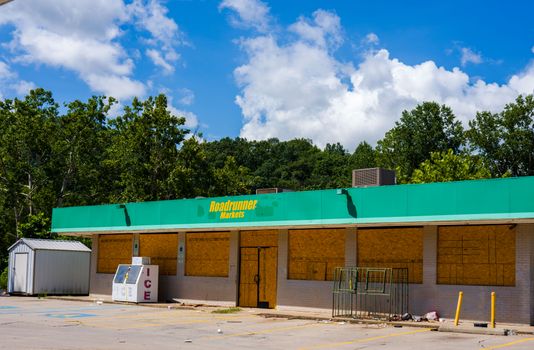 Photo: R9 Media Photo Collective / Pexels
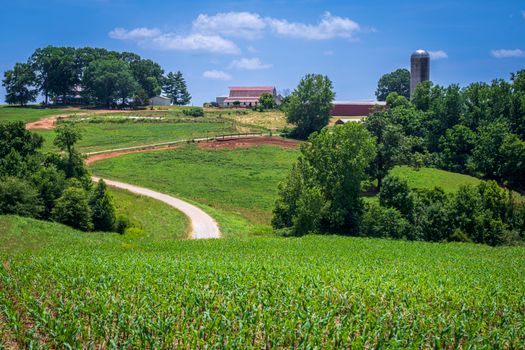 Photo: Mark Stebnicki / Pexels
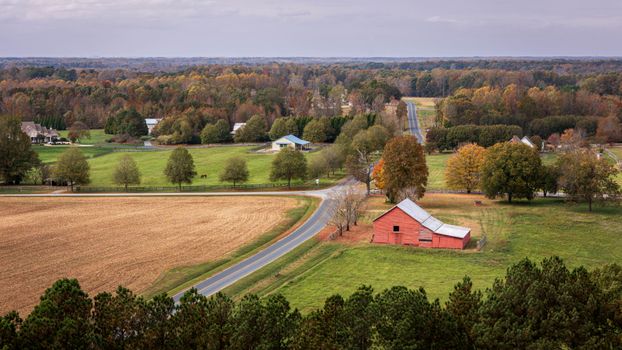 Photo: Mark Stebnicki / Pexels