Discover Your Dream: Land for Sale in Arizona
land for sale in arizona

Discover Your Dream: Land for Sale in Arizona

Uncover vast opportunities, from desert retreats to developing urban plots, and secure your piece of the Grand Canyon State.

Find Your Land Now

Key Takeaways

  • ✓ Arizona boasts diverse landscapes, from saguaro-studded deserts to pine forests and high plains.
  • ✓ Property values vary significantly based on location, zoning, water access, and infrastructure.
  • ✓ Many rural land parcels may lack direct utility connections, requiring well/septic and solar solutions.
  • ✓ Arizona's population growth drives strong demand for both residential and commercial land development.

How It Works

1
Define Your Needs & Budget

Determine your purpose for the land (residential, investment, recreation) and set a realistic budget. Consider long-term goals and potential development costs.

2
Research Locations & Zoning

Explore different regions of Arizona that align with your vision. Investigate local zoning regulations, future development plans, and property restrictions.

3
Due Diligence & Site Visits

Conduct thorough due diligence, including title searches, environmental assessments, and soil tests. Always visit potential properties in person to assess accessibility and features.

4
Secure Financing & Close

Arrange financing, which may differ from traditional home loans for undeveloped land. Work with a trusted real estate agent and attorney to navigate the closing process smoothly.

Navigating the Diverse Landscape of Arizona Land for Sale
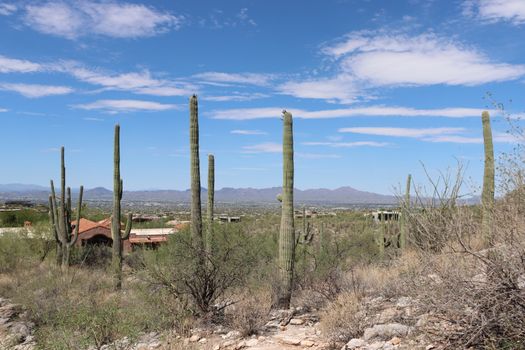
A breathtaking view of saguaro cacti under a sunny sky in Tucson, Arizona with mountains in the background. Photo: Lindsey Willard / Pexels
Arizona, known for its breathtaking natural beauty and vibrant economy, offers a truly unique array of land for sale opportunities. From the sun-drenched saguaro deserts of the south to the cooler, pine-forested mountains of the north, and the expansive high plains in between, the diversity is astounding. This vast landscape provides options for almost any aspiration, whether you're dreaming of a sprawling ranch, a secluded off-grid retreat, a future residential development, or a strategic commercial investment. Understanding this geographical variety is the first crucial step in your land acquisition journey. Each region presents its own set of characteristics, challenges, and benefits. For instance, land in the Phoenix metropolitan area and its surrounding suburbs (like Scottsdale, Mesa, Chandler, and Glendale) is highly sought after for residential and commercial development due to rapid population growth and a booming job market. Here, you'll find smaller infill lots, larger parcels earmarked for master-planned communities, and commercial sites. Prices in these urban corridors tend to be significantly higher, reflecting the demand and access to infrastructure. Conversely, areas like northern Arizona, including Flagstaff, Prescott, and Sedona, offer cooler climates, more mountainous terrain, and appeal to those seeking a retreat from the heat or opportunities for recreational properties. Land here might be forested, with unique geological features, and often comes with stricter environmental regulations or HOA restrictions, especially in scenic areas. Moving to central and eastern Arizona, you'll encounter a mix of agricultural land, larger ranch parcels, and rural residential lots. These areas often provide more acreage for your dollar but may require greater investment in infrastructure such as wells, septic systems, and solar power. The appeal here lies in the tranquility, open spaces, and potential for sustainable living or agricultural ventures. Southern Arizona, stretching from Tucson to the border, features desert landscapes, historic towns, and a unique blend of cultures. Land here can be ideal for those seeking a quiet desert lifestyle, investment in future growth corridors, or even specialized uses like astronomy observatories due to the clear night skies. Each of these regions demands a tailored approach to research and due diligence, ensuring that the land aligns perfectly with your vision and budget. For more insights into the broader real estate market, it's beneficial to explore statewide trends.

Key Considerations When Investing in Arizona Land
Close-up of a vintage water pump in a traditional Japanese setting, showcasing rustic charm. Photo: Alan Wang / Pexels
Acquiring land in Arizona is a significant investment that requires careful consideration beyond just the purchase price. Several critical factors can dramatically impact the usability, value, and long-term potential of your chosen parcel. Understanding these elements beforehand can prevent costly surprises and ensure your investment aligns with your goals. Firstly, water rights and access are paramount in arid Arizona. Many rural properties may not have municipal water connections, necessitating a private well. Investigating existing water rights, well permits, and the depth of the water table is absolutely essential. Some areas have restricted water use or require specific permits for new wells. A property without adequate water access can be virtually unusable for many purposes. Similarly, utility access—electricity, internet, and sewage—varies widely. While urban and suburban plots typically have these readily available, rural land often requires alternative solutions like solar power, septic systems, and satellite internet. The cost of bringing in utilities can be substantial and must be factored into your overall budget. Secondly, zoning and land use regulations are non-negotiable. Every parcel of land in Arizona is subject to specific zoning ordinances set by the county or municipality. These regulations dictate what the land can be used for (e.g., residential, commercial, agricultural, industrial), the maximum density of development, building setbacks, and environmental restrictions. Before making an offer, verify the zoning and ensure it permits your intended use. Future development plans for the surrounding area are also important; a quiet rural plot today could be adjacent to a new highway or commercial complex tomorrow. County planning departments are excellent resources for this information. Thirdly, access to the property itself is crucial. Is it accessible via a paved road, a maintained dirt road, or does it require a 4x4 vehicle? Are there easements for ingress and egress, especially for landlocked parcels? Understanding legal access and physical accessibility is vital for development and daily use. Beyond these, environmental factors such as flood plains, endangered species habitats, and soil quality can also impact development potential and costs. Engaging with local experts, including real estate attorneys, land surveyors, and environmental consultants, is highly recommended to conduct thorough due diligence and make an informed decision on your land for sale in Arizona.

Financing and Legalities of Buying Arizona Property

Close-up of people reviewing and signing an offer to purchase real estate document. Photo: RDNE Stock project / Pexels
Securing financing for raw land in Arizona differs significantly from obtaining a mortgage for an existing home. Traditional lenders often view undeveloped land as a higher risk due to its lack of immediate income potential and the absence of a structure that can be easily liquidated. Consequently, land loans typically require a larger down payment, often ranging from 20% to 50%, and may come with higher interest rates and shorter repayment terms. It's crucial to explore various financing options tailored to land purchases. Local banks and credit unions, especially those familiar with the Arizona market, are often more willing to offer land loans than national institutions. Seller financing can also be a viable option, where the current landowner acts as the bank, offering more flexible terms. Alternatively, some buyers opt for a personal loan or a line of credit, though these usually have higher interest rates. Beyond financing, the legal aspects of purchasing land in Arizona are complex and require expert guidance. A thorough title search is paramount to ensure the seller has clear ownership and that there are no undisclosed liens, easements, or encumbrances on the property. These could include rights-of-way for utilities, historical mining claims, or access agreements for neighboring properties. Any encumbrance could severely limit your ability to use or develop the land as intended. It's also essential to review the deed and any restrictive covenants, which are private agreements that can dictate what you can and cannot do with the land, such as minimum home sizes, architectural styles, or prohibitions on certain activities. These are common in planned communities or larger subdivided parcels. Working with an experienced Arizona real estate attorney is highly recommended to navigate these legal complexities. They can assist with contract review, title examination, understanding zoning laws, and ensuring all necessary disclosures are made. An attorney can also help you understand property taxes, which are assessed differently for undeveloped land compared to developed properties, and guide you through the closing process. Furthermore, for parcels with unique features like water rights, mineral rights, or those adjacent to state or federal lands, specialized legal advice is invaluable. Understanding these financial and legal intricacies is vital to a successful land purchase, ensuring your investment in land for sale in Arizona is secure and aligns with your long-term vision. For broader real estate investment knowledge, consider reviewing resources on real estate investment strategies.

Tips for a Successful Arizona Land Purchase & Common Mistakes to Avoid

Close-up of a hand with a yellow toy car on a map, symbolizing travel planning. Photo: RDNE Stock project / Pexels
Embarking on the journey to purchase land in Arizona can be incredibly rewarding, but it’s fraught with potential pitfalls if not approached carefully. Here are some essential tips to ensure a successful acquisition and common mistakes you should diligently avoid: **Tips for Success:** * **Work with a Land-Savvy Agent:** Not all real estate agents specialize in undeveloped land. Seek out an agent with specific experience in land sales in your target Arizona region, as they understand the unique challenges and opportunities. * **Visit the Property Multiple Times:** Don't just rely on photos or a single visit. Visit at different times of day, in different weather conditions, and ideally with an expert (e.g., a contractor, well driller) to assess its true potential and challenges. * **Budget for Development Costs:** Raw land is rarely turnkey. Factor in costs for surveys, permits, utility extensions, well drilling, septic installation, grading, and potentially road improvements. These can easily add tens of thousands of dollars to your project. * **Understand Environmental Factors:** Investigate flood zones, soil composition, potential for wildfires, and any protected species habitats. These can significantly impact development plans and costs. * **Verify Access and Easements:** Ensure legal and physical access to the property is clear and documented. Confirm any easements for utilities or neighboring properties are clearly defined and do not impede your plans. **Common Mistakes to Avoid:** * **Skipping Due Diligence:** The biggest mistake is not thoroughly researching zoning, water rights, utility access, and title issues. Assume nothing and verify everything. * **Underestimating Development Costs:** Many buyers focus solely on the land price and are shocked by the expenses involved in making raw land buildable. Get estimates early. * **Ignoring Water Issues:** In Arizona, water is precious. Failing to understand water availability, rights, and costs (for wells or municipal connections) can render land useless. * **Buying Landlocked Property Without an Easement:** Purchasing land without a legally recorded easement for access means you might not be able to reach your property without trespassing. * **Not Consulting Local Experts:** Relying solely on your own research can be risky. Engage local surveyors, contractors, well drillers, and attorneys who understand Arizona-specific regulations and conditions. Their expertise is invaluable. By following these tips and avoiding common errors, your search for land for sale in Arizona will be a much smoother and more successful endeavor, leading you to the perfect parcel for your dreams.

Comparison

FeatureUrban/Suburban LandRural/Off-Grid LandRecreational Land
Price per AcreHighestModerate to LowModerate
Utility AccessReadily AvailableOften Requires Well/Septic/SolarMinimal to None
Development PotentialHigh (Residential/Commercial)Moderate (Residential/Ag)Low (Limited Structures)
Zoning ComplexityHigh (Detailed Regulations)Moderate (Fewer Restrictions)Moderate (Environmental Focus)
Water AccessMunicipal WaterOften Requires Well/HaulVariable (Natural Sources/Well)
Investment TypeGrowth/DevelopmentLong-term/LifestyleLeisure/Conservation

What Readers Say

"We found an amazing 5-acre lot for sale in Arizona through this guide. The advice on checking water rights saved us so much trouble. We're now planning our dream home!"

Sarah J. · Phoenix, AZ

"The article's breakdown of financing options for raw land was incredibly helpful. I thought it would be impossible, but I learned about seller financing and am now a proud landowner."

David M. · Tucson, AZ

"This resource helped me avoid a huge mistake with a landlocked property. The emphasis on legal access and easements was a game-changer. I secured a parcel with clear access."

Emily R. · Flagstaff, AZ

"Good insights, especially on utility considerations for rural land. While not every detail applied to my specific situation, the overall guidance pointed me in the right direction for due diligence."

Mark T. · Prescott, AZ

"As an investor, the tips on zoning and future development plans were invaluable. I used this information to identify a parcel with excellent potential for commercial growth near a new highway project."

Lisa K. · Yuma, AZ

Frequently Asked Questions

What are the most popular areas for land for sale in Arizona?

Popular areas include the Phoenix metropolitan outskirts for development, northern Arizona (Flagstaff, Prescott, Sedona) for cooler climates and recreation, and areas around Tucson for desert living and investment. The 'best' area depends entirely on your specific goals, budget, and intended use for the land.

Is it difficult to get water rights for land in Arizona?

Securing water rights can be complex in Arizona due to its arid climate and strict regulations. Many rural parcels may require drilling a private well, which involves permits and can be costly. It's crucial to investigate existing water rights or the feasibility of obtaining new ones before purchasing, as water access is often the most critical factor for usability.

How do I research zoning and land use for a specific parcel in Arizona?

To research zoning, you should contact the planning and zoning department of the county or municipality where the land is located. Provide them with the parcel number (APN) or address. They can provide detailed information on current zoning, permitted uses, building restrictions, and any future development plans for the area.

What is the typical down payment for a land loan in Arizona?

Land loans typically require a higher down payment than traditional home mortgages, often ranging from 20% to 50% of the purchase price. This is due to the higher perceived risk for lenders. Interest rates can also be higher, and terms shorter, compared to conventional home loans.

How does buying raw land in Arizona compare to buying land with an existing home?

Buying raw land offers greater flexibility for custom development and potentially lower initial costs per acre, but comes with significant development expenses (utilities, septic, well, permits). Land with an existing home is often more expensive upfront but is usually move-in ready with established infrastructure, reducing immediate development concerns.

Who should consider buying land for sale in Arizona?

Individuals looking to build a custom home, real estate developers seeking future project sites, investors looking for long-term appreciation, those desiring an off-grid lifestyle, or people wanting a recreational property for hunting, camping, or stargazing should consider buying land in Arizona.

What are the biggest risks when buying undeveloped land in Arizona?

The biggest risks include lack of adequate water access, unexpected high costs for utility extensions or infrastructure, undisclosed environmental issues (e.g., flood zones, contaminated soil), unclear title or access easements, and restrictive zoning that prevents your intended use. Thorough due diligence is key to mitigating these risks.

What are the future trends for land values in Arizona?

Arizona's continued population growth and economic expansion suggest a positive trend for land values, particularly in urbanizing corridors and areas with good infrastructure. Demand for both residential and commercial development land is expected to remain strong. Rural and recreational land values may also see increases as more people seek escape and investment opportunities outside crowded areas.

Ready to claim your piece of the Grand Canyon State? Explore the diverse opportunities for land for sale in Arizona today. Whether for building, investment, or recreation, your perfect Arizona property awaits. Start your search now and turn your vision into a reality.

Topics: land for sale in arizonaarizona real estatebuy land arizonaarizona propertyundeveloped land arizona
Leo List
Brampton weed
Adultwork EstrelaBet Vai de Bet R7 Bet Betão Galera Bet Rainbet Bet9ja Shop SportyBet BetKing Sisal Loto Foot Hollywoodbets YesPlay Odibets RushBet Jugabet BetWarrior BetCity MSport betPawa Fortebet