Discover Your Dream Land for Sale in Arizona
August 24, 2026 14 min read 2,817 words
Unlock the potential of Arizona's diverse landscapes, offering unparalleled opportunities for investment, development, and personal sanctuary.
Find Your Land Today
Understanding the Appeal of Arizona Land for Investment and Lifestyle
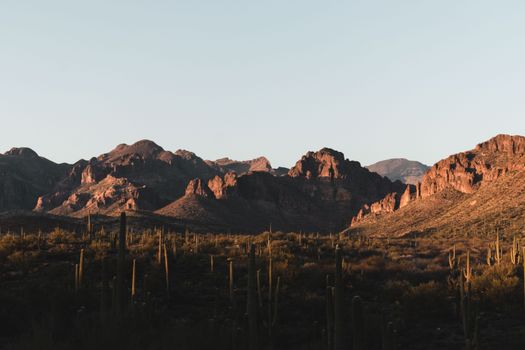 Photo: Ryan Leeper / Pexels
Arizona, a state renowned for its breathtaking natural beauty and vibrant economy, presents a compelling case for those seeking land for sale. From the iconic saguaro-studded Sonoran Desert to the cool, pine-clad mountains of the north, the diversity of its landscapes is unmatched. This geographical variety offers a unique appeal, whether you envision building a custom desert oasis, establishing a serene mountain retreat, or investing in future development opportunities. The state's consistent population growth, driven by its attractive climate, thriving job markets in tech and healthcare, and lower cost of living compared to coastal states, underpins a strong and often appreciating real estate market. This growth translates directly into increased demand for land, making it a sound long-term investment. Investors often look to Arizona for its potential for future appreciation, while individuals seek plots to build their dream homes, establish agricultural ventures, or simply own a piece of the American West. The appeal extends beyond mere aesthetics; Arizona's strategic location provides access to major transportation corridors, linking it to California, Nevada, Utah, and Mexico, which is a significant factor for commercial and industrial land purchasers. Moreover, the state's business-friendly policies and a generally lower tax burden contribute to its allure for both residential and commercial development. As you explore
real estate opportunities, understanding these fundamental drivers of demand is crucial. The state's commitment to renewable energy projects also opens up specific niches for land investment, particularly in areas with abundant sunshine and open spaces. Furthermore, Arizona's rich cultural heritage and proximity to national parks and recreational areas add another layer of desirability, attracting those who value outdoor adventure and a connection to nature. The diversity isn't just in geography; it's also in the types of land available – from small, buildable residential lots within master-planned communities to expansive rural acreage suitable for ranching, farming, or even large-scale development projects. Each region within Arizona offers its own unique set of advantages and considerations, making a detailed understanding of your specific needs and goals paramount. For instance, land near metropolitan areas like Phoenix or Tucson will have different characteristics and price points than acreage in more remote, rural counties. The robust tourism industry also creates demand for land suitable for vacation rentals or hospitality ventures, further diversifying the market. This multifaceted appeal ensures that whether you're a seasoned investor or a first-time land buyer, Arizona offers a canvas of possibilities waiting to be explored.
Navigating the Diverse Regions and Their Land Opportunities
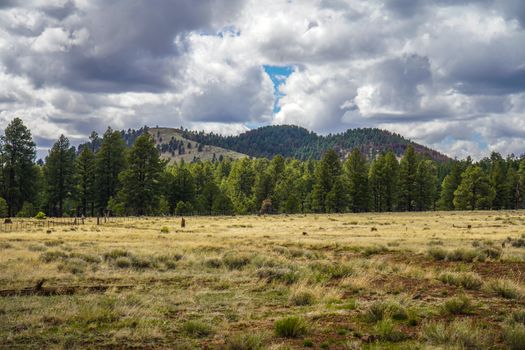 Photo: Dianna Sarmiento / Pexels
Arizona is not a monolithic landscape; it's a tapestry of distinct regions, each offering unique land opportunities and investment profiles. Understanding these regional differences is key to making an informed purchase of land for sale in Arizona. The **Phoenix Metropolitan Area**, including cities like Scottsdale, Tempe, Mesa, and Chandler, represents the state's economic powerhouse. Land here is often at a premium, with parcels primarily suited for residential development, commercial projects, or infill opportunities. Prices are higher, but the potential for rapid appreciation and access to amenities is significant. Investors seeking immediate development potential or high-density residential projects often focus on this region. However, even within the metro area, there are still peripheral areas offering larger lots or undeveloped acreage that may hold future value as urban sprawl continues. The **Tucson Area**, in Southern Arizona, offers a slightly more relaxed pace than Phoenix but still boasts a robust economy and a strong demand for land. Its proximity to the University of Arizona and its reputation as a cultural hub make it attractive for both residential and commercial development, often with a unique Southwestern architectural aesthetic. Land here can be more affordable than Phoenix, particularly as you move further from the city center, offering opportunities for larger custom homes or equestrian properties. Moving north, the **Northern Arizona region**, encompassing Flagstaff, Prescott, and Sedona, provides a dramatic contrast. Here, the landscape shifts to pine forests, mountains, and cooler climates, making it a popular escape from the desert heat. Land in these areas is highly sought after for vacation homes, cabins, and recreational properties. Parcels near national forests or with mountain views command premium prices. Water access can be a more significant factor in these regions, with wells or shared water systems being common. The demand for land in places like Sedona is driven by its unique red rock beauty and spiritual tourism, while Flagstaff appeals to those seeking a four-season climate and outdoor activities. The **Western Arizona corridor**, along the Colorado River, including cities like Lake Havasu City and Yuma, offers land opportunities focused on water recreation, agriculture, and snowbird communities. Land here often has access to the river or nearby lakes, making it ideal for vacation homes, RV parks, or properties with boating access. Agricultural land in areas like Yuma is highly productive due to irrigation from the Colorado River. Finally, the vast **Rural and Eastern Arizona regions** offer the most expansive and often most affordable land. This includes areas like Cochise County, Apache County, and Gila County. Here, you'll find large ranches, undeveloped acreage, and parcels suitable for off-grid living, farming, or extensive recreational use. While amenities are scarcer, the appeal lies in solitude, natural beauty, and lower entry costs. Due diligence regarding access, utilities, and water rights is especially critical in these more remote areas. Each region presents a different value proposition, requiring buyers to align their specific goals with the characteristics of the local land market. Understanding these nuances is paramount to a successful land acquisition in Arizona.
Essential Due Diligence for Buying Land in Arizona
 Photo: Nelson Axigoth / Pexels
Purchasing land, especially in a diverse and ecologically sensitive state like Arizona, requires meticulous due diligence. This process is far more complex than buying an existing home and can significantly impact the usability, value, and future potential of your investment. Overlooking critical details can lead to costly surprises down the line. First and foremost, **verify legal access** to the property. Not all parcels, particularly in rural or undeveloped areas, have direct public road access. Easements, shared driveways, or landlocked parcels are common issues. Ensure you have a clear, legally documented right-of-way that is recorded with the county. Without it, your land may be inaccessible or require expensive legal battles to gain entry. Next, investigate **zoning and land use restrictions**. Every parcel of land falls under specific zoning regulations dictated by the county or municipality. These regulations dictate what you can and cannot do with the land – from the type of structures allowed, building setbacks, maximum height, and even the number of animals you can keep. A property zoned for agricultural use will have different rules than one zoned for residential or commercial. Always check with the local planning and zoning department to confirm your intended use is permissible. This is a critical step for any land buyer, whether for personal use or
real estate development. **Water rights and availability** are perhaps the most crucial consideration in arid Arizona. Water is a precious commodity, and understanding the water situation for your chosen parcel is non-negotiable. Is there access to a municipal water line? Will you need to drill a well, and if so, what are the costs and permits involved? Are there existing water rights tied to the land? Investigate the depth of the water table and the productivity of local wells. Some areas have restrictions on well drilling or water usage. For properties relying on wells, consider a well inspection to assess its condition and output. **Utility access** is another major factor. Determine the proximity and cost of connecting to electricity, septic/sewer, and natural gas. In remote areas, extending utilities can be prohibitively expensive, making off-grid solutions (solar, septic systems) a more viable, but still costly, alternative. Obtain quotes for utility extensions if necessary. **Environmental concerns** should also be thoroughly investigated. This includes flood plain designations, soil stability (especially in areas prone to erosion or expansive soils), and potential contamination from previous uses. A Phase I Environmental Site Assessment might be prudent for larger parcels or those with a history of industrial use. **Property surveys and boundaries** are essential. A recent survey ensures you know exactly what you're buying and avoids boundary disputes with neighbors. Confirm that all property lines are clearly marked and consistent with public records. Finally, research **property taxes, HOA fees (if applicable), and any liens or encumbrances** on the title. A title search will reveal any outstanding debts, easements, or other claims against the property that could affect your ownership or use. Engaging a knowledgeable local real estate attorney and a reputable land agent specializing in Arizona properties is highly recommended to navigate these complexities and ensure a smooth, secure transaction. Their expertise can save you significant time, money, and potential headaches.
Smart Strategies and Common Pitfalls for Buying Land in Arizona
 Photo: Nothing Ahead / Pexels
When seeking land for sale in Arizona, adopting smart strategies and being aware of common pitfalls can significantly enhance your chances of a successful and satisfying purchase. This market, while full of opportunity, also has its unique challenges.
**Smart Strategies for Land Buyers:**
* **Work with a Land Specialist:** Don't use a general residential real estate agent unless they specifically specialize in land transactions. Land deals are complex and require different expertise, particularly regarding zoning, utilities, water rights, and access.
* **Visit the Property Multiple Times, at Different Times of Day:** A single visit rarely reveals everything. See the land in morning, afternoon, and evening to observe sun exposure, noise levels, and neighborhood activity. Visit after rain to check for drainage issues.
* **Talk to Neighbors:** Local insights can be invaluable. Neighbors can provide information about water issues, local wildlife, community dynamics, and any unrecorded easements or historical issues.
* **Obtain Multiple Quotes for Development Costs:** If you plan to build, get estimates for well drilling, septic installation, utility extensions, and site preparation (grading, clearing). These costs can vary wildly and significantly impact your overall budget.
* **Understand the Local Climate and Terrain:** Arizona's climate varies dramatically. Ensure the land's characteristics (soil type, slope, vegetation) are suitable for your intended use and building plans. Consider fire risk in forested areas.
* **Factor in Resale Value:** Even if you plan to hold long-term, consider the future marketability of the land. Unique features, good access, and desirable locations generally hold their value better.
**Common Pitfalls to Avoid:**
* **Ignoring Water Rights:** This is perhaps the biggest mistake in Arizona. Assuming water is available or easily accessible without thorough investigation can lead to unusable land. Always verify water availability and rights.
* **Overlooking Access Issues:** Buying landlocked property or property with only informal access can create nightmares. Ensure legal, recorded access.
* **Failing to Verify Zoning and Permits:** Starting a project only to find out it violates zoning laws or requires permits you can't obtain is a costly error. Always confirm with local authorities.
* **Underestimating Development Costs:** The price of the raw land is often just the beginning. The costs of bringing in utilities, grading, and obtaining permits can sometimes exceed the land's purchase price.
* **Not Getting a Full Title Search and Survey:** Skipping these steps can lead to boundary disputes, hidden liens, or unknown easements that encumber the property.
* **Buying Sight Unseen:** Never purchase land without physically walking the entire property. Photos can be deceiving, and you need to understand the topography and surroundings firsthand.
By combining proactive research with expert guidance, buyers can confidently navigate the Arizona land market and secure a property that truly meets their aspirations.
