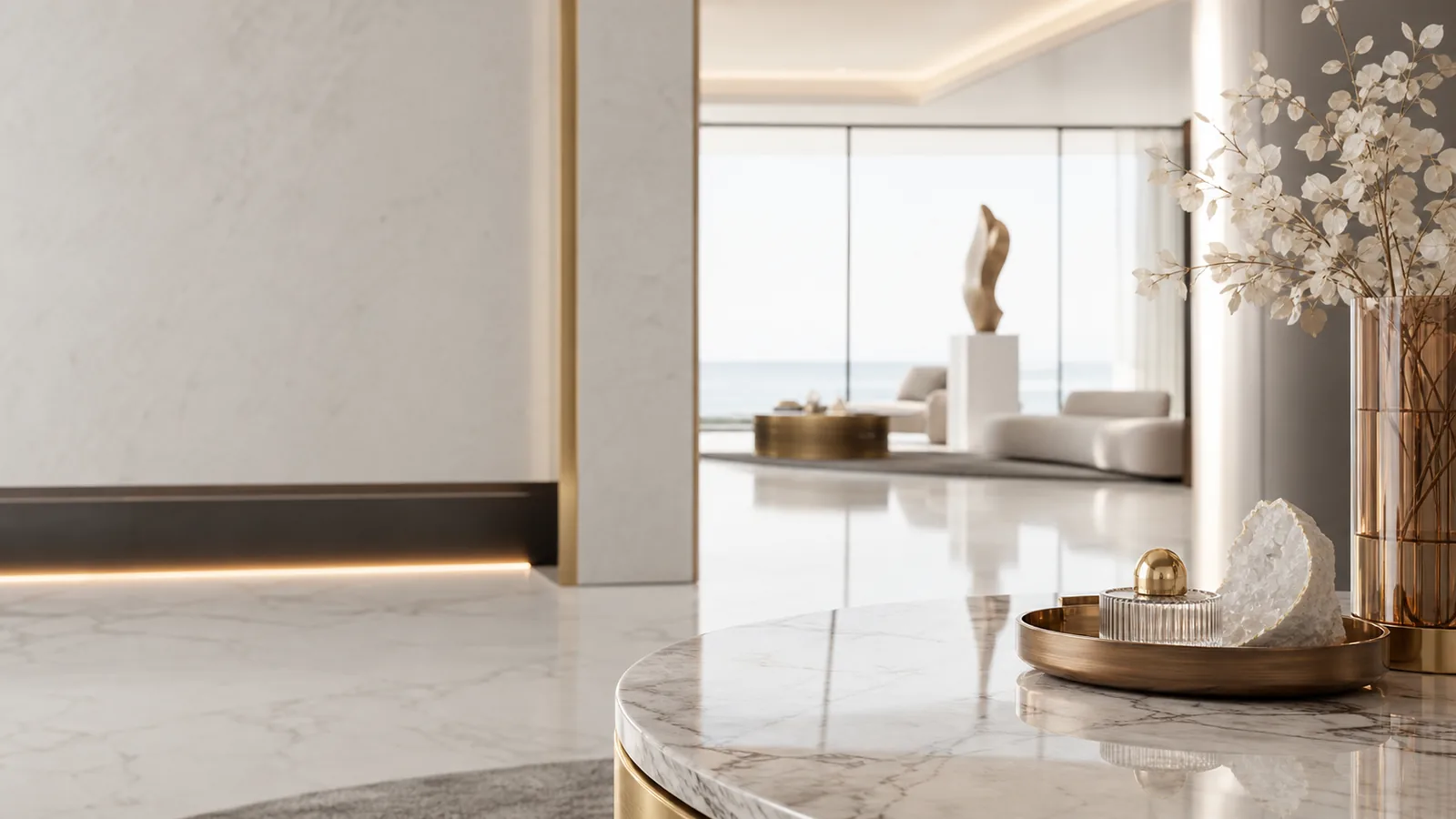
✓ Staged homes sell 73% faster than un-staged homes.
✓ Professional staging can increase a home's sale price by 1-10%.
✓ 90% of buyers start their home search online, making first impressions critical.
✓ The average cost of home staging is 0.5% to 1.5% of the home's listing price, a small investment for significant returns.
How It Works
1
Declutter and Depersonalize
Remove excess items, personal photos, and unique decor. Create a neutral canvas that allows buyers to envision themselves living in the space.
2
Deep Clean and Repair
Thoroughly clean every surface, from baseboards to ceiling fans. Address minor repairs like leaky faucets or chipped paint to present a well-maintained home.
3
Optimize Layout and Lighting
Arrange furniture to highlight space and flow, ensuring clear pathways. Maximize natural light and add supplemental lighting to create a bright and inviting atmosphere.
4
Enhance Curb Appeal
Make a strong first impression with a well-maintained exterior. Trim landscaping, power wash surfaces, and add welcoming touches to the entrance.
The Psychology Behind Effective Home Staging
Selling a home is as much about emotional connection as it is about square footage and location. When potential buyers walk through your door, they're not just looking at a house; they're imagining their future. This is where the profound impact of understanding real estate marketing and the psychology of home staging comes into play. Effective staging taps into universal desires for comfort, space, and a certain lifestyle, subtly guiding a buyer's emotional response. A well-staged home allows prospective buyers to visualize themselves living there, fostering a sense of belonging and desire. They aren't just seeing walls and floors; they're seeing a beautifully set dining table where they'll host family dinners, a cozy reading nook where they'll unwind, or a spacious backyard where their children will play. By removing personal items and creating a neutral, yet inviting, environment, you allow buyers to project their own lives into the space, rather than being distracted by yours. This depersonalization is crucial. While your family photos and unique art pieces hold sentimental value to you, they can make it harder for a stranger to feel at home. The goal is to create a blank canvas that feels aspirational and attainable, a place where dreams can easily take root. Furthermore, staging often highlights a home's best features while downplaying its less desirable aspects. Strategic furniture placement can make a small room appear larger, and thoughtful lighting can brighten a dim corner. It’s about creating an optimal visual narrative for every room. This psychological preparation of a home for sale goes beyond mere aesthetics; it's a strategic move that significantly impacts how buyers perceive value, ultimately influencing their willingness to make an offer and the price they're willing to pay. Investing time and effort into understanding these psychological triggers can yield substantial returns, making your property stand out in a competitive market and resonate deeply with its ideal buyer. It’s about selling a lifestyle, not just a structure, and that emotional connection is invaluable in the home-selling process.
Essential Steps to Prepare Your Home for Sale
Before any aesthetic enhancements can begin, a thorough preparation phase is paramount. This foundational work ensures that your staging efforts are built upon a solid, pristine base, maximizing their impact. The first, and arguably most crucial, step is an exhaustive decluttering and depersonalization process. Walk through every room with a critical eye, as if you’re a potential buyer seeing the home for the first time. Remove all excess items that make a space feel cramped or untidy. This includes overflowing bookshelves, crowded countertops, and any furniture that obstructs natural flow. Personal items such as family photographs, unique art collections, and highly specific decor should be packed away. The goal is to create a neutral, clean slate that allows buyers to easily envision their own belongings and style within the space. Think of it as creating a model home experience. Once decluttering is complete, an intensive deep clean is next. This goes far beyond routine tidying. Every surface, from baseboards to ceiling fans, windows, and light fixtures, must sparkle. Pay particular attention to kitchens and bathrooms, as these rooms are often deal-makers or breakers for buyers. Grout should be scrubbed, appliances polished, and mirrors streak-free. Don't forget often-overlooked areas like inside cabinets and closets, as buyers will inevitably peek. Alongside cleaning, address all minor repairs. A leaky faucet, a chipped paint spot, a loose doorknob, or a burnt-out light bulb might seem insignificant individually, but collectively, they can give buyers the impression that the home has not been well-maintained. These small fixes are often inexpensive and easy to tackle, yet they convey a sense of care and attention to detail that reassures potential buyers. Consider professional cleaning services if time or capability is an issue, as their expertise can achieve a level of cleanliness that is difficult to match otherwise. This meticulous preparation sets the stage for successful staging, presenting a home that feels fresh, well-cared for, and ready for its next chapter, greatly enhancing its appeal to a broad range of prospective buyers.
Maximizing Appeal: Lighting, Layout, and Lived-In Luxury
Once your home is decluttered, depersonalized, and impeccably clean, the next phase focuses on optimizing the aesthetic and functional appeal through strategic lighting, thoughtful furniture arrangement, and creating an atmosphere of 'lived-in luxury.' Lighting is a powerful tool in home staging. Maximize natural light by opening all blinds, curtains, and drapes during showings. Clean windows allow more light to stream in, instantly making rooms feel brighter and more expansive. Supplement natural light with artificial sources, ensuring every room is well-lit. Use a mix of ambient (overhead), task (lamps for reading), and accent (spotlights on art) lighting to create warmth and depth. Replace any dim or mismatched bulbs with consistent, bright, warm-toned LEDs. A well-lit home feels welcoming, cheerful, and spacious, directly impacting a buyer's mood and perception of the property. Furniture layout is equally critical. The goal is to highlight the size and purpose of each room, creating clear pathways and a sense of flow. Arrange furniture to define seating areas and conversation zones, but avoid overcrowding. Pull furniture slightly away from walls to make rooms feel larger. In bedrooms, ensure beds are centered and complemented by appropriate nightstands and lamps. The layout should guide buyers effortlessly through the home, allowing them to appreciate the scale and potential of each space without feeling cramped or confused. Finally, introduce elements of 'lived-in luxury' without reverting to personal clutter. This involves adding subtle touches that evoke comfort, sophistication, and desirability. Think plush throws casually draped over sofas, decorative pillows, fresh flowers or a bowl of fruit on a kitchen island, and a few carefully selected books on a coffee table. High-quality, neutral-colored linens in bedrooms and fresh, coordinating towels in bathrooms add a touch of spa-like indulgence. The key is moderation – these items should enhance the space, not distract from it. This strategic layering of lighting, intelligent layout, and tasteful decor culminates in a home that not only looks fantastic in photos but also feels inviting and aspirational in person, significantly increasing its marketability and potential for a quick and profitable sale. For more insights on presentation, consider resources on home maintenance tips.
Outdoor Oasis and Common Staging Mistakes to Avoid
The exterior of your home is the first thing potential buyers see, whether in person or online, making curb appeal just as vital as interior staging. A well-maintained and inviting outdoor space sets a positive tone even before they step inside. Start with your front yard: ensure the lawn is neatly mowed, edged, and watered. Trim hedges and bushes, remove any weeds from flowerbeds, and consider planting fresh, colorful flowers for an immediate pop of vibrancy. Power wash the exterior of your house, driveway, and walkways to remove dirt and grime. Ensure your front door is clean, perhaps even freshly painted in a welcoming color, and that the hardware is polished. A new, attractive doormat and some potted plants can complete the welcoming entrance. For backyards, ensure patios and decks are clean and clutter-free, perhaps staged with outdoor furniture that defines a seating or dining area. The goal is to show a well-cared-for, functional outdoor living space that complements the interior.
While striving for perfection, it's easy to fall into common staging pitfalls that can detract from your efforts. Here are some key mistakes to avoid:
* **Over-Staging:** While staging is good, too much can make a home feel artificial or overly decorated, leaving no room for a buyer's imagination. Keep it tasteful and minimalist.
* **Ignoring Odors:** Pet odors, cooking smells, or stale air can be immediate turn-offs. Address the source of any odors and ensure fresh air circulates. Baking cookies before an open house is a classic for a reason!
* **Forgetting Functionality:** Staged rooms should still feel functional. Don't arrange furniture in a way that makes it impossible to move around or use the space practically.
* **Neglecting Repairs:** Small repairs, like a dripping faucet or a loose cabinet handle, signal neglect. Fix these before showings to convey a sense of a well-maintained home.
* **Poor Photography:** Even the best staging won't shine without professional photography. Dark, blurry, or poorly angled photos can completely undermine your staging efforts online.
* **Personal Touches Remain:** While you want the home to feel inviting, leaving personal photos, excessive memorabilia, or highly specific collections makes it difficult for buyers to envision themselves there. Remember, depersonalization is key.
* **Inconsistent Style:** Ensure a cohesive style throughout the house. A jarring transition from ultra-modern in one room to rustic in another can be confusing and off-putting.
By focusing on strong curb appeal and meticulously avoiding these common errors, you can significantly enhance your home's attractiveness and ensure your staging efforts translate into tangible buyer interest and offers.
Comparison
Feature
DIY Staging
Professional Staging (Partial)
Professional Staging (Full)
Cost
Low (materials only)
Moderate (consultation + rentals)
High (full service)
Time Investment
High (your effort)
Moderate (coordination)
Low (stager manages)
Expertise Level
Basic/Amateur
Professional guidance
Full professional execution
Objectivity
✗
✓
✓
Inventory Access
Limited (your items)
Access to rental inventory
Full access to high-end inventory
Potential ROI
Good
Excellent
Exceptional
What Readers Say
★★★★★
"Following these staging tips helped us sell our home in just 5 days! The advice on decluttering and lighting made a huge difference. We received multiple offers above asking price."
Sarah J. · Austin, TX
★★★★★
"I was skeptical about home staging, but after reading this, I tried the suggestions. Our house looked so much more inviting and we had an offer within two weeks. Definitely worth the effort."
Mark D. · Miami, FL
★★★★★
"The section on neutralizing personal items was a game-changer. Our realtor said the house felt so much more spacious and appealing to buyers. We sold for 8% over our initial expectation!"
Emily R. · Seattle, WA
★★★★★
"Most of the advice was extremely helpful, especially the focus on deep cleaning and minor repairs. We did struggle a bit with furniture arrangement, but the overall impact was very positive."
David L. · Denver, CO
★★★★★
"As a first-time seller, I felt overwhelmed. This guide broke down how to stage a house for sale into manageable steps. My open house was packed, and we closed quickly!"
Jessica M. · Chicago, IL
Frequently Asked Questions
What is the most important aspect of home staging?
The most important aspect of home staging is creating a clean, decluttered, and neutral environment that allows potential buyers to easily envision themselves living in the home. Depersonalization is key, as it enables buyers to project their own lifestyle onto the property, fostering an emotional connection that can lead to higher offers and a quicker sale.
Is home staging really worth the investment?
Yes, home staging is almost always worth the investment. Studies consistently show that staged homes sell faster and often for a higher price than unstaged homes. While there's an upfront cost, the return on investment (ROI) typically far outweighs it, especially in competitive markets where first impressions are critical.
How do I depersonalize my home without making it feel cold?
To depersonalize without making your home feel cold, focus on removing personal photos and highly specific decor while retaining warmth through inviting elements. Use neutral color palettes, add soft textures with throws and pillows, ensure ample lighting, and incorporate subtle, tasteful accessories like fresh flowers or a bowl of fruit. The goal is a universally appealing, aspirational feel.
What is the average cost to stage a house for sale?
The average cost to stage a house for sale in the US typically ranges from 0.5% to 1.5% of the home's listing price. This can vary widely based on whether you opt for DIY staging, a partial professional staging (consultation and some rentals), or a full professional staging service that includes furniture and decor rentals for the entire home.
How does professional staging compare to DIY staging?
Professional staging offers an objective, expert eye and access to a wider range of inventory, often leading to a more polished and effective presentation. DIY staging is more cost-effective but requires significant time, effort, and a keen eye for design. While DIY can achieve good results, professional staging often yields higher returns due to its strategic and unbiased approach to showcasing a home's best features.
Who should consider staging their home for sale?
Anyone selling their home should consider staging, but it's particularly beneficial for sellers in competitive markets, those with vacant properties, or homes that have lingered on the market. Staging helps every home, regardless of price point or condition, appeal to a broader audience and stand out from the competition.
Are there any risks associated with home staging?
The primary 'risk' associated with home staging is the upfront cost, though this is typically recouped and then some in the final sale price. Another potential risk is over-staging, where a home feels artificial or loses its character, but this is usually avoided with professional guidance or careful DIY execution focused on neutrality and spaciousness.
What are the future trends in home staging?
Future trends in home staging include increased use of virtual staging for online listings, a greater emphasis on creating dedicated home office spaces, sustainable and eco-friendly staging choices, and leveraging smart home technology to showcase modern living. The focus will continue to be on creating aspirational, yet relatable, environments for diverse buyer preferences.
Mastering how to stage a house for sale is not just about decorating; it's about strategic marketing and understanding buyer psychology. By implementing these expert tips, you're not just selling a property – you're selling a dream, ensuring your home stands out, attracts top offers, and achieves a swift, successful sale.