✓ Pre-licensing education is mandatory in most states.
✓ A state-administered exam must be passed.
✓ Sponsorship by a broker is typically required for new agents.
How It Works
1
Meet State Eligibility Requirements
Confirm you meet age, residency, and educational prerequisites for your specific state. These foundational criteria are non-negotiable for licensure.
2
Complete Pre-Licensing Education
Enroll in and successfully complete the required hours of real estate coursework. This education covers essential topics to prepare you for the industry.
3
Pass the State Real Estate Exam
Study diligently and pass both the national and state portions of your real estate licensing exam. This comprehensive test assesses your knowledge of real estate principles and laws.
4
Apply for Your License and Find a Broker
Submit your license application to the state's real estate commission and secure sponsorship from a licensed broker. You cannot legally practice real estate without an active license and broker affiliation.
Understanding the Foundation: Eligibility and State-Specific Prerequisites
Photo: Kindel Media / Pexels
Embarking on the journey of how to get a real estate license begins with a critical first step: understanding and meeting the fundamental eligibility requirements, which are often dictated at the state level. While there's a general framework that applies across the United States, the specifics can vary significantly from one state to another. This foundational knowledge is paramount because failing to meet even one prerequisite can delay or completely halt your licensing process. Generally, all states require applicants to be at least 18 years old. Some states, however, might set the age requirement at 19 or even 21, particularly if the applicant intends to work as a broker immediately, though this is less common for an initial salesperson license. It's crucial to verify the exact age requirement for the state where you intend to practice.
Another universal requirement is legal residency in the United States. While you don't necessarily need to be a U.S. citizen, you must have the legal right to work in the country. This typically involves holding a valid Social Security number or an Individual Taxpayer Identification Number (ITIN). Beyond these basic demographic requirements, most states also mandate a minimum level of educational attainment. A high school diploma or its equivalent (such as a GED) is almost always required. Some states might even prefer or require a certain amount of college coursework, though this is less common for an entry-level real estate salesperson license.
Perhaps one of the most critical and often overlooked aspects of eligibility is the character and background check. Every state's real estate commission is tasked with protecting the public, and as such, they scrutinize applicants' moral character. This almost universally involves a criminal background check, typically through fingerprinting. Felony convictions, especially those related to fraud, theft, or moral turpitude, can be a significant impediment to obtaining a license. Misdemeanors are also reviewed, and a pattern of certain types of offenses could be problematic. It's imperative to be completely honest on your application regarding any past legal issues. Most state commissions have a process for reviewing past convictions, and in some cases, you might be able to obtain a license if you can demonstrate rehabilitation and that the conviction does not directly relate to the duties of a real estate professional. Some states offer a preliminary review process where you can submit your criminal history for an assessment before investing time and money into pre-licensing education. This can be an invaluable step for anyone with a questionable background, as it provides clarity on your eligibility upfront.
Furthermore, some states may have specific residency requirements, meaning you must have resided in that state for a certain period before applying. While less common, it's another detail to confirm. For example, if you're moving from Texas to California and want to get your California real estate license, you'll need to check if there's a minimum residency period. The best way to ascertain all state-specific requirements is to visit the official website of your state's Real Estate Commission or Department of Real Estate. These government bodies provide comprehensive guides, often in the form of downloadable handbooks or online FAQs, that detail every step of the licensing process, including all eligibility criteria. They also list approved education providers and examination schedules. Ignoring these initial steps can lead to wasted time and resources, making a thorough review of your state's specific prerequisites the undeniable first move on your path to becoming a licensed real estate professional.
Navigating Pre-Licensing Education: Your Path to Knowledge
Photo: Alena Darmel / Pexels
Once you've confirmed your eligibility, the next significant hurdle in how to get a real estate license is completing the mandatory pre-licensing education. This isn't just a formality; it's a foundational training period designed to equip you with the essential knowledge, ethical understanding, and practical skills necessary to operate competently and legally in the real estate market. The number of hours required for pre-licensing education varies dramatically from state to state. While some states, like Colorado, might only require 168 hours, others, such as Georgia, demand 75 hours, and still others, like Texas, require 180 hours. It's critical to research your specific state's requirements, as fulfilling the correct number of hours from an approved provider is non-negotiable for exam eligibility.
These courses cover a wide array of topics, typically divided into a national portion and a state-specific portion. The national curriculum generally includes core real estate principles such as property law, real estate finance, agency relationships, contracts, valuation and appraisal, and fair housing laws. These are the universal concepts that govern real estate transactions across the country. The state-specific portion, on the other hand, delves into the unique laws, regulations, and practices pertinent to your particular state. This might include specific disclosure requirements, state-level real estate statutes, licensing laws, and local customs. Understanding both national and state-specific content is crucial for passing the licensing exam and for ethical, effective practice.
Pre-licensing education can be pursued through various formats to accommodate different learning styles and schedules. Traditional classroom settings offer direct interaction with instructors and peers, fostering a collaborative learning environment. Many students find the structure and immediate feedback beneficial. Online courses, however, have become increasingly popular due to their flexibility. They allow students to learn at their own pace, often from anywhere with an internet connection, making them ideal for individuals balancing other commitments. Self-study options, while less common for the entire curriculum, might be available for certain components, though they often require a high degree of self-discipline. When selecting an education provider, ensure they are officially approved by your state's real estate commission. Attending an unapproved school will result in your hours not being recognized, forcing you to retake the coursework. Look for providers with strong reputations, experienced instructors, and comprehensive study materials. Many providers also offer exam preparation resources as part of their package, which can be invaluable.
Upon successful completion of your pre-licensing coursework, you will typically receive a certificate of completion. This certificate is a vital document that you will need to present when applying to take your state's real estate licensing exam. It serves as proof that you have fulfilled the educational requirement, clearing the way for the next critical stage in your journey to become a licensed real estate agent. Some courses even offer a pass guarantee, providing a free retake if you don't pass the state exam on your first attempt, which can offer peace of mind. Investing time and effort into your pre-licensing education not only prepares you for the exam but also lays a solid foundation for a successful and ethical career in real estate.
Conquering the Exam: Preparing for and Passing Your Real Estate Licensing Test
Photo: This And No Internet 25 / Pexels
The real estate licensing exam is arguably the most intimidating step for many aspiring agents on their path to understanding how to get a real estate license. It's a comprehensive assessment designed to ensure that you possess the necessary knowledge and understanding of real estate principles, practices, and laws to protect the public interest. The exam is typically divided into two main sections: a national portion and a state-specific portion. The national section covers broad real estate concepts, such as property ownership, contracts, agency, finance, and valuation, while the state portion focuses on the specific laws, regulations, and ethical guidelines unique to your state. Both sections must be passed to obtain your license.
Preparation is key to success. Your pre-licensing education provides the foundation, but dedicated study beyond coursework is often necessary. Many students find it beneficial to utilize a variety of study resources. These can include exam prep books, online practice exams, flashcards, and review courses offered by third-party providers. Practice exams are particularly valuable as they simulate the actual testing environment and help you identify areas where you need further study. They also familiarize you with the types of questions asked and the pacing required to complete the exam within the allotted time. It's important to understand that the exam isn't designed to trick you, but rather to test your comprehension of complex legal and financial concepts. Therefore, rote memorization alone is often insufficient; true understanding is essential.
Scheduling your exam typically involves registering with a state-approved testing provider, such as Pearson VUE or PSI. You'll need to provide proof of completing your pre-licensing education and pay the examination fee. Be prepared for a proctored environment, often with strict rules regarding what you can bring into the testing room. On exam day, arrive early, well-rested, and with all required identification. Read each question carefully, eliminate obviously incorrect answers, and don't be afraid to flag questions to revisit later if you're unsure. While the pass rates vary by state and year, they are often in the range of 50-70% for first-time test-takers, highlighting the challenging nature of the exam. Don't be discouraged if you don't pass on your first attempt; many successful agents had to retake it. Most states allow multiple retakes, though there may be a waiting period between attempts and additional fees.
After successfully passing both portions of the exam, you'll receive notification, often immediately. This is a significant milestone! However, passing the exam isn't the final step. You'll still need to submit your license application to the state's real estate commission, undergo a background check (if not already completed), and pay the final licensing fees. This process can take several weeks, so patience is required. Additionally, in nearly all states, an active real estate license requires you to be sponsored by a licensed real estate broker. This means you cannot legally practice real estate on your own as a newly licensed agent. Finding the right broker is a crucial step that warrants its own consideration, as it will significantly impact your initial career trajectory and learning opportunities. The exam is a hurdle, but with diligent preparation, it's a conquerable one, paving the way for your new career in real estate. For more detailed insights into the exam structure, consider resources like real estate exam study guides.
Beyond the License: Finding a Broker and Launching Your Career
Photo: Pavel Danilyuk / Pexels
Obtaining your real estate license is a monumental achievement, but it's important to understand that it's just the beginning of your professional journey. In almost every state, a newly licensed real estate agent (often referred to as a salesperson or associate broker) cannot legally practice independently. You must operate under the supervision of a licensed real estate broker. This sponsorship is a critical step, not just for legal compliance, but also for mentorship, access to resources, and hands-on training that are essential for building a successful career. Choosing the right broker can significantly impact your initial success and long-term growth in the industry.
When searching for a sponsoring broker, consider several factors. Look for a brokerage that aligns with your career goals and provides the support and resources you need. Key aspects to evaluate include: training programs (especially for new agents), mentorship opportunities, company culture, commission splits, lead generation systems, marketing support, technology offerings, and brand recognition. Some brokerages offer extensive training and mentorship, which can be invaluable for someone just starting. Others might offer higher commission splits but with less support, appealing to more experienced agents. Interview multiple brokers, ask probing questions, and don't be afraid to negotiate. This is a business partnership, and you want to ensure it's a good fit for both parties.
Once you've found a broker, you'll typically sign an independent contractor agreement. This agreement outlines your relationship with the brokerage, including commission structures, responsibilities, and termination clauses. It's crucial to read this document carefully and understand its implications. Your broker will then formally register you with the state's real estate commission, activating your license and allowing you to begin practicing legally. This often involves a final fee paid to the state. With an active license and broker affiliation, you can officially start working with clients, showing properties, writing contracts, and building your real estate business.
Launching your career involves more than just having a license. It requires continuous learning, networking, and proactive business development. Attend local real estate board meetings, join professional organizations, and seek out continuing education opportunities. The real estate market is constantly evolving, and staying informed is vital. Develop a strong personal brand, leverage social media, and focus on building relationships. Your first few transactions will be steep learning curves, but with the right broker support and a commitment to excellence, you can navigate them successfully. Remember that success in real estate often comes from consistent effort, exceptional customer service, and a deep understanding of your local market. The license opens the door, but your dedication and strategic choices will define your career. Many successful agents recommend finding a mentor within your brokerage to guide you through your first year. This invaluable guidance can accelerate your learning and help you avoid common pitfalls. Embrace the learning process, build your network, and dedicate yourself to serving your clients, and you'll be well on your way to a thriving real estate career.
Comparison
Feature
Traditional Classroom
Online Self-Paced
Hybrid Model
Flexibility
Low (fixed schedule)
High (learn anytime)
Medium (some flexibility)
Interaction
High (instructor & peers)
Low (self-directed)
Medium (some live sessions)
Cost
Medium to High
Low to Medium
Medium to High
Pacing
Instructor-led
Self-determined
Semi-structured
Discipline Required
Low (structured)
High (self-motivation)
Medium
What Readers Say
★★★★★
"This guide was an absolute lifesaver for understanding how to get a real estate license in Texas. The step-by-step breakdown made a daunting process seem manageable. I particularly appreciated the advice on choosing a broker."
Sarah J. · Austin, TX
★★★★★
"I was overwhelmed by all the state-specific rules. This article clarified the eligibility requirements and pre-licensing education perfectly. It saved me hours of research and helped me start my application with confidence."
Mark D. · Miami, FL
★★★★★
"Thanks to the detailed exam prep tips in this guide, I passed my Colorado real estate exam on the first try! The emphasis on understanding both national and state sections was spot on. Highly recommend for anyone serious about getting licensed."
Jessica L. · Denver, CO
★★★★★
"The information on finding a sponsoring broker was very helpful, though I would have liked a bit more detail on commission structures. Overall, a comprehensive resource for anyone asking how to get a real estate license."
David K. · Seattle, WA
★★★★★
"As someone transitioning careers, the breakdown of the entire licensing process, from eligibility to launching a career, was incredibly valuable. This article is truly a premium resource for aspiring real estate agents."
Emily R. · New York, NY
Frequently Asked Questions
What are the most common initial requirements to get a real estate license?
Generally, you must be at least 18 years old (some states 19 or 21), hold a high school diploma or GED, and be a legal resident of the U.S. Additionally, most states require a criminal background check and some form of pre-licensing education.
Is it difficult to pass the real estate licensing exam?
The real estate licensing exam is challenging, with pass rates often around 50-70% for first-time test-takers. It requires diligent study of both national real estate principles and state-specific laws. However, with proper preparation, it is certainly passable.
How long does it typically take to get a real estate license?
The timeline varies by state and individual pace. Pre-licensing education can take anywhere from a few weeks to several months (e.g., 60-180 hours). Add to that exam scheduling, passing the exam, background checks, and license application processing, and the entire process can take 2-6 months on average.
What is the total cost involved in getting a real estate license?
Costs typically range from $500 to $1,500. This includes pre-licensing education (online courses are usually cheaper), exam fees (around $50-$100 per attempt), background check fees, and initial license application fees. Some states may have additional charges for fingerprinting or state-specific courses.
Do I need a college degree to get a real estate license?
No, a college degree is generally not required to obtain an entry-level real estate salesperson license. A high school diploma or its equivalent (GED) is typically the minimum educational requirement. Some states may have higher education requirements for broker licenses.
Who should consider pursuing a real estate license?
Anyone with a strong interest in property, sales, and helping people achieve their homeownership or investment goals. It's ideal for individuals who are self-motivated, enjoy working with people, are comfortable with commission-based income, and possess good communication and problem-solving skills.
Are there any risks or downsides to getting a real estate license?
The primary risks include the upfront investment of time and money without guaranteed income, as agents are typically paid on commission. The market can be competitive and cyclical. Success requires consistent effort, strong networking, and continuous learning, and there's a possibility of not closing deals for extended periods.
How might technology impact the future of real estate licensing and practice?
Technology is increasingly streamlining pre-licensing education through online platforms and virtual reality. In practice, AI and big data are enhancing market analysis, lead generation, and property valuation. Future agents will need strong tech literacy to leverage these tools effectively, making continuous digital skill development crucial.
Ready to turn your passion for property into a rewarding career? Understanding how to get a real estate license is your first step towards unlocking endless opportunities in the dynamic world of real estate. Don't let the process intimidate you – with this comprehensive guide, you have all the information you need to embark on your journey with confidence and achieve your licensing goals.

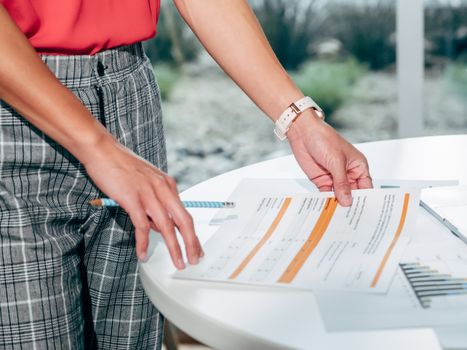 Photo: Kindel Media / Pexels
 Photo: Alena Darmel / Pexels
 Photo: This And No Internet 25 / Pexels
 Photo: Pavel Danilyuk / Pexels