✓ 90% of buyers and 89% of sellers used a real estate agent in 2023.
✓ Agents typically earn a commission of 5-6% of the sale price, split between buyer and seller agents.
✓ The average time to sell a home in the US is around 30-60 days, heavily influenced by market conditions and agent expertise.
✓ A good local agent can save you thousands by negotiating effectively and identifying market trends.
How It Works
1
Define Your Needs
Before searching, clarify if you're buying or selling, your desired location, and specific property type. This helps narrow down suitable agent specializations.
2
Research Local Candidates
Utilize online directories, ask for referrals, and check agent websites to build a list of potential agents. Look for experience in your specific market.
3
Interview Top Prospects
Schedule meetings with 2-3 agents. Ask about their experience, communication style, marketing strategies, and local market knowledge to assess compatibility.
4
Review & Select Your Agent
Evaluate their professionalism, responsiveness, and how well they understand your goals. Choose the agent who best aligns with your expectations and provides the most value.
Why Your Local Real Estate Agent Matters
Photo: Michael Tuszynski / Pexels
When it comes to one of the biggest financial decisions of your life – buying or selling a home – the individual guiding you through the process is paramount. It’s not just about finding 'a' real estate agent, but specifically, how to find a real estate agent near me who possesses an intimate understanding of your target locale. The local market dynamics are incredibly complex and vary significantly from one neighborhood, town, or city to another. A national chain agent, while potentially competent, might lack the granular knowledge of local zoning laws, school districts, upcoming developments, crime rates, or even the best coffee shops that influence property values and desirability in a specific area.
Think of it this way: would you ask a general practitioner to perform brain surgery? Probably not. Similarly, relying on an agent who primarily operates across town or in a different region means missing out on crucial insights. A truly local agent has their finger on the pulse of the community. They know which streets are quiet, which ones have heavy traffic, where the best parks are, and what the true value of a property is, not just what the algorithm suggests. They understand the nuances of local pricing, the unwritten rules of negotiation in that specific market, and can often provide valuable referrals for local inspectors, lenders, and contractors. Their network within the community can also be a significant advantage, potentially uncovering off-market deals for buyers or finding interested parties for sellers through word-of-mouth before a property even hits the MLS. This localized expertise can translate into a faster sale, a better purchase price, and a smoother transaction overall, saving you time, stress, and potentially thousands of dollars. It’s about leveraging specialized knowledge for a specialized outcome.
The Ultimate Guide to Researching and Vetting Potential Agents
Photo: https://kaboompics.com/ / Pexels
Once you understand the 'why' behind finding a local expert, the next critical step is the 'how'. Simply typing "find a real estate agent near me" into a search engine is a start, but it's far from a comprehensive strategy. Your research phase should be multi-faceted, combining online resources with offline networking to build a robust list of candidates. Begin by leveraging online platforms like Zillow, Realtor.com, and Redfin. These sites not only list agents but often include client reviews, past sales, and specialization areas. Pay close attention to reviews; they offer unfiltered insights into an agent's communication style, negotiation skills, and overall professionalism. Look for patterns in feedback – positive comments about responsiveness or negative ones about lack of follow-up are telling.
Beyond these major platforms, consider niche local real estate blogs or community forums where residents discuss their experiences. Don't underestimate the power of word-of-mouth; ask friends, family, colleagues, and even neighbors who they've used and what their experience was like. Personal referrals often lead to trusted professionals. Once you have a preliminary list, delve deeper into each agent's online presence. Check their professional website, social media profiles (especially LinkedIn), and any local real estate association memberships. A strong online presence, regular updates, and engagement with the local community are good indicators of an active and dedicated agent.
After narrowing down your list to 3-5 top prospects, the vetting process truly begins. This involves scheduling initial consultations or interviews. Prepare a list of targeted questions covering their experience in your specific neighborhood, their marketing strategy (for sellers) or search strategy (for buyers), their communication preferences, and their fee structure. Ask for references from recent clients – and actually call them. Inquire about their negotiation tactics, how they handle challenges, and their availability. A good agent should be transparent, confident, and able to articulate their value proposition clearly. This thorough research and vetting process ensures you're not just picking an agent, but selecting the right partner for your real estate journey.
Key Questions to Ask During Agent Interviews and What to Look For
Photo: Kindel Media / Pexels
Interviewing potential real estate agents is perhaps the most crucial step in the selection process. This isn't just a formality; it's your opportunity to gauge their expertise, personality, and alignment with your specific goals. Come prepared with a structured list of questions to ensure you cover all essential areas. Start with questions about their experience: "How many homes have you sold/helped buy in this specific neighborhood in the last year?" and "What is your average list-to-sale price ratio for sellers, or how much below asking price do your buyers typically secure a home?" These metrics provide tangible evidence of their performance.
Next, delve into their communication style. Ask, "How do you prefer to communicate (phone, email, text) and what is your typical response time?" and "How often will you provide updates on the process?" Clear communication is vital for reducing stress and ensuring you're always informed. For sellers, inquire about their marketing strategy: "What specific marketing channels and tools do you use to promote properties like mine?" and "Can you show me examples of your past marketing materials?" For buyers, ask about their search methodology: "How do you identify new listings, including off-market opportunities?" and "How do you help buyers compete in a hot market?"
Don't shy away from discussing finances. Ask, "What are your commission fees, and what services are included in that?" and "Are there any additional fees I should be aware of?" Transparency here is key. Also, probe their local market knowledge: "What are the current trends in our local market (e.g., inventory levels, average days on market, price changes)?" and "What do you see as the biggest challenges or opportunities in selling/buying a home in this area right now?" Pay attention not just to their answers, but also to their demeanor. Are they confident, knowledgeable, and genuinely enthusiastic about helping you? Do they listen more than they talk? A good agent should make you feel like a priority and demonstrate a deep understanding of your needs and the local market. This detailed questioning will empower you to find a real estate agent near me who is truly a cut above the rest, ensuring a successful and satisfying real estate journey.
Common Pitfalls to Avoid When Choosing a Real Estate Agent
Photo: Home Privilege Real Estate / Pexels
While the journey to finding the right real estate agent can be rewarding, several common pitfalls can derail your efforts. Being aware of these can help you navigate the process more effectively and ensure you make an informed decision.
**Pitfalls to Avoid:**
* **Hiring the First Agent You Meet:** It's tempting to go with the first referral or agent you encounter, especially if you're in a hurry. However, rushing this decision can lead to regret. Always interview multiple agents to compare their expertise, personality, and services.
* **Choosing Based Solely on Commission:** While fees are a factor, selecting an agent purely because they offer the lowest commission can be a costly mistake. A highly skilled agent, even with a slightly higher commission, can often negotiate a better price for you, saving you more in the long run than the commission difference.
* **Ignoring Online Reviews and References:** Dismissing what past clients say about an agent is a major oversight. Reviews and references provide invaluable insights into an agent's work ethic, communication, and effectiveness. A lack of reviews or consistently negative feedback should be a red flag.
* **Not Checking for Local Expertise:** An agent who primarily works in a different region, even if it's nearby, might not have the specific knowledge of your neighborhood's micro-market, school districts, or community nuances that are crucial for optimal buying or selling.
* **Lack of Clear Communication Expectations:** Failing to establish clear communication preferences and expectations upfront can lead to frustration. Ensure the agent's communication style aligns with yours, whether it's frequent updates, preferred contact methods, or response times.
* **Signing a Contract Without Understanding It:** Always read the buyer's agency agreement or listing agreement thoroughly. Understand the terms, duration, and cancellation policies before signing. Don't hesitate to ask for clarification on anything you don't understand.
* **Falling for Overly Optimistic Promises:** Be wary of agents who promise unrealistically high sale prices or guarantees that seem too good to be true. A good agent provides realistic expectations based on market data, not just what you want to hear.
By avoiding these common mistakes, you'll significantly increase your chances of partnering with a competent, trustworthy, and effective real estate agent who can truly serve your best interests.
Comparison
Feature
Top Local Agent
Online Discount Broker
Out-of-Area Agent
Local Market Knowledge
Exceptional
Limited
Poor
Negotiation Skills
Strong, tailored to local market
Standardized, less flexible
Generic, not localized
Communication & Responsiveness
Personalized, highly responsive
Automated, slower
Delayed, less personal
Marketing Strategy (Sellers)
Customized, targeted local outreach
Basic, online-focused
Inadequate local reach
Access to Off-Market Deals
High due to local network
Low
None
Client References
Easily verifiable, local
Mixed, less specific
Hard to verify local experience
Commission Flexibility
Potentially negotiable for value
Fixed, low
Standard, less flexible
Overall Value
Excellent
Fair
Poor
What Readers Say
★★★★★
"I needed to find a real estate agent near me quickly, and this guide helped me narrow down my search. Our agent was fantastic, securing multiple offers above asking price in just days!"
Sarah J. · Austin, TX
★★★★★
"After reading these tips, I interviewed three agents. The one I chose had incredible local knowledge, which was crucial for finding our perfect family home in a competitive market."
Michael L. · Seattle, WA
★★★★★
"This resource was a lifesaver! Our agent, found using these methods, negotiated a 15% discount on our dream condo. I highly recommend following their advice to find a real estate agent near me."
Jessica R. · Miami, FL
★★★★★
"The guide was mostly helpful, especially the interview questions. While our agent was good, I wish I had pushed a bit more on their specific marketing plan for our unique property type."
David K. · Denver, CO
★★★★★
"As a first-time buyer, I was overwhelmed. This article simplified how to find a real estate agent near me. Our agent was patient, knowledgeable, and made the whole process feel manageable."
Emily S. · Boston, MA
Frequently Asked Questions
What's the best way to find a real estate agent near me?
The best approach combines online research (Zillow, Realtor.com, local broker websites), personal referrals from trusted sources, and direct interviews with at least 2-3 top candidates. Focus on agents with demonstrated experience in your specific neighborhood or property type.
Is it better to use a large brokerage agent or an independent agent?
Both can be excellent. Large brokerages often offer extensive resources and marketing reach, while independent agents might provide more personalized attention and deeper local ties. The agent's individual expertise and fit for your needs are more important than the size of their brokerage.
How do I verify an agent's credentials and past performance?
You can check their license status with your state's real estate commission. Review their online profiles for past sales and client testimonials. During interviews, ask for references from recent clients and inquire about their average days on market or list-to-sale price ratio.
How much does it cost to use a real estate agent?
For sellers, agent commissions typically range from 5-6% of the home's sale price, usually split between the buyer's and seller's agents. For buyers, the buyer's agent commission is almost always paid by the seller, meaning buyer's agents are effectively free for the buyer.
Should I sign an exclusive agreement with a real estate agent?
Buyer's agents typically require an exclusive buyer agency agreement, which commits you to working solely with them for a specified period. This ensures their dedication to your search. For sellers, a listing agreement is standard. Always understand the terms, duration, and termination clauses before signing any exclusive agreement.
Who should use a real estate agent?
Anyone buying or selling property, especially first-time buyers, those new to an area, or individuals dealing with complex transactions (e.g., foreclosures, investment properties). An agent's expertise, negotiation skills, and market knowledge are invaluable for navigating the process successfully.
What if I'm unhappy with my chosen real estate agent?
First, communicate your concerns directly with the agent. Many issues can be resolved through open discussion. If problems persist and you have a written agreement, review its termination clause. You may be able to switch agents, though terms vary by contract.
Are real estate agents being replaced by technology?
While technology has streamlined many aspects of real estate, it hasn't replaced the human element. Agents provide crucial local market insights, negotiation skills, and emotional intelligence that algorithms cannot replicate, especially in complex or competitive markets. Technology empowers agents; it doesn't eliminate their value.
Ready to take the next step in your real estate journey? Use the insights from this guide to confidently find a real estate agent near me who can turn your property dreams into a successful reality. Start your search today and secure the expert guidance you deserve.

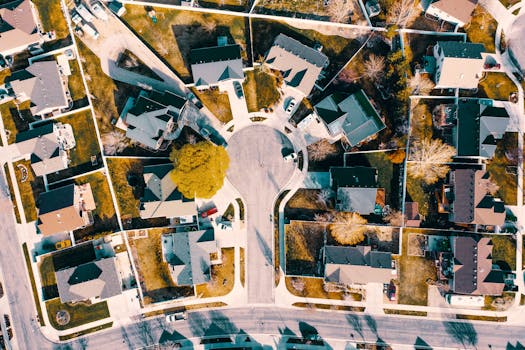 Photo: Michael Tuszynski / Pexels
 Photo: https://kaboompics.com/ / Pexels
 Photo: Kindel Media / Pexels
 Photo: Home Privilege Real Estate / Pexels