How to Choose a Real Estate Agent: Your Expert Guide
how to choose a real estate agent

How to Choose a Real Estate Agent: Your Expert Guide

Unlock the secrets to finding the ideal real estate agent who will advocate for your best interests, whether buying or selling.

Find Your Perfect Agent

Key Takeaways

  • ✓ A good agent can save or make you thousands of dollars.
  • ✓ Interview at least 3-5 agents before making a decision.
  • ✓ Experience and local market knowledge are paramount.
  • ✓ Communication style must align with your preferences.

How It Works

1
Define Your Needs & Goals

Before starting your search, clearly outline what you're looking for in a property or what you hope to achieve by selling. This clarity will help you articulate your expectations to potential agents.

2
Research & Gather Referrals

Start by asking friends, family, and colleagues for recommendations. Supplement this with online research, looking at agent profiles, reviews, and their local market presence.

3
Conduct Interviews

Schedule meetings with at least three to five potential agents. Prepare a list of questions to ask them about their experience, strategies, and communication style to ensure a good fit.

4
Evaluate & Make Your Choice

Compare the agents based on their answers, professionalism, market knowledge, and your gut feeling. Choose the agent who you believe will best represent your interests and help you achieve your real estate goals.

Understanding the Role of a Real Estate Agent in Your Transaction

Close-up of a realtor holding a keychain and clipboard with interior office background. Photo: Pavel Danilyuk / Pexels
Navigating the complexities of buying or selling a home is often the largest financial transaction most individuals undertake in their lifetime. This is precisely why the question of how to choose a real estate agent is not just important, but absolutely critical. A real estate agent, often referred to as a Realtor (a licensed agent who is also a member of the National Association of Realtors), acts as your professional guide, advocate, and negotiator throughout the entire process. Their role extends far beyond simply showing houses or listing properties; they are market experts, strategic advisors, and skilled communicators who can significantly impact the success and profitability of your real estate venture. For sellers, an agent's responsibilities include accurately pricing your home to attract buyers while maximizing profit, marketing your property effectively through various channels (online listings, open houses, professional photography), staging advice, and expertly negotiating offers to secure the best possible terms. They also handle the intricate paperwork, coordinate showings, and manage communications with potential buyers and their agents. A seasoned selling agent understands local market trends, knows how to highlight your home's unique selling propositions, and can anticipate and mitigate potential issues that might arise during the sale process. For buyers, an agent becomes your dedicated search partner. They listen to your needs, preferences, and budget to identify suitable properties, often gaining access to listings before they hit the general market. They provide invaluable insights into neighborhoods, schools, amenities, and property values. Crucially, a buyer's agent acts as your representative during negotiations, striving to secure the property at the best price and terms. They guide you through inspections, appraisals, financing, and closing procedures, ensuring all contractual obligations are met. Without an agent, buyers risk overpaying, missing out on ideal homes, or encountering unforeseen legal and financial complications. Ultimately, a proficient real estate agent saves you time, reduces stress, and protects your financial interests. They possess the knowledge of local regulations, market dynamics, and negotiation tactics that the average person lacks. Their network of professionals, from lenders to inspectors and contractors, can also prove invaluable. Understanding this multifaceted role underscores why a careful and strategic approach to selecting your agent is paramount. It’s not just about finding 'an' agent; it’s about finding the 'right' agent who aligns with your specific goals and provides exceptional service.

Key Qualities to Look for When You Choose a Real Estate Agent

Real estate agent and mature couple shaking hands outdoors, sealing a deal with smiles. Photo: Kampus Production / Pexels
When embarking on the journey to choose a real estate agent, it’s essential to move beyond surface-level impressions and delve into the core qualities that define a truly effective professional. The right agent will possess a combination of experience, local market mastery, exceptional communication skills, and unwavering integrity. Let's explore these critical attributes in detail. **Experience and Track Record:** While new agents can be enthusiastic, experience often translates to a deeper understanding of market cycles, negotiation nuances, and problem-solving. Look for agents with a proven track record of successful transactions similar to yours (e.g., first-time home buyers, luxury sales, commercial properties). Ask about their average days on market for listings, sale-to-list price ratio, and the number of transactions they've completed in the past year. This data provides concrete evidence of their effectiveness and expertise. **Local Market Knowledge:** Real estate is inherently local. An agent who truly understands your specific neighborhood, school districts, zoning laws, and upcoming developments is invaluable. They should be able to articulate why certain areas command higher prices, what amenities are appealing to buyers in your locale, and how current inventory levels are impacting pricing. This hyper-local expertise allows them to accurately price homes, identify suitable properties, and provide context to market fluctuations. A generalist agent, no matter how experienced, simply cannot offer the same level of granular insight. **Exceptional Communication Skills:** This is arguably one of the most vital qualities. Your agent should be a proactive communicator, keeping you informed at every stage of the process. They should be responsive to your calls, texts, and emails, and be able to explain complex real estate jargon in an understandable way. Beyond just relaying information, a good communicator is also an excellent listener, ensuring they fully grasp your needs, concerns, and preferences. They should be able to deliver both good and bad news professionally and offer constructive solutions. **Integrity and Trustworthiness:** You are entrusting your agent with a significant financial decision and sensitive personal information. They must operate with the highest ethical standards. Look for signs of honesty, transparency, and a genuine commitment to your best interests. This can be gauged through their willingness to provide references, their straightforward answers to tough questions, and a general sense of professionalism. A trustworthy agent will prioritize your goals over their commission. **Strong Negotiation Skills:** Whether buying or selling, negotiation is a cornerstone of real estate. A skilled negotiator can secure a better price, more favorable terms, and navigate counter-offers with finesse. Ask agents about their negotiation strategies and how they handle difficult situations. Look for an agent who is firm but fair, strategic, and always focused on achieving the best outcome for you. **Problem-Solving Abilities:** Real estate transactions rarely go perfectly smoothly. Issues with inspections, appraisals, financing, or even unforeseen legal hurdles can arise. A great agent is a resourceful problem-solver who can anticipate potential challenges and proactively work to resolve them, minimizing stress and keeping the transaction on track. They should have a network of trusted professionals (inspectors, contractors, attorneys) they can recommend to address specific issues. By prioritizing these key qualities, you significantly increase your chances of partnering with an agent who will not only facilitate your transaction but also provide an exceptional and rewarding experience.

The Interview Process: Questions to Ask When You Choose a Real Estate Agent
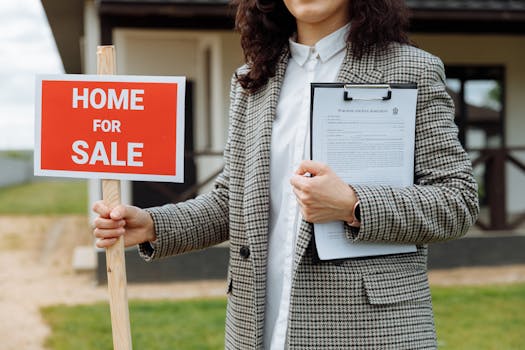
A real estate agent holding a home for sale sign and clipboard outside a property. Photo: Thirdman / Pexels
Once you’ve identified a few potential candidates through referrals and preliminary research, the next critical step in how to choose a real estate agent is the interview. This isn't just a casual chat; it’s your opportunity to assess their expertise, communication style, and whether their approach aligns with your expectations. Prepare a comprehensive list of questions to ensure you cover all essential areas. Here are some key questions to consider: **Experience & Qualifications:** * "How long have you been a licensed real estate agent?" (Look for consistency, not just years.) * "How many homes have you successfully bought/sold in my specific area/price range in the last year?" (This gauges their relevant local experience.) * "Are you a full-time agent?" (Full-time commitment often means more dedication and availability.) * "What certifications or designations do you hold (e.g., GRI, CRS, ABR)?" (These indicate specialized training.) **Market Knowledge & Strategy:** * "How would you describe the current market conditions in my neighborhood (e.g., buyer's, seller's, balanced)?" (Listen for detailed, data-driven answers.) * "What is your pricing strategy for my home, and how will you justify that price?" (For sellers: they should present a comparative market analysis (CMA).) * "What is your marketing plan for my property?" (For sellers: inquire about online presence, professional photos, virtual tours, open houses, social media.) * "How will you help me find the right home, and what resources do you use?" (For buyers: ask about access to off-market listings, neighborhood insights.) **Communication & Availability:** * "How do you prefer to communicate (phone, email, text)? How often can I expect to hear from you?" (Set clear expectations.) * "What are your typical working hours, and how do you handle inquiries or issues outside of those hours?" (Understand their availability and support system.) * "How do you handle difficult negotiations or unexpected challenges during a transaction?" (Assesses their problem-solving and communication under pressure.) **Fees & Contracts:** * "What is your commission rate, and what services are included?" (Ensure transparency and understand all costs.) * "Can you explain the terms of your buyer's/seller's agency agreement?" (Understand your contractual obligations and the duration of the agreement.) * "Are there any other fees I should be aware of?" (Avoid surprises.) **References:** * "Can you provide me with references from recent clients?" (Always follow up on these references to get firsthand accounts of their service.) Beyond the questions, pay close attention to their demeanor. Are they punctual, professional, and genuinely engaged? Do they listen more than they talk? Do they seem to understand your unique needs? The interview is a two-way street; it’s as much about their questions for you as it is about your questions for them. A good agent will want to understand your motivations, timelines, and financial situation to serve you best. Trust your gut feeling, but always back it up with concrete information gathered during this crucial interview process.

Common Mistakes to Avoid When Choosing a Real Estate Agent
Close-up of a person signing a divorce decree on a desk. Photo: www.kaboompics.com / Pexels
The process of choosing a real estate agent is fraught with potential pitfalls that can lead to frustration, delays, and even financial losses. Being aware of these common mistakes can help you navigate the selection process more effectively and ensure you partner with the right professional. Avoiding these errors is just as important as knowing how to choose a real estate agent. **1. Hiring the First Agent You Meet:** It’s easy to feel pressured or simply go with the first agent referred to you. However, just as you wouldn't buy the first car you test-drive, you shouldn't commit to the first agent you meet. Always interview multiple candidates to compare their experience, strategies, and personalities. This comparative approach ensures you make an informed decision based on competence, not convenience. **2. Choosing Based Solely on Commission:** While commission is a factor, making it the *only* deciding factor is a mistake. A slightly lower commission might seem appealing initially, but a less experienced or less effective agent could cost you far more in terms of a lower sale price, longer market time, or missed opportunities. Focus on value, expertise, and proven results over simply the lowest fee. A top-tier agent often earns their commission many times over. **3. Neglecting to Check References and Reviews:** Online reviews (Google, Zillow, Realtor.com) and direct client references offer invaluable insights into an agent's past performance and client satisfaction. Don't skip this step. Look for consistent themes in positive and negative feedback, and pay attention to how the agent responds to criticism. When calling references, ask specific questions about their communication, negotiation skills, and problem-solving abilities. **4. Not Asking About Their Team or Support System:** Many successful agents work with a team (assistants, marketing specialists, transaction coordinators). Understanding who you'll be interacting with and their roles is important. Ensure you'll still have direct access to your primary agent for critical decisions and communication, rather than being passed off entirely to junior staff. **5. Ignoring Your Gut Feeling:** While data and references are crucial, your personal rapport with an agent is also vital. You'll be working closely with this person, often under stressful circumstances. If an agent's personality clashes with yours, or if you feel uneasy or pressured, it's a red flag. Trust your intuition; a good working relationship is built on mutual respect and comfort. **6. Not Clarifying Communication Expectations:** Misunderstandings about communication frequency and preferred methods are a common source of frustration. Clearly discuss how often you expect updates, how they will be delivered (phone, email, text), and their availability. Get it in writing if necessary, as part of your agency agreement. **7. Failing to Understand the Agency Agreement:** Before signing any contract, read it thoroughly. Understand the duration of the agreement, the scope of services, commission structure, and any clauses regarding termination. Don't hesitate to ask for clarification on anything you don't understand. An agent who is unwilling to explain their contract clearly might not be the right choice. By consciously avoiding these common missteps, you can significantly improve your chances of selecting an agent who will be a true asset in your real estate journey.

Comparison

FeatureExperienced Local AgentBrand New AgentDiscount Broker/AgentFor Sale By Owner (FSBO)
Local Market ExpertiseExcellentDevelopingVariableSelf-researched
Negotiation SkillsStrongLimitedBasicNone (self-negotiated)
Marketing ReachExtensive (MLS, online, network)LimitedBasic (MLS only)Very Limited
Time Commitment RequiredLow (Agent handles)ModerateModerateVery High
Legal Protection/GuidanceHighModerateModerateLow (self-managed)
Commission CostStandard (5-6%)Potentially lowerLow (1-3%)None (seller pays buyer agent)
Stress LevelLow to ModerateModerate to HighModerateVery High
Likelihood of Optimal OutcomeHighModerateModerateLow

What Readers Say

"Learning how to choose a real estate agent from this guide was a game-changer. We interviewed three agents using their questions and found an absolute gem who helped us sell our home above asking in just a week! Highly recommend following their advice."

Sarah J. · Austin, TX

"This article provided a clear roadmap on how to choose a real estate agent. The emphasis on local market knowledge and communication proved invaluable. Our agent was incredibly responsive and knowledgeable about our specific neighborhood."

Mark D. · Seattle, WA

"Thanks to this guide, we knew exactly what to look for when choosing a real estate agent. Our agent successfully negotiated a fantastic price for our new home, saving us thousands, and made the whole process feel effortless."

Jessica L. · Miami, FL

"The tips on avoiding common mistakes were particularly helpful. While our agent was great, I wish I had pushed a bit more on communication frequency upfront, but overall, a very positive experience guided by this article."

David R. · Denver, CO

"As a first-time homebuyer, I was overwhelmed. This resource on how to choose a real estate agent broke everything down into manageable steps. I felt empowered and confident in my choice, leading to a smooth purchase."

Emily P. · Chicago, IL

Frequently Asked Questions

What's the most important factor when choosing a real estate agent?

While many factors are important, the most critical is often a combination of local market expertise and excellent communication. An agent who deeply understands your specific area can accurately price and market properties, while clear and consistent communication ensures you're always informed and comfortable throughout the process. Trust and rapport are also paramount.

Should I interview multiple agents, or is one enough?

It is highly recommended to interview at least three to five real estate agents. This allows you to compare their experience, marketing strategies, commission structures, and personalities. Interviewing multiple agents empowers you to make an informed decision and find the best fit for your unique needs and goals, rather than settling for the first option.

How do I find real estate agents to interview?

Start by asking for referrals from friends, family, and colleagues who have recently bought or sold homes. Supplement this with online research on real estate websites (Zillow, Realtor.com, Redfin) to find agents with strong reviews and a good track record in your target neighborhoods. Look at their online presence and professional profiles to gauge their experience.

How much does a real estate agent cost?

Real estate agent commissions typically range from 5% to 6% of the home's sale price, usually split between the buyer's agent and the seller's agent. In most transactions, the seller pays the entire commission. While commissions are negotiable, focusing solely on the lowest percentage can sometimes lead to a less experienced agent and potentially a lower net profit or less favorable terms for you.

What's the difference between a real estate agent and a Realtor?

All Realtors are real estate agents, but not all real estate agents are Realtors. A real estate agent is licensed to help people buy and sell real estate. A Realtor is a real estate agent who is also a member of the National Association of Realtors (NAR) and adheres to its strict Code of Ethics, providing an additional layer of professionalism and accountability.

Who should use a real estate agent?

Anyone looking to buy or sell a home, especially first-timers, those relocating, or individuals dealing with complex transactions (e.g., estate sales, foreclosures), should consider using a real estate agent. Agents provide invaluable expertise, market knowledge, negotiation skills, and legal guidance that can save significant time, money, and stress for both buyers and sellers.

Is it safe to share personal financial information with an agent?

You will need to share some financial information with your agent, particularly if you are a buyer (e.g., pre-approval letters, budget). A reputable agent handles your information with confidentiality and uses it only to facilitate your transaction. Ensure you are working with a licensed agent and that you feel comfortable and trusting of their professionalism before sharing sensitive details.

How has technology changed how we choose real estate agents?

Technology has significantly impacted the process. Online platforms now allow consumers to easily research agents, read reviews, view past sales, and compare profiles. Virtual tours, digital contracts, and instant communication tools also mean agents need to be tech-savvy and responsive, enhancing the efficiency and transparency of the selection and transaction process.

Armed with this comprehensive guide, you now possess the knowledge and strategies on how to choose a real estate agent with confidence. Take the time to research, interview, and select an agent who truly aligns with your goals. Your ideal real estate journey begins with the right professional by your side.

Topics: how to choose a real estate agentfind real estate agentbest real estate agenthiring a realtorreal estate agent selection
Leo List

DK Escorts LU Escorts AT Escorts SE Escorts FI Escorts CH Escorts DE Escorts HR Escorts IE Escorts GR Escorts CZ Escorts NO Escorts BE Escorts FR Escorts SI Escorts IL Escorts NL Escorts PL Escorts HU Escorts ES Escorts IT Escorts PT Escorts SK Escorts RO Escorts ZA Escorts UY Escorts US Escorts UK Escorts NZ Escorts AU Escorts
Brampton weed
Adultwork EstrelaBet Vai de Bet R7 Bet Betão Galera Bet Rainbet Bet9ja Shop SportyBet BetKing Sisal Loto Foot Hollywoodbets YesPlay Odibets RushBet Jugabet BetWarrior BetCity MSport betPawa Fortebet