✓ Must be at least 18 years old and have a high school diploma or equivalent.
✓ Required to complete a 63-hour pre-licensing course.
✓ Must pass the Florida Real Estate Sales Associate examination.
✓ Need to be associated with a licensed real estate broker to activate your license.
How It Works
1
Meet Eligibility Requirements
Ensure you meet the basic age, education, and residency criteria set by the Florida Department of Business and Professional Regulation (DBPR). This foundational step is crucial before proceeding to any coursework or examinations.
2
Complete Pre-License Education
Enroll in and successfully complete the mandatory 63-hour Sales Associate pre-licensing course from an approved Florida real estate school. This course covers essential topics like real estate law, practices, and ethics.
3
Pass the State Exam
After completing your education, apply for and pass the Florida Real Estate Sales Associate State Examination. This challenging test assesses your knowledge of Florida real estate principles and practices.
4
Activate Your License
Once you pass the state exam, you must find a licensed real estate broker to sponsor your license. Your license cannot be active, and you cannot practice real estate, without an active broker affiliation.
Understanding the Florida Real Estate Landscape
Photo: Brendon Spring / Pexels
Florida's real estate market is one of the most dynamic and competitive in the United States, offering immense opportunities for those looking to start a real estate career. From the bustling metropolitan areas like Miami and Orlando to the serene coastal communities, the diversity of properties and client needs is vast. Before diving into the specifics of how to become a real estate agent in Florida, it's crucial to grasp the unique characteristics of this market. Florida's population growth consistently outpaces the national average, fueled by retirees, families seeking sunshine, and businesses relocating for favorable economic conditions. This continuous influx of new residents translates into high demand for housing, both for sale and rent, creating a fertile ground for real estate professionals.
The state's favorable tax climate, including no state income tax, further enhances its appeal to both residents and investors, driving property values and transaction volumes. Tourism also plays a significant role, with many visitors eventually choosing to purchase vacation homes or investment properties. Understanding these market drivers is essential for any aspiring agent, as it helps in identifying niche markets, understanding client motivations, and developing effective sales strategies. For instance, an agent in Southwest Florida might specialize in luxury waterfront properties, while an agent in Central Florida might focus on investment properties near theme parks.
Navigating this landscape requires not just knowledge of real estate principles but also an understanding of local zoning laws, environmental regulations, and community dynamics. Florida is also prone to natural events like hurricanes, which impact property insurance, building codes, and disclosure requirements. A successful agent will be well-versed in these nuances, providing invaluable guidance to clients. Furthermore, the state's diverse demographics mean agents often work with clients from various cultural backgrounds, requiring strong communication and interpersonal skills. The journey to becoming a real estate agent in Florida is not merely about obtaining a license; it's about preparing to thrive in a vibrant, complex, and ever-evolving market that rewards dedication, knowledge, and client-centric service.
Prerequisites and Pre-Licensing Education for Florida Sales Associates
Photo: Mehmet BALCI / Pexels
The initial step on your path to learn how to become a real estate agent in Florida involves meeting the fundamental eligibility requirements and completing the mandatory pre-licensing education. To even begin the process, you must be at least 18 years old, possess a high school diploma or its equivalent, and hold a social security number. While Florida residency isn't strictly required to apply for the license, it's generally understood that to effectively practice real estate in the state, you'll need to be physically present. Furthermore, the Florida Department of Business and Professional Regulation (DBPR) requires applicants to be of good moral character. This means a background check will be conducted, and any past criminal history, especially felonies, could impact your eligibility. It is highly recommended to disclose any such history upfront to the DBPR for a determination of your eligibility before investing time and money into the process. Failure to disclose can lead to denial of your application.
Once you've confirmed you meet these basic criteria, the next critical phase is the 63-hour Sales Associate pre-licensing course. This comprehensive course is mandated by the state and must be completed through a Florida Real Estate Commission (FREC) approved provider. These providers can be traditional brick-and-mortar schools, online learning platforms, or a hybrid of both. The curriculum is designed to equip aspiring agents with a foundational understanding of Florida real estate law, property rights, contracts, agency, financing, valuation, and professional ethics. It's not just about memorizing facts; the course aims to instill a practical understanding of the industry and the responsibilities of a licensed professional.
Choosing the right pre-licensing school is paramount. Look for schools with experienced instructors, robust study materials, and high state exam pass rates. Many schools offer flexible schedules, including evening and weekend classes, or fully online programs to accommodate various lifestyles. Upon successful completion of the course, which typically involves passing a final exam administered by the school, you will receive a certificate of completion. This certificate is a prerequisite for applying to take the state licensing examination. Without this certification, you cannot move forward in the licensing process. It's an intensive but essential educational journey that lays the groundwork for a successful career in Florida real estate.
Navigating the Florida Real Estate Examination and Post-Licensing
Photo: www.kaboompics.com / Pexels
After successfully completing your 63-hour pre-licensing course, the next significant hurdle on your journey to understanding how to become a real estate agent in Florida is passing the state examination. This is a crucial step, as the Florida Real Estate Sales Associate Examination is known for its rigor and comprehensive coverage of real estate principles, laws, and practices. Administered by Pearson VUE, the exam consists of 100 multiple-choice questions, and you have 3.5 hours to complete it. A passing score is 75 or higher. The examination covers a broad range of topics, including real estate law, property valuation, contracts, agency relationships, financing, and state-specific regulations. It's imperative to allocate ample time for studying and review, utilizing practice exams and study guides provided by your pre-licensing school or other reputable sources. Many candidates find it beneficial to enroll in exam prep courses specifically designed to help them ace the state test. These courses often provide intensive review sessions, practice questions, and strategies for tackling the exam effectively. Success on this exam is a testament to your understanding of the material and your readiness to enter the profession.
Once you pass the state examination, you're not quite done. Your license is in an inactive status until it is associated with a licensed real estate broker. This step is critical because in Florida, a sales associate must operate under the supervision of a broker. The broker is responsible for your actions and provides the necessary guidance and support as you begin your career. Finding the right brokerage is a significant decision. Consider factors such as the brokerage's reputation, training programs, commission splits, office culture, and the support systems they offer. Many new agents choose larger brokerages that provide extensive training and mentorship programs, while others prefer smaller, more niche firms. Interview several brokers to find the best fit for your career goals and learning style.
Furthermore, Florida law mandates that all new sales associates complete a 45-hour post-licensing course before their first license renewal. This course is different from the pre-licensing education and is designed to build upon your foundational knowledge, providing more in-depth practical training essential for your success. Failure to complete this post-licensing education within the specified timeframe will result in your license becoming null and void, requiring you to restart the entire licensing process. This ongoing education requirement underscores the state's commitment to ensuring competent and knowledgeable real estate professionals. It's a continuous learning journey that demands dedication and a commitment to professional growth.
Essential Tips for New Florida Real Estate Agents
Photo: Kindel Media / Pexels
Embarking on a career as a real estate agent in Florida is an exciting endeavor, but success doesn't happen overnight. Here are some essential tips to help new agents establish themselves and thrive in this competitive market:
* **Find a Strong Mentor:** One of the most valuable assets for a new agent is a seasoned mentor. Look for an experienced agent within your brokerage who is willing to guide you, share their knowledge, and provide practical advice. A mentor can help you navigate your first transactions, understand local market nuances, and build confidence.
* **Build Your Sphere of Influence (SOI):** Your network is your net worth in real estate. Start by reaching out to friends, family, and past colleagues. Inform everyone you know that you are a licensed real estate agent. Regularly engage with your SOI through calls, emails, and social media. These connections often lead to your first clients and referrals.
* **Master Your Local Market:** While your pre-licensing course covered general principles, true success comes from hyper-local market knowledge. Understand property values, school districts, zoning laws, community amenities, and future development plans in your target neighborhoods. Attend open houses, study comparable sales, and drive through areas regularly to stay informed.
* **Embrace Technology:** Leverage real estate CRM (Customer Relationship Management) software to manage leads, track client interactions, and automate communication. Utilize social media platforms to build your brand and connect with potential clients. Familiarize yourself with virtual tour software, e-signing platforms, and other tools that streamline your workflow.
* **Continue Your Education:** Beyond the mandatory post-licensing course, commit to lifelong learning. Attend workshops, webinars, and industry conferences. Obtain certifications in specialized areas like luxury homes, commercial real estate, or distressed properties. The more knowledge you acquire, the more valuable you become to your clients.
* **Develop a Business Plan:** Treat your real estate career as a business. Create a detailed business plan that outlines your goals, target market, marketing strategies, budget, and revenue projections. Regularly review and adjust your plan as you gain experience and the market evolves.
* **Practice Strong Ethics and Professionalism:** Your reputation is everything. Always act with integrity, honesty, and transparency. Adhere to the Realtor Code of Ethics and state regulations. Professionalism in every interaction, from communication to presentation, will build trust and lead to long-term success and referrals.
* **Manage Your Finances Wisely:** Real estate income can be inconsistent, especially in the beginning. Save enough capital to cover living expenses for at least six months. Reinvest a portion of your earnings back into your business for marketing, tools, and education.
Comparison
Feature
Sales Associate
Broker Associate
Broker
License Type
Entry-level
Advanced (under Broker)
Independent Practice
Pre-License Course
63 hours
72 hours
72 hours
Experience Required
None
24 months as Sales Associate
24 months as Sales Associate
Supervision
Must work under Broker
Works under Broker
Can operate own brokerage
Exam Difficulty
Moderate
High
High
Continuing Education
45 hours post-licensing, then 14 hours every 2 years
14 hours every 2 years
14 hours every 2 years
Earning Potential
Good
Very Good
Excellent
What Our Readers Say
5★★★★★
"This guide was incredibly helpful in breaking down how to become a real estate agent in Florida. The step-by-step process made what seemed overwhelming feel totally achievable. I especially appreciated the tips on choosing a brokerage."
Maria RodriguezOrlando, FL
5★★★★★
"As someone new to Florida, understanding the state-specific real estate requirements was crucial. This article laid out all the prerequisites and education needs clearly, giving me a solid roadmap for my licensing journey."
David ChenTampa, FL
5★★★★★
"Thanks to the detailed information on the state exam and post-licensing, I felt much more prepared. I passed my exam on the first try and am now actively working with a great broker, all guided by the insights from this article."
Sarah MillerJacksonville, FL
4★★★★☆
"The article provided a comprehensive overview, though I wish there was a bit more emphasis on the financial investment required upfront. Still, the practical tips for new agents were invaluable and have helped me start strong."
Mark JohnsonMiami, FL
5★★★★★
"The section on understanding the Florida real estate landscape was particularly insightful. It helped me realize the importance of specializing in a niche, which has been key to my early success in a competitive market."
Jessica LeeSarasota, FL
Frequently Asked Questions
What are the basic requirements to become a real estate agent in Florida?
To become a real estate agent in Florida, you must be at least 18 years old, possess a high school diploma or GED, and have a Social Security number. You also need to be of good moral character, which involves a background check during the application process.
How long does it typically take to get a real estate license in Florida?
The entire process, from completing the 63-hour pre-licensing course to passing the state exam and finding a sponsoring broker, can take anywhere from 2 to 6 months. This timeline depends on how quickly you complete the coursework and schedule your exam.
What is the 63-hour pre-licensing course for Florida real estate?
This mandatory course, approved by the Florida Real Estate Commission (FREC), covers fundamental real estate principles, practices, and law. It prepares you for the state licensing exam and provides the foundational knowledge required to practice real estate effectively and ethically in Florida.
How much does it cost to get a real estate license in Florida?
The total cost can range from $300 to $700 or more. This includes fees for the pre-licensing course (typically $100-$300), the state exam application fee ($31.75), the exam fee ($36.75), and potential background check fees. Additional costs may include exam prep materials and post-licensing education.
Is the Florida real estate exam difficult to pass?
The Florida real estate sales associate exam is considered challenging, with a pass rate that often hovers around 50%. It requires thorough preparation and understanding of a broad range of topics. Many candidates benefit from taking dedicated exam preparation courses.
Who should consider becoming a real estate agent in Florida?
Individuals who are self-motivated, enjoy working with people, have strong communication skills, and are interested in sales and market dynamics should consider this career. It's ideal for those seeking a flexible schedule and an income potential tied directly to their effort and success.
What happens if I have a criminal record when applying for a Florida real estate license?
While a criminal record doesn't automatically disqualify you, it can impact your eligibility. You must disclose all past criminal history to the DBPR, and they will review it on a case-by-case basis to determine if you meet the 'good moral character' requirement. Non-disclosure can lead to license denial.
What are the future trends for the Florida real estate market?
The Florida real estate market is expected to remain robust, driven by continued population growth, favorable tax policies, and strong demand from both domestic and international buyers. Emerging trends include increased use of technology for virtual showings, sustainable building practices, and a focus on suburban and exurban growth.
Ready to turn your ambition into a thriving career? Follow our comprehensive guide on how to become a real estate agent in Florida and take the first step towards unlocking your potential in the Sunshine State's dynamic property market.
 Photo: Eric Prouzet / Pexels
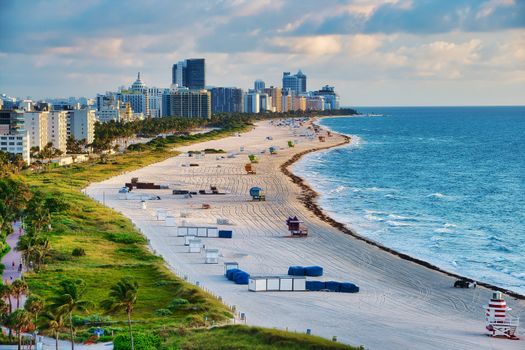 Photo: Brendon Spring / Pexels
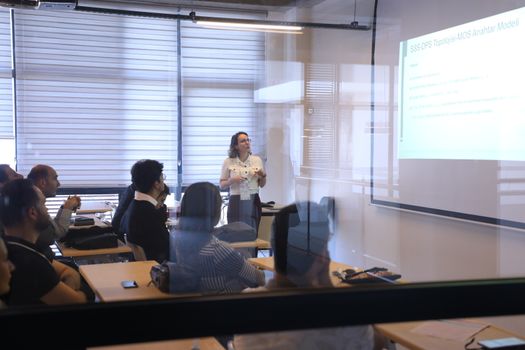 Photo: Mehmet BALCI / Pexels
 Photo: www.kaboompics.com / Pexels
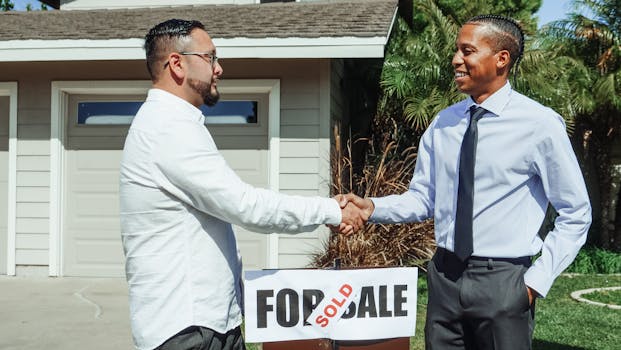 Photo: Kindel Media / Pexels