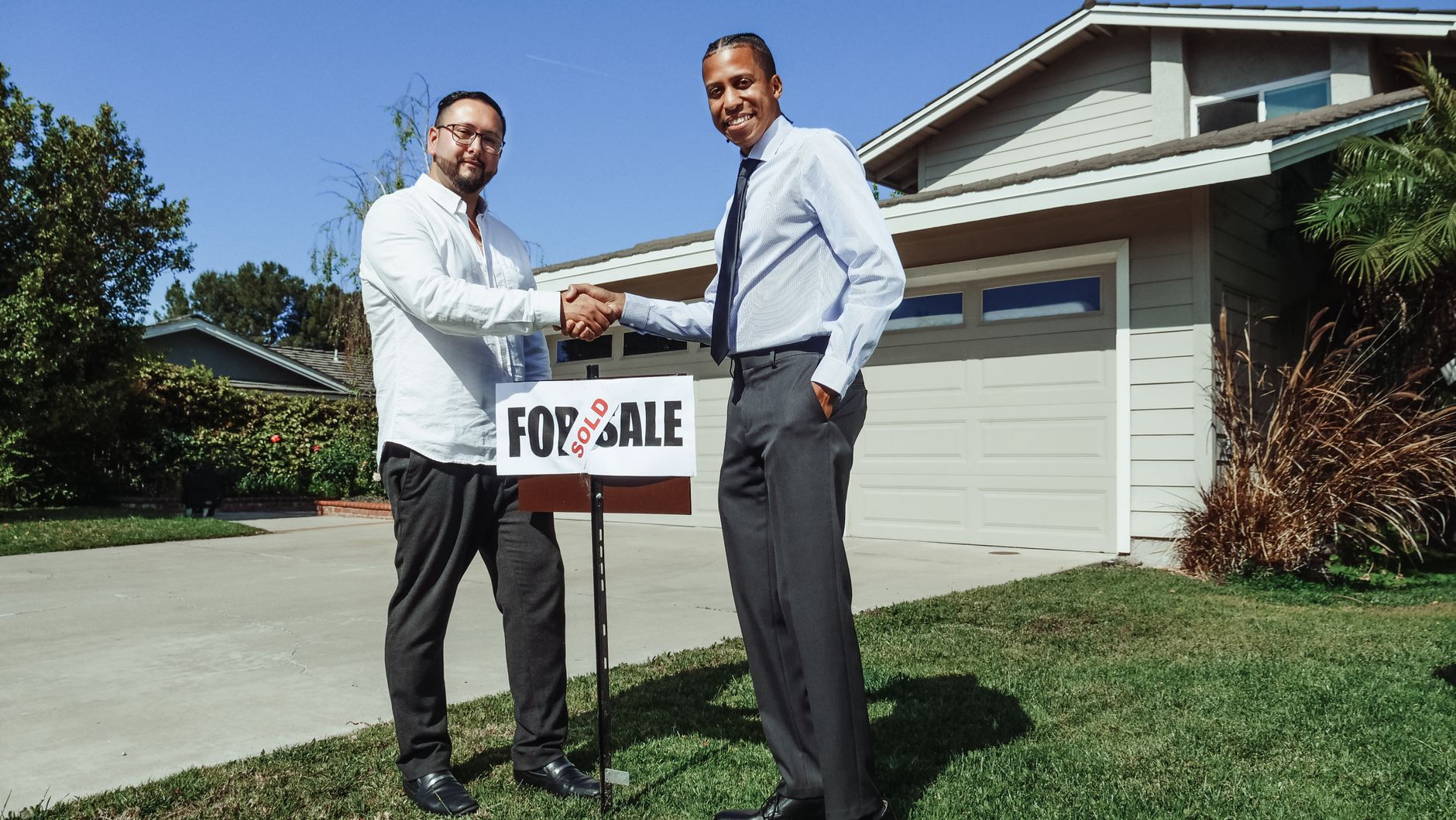
How to Become a Real Estate Agent: Your Complete Guide
how to become a real estate agent

How to Become a Real Estate Agent: Your Complete Guide

Unlock the secrets to a thriving real estate career with our in-depth, step-by-step roadmap for aspiring agents.

Start Your Journey Today

Key Takeaways

  • ✓ Each US state has unique real estate licensing requirements.
  • ✓ Pre-licensing education is mandatory before taking the state exam.
  • ✓ You must affiliate with a licensed broker to practice real estate.
  • ✓ Ongoing continuing education is required to maintain your license.

How It Works

1
Meet Eligibility Requirements

Confirm you meet your state's age (typically 18 or 19) and residency requirements, and generally have a high school diploma or equivalent. Some states also require a background check.

2
Complete Pre-Licensing Education

Enroll in and successfully complete the required hours of pre-licensing coursework mandated by your state's real estate commission. This covers fundamental real estate principles, laws, and practices.

3
Pass the State Real Estate Exam

After completing your education, apply to take your state's real estate licensing exam. This comprehensive test evaluates your knowledge of both national and state-specific real estate topics.

4
Find a Sponsoring Broker

Once licensed, you must affiliate with a licensed real estate brokerage firm. Your sponsoring broker will provide mentorship, resources, and the legal framework for you to conduct business.

Understanding Real Estate License Requirements by State

A woman holds a map while traveling through the scenic desert of California, USA. Photo: Leah Newhouse / Pexels
Embarking on a career as a real estate agent is an exciting prospect, offering flexibility, financial potential, and the satisfaction of helping people achieve their homeownership dreams. However, the path to becoming a licensed agent isn't uniform across the United States. Each state, and sometimes even specific jurisdictions within a state, establishes its own unique set of requirements for obtaining a real estate license. This decentralized approach means that what applies in California might differ significantly from regulations in New York or Texas. Understanding these state-specific nuances is the critical first step in your journey. Generally, all states require candidates to be at least 18 years old (some states specify 19 or 21), hold a high school diploma or its equivalent (GED), and be a legal resident of the U.S. or a lawfully present alien. Beyond these universal prerequisites, the divergence begins. The most significant variation lies in the pre-licensing education requirements. Some states, like California, demand 135 hours of coursework, while others, such as Florida, require only 63 hours. Texas mandates 180 hours, and New York requires 77 hours. These courses typically cover foundational topics such as real estate principles and practices, real estate law, contracts, financing, appraisal, and ethics. It's crucial to research your specific state's Real Estate Commission or Department of Licensing website to ascertain the exact number of hours and the specific course content required. Many states offer accredited courses through community colleges, universities, and private real estate schools, available in classroom settings, online, or a hybrid format. Choosing an approved provider is paramount, as only credits from authorized institutions will be accepted for your license application. Failing to meet these initial educational benchmarks will prevent you from even sitting for the state exam, making thorough research and diligent course completion non-negotiable. Additionally, many states now require a background check, including fingerprinting, as part of the application process to ensure candidates meet moral character standards. Any past legal infractions, even minor ones, could impact your eligibility, so it's wise to disclose these upfront and understand their potential implications before investing significant time and money. Navigating these initial hurdles successfully lays a solid foundation for your future career in real estate. For more insights on the broader industry, explore the real estate industry as a whole.

Navigating the Real Estate Exam and Licensing Application

Young woman studying for an exam in a college classroom with books and notes. Photo: RDNE Stock project / Pexels
Once you've successfully completed your state's pre-licensing education requirements, the next major hurdle is passing the state real estate examination. This exam is designed to test your comprehensive understanding of real estate principles, laws, and practices, ensuring you possess the fundamental knowledge necessary to represent clients competently and ethically. The exam is typically divided into two main sections: a national portion, which covers general real estate concepts applicable across the U.S., and a state-specific portion, which focuses on your state's particular real estate laws, regulations, and practices. Both sections usually feature multiple-choice questions, and you must pass both to qualify for licensure. Preparation for the state exam is paramount. While your pre-licensing courses provide the necessary knowledge base, many aspiring agents benefit significantly from additional study resources. These can include exam prep courses, practice tests, flashcards, and study guides specifically tailored to your state's exam. Familiarizing yourself with the exam format, time limits, and question types will help reduce test-day anxiety and improve your chances of success. Most states require you to schedule your exam through a third-party testing service, and there will be an associated fee. It's important to arrive prepared with the necessary identification and adhere to all testing center rules. Upon successfully passing both portions of your state's real estate exam, you're ready to submit your license application to the state's real estate commission. This application typically requires a fee, proof of your completed pre-licensing education, documentation of passing the exam, and any necessary background check or fingerprinting results. Some states may also require you to disclose any prior criminal history or disciplinary actions. Be meticulous in completing the application, as any errors or omissions can delay the processing of your license. Once your application is approved and processed, your real estate license will be issued, marking a significant milestone in your career journey. However, receiving your license is just the beginning. To legally practice real estate and earn commissions, you must then affiliate with a licensed real estate broker or brokerage firm. This step is critical as individual agents cannot operate independently in most states; they must work under the supervision of a principal broker. Finding the right brokerage is a strategic decision that will impact your training, support, and overall success in the industry.

Launching Your Real Estate Career: Brokerage, Marketing, and Growth

A young couple meeting with a real estate agent in a modern apartment setting. Photo: Timur Weber / Pexels
After obtaining your real estate license, the crucial next step is to choose a sponsoring broker. This isn't merely a formality; selecting the right brokerage can significantly influence your success and trajectory in the industry. As a newly licensed agent, you are typically required to operate under the umbrella of an established broker who holds a broker's license. This broker acts as your supervisor, providing guidance, ensuring compliance with real estate laws, and offering access to essential resources. When evaluating potential brokerages, consider factors such as their training programs for new agents, mentorship opportunities, commission splits, office culture, technology platforms, marketing support, and leads generation systems. Some brokerages specialize in certain niches, like luxury homes or commercial properties, which might align with your long-term career aspirations. Interview with several brokers to find the best fit for your personality, work style, and business goals. A supportive and knowledgeable broker can be an invaluable asset in your early career, helping you navigate complex transactions and build your client base. Once affiliated, the real work of building your business begins. Real estate is largely a commission-based industry, meaning your income is directly tied to your sales performance. This necessitates developing strong marketing and networking skills. Start by creating a professional online presence, including a website, social media profiles, and an updated LinkedIn profile. Utilize high-quality photography and compelling descriptions for your listings. Networking is also vital; attend local chamber of commerce events, open houses, and community gatherings to meet potential clients and build relationships. Word-of-mouth referrals are often the most powerful form of marketing, so prioritize providing exceptional service to every client. Consider specializing in a particular neighborhood or property type to establish yourself as an expert. Continuous learning is also essential; the real estate market is dynamic, and staying updated on local market trends, financing options, and legal changes will keep you competitive. Beyond initial sales, long-term success in real estate depends on consistent growth and adaptation. This includes building a robust client relationship management (CRM) system to track leads and past clients, nurturing relationships for repeat business and referrals, and investing in ongoing professional development. Many successful agents eventually consider obtaining additional certifications (e.g., ABR for buyer representation, SRES for seniors) or even pursuing a broker's license themselves to open their own brokerage. The real estate profession offers diverse pathways for growth and specialization, from residential sales and property management to commercial real estate and investment. Your early experiences will help you identify your strengths and passions, guiding your path toward a fulfilling and profitable career. Remember, tenacity, excellent communication, and a client-first approach are the cornerstones of a successful real estate career. For more on managing your professional life, check out resources on career development in real estate.

Essential Tips and Common Pitfalls for New Real Estate Agents

Smiling family with a realtor standing outside their new home, celebrating together. Photo: Kampus Production / Pexels
Entering the real estate world as a new agent is exciting, but it comes with its own set of challenges. Being aware of common pitfalls and equipping yourself with essential tips can significantly smooth your transition and accelerate your success. **Essential Tips for New Agents:** * **Embrace Mentorship:** Seek out experienced agents or a formal mentorship program within your brokerage. Learning from those who have navigated the market successfully is invaluable for understanding best practices and avoiding common mistakes. * **Build a Strong Sphere of Influence (SOI):** Your personal network is your most immediate source of leads. Inform friends, family, and acquaintances about your new career. Don't be afraid to ask for referrals. * **Master Your Local Market:** Become an expert in specific neighborhoods. Understand property values, school districts, local amenities, and future development plans. This knowledge builds credibility and trust with clients. * **Develop Excellent Communication Skills:** Real estate is all about people. Practice active listening, clear articulation, and prompt responses. Effective communication can make or break a deal and client relationships. * **Invest in Continuous Education:** The market, laws, and technology are constantly evolving. Attend workshops, webinars, and pursue advanced designations to stay sharp and relevant. * **Create a Business Plan:** Treat your real estate career like a business. Define your goals, target audience, marketing strategies, and financial projections. Review and adjust it regularly. * **Leverage Technology:** Utilize CRM software, social media platforms, and virtual tour tools to streamline your operations, reach a wider audience, and enhance client experience. * **Manage Your Finances Wisely:** Real estate income can be irregular, especially in the beginning. Have sufficient savings to cover living expenses for at least 6-12 months, and set aside money for taxes and business expenses. **Common Pitfalls to Avoid:** * **Lack of Patience:** Success in real estate rarely happens overnight. It takes time, persistence, and consistent effort to build a client base and close deals. * **Neglecting Marketing:** Relying solely on your brokerage for leads is a mistake. Proactively market yourself and your services. * **Poor Time Management:** Without a set schedule, it's easy to get sidetracked. Prioritize tasks, schedule appointments, and dedicate specific blocks of time for lead generation and follow-up. * **Underestimating Expenses:** Beyond licensing fees, there are significant ongoing costs: brokerage fees, association dues, marketing, insurance, and continuing education. Budget accordingly. * **Lack of Follow-Up:** Many deals are lost due to poor follow-up. Stay in touch with leads and past clients consistently. * **Burnout:** The demanding nature of real estate can lead to burnout. Set boundaries, take breaks, and maintain a healthy work-life balance. By heeding these tips and avoiding common missteps, you can set yourself up for a rewarding and prosperous career as a real estate agent.

Comparison

FeatureNew Agent (Residential)Experienced Agent (Residential)Commercial Agent
Initial IncomeVariable, often lowConsistent, growingHigh potential, complex
Training FocusFoundational sales & lawSpecialization & negotiationMarket analysis, finance
Client BaseFriends, family, referralsRepeat clients, strong referralsBusinesses, investors
Work-Life BalanceOften demandingMore control, still busyHighly demanding
Required SkillsCommunication, persistenceNegotiation, market insightAnalytical, financial acumen

What Readers Say

"This guide was incredibly thorough in explaining how to become a real estate agent in Texas. It broke down the education and exam process perfectly, making a daunting task feel manageable. Highly recommend for anyone starting out!"

Sarah J. · Austin, TX

"As someone who just passed my Florida exam, I wish I had this resource earlier. The tips on choosing a broker and managing finances are spot-on. It truly anticipates the questions new agents have."

Mark T. · Orlando, FL

"Following the steps outlined here, I successfully obtained my California real estate license within 6 months. The advice on continuous education and networking helped me land my first listing quickly."

Jessica L. · San Diego, CA

"A very solid overview of how to become a real estate agent. While some state-specific details still needed my own research, the general framework and emphasis on mentorship were extremely helpful for my Illinois journey."

David M. · Chicago, IL

"The section on common pitfalls was a real eye-opener. It helped me prepare mentally for the initial financial investment and irregular income, preventing a lot of stress in my first year as an agent."

Emily R. · Atlanta, GA

Frequently Asked Questions

What are the basic eligibility requirements to become a real estate agent?

Generally, you must be at least 18 or 19 years old (depending on the state), have a high school diploma or GED, and be a legal resident of the U.S. Most states also require a background check and for you to pass a state-specific licensing exam.

How long does it typically take to get a real estate license?

The timeline varies by state and individual pace, but generally, it can take anywhere from 2 to 6 months. This includes completing pre-licensing education (which can range from 60 to 180 hours) and studying for and passing the state exam.

Do I need a college degree to become a real estate agent?

No, a college degree is typically not required to become a real estate agent. A high school diploma or its equivalent (GED) is the standard educational prerequisite across most U.S. states for obtaining a salesperson's license.

What is the average cost to get a real estate license?

The total cost usually ranges from $500 to $1,500. This includes pre-licensing courses, exam fees, application fees, fingerprinting/background checks, and initial membership dues for local, state, and national real estate associations (which are often required once licensed).

What's the difference between a real estate agent and a real estate broker?

A real estate agent (or salesperson) is licensed to help people buy, sell, and rent properties, but must operate under the supervision of a licensed real estate broker. A real estate broker has completed additional education and experience requirements, passed a separate broker's exam, and is licensed to operate independently and supervise other agents.

Who should consider becoming a real estate agent?

Individuals who are self-motivated, enjoy working with people, possess strong communication and negotiation skills, and are comfortable with a commission-based income structure often thrive in real estate. It's ideal for those seeking flexibility and direct control over their career path.

Is the real estate market oversaturated with agents?

While the number of licensed agents can seem high, success in real estate is largely dependent on individual effort, specialization, and consistent client service. There's always room for dedicated and skilled professionals who provide exceptional value, regardless of market conditions.

What are the future trends for real estate agents?

Future trends include increased reliance on technology (AI, virtual reality tours), greater emphasis on data analytics for market insights, evolving digital marketing strategies, and a continued need for agents who can offer personalized service and expert local knowledge in an increasingly digital world.

Ready to take the leap and discover how to become a real estate agent? Your journey to a flexible, rewarding career starts with understanding the steps and committing to your success. Begin your research today and turn your passion for property into a thriving profession.

Topics: how to become a real estate agentreal estate license requirementsreal estate career pathreal estate examstarting real estate business
Leo List

IE Escorts NO Escorts US Escorts NZ Escorts AU Escorts
Brampton weed
Adultwork EstrelaBet Vai de Bet R7 Bet Betão Galera Bet Rainbet Bet9ja Shop SportyBet BetKing Sisal Loto Foot Hollywoodbets YesPlay Odibets RushBet Jugabet BetWarrior BetCity MSport betPawa Fortebet