✓ Over 70% of land sales in the US involve residential properties.
✓ Property with land often appreciates faster than urban counterparts.
✓ Zoning regulations are crucial when buying land with a home.
✓ Mortgage options for land and home purchases can differ.
How It Works
1
Define Your Land Needs
Determine the ideal acreage, topography, and desired uses for your land. Consider factors like privacy, gardening, or animal husbandry.
2
Research Local Markets
Investigate specific regions and neighborhoods that align with your criteria. Understand local property values, zoning, and community amenities.
3
Secure Financing Options
Explore various loan types, including conventional, FHA, VA, and land loans. Pre-approval strengthens your offer and clarifies your budget.
4
Partner with an Expert Agent
Work with a real estate agent specializing in rural or land properties. Their expertise is invaluable for navigating unique challenges and opportunities.
Unlocking the Dream: Why Search for Land for Sale with a House?
Photo: Max Vakhtbovych / Pexels
The allure of owning a home with substantial land is a dream shared by many across the United States. Whether you're envisioning a tranquil rural retreat, a working farm, a sprawling estate for recreational activities, or simply more space and privacy, the search for "homes for sale near me with land" represents a significant lifestyle choice. This isn't just about finding a house; it's about securing a piece of the American landscape that offers freedom, potential, and a connection to nature often missing in denser urban environments. The motivations are diverse: some seek self-sufficiency through gardening and livestock, others desire room for hobbies like equestrian pursuits or off-road vehicles, while many simply crave the peace and quiet that comes with ample acreage. This type of property provides a unique canvas for personal expression, allowing homeowners to design their outdoor spaces, build additional structures, or even expand their living quarters without the constraints of a small lot. It’s an investment in a lifestyle, offering a blend of residential comfort and expansive outdoor opportunities that can significantly enhance quality of life.
Beyond personal fulfillment, owning land with a home offers tangible benefits. For one, it often provides a greater sense of privacy and seclusion, shielding you from neighbors and urban noise. This can contribute to a more relaxed and stress-free living environment. Furthermore, properties with significant acreage tend to hold their value well, and in many regions, they can appreciate at a faster rate than properties on smaller lots, especially as developable land becomes scarcer. This makes it not only a lifestyle choice but also a sound financial investment. The ability to control your immediate surroundings, to cultivate gardens, raise animals, or simply enjoy unobstructed views, presents a compelling argument for this type of real estate. However, this dream also comes with its own set of considerations, from understanding zoning laws and property easements to assessing the condition of wells, septic systems, and other infrastructure unique to rural properties. It requires a thoughtful approach and a clear understanding of what you want to achieve with your land. As you embark on this exciting journey, a clear vision of your ideal property will be your most valuable asset. Understanding local market dynamics and potential challenges is key to making an informed decision. For more insights into the broader real estate market, explore our guide on understanding real estate trends.
Moreover, the trend towards remote work has further fueled the demand for homes with land. With less reliance on daily commutes to urban centers, many individuals and families are now able to pursue their desire for a more spacious and natural living environment without sacrificing their careers. This demographic shift has broadened the market for these properties, making them an attractive option for a wider range of buyers. The ability to have a home office with a view of rolling hills or a private wooded area can significantly boost productivity and overall well-being. This newfound flexibility allows buyers to consider locations previously deemed too far from employment hubs, opening up a wealth of opportunities in more rural or semi-rural settings. The appeal of a larger yard for children and pets, the potential for sustainable living, and the reduced density compared to suburban developments all contribute to the growing popularity of these properties. It’s about finding a balance between modern conveniences and a more grounded, nature-centric existence. Ultimately, the decision to seek homes with land is a deeply personal one, driven by aspirations for a particular way of life that values space, freedom, and connection to the natural world. This choice often involves careful consideration of long-term goals, whether it’s building equity, creating a family legacy, or simply enjoying a peaceful retirement amidst natural beauty.
Navigating the Market: What to Look for in Homes with Acreage
Photo: Tom Fisk / Pexels
When searching for "homes for sale near me with land," it’s crucial to go beyond the aesthetic appeal of a property and delve into the practicalities that define its value and suitability. The land itself is as important as, if not more important than, the house. Key considerations include the topography – is it flat, sloped, wooded, or open? Each characteristic impacts usability and potential development. Water sources are paramount; properties might rely on municipal water, a private well, or even a natural spring. Understanding the quality, quantity, and reliability of these sources is non-negotiable. Similarly, waste disposal systems, typically septic tanks in rural areas, need thorough inspection. Their age, condition, and capacity are vital for the home's functionality and your health.
Zoning and land-use regulations are another critical layer of due diligence. What are the permitted uses for the land? Can you build additional structures, subdivide, or operate a home-based business? These rules vary significantly by county and municipality and can drastically impact your plans. Easements, which grant others the right to use a portion of your land for specific purposes (e.g., utility lines, access roads), must also be identified. They can affect privacy and your ability to develop certain areas. Access to the property is also important; is it via a paved road, gravel road, or private drive? Winter accessibility and maintenance responsibilities for private roads should be clarified.
Beyond the physical attributes, consider the surrounding environment. What are the neighboring properties like? Are there farms, commercial operations, or future development plans that could impact your peace and quiet or property value? Proximity to essential services like hospitals, grocery stores, and schools is often a trade-off with larger land parcels, so assess your comfort level with potential travel times. Finally, the condition of any existing structures on the land – barns, sheds, workshops – should be evaluated. While the focus is often on the main residence, these ancillary buildings can add significant value and utility, or conversely, represent substantial repair costs. A comprehensive inspection covering both the home and the land is highly recommended to uncover any hidden issues before committing to a purchase. Engaging a local real estate agent with expertise in land sales is invaluable here, as they can guide you through these complex considerations and help you find a property that truly aligns with your long-term vision and practical needs.
Financing Your Dream: Mortgage Options for Homes with Land
Photo: K / Pexels
Securing financing for "homes for sale near me with land" can be a more nuanced process than obtaining a standard mortgage for a suburban home. Lenders often view properties with significant acreage differently, and the type of loan you qualify for will depend on several factors, including the percentage of land value relative to the total property value, the intended use of the land, and the presence of existing structures. Conventional loans are a common option, but they typically have stricter requirements for properties with large land components. If the land's value significantly outweighs the home's value, or if the land is considered raw or undeveloped, you might encounter higher down payment requirements or find that traditional lenders are hesitant. It's crucial to clarify with lenders how they appraise and categorize such properties.
Government-backed loans, such as USDA Rural Development loans, are an excellent resource for eligible buyers in designated rural areas. These loans often require no down payment and offer competitive interest rates, making them highly attractive for properties that fit the rural criteria. However, there are income limitations and property eligibility requirements to consider. VA loans, available to eligible service members and veterans, also offer favorable terms, often with no down payment, and can be used for properties with acreage, provided they meet VA appraisal standards. These loans can be particularly beneficial for those looking to establish a homestead or a small farm. For properties with very large tracts of land or primarily undeveloped land, a specific "land loan" might be necessary. These are often short-term, higher-interest loans with larger down payments, and they are typically used to purchase land that a buyer intends to develop later, either by building a home or for agricultural purposes. Some lenders also offer construction-to-permanent loans that finance both the land purchase and the construction of a new home, rolling everything into one mortgage once construction is complete.
It's highly recommended to get pre-approved for a mortgage before you start seriously looking. This not only gives you a clear budget but also signals to sellers that you are a serious and qualified buyer. Work with a mortgage broker or lender who has experience with rural properties and land loans, as they can help you navigate the complexities and find the best financing solution for your specific situation. They can also advise on any specific requirements related to septic systems, wells, and access roads that lenders may impose. Understanding your financing options upfront will save you time and frustration and empower you to make competitive offers on the homes with land that capture your imagination. For more detailed information on various financing avenues, refer to expert advice on real estate financing options. Remember that each property is unique, and so are the financing solutions available.
Essential Tips and Common Mistakes When Buying Homes with Land
Photo: Tom Fisk / Pexels
Buying "homes for sale near me with land" is a significant investment that comes with unique considerations. To ensure a smooth process and avoid potential pitfalls, here are essential tips and common mistakes to watch out for:
**Essential Tips for Buyers:**
* **Define Your Non-Negotiables:** Before you even start looking, list your must-haves for both the house and the land. How much acreage do you truly need? What specific features are essential (e.g., barn, workshop, specific type of terrain)? This focus will save time and narrow your search.
* **Inspect Everything Thoroughly:** Don't just inspect the house. Get comprehensive inspections for the well, septic system, outbuildings, and even a survey of the land. A professional land survey can identify property lines, easements, and potential encroachments that aren't visible to the naked eye.
* **Understand Water Rights and Access:** Water is precious, especially in rural areas. Clarify water rights, whether from a well, municipal source, or shared access. Also, confirm legal access to your property, especially if it's via a private road or easement.
* **Research Local Zoning and Permits:** Zoning laws dictate what you can and cannot do with your land. Verify permitted uses for animals, additional structures, and any future development plans. Check for any building restrictions, historical preservation rules, or environmental regulations.
* **Assess Utility Access and Costs:** Ensure the property has reliable access to electricity, internet, and potentially natural gas. Understand that extending utilities to remote areas can be extremely costly.
* **Consider Maintenance Requirements:** More land means more maintenance. Factor in the time and cost for mowing, tree care, road upkeep, and general property management. Are you prepared for this commitment, or will you need to hire help?
**Common Mistakes to Avoid:**
* **Underestimating Maintenance:** Many buyers are enchanted by the idea of vast land but fail to grasp the ongoing work involved. A large lawn isn't just a pretty sight; it's hours of mowing or significant landscaping expenses.
* **Ignoring Environmental Factors:** Overlooking flood plains, steep slopes, or areas prone to erosion can lead to costly problems down the line. Always check flood maps and geological surveys.
* **Neglecting Easements and Rights-of-Way:** Failing to identify existing easements can lead to disputes with neighbors or restrictions on your property use. Always review the title report and survey.
* **Not Budgeting for Infrastructure:** If you plan to add a barn, a new driveway, or extend fencing, these costs can add up quickly. Factor in potential infrastructure investments when setting your budget.
* **Relying Solely on Online Maps:** While helpful, online maps can be inaccurate regarding property lines, topography, and features. Always combine online research with on-site visits and professional surveys.
* **Skipping the Local Expert:** Working with an agent who specializes in rural and land properties is invaluable. They understand local nuances, regulations, and market conditions that a general real estate agent might miss.
By being thorough and proactive, you can avoid common pitfalls and successfully find a home with land that perfectly suits your dreams and practical needs.
Comparison
Feature
Rural Home with Land
Suburban Home with Yard
Urban Condo
Privacy & Space
Abundant
Moderate
Limited
Maintenance Level
High
Medium
Low
Development Potential
High
Limited
None
Proximity to Services
Lower
High
Very High
Zoning Complexity
High
Medium
Medium
Outdoor Hobbies
✓
✗
✗
Cost per Acre
Lower
Higher
N/A
What Readers Say
★★★★★
"We found the perfect home for sale near us with land, allowing us to finally have horses. The process was daunting, but our agent truly understood our unique needs for acreage and outbuildings."
Sarah & Tom H. · Bend, OR
★★★★★
"After years of searching, we secured a property with 10 acres. The guidance on septic and well inspections was invaluable, making our dream of rural living a reality."
Michael V. · Asheville, NC
★★★★★
"Our family now enjoys a beautiful home with plenty of land for gardening and our kids to play. We successfully navigated the land loan process thanks to expert advice, which was a huge relief."
Jessica L. · Austin, TX
★★★★★
"Finding a home with land within our budget was challenging, but ultimately rewarding. We had to compromise on some features, but the privacy and space are exactly what we wanted."
David P. · Knoxville, TN
★★★★★
"As first-time rural buyers, we appreciated the detailed breakdown of zoning and water rights for homes for sale near me with land. It helped us make an informed decision we're very happy with."
Maria G. · Boise, ID
Frequently Asked Questions
What is the average acreage for homes for sale near me with land?
The average acreage varies drastically by region and property type. In some rural areas, 5-10 acres might be common, while in others, properties could have 1-3 acres or upwards of 50 acres. Your ideal acreage depends on your intended use, such as farming, privacy, or recreational activities, and local zoning regulations.
Is buying a home with land more expensive than a regular home?
Not necessarily. While the total price might be higher due to the land value, the price per acre often decreases as the land size increases. The overall cost depends on the location, the quality of the home, the amount of land, and its development potential. Rural properties can sometimes be more affordable than similar homes in densely populated areas.
How do I find homes for sale near me with land that allow animals?
Look for properties zoned for agricultural or rural residential use. Many online real estate platforms allow you to filter by lot size or keywords like 'farm,' 'equestrian,' or 'acreage.' Always verify local zoning ordinances with the county or municipality to confirm specific animal restrictions before making an offer.
What are the common financing challenges for homes with large land parcels?
Financing can be challenging if the land value significantly exceeds the home's value, or if the land is undeveloped. Traditional lenders may require larger down payments or offer different loan products (like land loans). USDA or VA loans can be excellent options if you qualify, as they are often more flexible for rural properties.
What's the difference between a land survey and an appraisal for a property with land?
A land survey physically defines property boundaries, identifies easements, and locates structures, ensuring you know exactly what you own. An appraisal, on the other hand, determines the market value of the entire property (home and land) based on comparable sales, condition, and location, which is crucial for financing.
Who should consider buying homes for sale near me with land?
Individuals or families seeking more privacy, space for hobbies (gardening, animals, recreation), a connection to nature, self-sufficiency, or those looking for a long-term investment with potential for future development. It's ideal for those who value tranquility and are prepared for the unique responsibilities of land ownership.
Are there environmental risks associated with owning land?
Yes, potential risks include flood plains, wildfires (in some regions), soil erosion, or the presence of protected wildlife habitats. It's crucial to research the property's environmental history, check flood maps, and potentially conduct environmental assessments to understand and mitigate any risks.
How might climate change affect homes for sale near me with land in the future?
Climate change could impact property values and livability through increased frequency of extreme weather events (droughts, floods, wildfires), changes in agricultural viability, and potential shifts in local ecosystems. Researching historical climate data and future projections for a specific area is advisable when making a long-term investment.
Ready to discover your perfect slice of paradise? Explore our comprehensive listings for homes for sale near me with land and connect with expert agents who can guide you to your dream property. Start your journey to spacious, private living today!

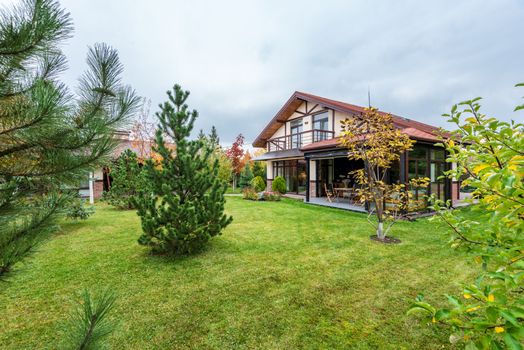 Photo: Max Vakhtbovych / Pexels
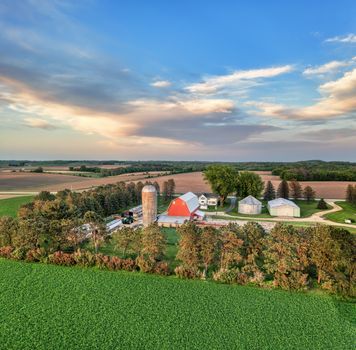 Photo: Tom Fisk / Pexels
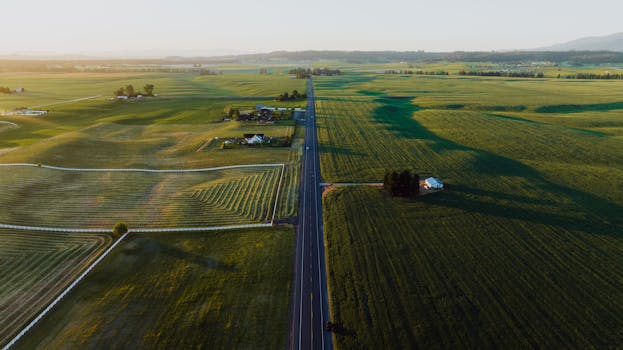 Photo: K / Pexels
 Photo: Tom Fisk / Pexels