
Homes for Sale Near Me With Acreage: Your Dream Rural Escape
Unlock the door to spacious living and endless possibilities with properties offering ample land right in your vicinity.
Find Your Acreage HomeKey Takeaways
- ✓ Acreage properties offer unparalleled privacy and space.
- ✓ They can provide opportunities for farming, equestrian pursuits, or simply enjoying nature.
- ✓ Location, zoning, and land utility significantly impact value.
- ✓ Financing options for acreage homes can differ from standard residential loans.
How It Works
Determine the minimum and maximum acreage you require, considering your intended use (e.g., gardening, livestock, privacy). Research local zoning laws to ensure your plans are feasible in the desired area.
Utilize online real estate platforms, local real estate agents specializing in rural properties, and driving tours to identify potential homes. Pay close attention to surrounding infrastructure and community amenities.
Engage professionals for property surveys, well and septic inspections, soil tests, and title searches. Understand easements, mineral rights, and any agricultural exemptions that may apply.
Work with lenders experienced in acreage and rural property loans, which may include USDA loans, land loans, or specific portfolio products. Be prepared for potentially different appraisal processes and down payment requirements.
Unveiling the Appeal of Rural Properties for Sale
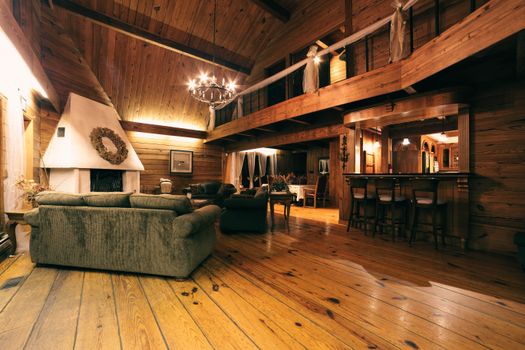 Photo: Erik Mclean / Pexels
Moreover, properties with acreage often represent a sound investment. Land, in many regions, tends to appreciate over time, and the intrinsic value of a large plot of land can be substantial. It provides a buffer against overdevelopment and offers opportunities for future expansion, whether that means adding outbuildings, a guest house, or even subdividing (subject to local zoning, of course). For those seeking a sustainable lifestyle, acreage allows for the implementation of renewable energy sources like solar panels, the creation of permaculture systems, and the cultivation of organic produce. The potential for a less carbon-intensive footprint is a significant draw for environmentally conscious buyers. Furthermore, rural properties often come with a strong sense of community, albeit one that might be more spread out. Neighbors often share a common appreciation for the land and a willingness to help one another, fostering a supportive environment that can be harder to find in more densely populated areas. The search for homes for sale near me with acreage is not just about a house; it's about embracing a lifestyle that prioritizes space, freedom, and a return to fundamental values. Explore real estate options that align with your vision of spacious living.
Navigating the Market for Land for Sale with House
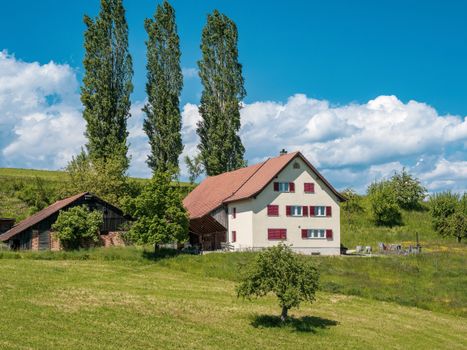 Photo: Thomas P / Pexels
Due diligence becomes paramount in this process. Before making an offer, it’s advisable to conduct thorough site inspections, including soil tests to assess suitability for agriculture or septic systems, well inspections to ensure water quality and quantity, and boundary surveys to confirm property lines and identify any potential encroachments. Understanding local zoning ordinances is also critical. These regulations dictate what you can and cannot do with your land, from building restrictions and setback requirements to permissible agricultural activities and animal limits. Some areas may have specific provisions for conservation easements or agricultural preservation districts that could impact future development. Engaging a real estate agent who specializes in rural or acreage properties is highly recommended. These agents possess unique expertise in evaluating land values, understanding local regulations, and connecting buyers with specialized lenders. They can help you identify properties that meet your specific needs, whether you're looking for a working farm, a recreational retreat, or a quiet homestead. They can also guide you through the complexities of contracts that involve not just the home, but also land features, water rights, and other specific clauses relevant to acreage. The investment of time and resources into proper due diligence will ultimately save you from potential headaches and ensure your acreage purchase aligns perfectly with your long-term goals and dreams for your new property.
Financing Your Dream Acreage Real Estate Purchase
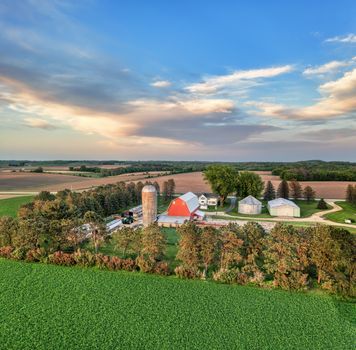 Photo: Tom Fisk / Pexels
One popular option for eligible buyers is a USDA Rural Development loan. These loans are designed to help low- and moderate-income individuals purchase homes in designated rural areas, often requiring no down payment and offering competitive interest rates. However, there are income limits and property location restrictions. Another avenue is a land loan, which can be used to purchase raw land or land with a home that may not meet conventional mortgage standards. These typically require higher down payments and shorter repayment terms than standard mortgages, and interest rates might be slightly higher due to the increased risk for the lender.
Alternatively, some banks offer portfolio loans, which are kept on the bank's books rather than being sold on the secondary market. This allows for greater flexibility in underwriting and can accommodate unique property characteristics often found with acreage. When applying for financing, be prepared for a more detailed appraisal process. Appraisers for acreage properties will consider not only the home's features but also the value of the land, its utility, access to utilities (well, septic, power), and any existing outbuildings or improvements. They will compare it to other similar acreage sales in the area, which can be a challenge if comparable properties are sparse. It’s essential to gather all necessary documentation regarding the property, including surveys, well and septic permits, and any agricultural income statements if applicable. Working with a knowledgeable loan officer who understands the nuances of acreage financing is paramount to a successful purchase. They can guide you through the various options, explain the requirements, and help you navigate the application process efficiently. Understanding these financing complexities upfront will empower you to make informed decisions and secure the best terms for your acreage dream. You can find more details on real estate financing here.
Avoiding Pitfalls: Tips for Buying Country Homes for Sale
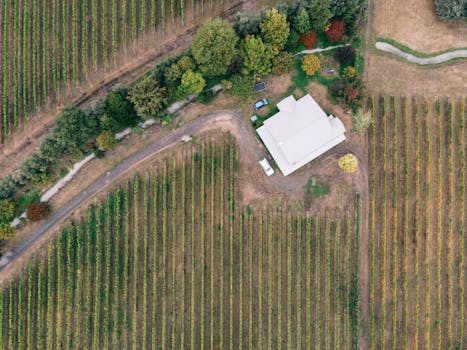 Photo: Ben Young / Pexels
- Verify Water Sources and Quality: If the property relies on a well, ensure it's inspected for flow rate, pump condition, and water quality. Test for contaminants like bacteria, nitrates, and heavy metals. Understand the maintenance requirements and potential costs associated with well systems.
- Inspect Septic Systems Thoroughly: Unlike municipal sewer systems, septic tanks require regular maintenance. A professional septic inspection will assess the tank's condition, drain field functionality, and ensure it's adequately sized for the property. Repair or replacement costs can be substantial.
- Understand Easements and Rights-of-Way: Check the property's title and survey for any easements (e.g., utility, access, conservation) or rights-of-way that could affect your use or future development plans. These can grant others the right to use a portion of your land.
- Research Local Zoning and Land Use Regulations: Zoning laws dictate what you can build, what type of animals you can keep, and how you can use your land. Don't assume your plans are permissible. Contact the local planning department.
- Assess Internet and Cell Service: Rural areas can have spotty internet and cell phone coverage. If reliable connectivity is essential, verify service availability and speed before committing.
- Consider Road Access and Maintenance: Is the property accessed via a public road, or a private drive? If private, understand who is responsible for maintenance and snow removal. Gravel roads can require ongoing upkeep.
- Factor in Utility Costs: Rural homes might rely on propane or wood for heat, and electricity can be more expensive if lines need to be extended. Get estimates for utility costs.
- Evaluate Outbuildings and Infrastructure: Barns, sheds, fences, and other existing structures need to be inspected for structural integrity and functionality. They can be assets or liabilities.
- Work with Specialists: Engage a real estate agent, appraiser, and lender who specialize in rural and acreage properties. Their expertise is invaluable in navigating the unique aspects of these transactions.
- Understand Property Taxes: Acreage properties can have different tax assessments, sometimes benefiting from agricultural exemptions if used for farming. Research the current and potential future tax burden.
Comparison
| Feature | Acreage Home | Suburban Home | Urban Condo |
|---|---|---|---|
| Privacy Level | High | Medium | Low |
| Land Size | Large (1+ acres) | Small (0.1-0.5 acres) | None |
| Maintenance Needs | Extensive (land, well, septic) | Moderate (yard, home) | Minimal (HOA covers) |
| Lifestyle Focus | Self-sufficiency, nature, hobbies | Family, community, convenience | Convenience, culture, amenities |
| Potential for Expansion | High | Low | None |
| Commute Time | Potentially longer | Moderate | Short |
| Access to Services | Limited, requires travel | Good | Excellent |
| Financing Complexity | Higher, specialized loans | Standard mortgages | Standard mortgages |
What Readers Say
"We found the perfect home for sale near me with acreage thanks to this guide! We wanted space for our horses, and it really helped us understand the unique financing and inspection needs. Couldn't be happier with our new rural retreat."
Sarah J. · Bend, OR"This resource was invaluable in our search for land with a house. It highlighted things we hadn't considered, like septic system inspections and water rights, saving us from potential headaches down the road. Highly recommend for acreage buyers."
Mark T. · Asheville, NC"After reading this, we realized the importance of a specialized real estate agent for acreage. Our agent helped us find a beautiful 10-acre property that met all our criteria, and the process was much smoother because of the insights gained here."
Emily R. · Dallas, TX"The information on financing options for rural properties was particularly helpful. While the process was still complex, understanding USDA loans and land loans beforehand gave us a significant advantage. The property is wonderful, just wish a few more local resources were mentioned."
David L. · Upstate NY"As first-time acreage buyers, we felt overwhelmed. This guide broke down the process into manageable steps, from defining our needs to understanding zoning. We successfully purchased a beautiful country home with 5 acres for our family to grow."
Jessica M. · Boise, IDFrequently Asked Questions
What are the key benefits of buying homes for sale near me with acreage?
The primary benefits include enhanced privacy, ample space for hobbies like gardening or livestock, potential for self-sufficiency, a stronger connection to nature, and the freedom to develop your property without close neighbors. It offers a unique lifestyle focused on tranquility and personal space.
Is financing for acreage properties different from standard home loans?
Yes, financing for acreage can be more complex. Traditional lenders may be hesitant, requiring specialized loans like USDA Rural Development loans, land loans, or portfolio loans. These often have different down payment requirements, appraisal processes, and interest rates compared to conventional mortgages.
How do I determine the right amount of acreage for my needs?
Start by defining your intended use: do you need space for a large garden, livestock, outbuildings, or just privacy? Research local zoning laws to understand minimum lot sizes and permissible activities. Consider your budget and the maintenance commitment, as more acreage generally means more upkeep.
What hidden costs should I be aware of when buying acreage?
Beyond the purchase price, consider costs for well and septic maintenance/repair, property taxes (which can differ for agricultural land), utility extensions, road maintenance for private drives, insurance, and potential costs for land clearing or improvements. Thorough inspections can help uncover these.
How does zoning impact my ability to use acreage for specific purposes?
Zoning is critical. It dictates what you can build, the types of animals you can keep, and even how many structures are allowed on your property. Always check with the local planning department to ensure your plans (e.g., farming, commercial use, subdividing) are permitted for the specific parcel.
Who should consider buying homes for sale near me with acreage?
Individuals or families seeking significant privacy, space for outdoor hobbies, a more self-sufficient lifestyle, or a quieter environment away from urban density are ideal candidates. It's also suitable for those interested in farming, equestrian pursuits, or simply owning a larger piece of land.
What are the common risks associated with purchasing rural acreage?
Risks include potential issues with water sources (well quantity/quality), septic system failures, limited access to high-speed internet and cell service, challenges with emergency services response times, and unforeseen land conditions (e.g., poor soil, drainage issues). Thorough due diligence mitigates these.
What are future trends for acreage properties?
Demand for acreage is likely to remain strong as more people seek privacy and space. We may see increased interest in sustainable living, off-grid capabilities, and properties suitable for remote work. Technological advancements in rural infrastructure and changing work patterns will continue to shape this market.
Ready to trade city lights for starry nights and ample space? Start your search for homes for sale near me with acreage today and unlock the door to a life of freedom, privacy, and endless possibilities. Your dream rural escape awaits – connect with a specialist to make it a reality.