Homes for Sale Near Me with Acreage: Your Dream Rural Retreat
Unlock the door to spacious living, privacy, and endless possibilities on your very own piece of land.
Find Your Acreage Home NowKey Takeaways
- ✓ Acreage properties offer enhanced privacy and space for various activities.
- ✓ Property values for acreage can be influenced by location, land quality, and existing structures.
- ✓ Financing options for acreage homes may differ from standard residential mortgages.
- ✓ Understanding zoning and land use regulations is crucial before purchase.
How It Works
Determine the ideal amount of land, desired features (e.g., pasture, woods, water), and your budget. Consider future plans like farming or expansion.
Utilize online real estate platforms and local agents to filter for 'homes for sale near me with acreage.' Specify your desired region and minimum acreage.
Perform inspections, surveys, and research zoning, water rights, and access. A local expert can guide you through this critical process.
Explore specialized loan products for rural properties. Work with your agent and lender to navigate the closing process smoothly and acquire your dream property.
Unlocking the Appeal of Rural Properties for Sale
Photo: Thomas P / Pexels
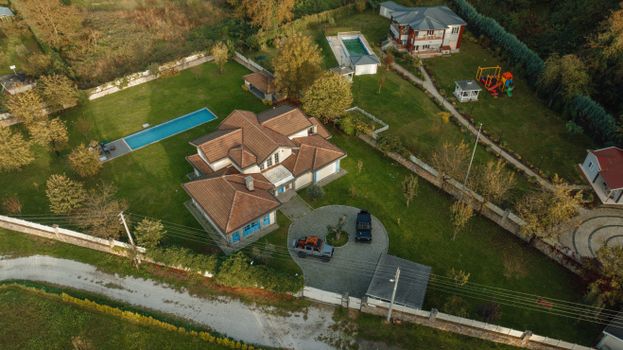
When you begin your search for rural properties for sale, you're not just looking for a house; you're investing in a lifestyle. The acreage itself becomes an integral part of the property's value and appeal. It offers the potential for expansion, the ability to build outbuildings like barns or workshops, and the opportunity to cultivate gardens or raise livestock. Beyond the practicalities, there's an undeniable emotional component. The sense of ownership over a significant parcel of land provides a unique feeling of security and accomplishment. It's a place where children can explore freely, where pets have room to roam, and where you can truly feel disconnected from the demands of modern life.
However, the journey to finding the perfect acreage property requires careful consideration. Unlike typical residential purchases, rural properties often come with unique characteristics that demand a more detailed investigation. Factors such as water sources (wells, municipal water), septic systems, access roads, and utility availability become paramount. Understanding the local ecosystem, potential for wildlife, and even the type of soil can influence your decision. The dream of a sprawling lawn might quickly turn into a significant mowing chore if not properly planned. Similarly, the desire for privacy can sometimes mean increased travel times to amenities. Therefore, while the appeal is strong, a realistic assessment of the commitment required is essential. Engaging with a local real estate expert who specializes in real estate with acreage is invaluable, as they can guide you through these specific considerations, ensuring your dream of a rural retreat becomes a sustainable reality.
Navigating the Search for Land for Sale with a House
Photo: Max Vakhtbovych / Pexels
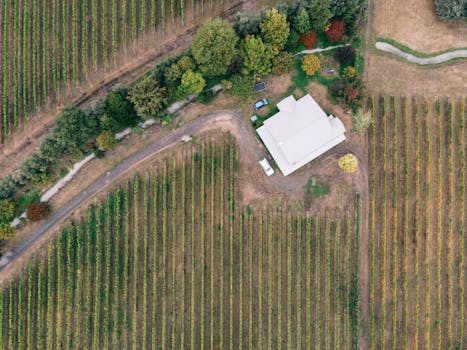
Online real estate platforms are excellent starting points, but you'll need to utilize their advanced filters diligently. Look for options that allow you to specify minimum acreage, property type (e.g., 'farm,' 'ranch,' 'land with home'), and specific features like 'barn,' 'pond,' or 'wooded lot.' Don't just search by the number of bedrooms and bathrooms; the land is the star here. Beyond popular websites, consider exploring local multiple listing services (MLS) directly or connecting with real estate agents who specialize in rural and agricultural properties. These agents often have access to pocket listings or properties that haven't yet hit the broader market, which can be a significant advantage in a competitive landscape.
Another critical aspect of navigating this search is understanding the geographical nuances. What might be considered 'acreage' in one region could be vastly different in another. In some areas, 5 acres is substantial, while in others, it's considered a small parcel. Researching typical property sizes and land values in your target region will provide a more realistic expectation. Furthermore, consider the proximity to essential services. While the appeal of isolation is strong, ensure that the distance to hospitals, schools, and grocery stores aligns with your lifestyle needs. It’s a delicate balance between desired seclusion and practical convenience. Visiting properties in person is non-negotiable; online photos can't convey the true feel of the land, its slopes, vegetation, or the surrounding environment. Be prepared to spend significant time exploring each potential property to fully grasp its potential and limitations. This thorough approach ensures that when you find a property, it genuinely matches your vision for a home nestled within ample land.
Financing Your Country Home for Sale: What You Need to Know
Photo: Atlantic Ambience / Pexels
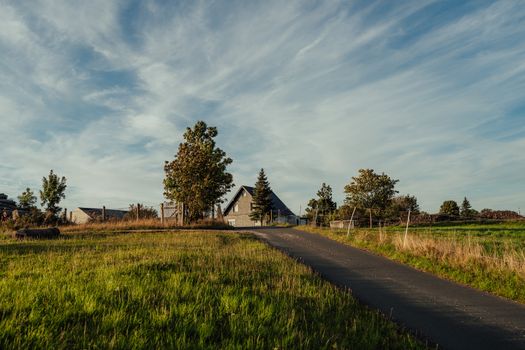
One of the most common financing options for country homes with acreage is a rural home loan, often provided by institutions specializing in agricultural or rural lending. The USDA Rural Development loan program is a popular choice for eligible buyers in designated rural areas, offering zero down payment options for qualifying low-to-moderate income individuals. However, properties must meet specific criteria, including location within a USDA-eligible area and certain property size/value limits. Other options include conventional loans, which might require a larger down payment for properties with significant land, or portfolio loans offered by local banks that have a deeper understanding of their regional real estate market and may be more flexible with acreage properties.
It's crucial to be prepared for a more rigorous appraisal process. Appraisers for acreage properties must consider not only the dwelling but also the value of the land, outbuildings (barns, sheds), water rights, and any unique features like timber or mineral rights. This can be more complex than appraising a standard residential lot, and the appraiser's experience with rural properties is vital. Furthermore, lenders will assess the property's accessibility, utility services (well, septic, electric), and whether there are any easements or rights-of-way that could impact the property's value or usability.
Before you even start seriously looking at 'country homes for sale,' it's highly advisable to get pre-approved for a loan that specifically covers properties with acreage. Discuss your specific needs with several lenders, including those who specialize in rural real estate. This not only gives you a clear understanding of your budget but also signals to sellers that you are a serious and qualified buyer. Be transparent about your intended use for the land, as this can affect loan eligibility and terms. A well-informed approach to financing will streamline your purchase process and prevent unexpected hurdles down the line.
Essential Tips for Buying Acreage Properties US & Avoiding Pitfalls
Photo: Артем Дворецкий / Pexels
1. Thorough Due Diligence is Non-Negotiable: Never skip the comprehensive due diligence. This includes:
- Property Survey: Confirm property lines, easements, and potential encroachments.
- Soil Test: Especially important if you plan to garden, farm, or install a new septic system.
- Well & Septic Inspection: Critical for properties not connected to municipal water/sewer. Understand their condition, capacity, and maintenance needs.
- Water Rights: Clarify if the property includes water rights for wells, streams, or irrigation, and any associated restrictions.
- Zoning & Land Use: Research local zoning ordinances to understand what you can and cannot do with the land (e.g., building additional structures, raising livestock, operating a business).
- Environmental Assessment: Check for potential environmental hazards, wetlands, or protected areas that could limit development.
2. Understand Access and Utilities: How is the property accessed? Is it via a public road, a private road, or an easement? Ensure legal and physical access is clear and maintained. Verify the availability and cost of connecting to utilities like electricity, internet, and phone services. Remote properties might incur significant costs for utility extensions.
3. Budget for Maintenance and Upkeep: More land means more maintenance. Factor in costs for mowing, fence repairs, driveway maintenance, well/septic upkeep, and potentially agricultural equipment. Acreage properties often require more time and financial resources to maintain than smaller lots.
4. Consider Insurance: Rural properties may have different insurance requirements or higher premiums due to factors like distance from fire services, specific risks associated with land use, or exposure to natural elements.
5. Work with a Local Expert: Partner with a real estate agent and attorney who specialize in rural and acreage properties in your specific target region. They will have invaluable knowledge of local regulations, market values, and potential issues unique to the area. Their expertise can save you significant time, money, and headaches.
6. Visit at Different Times and Seasons: If possible, visit the property during different times of day and in various weather conditions. This can reveal aspects like noise levels, drainage issues, or sun exposure that aren't apparent during a single showing.
Ignoring any of these aspects can lead to costly surprises or limit your ability to use the property as intended. A proactive and informed approach is your best defense against common pitfalls when investing in acreage.
Comparison
| Feature | Acreage Property | Suburban Home | Urban Condo |
|---|---|---|---|
| Privacy | High (✓) | Moderate | Low (✗) |
| Land Size | Large (1+ acre) | Small (0.1-0.5 acre) | None |
| Maintenance | High | Moderate | Low |
| Development Potential | High | Limited | None |
| Proximity to Amenities | Low to Moderate | High | Very High |
| Nature Access | Direct (✓) | Parks (✗) | Limited (✗) |
| Utility Costs | Potentially higher (well/septic) | Standard | Standard |
What Readers Say
"We found the perfect home for sale near me with acreage through this guide! The detailed advice on due diligence saved us from potential issues with water rights. Our kids now have so much space to play."
Sarah & Tom R. · Boise, ID"As a first-time acreage buyer, I felt overwhelmed. This resource broke down the financing options clearly, helping me secure a great USDA loan for my country home. Highly recommend for anyone looking for land with a house."
Michael D. · Asheville, NC"After years of searching for rural properties for sale, this guide helped us pinpoint exactly what we needed to look for. We closed on a beautiful 10-acre property last month, and it feels like a dream come true."
Jessica L. · Austin, TX"The information on zoning and land use was incredibly helpful, though I wish there was a bit more detail on specific state regulations. Still, a solid resource for anyone considering homes for sale near me with acreage."
David P. · Portland, OR"We needed space for our horses, and the tips on what to look for in land for sale with a house were spot on. Found a property with existing stables and plenty of pasture, exactly what we envisioned."
Emily S. · Nashville, TNFrequently Asked Questions
What are the key benefits of buying homes for sale near me with acreage?
The primary benefits include enhanced privacy, more space for hobbies and outdoor activities, the potential for self-sufficiency (gardening, livestock), freedom from strict HOA rules, and often, a stronger connection to nature. Acreage also offers potential for future expansion or development, increasing long-term value.
Is financing for acreage properties different from standard homes?
Yes, financing can be different. Lenders consider the land-to-home value ratio and acreage size. Specialized loans like USDA Rural Development loans are available, and conventional loans might require larger down payments. It's crucial to work with lenders experienced in rural real estate.
How do I find homes for sale near me with acreage?
Start by using online real estate platforms with advanced filters for acreage, property type (e.g., 'farm,' 'ranch'). Connect with local real estate agents who specialize in rural properties, as they often have access to more listings and local insights. Driving through target areas can also reveal 'for sale' signs not listed online.
What hidden costs should I be aware of when buying acreage?
Hidden costs can include higher maintenance for land (mowing, fencing), potential costs for well/septic system repairs, utility extensions for remote properties, increased property taxes due to land value, and specialized insurance premiums. Always factor in due diligence costs like surveys and environmental assessments.
Are there specific legal considerations for rural properties?
Absolutely. Key legal considerations include understanding zoning and land use regulations, verifying water rights (well, irrigation), checking for easements or rights-of-way that affect access or use, and ensuring clear title. It's highly recommended to consult with a local real estate attorney specializing in rural land.
Who typically benefits most from homes for sale near me with acreage?
Individuals or families seeking significant privacy, space for outdoor activities (e.g., equestrian, farming, off-roading), a quieter lifestyle away from urban density, or those planning to create a self-sufficient homestead often benefit most. It's also ideal for those with hobbies requiring ample land or who desire a strong connection to nature.
What are the risks associated with buying a rural property?
Risks can include higher maintenance demands, potential challenges with internet and cell service, longer travel times to amenities, increased exposure to wildlife, and the complexities of managing private well/septic systems. Unforeseen issues with land quality or environmental factors can also be risks if due diligence is not thorough.
How might climate change affect the value or usability of acreage properties?
Climate change could impact acreage properties through increased frequency of extreme weather events (flooding, droughts, wildfires), changes in water availability, and shifts in agricultural viability. Buyers should research regional climate projections and consider properties with resilient features or locations less prone to specific climate risks.
Ready to trade city noise for open skies? Explore the vast selection of homes for sale near me with acreage and embark on the journey to your ideal rural retreat. Your dream of spacious living and unparalleled privacy is just a click away.