Find Your Dream: Homes for Sale in Florida
homes for sale in florida

Find Your Dream: Homes for Sale in Florida

Unlock the door to your Florida dream home with our comprehensive guide to the Sunshine State's diverse real estate market.

Explore Listings Now

Key Takeaways

  • ✓ Florida boasts a diverse real estate market, from beachfront condos to sprawling estates.
  • ✓ The median home price in Florida has seen consistent growth over the past decade.
  • ✓ Property taxes in Florida are generally lower than the national average, a significant advantage.
  • ✓ Florida offers a homestead exemption that can reduce the taxable value of a primary residence.

How It Works

1
Define Your Florida Dream

Determine your budget, desired location, property type, and essential amenities. This clarity will streamline your search process significantly.

2
Secure Pre-Approval

Obtain mortgage pre-approval from a lender to understand your purchasing power. This also makes your offers more attractive to sellers.

3
Partner with a Local Expert

Engage a knowledgeable Florida real estate agent who specializes in your target areas. Their local insights are invaluable for finding the right home and navigating the market.

4
Make an Informed Offer

With your agent's guidance, submit a competitive offer based on market analysis and property condition. Be prepared for negotiations.

Navigating the Diverse Florida Real Estate Market
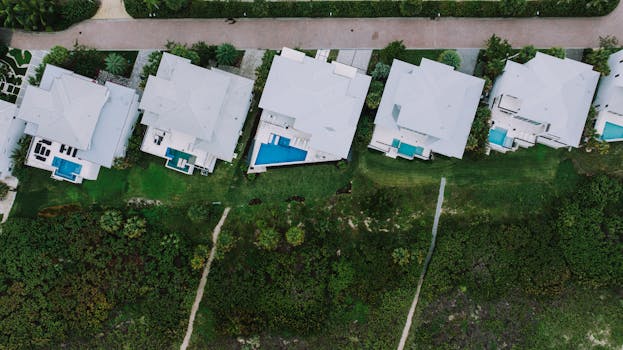
Aerial shot showcasing modern homes with pools in Fort Pierce, Florida neighborhood. Photo: K / Pexels
Florida, often called the Sunshine State, is renowned for its beautiful beaches, vibrant culture, and diverse real estate opportunities. When considering homes for sale in Florida, it's crucial to understand the sheer variety the market offers. From the bustling metropolitan areas of Miami and Orlando to the tranquil Gulf Coast communities and the historic charm of St. Augustine, each region presents a unique lifestyle and property landscape. The state's appeal extends beyond tourism, drawing in retirees, families, and young professionals seeking a high quality of life, favorable tax conditions (no state income tax!), and endless recreational activities. This influx of residents continuously fuels a dynamic real estate market. Understanding the regional differences is paramount. South Florida, encompassing areas like Miami-Dade, Broward, and Palm Beach counties, is known for its luxury condos, waterfront properties, and a strong international buyer presence. Here, you'll find a lively nightlife, world-class dining, and proximity to major ports and airports. Central Florida, anchored by Orlando, is a hub for tourism, theme parks, and a growing tech industry, offering a mix of suburban homes, master-planned communities, and investment properties. The Gulf Coast, including cities like Tampa, St. Petersburg, and Sarasota, provides a more laid-back atmosphere with stunning beaches, cultural attractions, and a strong sense of community. The Panhandle, often referred to as 'Florida's Forgotten Coast' or the 'Emerald Coast,' boasts pristine white sand beaches and charming coastal towns, appealing to those seeking a quieter, more natural setting. When exploring homes for sale in Florida, think beyond the postcard images. Consider factors like proximity to work, schools, healthcare facilities, and desired amenities. Do you prefer a bustling urban environment, a quiet suburban neighborhood, or a serene rural setting? Are you looking for a single-family home, a condo, a townhouse, or a waterfront estate? Each choice has implications for price, property taxes, insurance, and maintenance. For instance, waterfront properties often come with higher insurance costs due to flood risks, but they also offer unparalleled views and direct access to water activities. Similarly, homes in master-planned communities might have HOA fees but often include amenities like pools, clubhouses, and security. Taking the time to research and understand these regional and property-type nuances will empower you to make an informed decision and find a home that truly fits your lifestyle and investment goals.

Financing Your Florida Dream Home: What You Need to Know

Wooden mannequin with house model, coins, and hourglass on a wooden table, symbolizing time and financial growth. Photo: Picas Joe / Pexels
Securing financing is a critical step when looking at homes for sale in Florida. The process can seem daunting, but with the right preparation and understanding, it can be smooth and successful. The first and most crucial step is to get pre-approved for a mortgage. This involves a lender reviewing your financial situation – including income, assets, debts, and credit history – to determine how much you can borrow. Pre-approval not only gives you a clear budget but also signals to sellers that you are a serious and qualified buyer, giving you an edge in a competitive market. Interest rates play a significant role in your monthly mortgage payments. While they fluctuate based on market conditions, your credit score, and loan type, it's wise to shop around for the best rates from multiple lenders. Different loan products are available, such as conventional loans, FHA loans (which often require lower down payments), VA loans (for eligible veterans), and jumbo loans for higher-value properties. Each has specific requirements and benefits. Understanding these options and discussing them with a mortgage broker or lender can help you choose the best fit for your financial situation. Beyond the purchase price, buyers need to factor in closing costs, which typically range from 2% to 5% of the loan amount. These costs include various fees such as appraisal fees, title insurance, attorney fees, recording fees, and loan origination fees. Additionally, property taxes and homeowners insurance are ongoing expenses. Florida homeowners insurance can be higher than in other states due to the risk of hurricanes and other natural disasters. It's essential to get quotes for insurance early in the process to avoid surprises. Flood insurance, often separate from standard homeowners insurance, is also a crucial consideration for properties in designated flood zones. Another unique aspect of Florida homeownership is the homestead exemption. If the home you purchase will be your primary residence, you may be eligible for a homestead exemption, which can reduce the taxable value of your property, thereby lowering your annual property tax bill. This is a significant financial benefit for Florida residents. Navigating these financial aspects requires careful planning and expert advice. Working with a reputable mortgage lender who understands the Florida market can provide invaluable guidance, ensuring you are well-prepared for all financial aspects of purchasing homes for sale in Florida.

Investment Opportunities and Lifestyle Benefits of Florida Properties

Three women enjoying a sunny day at Cocoa Beach, Florida, with seagulls and ocean waves in the background. Photo: Duren Williams / Pexels
Investing in homes for sale in Florida offers a compelling blend of lifestyle advantages and robust investment opportunities. The state's continuous population growth, driven by its attractive climate, favorable tax policies (no state income tax), and diverse job market, underpins a strong demand for housing. This sustained demand, coupled with limited inventory in many desirable areas, contributes to appreciating property values over time. For investors, this translates into potential capital gains and the possibility of generating rental income, especially in popular tourist destinations or areas with high seasonal demand. Florida's tourism industry is a massive draw, making short-term rental properties a lucrative option in many areas. Cities like Orlando, Miami, and coastal towns regularly attract millions of visitors, creating a consistent need for vacation rentals. However, it's crucial to research local regulations regarding short-term rentals, as these can vary significantly by county and municipality. Beyond tourism, the state's growing economy, particularly in sectors like aerospace, technology, healthcare, and logistics, attracts new residents, further strengthening the long-term rental market for traditional leases. The lifestyle benefits of owning a home in Florida are equally compelling. Imagine waking up to sunshine almost every day, with year-round access to world-class beaches, championship golf courses, and an array of outdoor activities like boating, fishing, and hiking. Florida is also a cultural melting pot, offering diverse culinary experiences, art scenes, and entertainment options. For families, the state boasts excellent schools, numerous family-friendly attractions, and a wide variety of community events. Retirees are drawn to Florida for its warm weather, active adult communities, and the absence of state income tax, which can significantly enhance their retirement savings. Furthermore, Florida's infrastructure continues to expand and improve, with ongoing investments in transportation, healthcare facilities, and public amenities. These developments not only enhance the quality of life for residents but also contribute to the long-term value of real estate. Whether you're looking for a primary residence, a vacation home, or an investment property, the diverse offerings and enduring appeal of the Sunshine State make homes for sale in Florida an attractive prospect. By carefully evaluating your personal goals and market trends, you can unlock significant returns and enjoy an unparalleled lifestyle.

Common Mistakes to Avoid When Buying Homes in Florida

A home inspector wearing safety gear examines a house interior for safety compliance. Photo: RDNE Stock project / Pexels
Buying a home, especially in a dynamic market like Florida's, can be complex. Avoiding common pitfalls can save you significant time, money, and stress. Here are key mistakes to be aware of: * **Underestimating Insurance Costs:** Many buyers focus solely on the mortgage payment and property taxes, neglecting the often-higher insurance premiums in Florida due to hurricane and flood risks. Always get detailed insurance quotes early in your home search, especially for properties near the coast or in flood zones. Flood insurance is typically separate from homeowners insurance. * **Skipping a Thorough Home Inspection:** While tempting in a hot market, waiving a home inspection is a risky gamble. Florida homes, particularly older ones, can have unique issues related to humidity, pests, and specific construction methods. A comprehensive inspection can uncover costly problems like roof damage, HVAC issues, or foundation concerns that aren't visible during a showing. * **Not Researching HOA/CDD Fees:** Many Florida communities, especially newer ones and those with extensive amenities, have Homeowners Association (HOA) fees and Community Development District (CDD) fees. These can add hundreds of dollars to your monthly expenses. Understand what these fees cover, review the HOA documents, and factor them into your budget before making an offer. * **Failing to Consider Resale Value:** Even if this is your dream home, life circumstances can change. Think about the long-term resale potential. Factors like location, school districts, proximity to major employers or attractions, and overall community appeal will impact how easily and profitably you can sell the home in the future. * **Ignoring Local Market Trends:** Florida's real estate market is highly localized. What's happening in Miami might be very different from Orlando or Naples. Work with a local real estate agent who has deep knowledge of your target neighborhood's specific trends, including average days on market, price per square foot, and recent sales comparables. Relying on broad state-level data can be misleading. * **Not Budgeting for Closing Costs:** Closing costs can add 2-5% of the home's purchase price to your upfront expenses. These include loan origination fees, appraisal fees, title insurance, recording fees, and more. Ensure you have these funds readily available in addition to your down payment. By being proactive and informed about these potential pitfalls, you can navigate the process of buying homes for sale in Florida more confidently and make a sound investment.

Comparison

FeatureCoastal LivingCentral Florida SuburbsNorth Florida Charm
Lifestyle FocusBeach, Boating, LuxuryFamily, Theme Parks, CommuterNature, History, Quiet
Median Home PriceHigherModerateModerate to Lower
Insurance CostsPotentially HighModerateModerate
Job MarketTourism, Finance, TechTourism, Tech, HealthcareGovernment, Education, Agribusiness
TrafficHigh in seasonModerate to HighLower
HOA/CDD Prevalence✗ (less common)

What Readers Say

"Finding homes for sale in Florida felt overwhelming until I connected with a local agent. They helped us navigate the market and find the perfect beachfront condo that exceeded our expectations."

Sarah J. · Sarasota, FL

"The insights on financing and avoiding common mistakes in this guide were invaluable. We secured a great interest rate and understood all the closing costs upfront, making our purchase smooth."

Mark D. · Orlando, FL

"We moved from out of state and were nervous about the process. This article, combined with an excellent realtor, helped us find a beautiful family home within our budget in just two months."

Emily R. · Tampa, FL

"While the market was competitive, the detailed breakdown of different Florida regions helped us narrow down our search. We found a great property, though insurance quotes were definitely higher than expected."

David L. · Jacksonville, FL

"As an investor, I found the section on investment opportunities very insightful. It confirmed my decision to purchase a vacation rental and highlighted key considerations I hadn't fully explored."

Jessica M. · Key West, FL

Frequently Asked Questions

What are the current trends for homes for sale in Florida?

The Florida real estate market is dynamic and highly localized. Generally, demand remains strong due to population growth and favorable tax policies. While some areas have seen price stabilization, others continue to experience appreciation. Inventory levels vary, with competitive bidding still common in highly desirable locations. Consulting local market reports and real estate agents is crucial for the most current trends.

Is it a good time to buy a home in Florida?

Whether it's a 'good' time to buy depends on individual circumstances, financial readiness, and specific market conditions in your desired area. Florida offers long-term growth potential, but current interest rates and localized inventory levels should be carefully considered. It's always a good time to buy if you find a property that meets your needs and budget, and you plan to hold it for several years.

How do I find a reputable real estate agent in Florida?

To find a reputable real estate agent, start by asking for referrals from friends, family, or colleagues who have recently bought or sold in Florida. Look for agents with strong local market knowledge, positive client reviews, and experience in the specific type of property or neighborhood you're interested in. Interview a few agents to ensure their communication style and expertise align with your needs.

What are the average closing costs when buying homes for sale in Florida?

In Florida, average closing costs typically range from 2% to 5% of the home's purchase price. These costs include various fees such as lender origination fees, appraisal fees, title insurance, recording fees, attorney fees, and prepaid expenses like property taxes and homeowners insurance. It's essential to budget for these additional expenses on top of your down payment.

How do property taxes work in Florida?

Florida property taxes are assessed annually by county property appraisers based on the fair market value of your home. The tax rate, or millage rate, is set by local taxing authorities. A significant benefit for Florida residents is the homestead exemption, which can reduce the taxable value of your primary residence by up to $50,000, thereby lowering your annual property tax bill.

Who should consider buying homes for sale in Florida?

Homes for sale in Florida appeal to a wide range of buyers: retirees seeking warm weather and no state income tax, families looking for excellent schools and recreational opportunities, young professionals drawn to growing job markets, and investors seeking rental income or capital appreciation in a popular destination. Anyone desiring a vibrant lifestyle with diverse options should consider Florida.

What are the risks associated with buying a home in Florida?

The primary risks associated with buying a home in Florida include the potential for natural disasters like hurricanes and associated higher insurance costs (homeowners and flood insurance), and the possibility of competitive markets leading to bidding wars. Additionally, understanding HOA/CDD fees and property specific issues (like sinkholes in some regions) requires due diligence. Thorough research and expert guidance can mitigate these risks.

What future trends might impact the Florida housing market?

Future trends impacting the Florida housing market include continued population growth, driven by domestic migration and international buyers, which will likely sustain demand. Infrastructure development, climate change adaptation efforts (e.g., sea-level rise mitigation), and shifts in remote work policies could influence demand in different regions. Interest rate fluctuations and economic stability will also play significant roles in market activity and affordability.

Ready to discover your perfect piece of paradise? Explore the vast array of homes for sale in Florida today. With our comprehensive resources and expert guidance, your dream home is closer than you think. Start your journey now!

Topics: homes for sale in floridaflorida real estate marketbuy a house in floridaflorida property listingsrelocate to florida
Leo List
Brampton weed
Adultwork EstrelaBet Vai de Bet R7 Bet Betão Galera Bet Rainbet Bet9ja Shop SportyBet BetKing Sisal Loto Foot Hollywoodbets YesPlay Odibets RushBet Jugabet BetWarrior BetCity MSport betPawa Fortebet