Unlock Value: Foreclosed Homes for Sale US
foreclosed homes for sale US

Unlock Value: Foreclosed Homes for Sale US

Navigate the competitive market of foreclosures to find significant savings and investment potential.

Find Your Foreclosure

Key Takeaways

  • ✓ Foreclosures can offer properties below market value.
  • ✓ The process involves various types: pre-foreclosure, auction, REO.
  • ✓ Financing options for foreclosures may differ from traditional loans.
  • ✓ Due diligence is crucial due to 'as-is' sales and potential hidden issues.

How It Works

1
Understand Foreclosure Types

Familiarize yourself with pre-foreclosure, auction, and REO (bank-owned) properties. Each stage presents different opportunities and challenges for buyers.

2
Secure Financing & Pre-Approval

Obtain pre-approval for a mortgage tailored to foreclosure purchases. Some lenders specialize in these transactions, offering specific loan products.

3
Search & Identify Properties

Utilize online databases, real estate agents specializing in foreclosures, and local government resources. Be ready to act quickly when a suitable property appears.

4
Conduct Due Diligence & Offer

Thoroughly research the property's history, condition, and title. Make a competitive offer, understanding that many foreclosures are sold 'as-is' with little room for contingencies.

Navigating the Landscape of Foreclosed Homes for Sale US
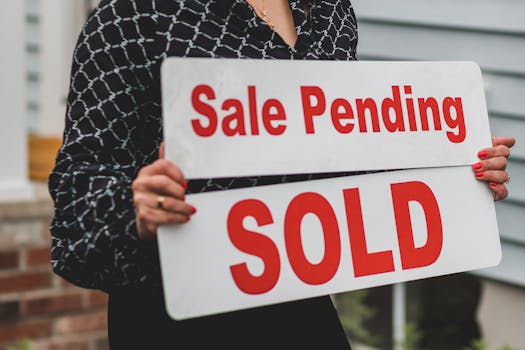
A businesswoman holding 'Sale Pending' and 'Sold' signs indicating a successful real estate transaction. Photo: RDNE Stock project / Pexels
The landscape of foreclosed homes for sale across the US presents a unique and often lucrative avenue for both seasoned investors and first-time homebuyers. Understanding this market requires a nuanced approach, as it differs significantly from traditional real estate transactions. A foreclosure occurs when a homeowner defaults on their mortgage payments, and the lender repossesses the property to recoup their losses. This can lead to properties being sold at a discount, creating opportunities for buyers willing to navigate the complexities involved. The allure of a potentially lower purchase price is undeniable, but it's crucial to approach these opportunities with a clear understanding of the process, potential risks, and necessary due diligence. There are several stages at which a property can be considered a foreclosure, each offering distinct advantages and disadvantages for buyers. The earliest stage is **pre-foreclosure**, where the homeowner has defaulted but the property has not yet been repossessed by the lender. During this period, homeowners might be motivated to sell quickly to avoid foreclosure, potentially allowing for a direct purchase and negotiation. This can be an excellent time to find a deal, as you're dealing directly with the owner, who may be more flexible on price and terms than a bank. However, finding these properties can be challenging, often requiring proactive research into public records of Notices of Default. Following pre-foreclosure, if the homeowner cannot resolve their debt, the property typically moves to a **foreclosure auction**. These auctions are usually conducted by a trustee on behalf of the lender, often on courthouse steps or online. Properties are sold to the highest bidder, and a significant characteristic of these sales is that they are generally cash-only transactions, requiring immediate payment or a substantial deposit. Buyers at auction often do not have the opportunity to inspect the property's interior, and they assume all risks regarding its condition and any existing liens. This makes auction purchases highly risky but also potentially highly rewarding for experienced buyers with deep pockets and a strong understanding of local real estate values and legalities. Finally, if a property does not sell at auction, it becomes a **bank-owned property**, also known as Real Estate Owned (REO). These properties are now directly owned by the lender. REO properties are generally considered the safest type of foreclosure purchase for the average buyer, as banks are motivated to sell and usually clear any existing liens. While still often sold 'as-is,' banks may allow for inspections and sometimes even offer financing incentives. They are typically listed with real estate agents, making them more accessible through traditional channels like MLS listings and online real estate platforms. Navigating these stages effectively is the first step toward successfully acquiring one of the many foreclosed homes for sale across the US. Understanding the specific legal framework in your state is also paramount, as foreclosure laws can vary significantly. Understanding local real estate laws can save you considerable time and potential headaches.

Strategies for Finding and Financing Foreclosed Properties
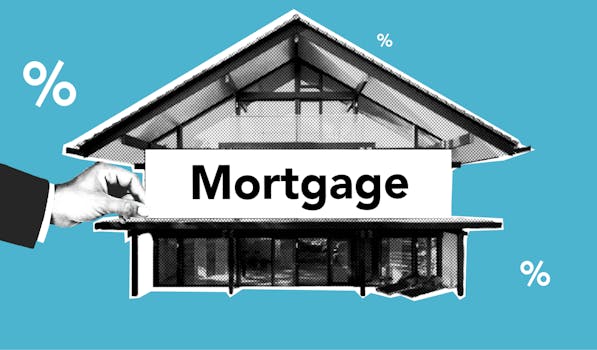
Cutout paper composition of realtor with inscription mortgage over house for purchases with payment of interest on amount of cost Photo: Monstera Production / Pexels
Successfully acquiring foreclosed homes for sale in the US hinges on effective search strategies and securing appropriate financing. The market for these properties is dynamic, and being well-prepared can give you a significant edge. Your search should begin by identifying the type of foreclosure property that best suits your risk tolerance and financial capabilities. For those new to the foreclosure market, REO properties are often the most accessible entry point due to their traditional listing methods and the bank's willingness to work with buyers on inspections and title issues. Websites of major banks often have dedicated REO listings, as do government agencies like HUD (for FHA-insured foreclosures) and Fannie Mae/Freddie Mac. Online real estate platforms such as Zillow, Realtor.com, and Redfin also list foreclosed properties, often filtering options to specifically show 'foreclosure' or 'bank-owned' homes. Specialized foreclosure listing sites can provide more comprehensive databases, sometimes requiring a subscription but offering deeper insights and more listings. Beyond online resources, consider partnering with a real estate agent who specializes in foreclosures. These agents often have direct access to listings before they hit the open market, understand the unique negotiation tactics required, and can guide you through the intricate paperwork and legalities. They can be invaluable in identifying properties, conducting comparative market analyses (CMAs) to assess true value, and advising on offer strategies. Securing financing for foreclosed homes can sometimes be more complex than for traditional sales. While REO properties are often eligible for conventional mortgages, properties purchased at auction typically require cash. For those without sufficient cash reserves for an auction, private lenders or hard money loans might be an option, though they come with higher interest rates and shorter repayment terms. When pursuing an REO property, getting pre-approved for a mortgage is crucial. This demonstrates your financial readiness and can make your offer more attractive to the selling bank. Be aware that some foreclosed properties may not meet FHA or VA loan requirements due to their 'as-is' condition, often requiring repairs before they can be insured. Conventional loans or renovation loans (like an FHA 203(k) or Fannie Mae HomeStyle Renovation loan) can be excellent options for properties needing significant work. These loans allow you to finance both the purchase and the necessary repairs into a single mortgage, making a distressed property more manageable. Always consult with a mortgage lender specializing in foreclosures to understand your best financing avenues, as their expertise can significantly streamline the process and help you avoid common pitfalls. A well-executed search combined with appropriate financing is the bedrock of a successful foreclosure purchase, ensuring you can capitalize on the opportunities presented by foreclosed homes for sale across the US.

Due Diligence and Risk Mitigation for Foreclosure Buyers
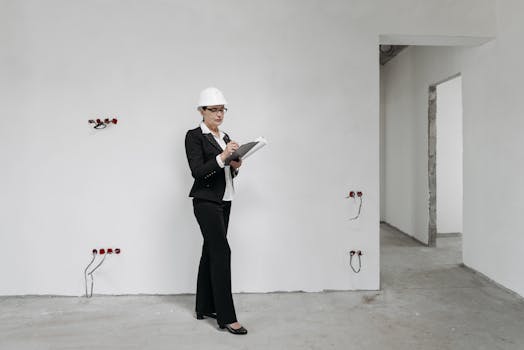
Woman in hard hat reviews notes at a construction site, examining progress. Photo: Pavel Danilyuk / Pexels
Engaging with foreclosed homes for sale in the US demands meticulous due diligence and a proactive approach to risk mitigation. Unlike standard home purchases, foreclosures often come with a unique set of challenges that, if overlooked, can turn a potential bargain into a financial burden. The 'as-is' nature of many foreclosure sales means the seller (be it a bank or the trustee at an auction) is typically unwilling to make repairs or provide warranties. This places the onus entirely on the buyer to uncover any issues before committing to a purchase. One of the most critical steps in due diligence is a thorough property inspection. While not always possible for auction properties, it is highly recommended for pre-foreclosures and REOs. A professional home inspector can identify structural defects, plumbing and electrical issues, roof problems, and other costly repairs. It's not uncommon for foreclosed homes to have been neglected or even vandalized by previous occupants, leading to significant damage. Budgeting for potential repairs is not just smart; it's essential. Get multiple quotes from contractors for identified issues to accurately estimate renovation costs. This estimate should be factored into your offer price, ensuring the property remains a financially viable investment. Another vital aspect is conducting a comprehensive title search. This process, usually handled by a title company or real estate attorney, uncovers any liens, encumbrances, or other claims against the property. Unpaid property taxes, HOA fees, contractor liens, or even second mortgages can become the responsibility of the new owner if not cleared before the sale. While banks typically clear liens on REO properties, auction sales often transfer the property with existing encumbrances, making a title search absolutely non-negotiable for auction bidders. Understanding the chain of title and ensuring a clear title transfer is paramount to avoid future legal and financial complications. Beyond the physical and legal aspects, research the local market thoroughly. Understand comparable sales (comps) in the neighborhood to determine the true market value of the property once it's repaired and updated. Don't be swayed solely by the low asking price; always consider the total investment required. Visit the neighborhood at different times of day to assess its character, amenities, and potential for appreciation. Talk to local residents if possible. For investment properties, analyze potential rental income and vacancy rates. By undertaking rigorous due diligence, you empower yourself to make informed decisions, negotiate effectively, and significantly mitigate the inherent risks associated with purchasing foreclosed homes for sale across the US, transforming a potentially complex process into a rewarding investment. Property valuation is key to smart investing.

Common Pitfalls and Smart Tips for Buying Foreclosures

Real estate agent standing outside modern house with for sale sign, featuring contemporary design. Photo: Thirdman / Pexels
Purchasing foreclosed homes for sale in the US can be a fantastic opportunity, but it's also fraught with potential pitfalls that can quickly erode any perceived savings. Being aware of these common mistakes and adopting smart strategies can safeguard your investment. One major pitfall is underestimating repair costs. Many buyers are enticed by a low price only to discover extensive damage, from neglected maintenance to intentional vandalism (e.g., missing copper piping, stripped fixtures). Always assume the worst and budget for more repairs than initially estimated. Get professional inspections and contractor quotes before making an offer on REOs. Another common error is failing to conduct a thorough title search, especially with auction properties. As mentioned, properties at auction can come with existing liens or encumbrances, which the new owner may become responsible for. This can include unpaid taxes, HOA dues, or even prior mortgages. Always engage a title company or real estate attorney to ensure a clear title, even if the auction terms state otherwise. Many buyers also make the mistake of not understanding the specific buying process for different types of foreclosures. Auction rules, REO bank offer procedures, and pre-foreclosure negotiations each have unique requirements and timelines. Missing deadlines or failing to provide correct documentation can lead to losing a deal or your earnest money. Work with an experienced real estate agent who specializes in foreclosures to guide you through these intricate processes. **Smart Tips for Success:** * **Get Pre-Approved for Financing:** This shows you're a serious buyer, especially important when competing for REOs. * **Build a Strong Team:** Partner with a foreclosure-savvy real estate agent, a reliable home inspector, and a competent real estate attorney. * **Research the Neighborhood:** Beyond the property, understand the local market, schools, amenities, and future development plans. * **Budget for Unexpected Costs:** Beyond the purchase price and known repairs, factor in closing costs, potential eviction costs (if the property is still occupied), and a contingency fund for unforeseen issues. * **Be Patient but Decisive:** Great deals can emerge quickly, so be ready to act, but don't rush into a purchase without proper due diligence. * **Understand 'As-Is' Sales:** This means the seller will not make repairs. Budget for all necessary work yourself. * **Verify Occupancy:** For pre-foreclosures or even some REOs, the previous owner or tenants might still be occupying the property. Understand the legal process and costs associated with eviction in your state.

Comparison

FeatureREO (Bank-Owned)Foreclosure AuctionPre-Foreclosure
Buyer RiskMediumHighLow-Medium
Inspection AllowedUsuallyRarelyOften
Financing OptionsTraditional MortgagesCash Only (Typically)Traditional Mortgages
Title Clear✓ (negotiable)
Negotiation ScopeModerateLimited (bidding)High
Property ConditionVariable (often neglected)Unknown (sight unseen)Variable
Time to CloseStandard (30-60 days)Fast (often 24-48 hrs)Standard (30-60 days)

What Readers Say

"Finding foreclosed homes for sale in the US seemed daunting, but with the right agent, I secured a fantastic REO property. The process was smoother than I expected, and I got a great deal."

Sarah J. · Phoenix, AZ

"As an investor, foreclosures are my bread and butter. This guide really breaks down the nuances between auction and REO, which is crucial for maximizing profit on foreclosed homes for sale US."

Mark T. · Miami, FL

"I purchased a pre-foreclosure and was able to negotiate directly with the homeowner. Saved about $40,000 off market value after repairs, thanks to understanding the process laid out here for foreclosed homes for sale US."

Jessica L. · Atlanta, GA

"While my auction purchase came with more hidden issues than anticipated, the guide's emphasis on due diligence helped me prepare. Still a good investment, but definitely heed the warnings about 'as-is' for foreclosed homes for sale US."

David K. · Denver, CO

"As a first-time buyer, the idea of foreclosed homes for sale US was intimidating. This article made it understandable and gave me the confidence to pursue an REO, which became my dream starter home."

Emily R. · Seattle, WA

Frequently Asked Questions

What are the main types of foreclosed homes for sale in the US?

The main types include pre-foreclosures (homeowner still owns but has defaulted), foreclosure auctions (property sold by trustee to highest bidder, often cash-only), and REO (Real Estate Owned) properties, which are bank-owned homes that didn't sell at auction and are now listed by the lender.

Are foreclosed homes always a good deal?

Not necessarily. While foreclosed homes often sell below market value, they frequently require significant repairs, and some may come with hidden issues or liens. The 'deal' depends on a thorough assessment of the property's condition, required renovations, and local market values.

How can I find foreclosed homes for sale near me?

You can find foreclosed homes through various channels: specialized online foreclosure listing websites, major real estate platforms (Zillow, Realtor.com), websites of individual banks, government agencies (HUDHomeStore.gov), and by working with a real estate agent specializing in foreclosures.

What are the typical closing costs for a foreclosed property?

Closing costs for foreclosed properties are similar to traditional sales, typically ranging from 2% to 5% of the purchase price. These can include appraisal fees, title insurance, legal fees, recording fees, and potentially higher escrow charges or specific bank fees depending on the lender and property type.

How do foreclosed homes compare to short sales?

Foreclosed homes are properties already repossessed by the lender. Short sales, however, occur when a homeowner sells their property for less than the amount owed on the mortgage, with the lender's approval. Short sales are often lengthy, as the lender must approve the sale, whereas foreclosures are generally quicker once the property is bank-owned or at auction.

Who should consider buying foreclosed homes for sale US?

Foreclosed homes are ideal for investors seeking properties to fix and flip or rent, and for homebuyers willing to undertake renovations in exchange for a potentially lower purchase price. Buyers with cash reserves, a high-risk tolerance, or a strong network of contractors often find the most success.

What are the biggest risks when buying a foreclosed home?

The biggest risks include purchasing a property 'as-is' with unknown structural or system issues, potential hidden liens or title defects (especially at auctions), the possibility of needing to evict previous occupants, and underestimating the cost and time required for necessary repairs and renovations.

What is the future outlook for the foreclosed homes market in the US?

The outlook for the foreclosed homes market is influenced by economic conditions, interest rates, and unemployment levels. While not at crisis levels, economic shifts can increase foreclosure rates, presenting new opportunities for buyers. Staying informed about economic indicators and local market trends is key.

Ready to explore the potential of foreclosed homes for sale US? With the right knowledge and strategic approach, you can uncover incredible value. Start your journey today to find your next investment or dream home among distressed properties and turn challenges into opportunities.

Topics: foreclosed homes for sale USforeclosure propertiesdistressed real estateHUD homesbank-owned properties
Leo List
Brampton weed
Adultwork