Unlock Value: Foreclosed Homes for Sale in Ohio
foreclosed homes for sale in ohio

Unlock Value: Foreclosed Homes for Sale in Ohio

Explore a wealth of opportunities in Ohio's foreclosure market and find your next property for less.

Find Your Deal Now

Key Takeaways

  • ✓ Foreclosures can offer significant discounts compared to traditional sales.
  • ✓ Ohio's foreclosure market varies by region, with opportunities in urban and rural areas.
  • ✓ Different types of foreclosures (bank-owned, sheriff's sale, pre-foreclosure) have distinct processes.
  • ✓ Due diligence is crucial, as foreclosed homes often sell 'as-is' and may require repairs.

How It Works

1
Identify Your Goals & Budget

Determine if you're buying for personal residence or investment. Secure pre-approval for financing, considering potential renovation costs.

2
Research & Locate Properties

Utilize online listings, real estate agents specializing in foreclosures, and county records. Understand the different types of foreclosure listings available.

3
Conduct Thorough Due Diligence

Inspect properties, research titles, and understand the specific auction or buying process. Be prepared for 'as-is' conditions and potential hidden issues.

4
Make an Offer & Close the Deal

Submit competitive offers, often requiring cash or pre-approved financing. Navigate the closing process, which can differ from traditional home purchases.

Understanding the Ohio Foreclosure Market Landscape

The landscape of foreclosed homes for sale in Ohio presents a unique and often rewarding avenue for both first-time homebuyers and seasoned real estate investors. Ohio, with its diverse economy and varied housing markets, from bustling metropolitan areas like Cleveland, Columbus, and Cincinnati to more serene rural communities, offers a broad spectrum of foreclosure opportunities. Understanding the dynamics of this market is the first crucial step towards success. Unlike traditional real estate transactions, buying a foreclosed home involves a different set of rules, risks, and potential rewards. The primary allure is, of course, the potential for acquiring property at a price significantly below market value. This discount stems from the lender's primary goal: to recoup their losses as quickly as possible, rather than maximizing profit on the sale. This urgency often translates into attractive pricing for buyers willing to navigate the complexities. Ohio's foreclosure rates have fluctuated over the years, influenced by economic conditions, unemployment rates, and housing policies. While the peak of the foreclosure crisis is behind us, foreclosures remain a persistent, albeit lower, part of the real estate cycle. This means there are always properties entering different stages of the foreclosure process. Buyers need to be aware that the 'foreclosed' label can apply to several scenarios: pre-foreclosures, sheriff's sales, and bank-owned properties (REOs). Each of these types has its own characteristics, bidding processes, and levels of risk and reward. For instance, a pre-foreclosure might allow for direct negotiation with the homeowner, potentially leading to a quicker and cleaner deal, while a sheriff's sale typically involves an auction with cash-only requirements and no opportunity for inspection prior to purchase. Bank-owned properties, on the other hand, are often listed with real estate agents, making them more accessible but still requiring careful due diligence. Navigating this market requires more than just a keen eye for a good deal; it demands patience, thorough research, and often, the guidance of professionals experienced in foreclosure sales. The legal framework surrounding foreclosures in Ohio is specific, and understanding it is paramount to avoid pitfalls. From title searches to understanding redemption periods, each detail can impact the viability and safety of an investment. The condition of foreclosed properties is another significant factor. Many foreclosures are sold 'as-is,' meaning the buyer inherits any repairs or maintenance issues. This can range from minor cosmetic updates to significant structural problems, making a comprehensive property inspection an indispensable part of the buying process. The Ohio market, with its mix of older housing stock and newer developments, means that the potential for repair costs can vary wildly. Therefore, a realistic budget for renovations must be factored into the overall cost, alongside the purchase price. For more general insights into property acquisition, explore our guide on understanding the real estate market. Furthermore, financing foreclosed homes can sometimes be more challenging than traditional purchases. While conventional mortgages are possible for bank-owned properties that are in good condition, auction purchases often require cash. Even for REOs, lenders may be hesitant to finance properties requiring extensive repairs, pushing buyers towards alternative financing options like FHA 203(k) loans or hard money loans, which come with their own set of requirements and costs. The competitive nature of the market, especially for well-priced properties, also means that buyers need to be prepared to act quickly and decisively. Having your financing in order and a clear understanding of your budget and risk tolerance will position you favorably against other interested parties. Ultimately, success in acquiring foreclosed homes for sale in Ohio hinges on diligent preparation, expert guidance, and a strategic approach to valuation and negotiation.

Types of Foreclosures and How to Find Them in Ohio

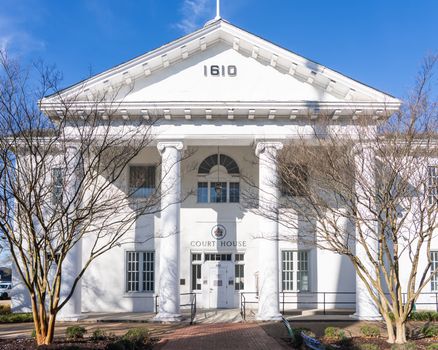
When searching for foreclosed homes for sale in Ohio, it's crucial to understand that not all foreclosures are created equal. They typically fall into three main categories, each with its own acquisition process, potential risks, and opportunities. The first category is **Pre-foreclosures**. This stage occurs when a homeowner has defaulted on their mortgage payments, and the lender has issued a Notice of Default (NOD) but the property has not yet gone to auction. During this period, homeowners might be motivated to sell their property quickly to avoid foreclosure, often offering it at a discount. Buyers can find pre-foreclosure listings through various online platforms, public records (county recorder's office), or by working with real estate agents who specialize in distressed properties. The advantage here is the potential to negotiate directly with the homeowner, inspect the property, and secure traditional financing, often resulting in a smoother transaction than later stages of foreclosure. The second type is **Foreclosure Auctions**, commonly known as Sheriff's Sales in Ohio. This is where properties are sold to the highest bidder, typically on the courthouse steps or at a designated county location. These auctions are often cash-only deals, and buyers usually do not have the opportunity to inspect the property's interior prior to purchase. Furthermore, the buyer assumes all liens and encumbrances on the property, which can include tax liens, mechanic's liens, or even junior mortgages, if not properly extinguished by the foreclosure action. This adds a significant layer of risk, making thorough title research absolutely imperative before bidding. Information about upcoming sheriff's sales is published in local newspapers and on county sheriff's department websites. While the potential for deep discounts is high, the risks and required expertise are also considerably greater. Finally, there are **Bank-Owned Properties (REO - Real Estate Owned)**. These are properties that failed to sell at a foreclosure auction and have reverted to the ownership of the lending bank. REO properties are generally the most accessible type of foreclosure for the average buyer. Banks typically list these properties with real estate agents, making them available through standard Multiple Listing Service (MLS) searches, popular real estate websites (like Zillow, Realtor.com, etc., often with specific foreclosure filters), and dedicated REO listing sites. While still often sold 'as-is,' banks are usually motivated to sell quickly and may clear outstanding liens, making the title much cleaner than with auction properties. Buyers can usually conduct inspections and use traditional financing, though the bank's sales process can sometimes be slower due to corporate procedures. Many large banks also have dedicated REO departments and websites where their inventory is listed. To effectively find foreclosed homes for sale in Ohio, a multi-faceted approach is best. Start by utilizing online real estate platforms, filtering your searches for 'foreclosure' or 'bank-owned.' Secondly, connect with a local real estate agent who specializes in foreclosures and distressed properties; they often have access to listings before they hit the general market and can guide you through the intricacies of each type of sale. Thirdly, routinely check county recorder's office websites and local newspapers for public notices of default and upcoming sheriff's sales. Lastly, consider attending local real estate investor meetings or forums, as these can be excellent sources for off-market deals and expert advice from those experienced in the Ohio foreclosure market. Remember, diligence in searching and understanding the nuances of each foreclosure type will significantly improve your chances of finding a profitable deal.

Navigating the Purchase Process for Ohio Foreclosures

The journey to acquiring foreclosed homes for sale in Ohio, while potentially lucrative, is distinct from a conventional home purchase and requires careful navigation. Once you've identified a promising property, the next steps involve a series of critical actions to ensure a smooth and secure transaction. For **bank-owned properties (REOs)**, the process often mirrors a traditional sale but with certain modifications. You'll typically work with a real estate agent to submit an offer to the bank. Be prepared for a potentially slower response time and a contract that heavily favors the seller (the bank). The bank will likely provide its own addendums to the standard purchase agreement. Crucially, while inspections are usually allowed, the property is almost always sold 'as-is,' meaning the bank will not make repairs. It's essential to factor in potential repair costs and get a professional inspection to uncover any hidden issues. Financing for REOs is generally obtainable through traditional lenders, provided the property meets lending standards. For properties going to **sheriff's auction**, the process is significantly different and much more demanding. First, extensive pre-auction research is vital. This includes performing a thorough title search to identify any outstanding liens or encumbrances that will transfer with the property. In Ohio, the principle of 'caveat emptor' (buyer beware) heavily applies to sheriff's sales, and buyers are responsible for all due diligence. You generally cannot inspect the interior of the property before the auction, meaning you're bidding based on exterior observation and public records. Bidding at an auction typically requires cash or certified funds, often a deposit on the day of the sale with the remainder due within a short timeframe (e.g., 30 days). Failure to close can result in forfeiture of your deposit. Because of the inherent risks and the need for immediate cash, these sales are often best suited for experienced investors or those with expert legal and real estate guidance. For more detailed advice on the overall buying process, consider exploring resources on how to buy real estate. **Pre-foreclosures** offer the most flexibility. Here, you're negotiating directly with the homeowner before the property goes to auction. This allows for standard inspections, title searches, and the use of traditional financing. The goal is to reach a mutually beneficial agreement where the homeowner avoids foreclosure, and you acquire the property at a good price. This often requires a quick closing to beat the foreclosure deadline. Working with an agent experienced in short sales (a common outcome of pre-foreclosures) can be highly beneficial. Regardless of the type, securing appropriate financing is a paramount concern. For properties needing significant repairs, consider FHA 203(k) loans or conventional renovation loans that allow you to combine purchase and repair costs into one mortgage. Always have your financing pre-approved and understand your budget, including closing costs, potential outstanding taxes, and renovation expenses, before making an offer or bidding. The complexity of the Ohio foreclosure market necessitates a proactive, informed, and often professionally assisted approach to ensure a successful purchase.

Essential Tips and Common Mistakes to Avoid When Buying Foreclosures in Ohio

Successfully purchasing foreclosed homes for sale in Ohio hinges on meticulous planning and avoiding common pitfalls. Here are essential tips and crucial mistakes to sidestep: **Essential Tips for Success:** * **Get Pre-Approved for Financing Early:** For REOs, a pre-approval letter strengthens your offer. For auctions, understand cash requirements. This clarifies your budget and demonstrates your seriousness. * **Work with a Specialist Real Estate Agent:** Seek an agent with proven experience in foreclosures, REOs, and distressed properties in Ohio. They can provide access to listings, navigate complex paperwork, and offer invaluable local market insights. * **Conduct Thorough Due Diligence:** This cannot be overstressed. For REOs, get a professional home inspection. For all types, perform a comprehensive title search to uncover liens, unpaid taxes, or other encumbrances. This is critical for sheriff's sales where you inherit these issues. * **Budget for Repairs and Renovations:** Assume foreclosures will need work. Get estimates for potential repairs before making an offer. Factor these costs, along with closing costs and potential delinquent taxes, into your total acquisition budget. * **Understand the 'As-Is' Clause:** Most foreclosures are sold 'as-is,' meaning the seller (bank or court) will not make repairs. Be prepared to take on the property's current condition. * **Research the Neighborhood:** Even with a great deal, a poor location can diminish your investment. Look into local amenities, school districts, crime rates, and future development plans. * **Be Patient but Prepared to Act Quickly:** The market for good foreclosures can be competitive. While due diligence takes time, be ready to make a decisive offer or bid when the right opportunity arises. * **Consult a Real Estate Attorney:** Especially for auction purchases, legal counsel can help you understand the nuances of Ohio foreclosure law, review title reports, and ensure a clean transfer of ownership. **Common Mistakes to Avoid:** * **Skipping the Home Inspection:** For REOs, this is a gamble. What seems like a cosmetic fix could hide major structural or systemic problems, leading to budget overruns. * **Ignoring Title Issues:** Failing to conduct a thorough title search, especially for auction properties, can result in inheriting significant debt or legal battles over ownership, turning a 'deal' into a nightmare. * **Underestimating Repair Costs:** Many buyers get caught off guard by the true cost of bringing a distressed property up to living standards. Always pad your repair budget by at least 15-20% for unexpected issues. * **Bidding Blindly at Auctions:** Entering a sheriff's sale without understanding the property's condition, outstanding liens, or the specific auction rules is a recipe for disaster. * **Emotional Bidding/Buying:** Don't let the allure of a low price override rational decision-making. Stick to your budget and walk away if the risks outweigh the potential rewards. * **Lack of Local Market Knowledge:** What's a good deal in one Ohio city might be overpriced in another. Understand local property values and trends. * **Not Factoring in Holding Costs:** If you plan to renovate and resell, remember to budget for property taxes, insurance, utilities, and loan interest during the renovation period. By heeding these tips and actively avoiding these common mistakes, your search for foreclosed homes for sale in Ohio can be a much more strategic and ultimately successful endeavor.

Comparison

FeatureBank-Owned (REO)Sheriff's Sale (Auction)Pre-Foreclosure
Inspection Allowed?Typically YesNo (Exterior Only)Typically Yes
Financing OptionsTraditional MortgagesCash (Often)Traditional Mortgages
Title CleanlinessBank Clears LiensBuyer Assumes LiensHomeowner Responsible
Purchase Price PotentialModerate DiscountHighest DiscountModerate Discount
Process ComplexityModerateHighModerate
Seller MotivationSell QuicklySell QuicklyAvoid Foreclosure
Risks InvolvedModerate (As-Is)High (As-Is, Liens)Low to Moderate

What Readers Say

"Finding foreclosed homes for sale in Ohio seemed daunting, but with the right guidance, I secured a fantastic REO property. The process took a bit longer than expected, but the savings were well worth it for my first home."

Sarah J. · Columbus, Ohio

"I specialize in flipping properties, and the Ohio foreclosure market consistently provides great opportunities. My last purchase was a sheriff's sale in Cuyahoga County, and while challenging, the profit margin was excellent."

Mark D. · Cleveland, Ohio

"We were able to purchase a foreclosed home in Ohio for 20% below market value. After some renovations, the equity we built was incredible, setting us up for future investments. It was a smart move for our family."

Jessica L. · Cincinnati, Ohio

"My experience with foreclosed homes for sale in Ohio has been mostly positive. One property had more hidden issues than anticipated, but overall, the potential for value is undeniable if you do your homework."

David R. · Dayton, Ohio

"As a first-time investor, I was nervous about buying a foreclosure. But with the help of a knowledgeable agent, I found a well-priced REO that needed minimal work. It's now a successful rental property."

Emily S. · Toledo, Ohio

Frequently Asked Questions

What is the typical discount I can expect on foreclosed homes for sale in Ohio?

Discounts can vary significantly based on the type of foreclosure and market conditions. Bank-owned (REO) properties might offer 10-20% below market value, while sheriff's sale properties can sometimes go for 30% or more off, though they carry higher risks and often require significant repairs.

Are foreclosed homes in Ohio always in poor condition?

Not always. While many foreclosed homes are sold 'as-is' and may require repairs due to neglect or previous occupants, some can be in surprisingly good shape. It's crucial to conduct a thorough inspection (where allowed) to assess the true condition and potential repair costs.

How do I find listings for foreclosed homes for sale in Ohio?

You can find listings through various channels: online real estate platforms (filter for foreclosures/bank-owned), specialized REO listing sites, local real estate agents who specialize in foreclosures, county sheriff's department websites for auction schedules, and public records for pre-foreclosures.

Can I use a traditional mortgage to buy a foreclosed home in Ohio?

Yes, for bank-owned (REO) properties that are in good condition, traditional mortgages are often an option. However, properties requiring extensive repairs may necessitate specialized loans like an FHA 203(k) or conventional renovation loan. Sheriff's sale auctions typically require cash.

What are the biggest risks when buying a foreclosed home in Ohio?

The biggest risks include purchasing a property 'as-is' with unknown structural or system issues, inheriting outstanding liens or debts (especially with auction properties), and the potential for a lengthy or complex legal process. Thorough due diligence and professional guidance are essential to mitigate these risks.

Who should consider buying foreclosed homes for sale in Ohio?

Foreclosed homes are ideal for savvy investors looking for potential profit, experienced DIYers willing to put in sweat equity, and first-time homebuyers with a flexible budget for renovations who are seeking significant value. Anyone considering it should have a clear understanding of the process and associated risks.

Is a title search necessary for all types of foreclosures?

Absolutely. A title search is paramount for all foreclosure types, but especially critical for sheriff's sale properties where you, the buyer, may inherit existing liens and encumbrances. For REOs, the bank usually clears the title, but verification is still advisable to ensure a clean transfer of ownership.

What is the future outlook for the Ohio foreclosure market?

The Ohio foreclosure market is influenced by national economic trends, interest rates, and local employment figures. While not at crisis levels, foreclosures will always be a part of the real estate cycle. Experts anticipate a steady, albeit manageable, stream of foreclosures, offering consistent opportunities for informed buyers and investors.

Ready to discover the hidden gems among foreclosed homes for sale in Ohio? Start your search today, arm yourself with knowledge, and connect with expert real estate professionals to unlock incredible value in the Buckeye State's diverse housing market.

Topics: foreclosed homes for sale in ohioohio foreclosure listingsbuying foreclosures ohioREO properties ohioforeclosure market ohio
Leo List
Brampton weed
Adultwork EstrelaBet Vai de Bet R7 Bet Betão Galera Bet Rainbet Bet9ja Shop SportyBet BetKing Sisal Loto Foot Hollywoodbets YesPlay Odibets RushBet Jugabet BetWarrior BetCity MSport betPawa Fortebet