✓ Foreclosed homes can often be purchased below market value.
✓ The foreclosure process varies by state and property type.
✓ Cash buyers or those with pre-approved financing have an advantage.
✓ Due diligence is crucial when buying a foreclosed property.
How It Works
1
Understand the Foreclosure Process
Familiarize yourself with the different stages of foreclosure, such as pre-foreclosure, auction, and bank-owned (REO) properties. Each stage presents unique buying opportunities and challenges.
2
Secure Your Financing
Obtain pre-approval for a mortgage or ensure you have sufficient cash funds available. This readiness is critical for making competitive offers on foreclosed homes, which often require quick closings.
3
Search and Identify Properties
Utilize specialized websites, real estate agents experienced in foreclosures, and local government resources to find foreclosed homes for sale near you. Filter results to match your criteria and budget.
4
Perform Thorough Due Diligence
Before making an offer, investigate the property's condition, liens, and potential repair costs. A home inspection and title search are non-negotiable steps to protect your investment.
Understanding the World of Foreclosed Homes
Photo: RDNE Stock project / Pexels
The search for "foreclosed homes for sale near me" often begins with a desire for value and opportunity. Foreclosed homes, by their very nature, represent a chance to acquire property at a potentially reduced price compared to traditional listings. But what exactly is a foreclosed home? Simply put, it's a property that has been repossessed by a lender (typically a bank) due to the homeowner's inability to make their mortgage payments. This process, known as foreclosure, can be complex and varies significantly by state, governed by either judicial or non-judicial procedures. Understanding these nuances is the first step toward successfully navigating this unique segment of the real estate market.
There are several stages at which you might encounter a foreclosed property. The earliest is 'pre-foreclosure,' where the homeowner has defaulted on their mortgage but the property hasn't yet gone to auction. This stage offers an opportunity to negotiate directly with the homeowner, potentially taking over their mortgage or buying the property before it becomes a full-blown foreclosure. Next are 'foreclosure auctions,' which are often held on courthouse steps. These can offer incredibly low prices but come with significant risks, as properties are usually sold 'as-is,' often without the opportunity for interior inspection, and require cash payment immediately. Finally, if a property doesn't sell at auction, it becomes 'bank-owned' or an 'REO (Real Estate Owned) property.' These are typically the most accessible type of foreclosed home for the average buyer, as banks are motivated to sell and often allow for inspections and traditional financing.
The appeal of foreclosed homes lies primarily in their potential for a lower purchase price. Investors see this as an opportunity to acquire assets below market value, either for rental income or for flipping after renovation. For first-time homebuyers or those on a budget, it can be a pathway to homeownership that might otherwise be out of reach. However, it's crucial to approach these opportunities with a clear understanding of the potential downsides. Foreclosed properties often require significant repairs, may have outstanding liens, and the buying process can be more involved than a standard sale. Education and careful due diligence are paramount to turning a potential bargain into a sound investment. For more general guidance on property investment, consider exploring resources on real estate investment strategies.
Furthermore, the condition of foreclosed homes can range from minor cosmetic issues to extensive structural damage. Many previous owners, knowing they are losing their home, may not have maintained the property, or in some unfortunate cases, may have intentionally damaged it. This means that while the sticker price might be attractive, the total cost of ownership, including necessary repairs and renovations, needs to be factored in. A thorough inspection by a qualified professional is not just recommended, but absolutely essential before committing to a purchase. Ignoring this critical step can lead to unforeseen expenses that quickly erode any initial savings.
Navigating the Search: How to Find Foreclosed Homes for Sale Near You
Finding "foreclosed homes for sale near me" requires a strategic approach, as these properties aren't always listed through traditional channels. While some may appear on popular real estate websites, many others are found through specialized databases or local government resources. The first step is to leverage online platforms specifically designed for foreclosure listings. Websites like RealtyTrac, Foreclosure.com, and HudHomeStore.gov (for FHA foreclosures) are excellent starting points. These sites often provide detailed information, including property addresses, auction dates, and estimated values, though access may require a subscription.
Another invaluable resource is a real estate agent specializing in foreclosures or REO properties. These agents often have direct relationships with banks and asset management companies, giving them early access to listings that haven't hit the public market yet. They can guide you through the complexities of the foreclosure buying process, help you understand local regulations, and assist with submitting competitive offers. Their expertise can be particularly beneficial when dealing with bank-owned properties, as banks often have specific procedures for reviewing and accepting bids.
Don't overlook local government resources either. County courthouses and sheriff's departments often publish lists of properties scheduled for auction. These lists can be found on their websites or by visiting in person. While these are typically raw, uncurated lists, they provide direct access to properties in the earliest stages of foreclosure. Additionally, local newspapers often carry legal notices about upcoming foreclosure sales, though this method is becoming less common in the digital age. Networking with local investors and attending real estate investment meetings can also uncover off-market opportunities.
When searching, be specific about your criteria. Consider the type of foreclosure you're interested in (pre-foreclosure, auction, or REO), your budget, the desired location, and the condition you're willing to accept. Remember that properties sold at auction are often sold sight unseen and require immediate cash payment, making them suitable for experienced investors. REO properties, on the other hand, are more amenable to conventional financing and inspections, making them a better fit for most homebuyers. By combining online searches, expert real estate assistance, and local resources, you significantly increase your chances of finding the perfect foreclosed home near you.
Financing and Due Diligence for Foreclosure Purchases
Securing appropriate financing and conducting thorough due diligence are two of the most critical steps when pursuing "foreclosed homes for sale near me." The financing aspect can vary significantly depending on the stage of foreclosure. For properties purchased at auction, cash is almost always required upfront. This means having liquid funds readily available, often with a significant non-refundable deposit due on the day of the auction and the balance within a short timeframe, typically 24-48 hours. This requirement makes auction purchases challenging for most conventional homebuyers.
However, for bank-owned (REO) properties, traditional mortgage financing is usually an option. Banks, as sellers, are often more flexible and willing to work with buyers who need to secure a loan. It's imperative to get pre-approved for a mortgage before you start seriously looking at REO properties. A pre-approval letter demonstrates your financial readiness and strengthens your offer, especially in a competitive market. Be aware that some lenders might be hesitant to finance properties in very poor condition, as the property itself serves as collateral for the loan. FHA 203(k) loans or Fannie Mae HomeStyle Renovation loans are specifically designed for properties that need significant repairs, allowing you to roll the renovation costs into your mortgage. For more details on home financing, refer to this guide on understanding mortgage options.
Due diligence is arguably even more important for foreclosures than for traditional home purchases. Properties are almost always sold "as-is," meaning the seller (the bank) will not make any repairs. This puts the burden squarely on the buyer to assess the property's condition and potential costs. A comprehensive home inspection by a certified professional is non-negotiable. This inspection should cover the roof, foundation, plumbing, electrical systems, HVAC, and potential environmental hazards like mold or asbestos. The inspector's report will provide a realistic estimate of necessary repairs and help you determine if the property is truly a good deal.
Beyond the physical inspection, a thorough title search is absolutely essential. This search will uncover any outstanding liens or encumbrances on the property, such as unpaid property taxes, second mortgages, or contractor liens. If these liens are not cleared before closing, they could become your responsibility as the new owner. While banks typically clear their own liens on REO properties, other types of liens might persist. Working with a reputable title company or real estate attorney is crucial to ensure a clear title, protecting your investment and preventing future legal headaches. Remember, the goal is not just to find a cheap house, but to find a house that offers true value after all potential costs are considered.
Common Pitfalls and Smart Strategies for Buying Foreclosures
While the prospect of finding "foreclosed homes for sale near me" can be exciting due to potential savings, it's crucial to be aware of common pitfalls and employ smart strategies to mitigate risks. One of the biggest mistakes buyers make is underestimating the cost of repairs. As foreclosures are typically sold 'as-is,' buyers often discover hidden damages post-purchase that can quickly erase any perceived savings. Always budget a significant contingency fund, ideally 10-20% of the purchase price, specifically for unexpected repairs.
Another pitfall is skipping the home inspection or title search. As discussed, these steps are non-negotiable. Without them, you could inherit a property with structural issues, costly code violations, or a clouded title that prevents you from legally owning or selling the property in the future. The small cost of these services pales in comparison to the potential financial disaster they can prevent.
**Smart Strategies for Success:**
* **Work with an Experienced Agent:** Find a real estate agent who specializes in foreclosures and REO properties. Their expertise in navigating the unique processes, understanding bank requirements, and identifying good deals is invaluable.
* **Get Pre-Approved for Financing:** For REO properties, a pre-approval letter makes your offer more attractive to banks, demonstrating your readiness and ability to close quickly.
* **Understand Different Foreclosure Types:** Know the difference between pre-foreclosure, auction, and REO. Each has different risks, rewards, and buying processes. Auctions are high-risk, high-reward, while REOs are generally safer for first-time foreclosure buyers.
* **Research the Neighborhood and Comps:** Don't just focus on the property's price. Research recent comparable sales (comps) in the neighborhood to ensure the foreclosed home, even after repairs, offers good value. Understand the local market trends.
* **Factor in All Costs:** Beyond the purchase price, consider closing costs, potential outstanding liens, necessary repairs, utility turn-on fees, and property taxes. Create a detailed budget to get a true picture of the total investment.
* **Be Patient and Persistent:** Finding the right foreclosed home can take time. The market for these properties is competitive, and you might lose out on several bids before securing a deal. Patience, combined with a clear strategy, will ultimately pay off.
By being proactive, thoroughly researching, and understanding the unique challenges of the foreclosure market, you can significantly increase your chances of a successful and profitable purchase.
Comparison
Feature
Bank-Owned (REO)
Foreclosure Auction
Traditional Sale
Inspection Allowed?
Typically Yes
Rarely
Yes
Financing Options
Mortgage, Cash
Cash Only
Mortgage, Cash
Condition
As-Is (some bank repairs possible)
As-Is (no bank repairs)
Negotiable
Price Potential
Below market
Significantly below market
Market value
Risk Level
Medium
High
Low to Medium
What Readers Say
★★★★★
"I was searching for 'foreclosed homes for sale near me' and found an amazing deal through an REO agent. The process was smoother than I expected, and I saved thousands on my new home!"
Sarah J. · Phoenix, AZ
★★★★★
"As an investor, foreclosures are my bread and butter. This article's advice on due diligence and agent specialization is spot-on. Found a great flip property last month."
Mark T. · Orlando, FL
★★★★★
"Thanks to careful planning and a good inspection, I bought a foreclosed home for 20% under market value. It needed work, but the equity gain is already substantial."
Jessica L. · Dallas, TX
★★★★★
"The article's tips on financing were very helpful. I initially struggled to get a loan for a fixer-upper, but learning about FHA 203(k) loans opened up new possibilities. Still a challenging process, but worth it."
David K. · Atlanta, GA
★★★★★
"I used the advice to find a local agent specializing in foreclosures, and it made all the difference. She guided me away from some risky auction properties and helped me secure a solid bank-owned home."
Emily R. · Denver, CO
Frequently Asked Questions
What's the best way to find foreclosed homes for sale near me?
The best way to find foreclosed homes is by combining online resources like specialized foreclosure websites (e.g., RealtyTrac, HUDHomeStore.gov), working with a real estate agent who specializes in REO properties, and checking local county courthouse listings for auction schedules.
Are foreclosed homes always a good deal?
Not always. While foreclosed homes often sell below market value, they can come with significant repair needs, outstanding liens, or other hidden costs. A thorough inspection and title search are crucial to determine if it's truly a good deal after factoring in all potential expenses.
How do I finance a foreclosed home?
For bank-owned (REO) properties, traditional mortgages are often accepted, but pre-approval is highly recommended. Auction properties typically require cash payment. Loans like FHA 203(k) or Fannie Mae HomeStyle Renovation loans can help finance properties needing significant repairs.
What are the common risks when buying a foreclosed home?
Common risks include purchasing a property 'as-is' with unknown structural or cosmetic damage, inheriting outstanding liens from previous owners, and facing a competitive market with quick closing requirements. Lack of opportunity for inspection at auctions is also a major risk.
How does buying a foreclosed home differ from a traditional home purchase?
Foreclosed homes are typically sold 'as-is' by a bank or at auction, meaning less room for negotiation on repairs and often faster closing times. The due diligence process is more critical, and financing options can be more restrictive, especially for auction properties.
Who should consider buying foreclosed homes?
Foreclosed homes are ideal for savvy investors looking for properties to flip or rent, or for budget-conscious homebuyers willing to undertake renovations. Buyers with a strong understanding of the market, access to capital, and patience will find the most success.
Is it safe to buy a foreclosed home?
It can be safe if you conduct thorough due diligence, including a professional home inspection and a comprehensive title search. These steps help uncover potential issues and protect you from inheriting costly problems or legal complications.
Will the market for foreclosed homes continue to grow?
The market for foreclosed homes is cyclical, often increasing during economic downturns or periods of high interest rates. While predictions vary, staying informed about economic indicators and local market trends will help you anticipate future opportunities.
Ready to unlock significant savings and find your next property? Start your search for foreclosed homes for sale near me today. With the right strategy and resources, your dream of affordable homeownership or a profitable investment is within reach.

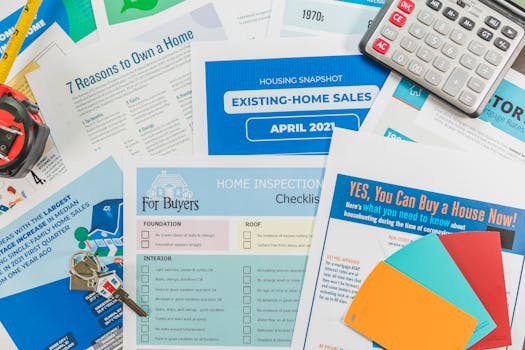 Photo: RDNE Stock project / Pexels