✓ Texas is a non-judicial foreclosure state, meaning the process can be faster than in judicial states.
✓ Foreclosed homes often sell below market value, offering significant savings for buyers.
✓ Properties can be found through various channels: pre-foreclosure, auction, bank-owned (REO), and government-owned.
✓ Due diligence is crucial, as these homes are typically sold 'as-is' with limited disclosure.
How It Works
1
Understand the Foreclosure Process
Familiarize yourself with the stages of foreclosure in Texas, from pre-foreclosure to REO. Knowing the timeline helps you identify opportunities at different points in the cycle.
2
Secure Financing & Pre-Approval
Obtain pre-approval for a loan specifically tailored for foreclosure purchases, if needed. This demonstrates your buying power and prepares you to act quickly when a suitable property appears.
3
Identify & Research Properties
Utilize online listings, local real estate agents, and government sites to find foreclosed homes. Conduct thorough due diligence on each property, including title searches and property condition assessments.
4
Make an Offer & Close the Deal
Submit a competitive offer, keeping in mind the 'as-is' nature of these sales. Work with your agent and legal counsel to navigate the closing process, ensuring all paperwork is in order.
Navigating the Texas Foreclosure Market: An Overview
Photo: Eddie O. / Pexels
The allure of foreclosed homes for sale in Texas is undeniable. For many, it represents a golden opportunity to acquire property at a price point significantly below market value, whether for personal residence or as an investment. Texas, with its robust economy and growing population, consistently offers a dynamic real estate landscape, and foreclosures are an integral part of that market. Understanding the specifics of the Texas foreclosure process is the first crucial step for any prospective buyer. Unlike some states, Texas primarily operates under a non-judicial foreclosure system, which means that lenders can foreclose on a property without extensive court involvement, provided the deed of trust contains a 'power of sale' clause. This often translates to a faster foreclosure timeline, which can be both an advantage and a challenge for buyers. While it means properties can come to market more quickly, it also demands that buyers be prepared to act swiftly.
The journey to purchasing a foreclosed home typically involves several stages. It often begins with the 'pre-foreclosure' phase, where a homeowner has defaulted on their mortgage but the property has not yet been repossessed. During this period, homeowners might attempt a short sale – selling the property for less than the outstanding mortgage balance, with lender approval – or try to negotiate a loan modification. This stage can offer unique opportunities for buyers who are patient and willing to work with distressed sellers and their lenders. Following pre-foreclosure, if a resolution isn't reached, the property may proceed to a foreclosure auction, often held on the first Tuesday of the month at the county courthouse. These auctions are typically cash-only affairs and come with significant risks, as buyers usually cannot inspect the property beforehand. Finally, if a property doesn't sell at auction, it becomes 'bank-owned' or Real Estate Owned (REO). These properties are then listed by the bank, usually through a real estate agent, and are generally more accessible for traditional buyers, allowing for inspections and financing. Each stage presents different levels of risk and reward, making it essential for buyers to understand where they are in the process. For more detailed information on the broader real estate market, consider exploring resources on general real estate trends.
Types of Foreclosed Properties and Where to Find Them
Photo: Phil Evenden / Pexels
When searching for foreclosed homes for sale in Texas, it's important to distinguish between the different categories of distressed properties, as each comes with its own acquisition process and potential benefits. The primary types include pre-foreclosures, foreclosure auctions, bank-owned (REO) properties, and government-owned foreclosures, such as HUD homes or VA properties.
**Pre-Foreclosures:** These are homes where the owner has missed mortgage payments and the lender has issued a Notice of Default. The homeowner still retains ownership and is often motivated to sell quickly to avoid foreclosure. Buyers can sometimes find excellent deals here by directly negotiating with the homeowner or their agent. Listings for pre-foreclosures can be found on specialized real estate websites, through local real estate agents who specialize in distressed properties, or by monitoring public records for Notices of Default. The advantage here is that you often deal with a motivated seller and can conduct a full inspection, but the process can be lengthy and uncertain.
**Foreclosure Auctions:** As mentioned, these are typically held monthly at county courthouses. Properties are sold to the highest bidder, usually for cash. While the potential for deep discounts is high, the risks are equally significant. Buyers generally cannot inspect the property's interior, and there may be outstanding liens or occupants that become the buyer's responsibility. This route is best suited for experienced investors with ample cash reserves and a high tolerance for risk.
**Bank-Owned (REO) Properties:** If a property doesn't sell at auction, the lender repossesses it, making it an REO property. These are often listed by real estate agents specializing in REO sales. While still sold 'as-is,' banks are typically more willing to allow inspections and may even make minor repairs to ensure marketability. Financing is usually available for REO properties, making them more accessible to a broader range of buyers. You can find REO listings on major real estate portals, bank websites, and through REO-specialized real estate agents.
**Government-Owned Foreclosures:** These include properties foreclosed on mortgages insured by government agencies like the Federal Housing Administration (FHA), Department of Veterans Affairs (VA), or the Department of Housing and Urban Development (HUD). HUD homes, for example, are properties where the FHA insured the loan, and the lender foreclosed. HUD then takes ownership and sells them to recover losses. HUD homes are sold through an auction process, but unlike traditional foreclosure auctions, they are listed on the HUD Home Store website and usually allow for inspections. They often require specific bidding procedures and can offer attractive terms, sometimes even including repair escrows. VA foreclosures are also available, offering similar opportunities. These government-backed properties often present a more structured and transparent buying process compared to private bank foreclosures, making them a popular choice for first-time buyers or those seeking a more predictable transaction. Each type requires a distinct approach, so understanding your comfort level with risk and your financial capabilities will guide you to the most suitable option.
Financing, Due Diligence, and Making an Offer on Texas Foreclosures
Photo: Thirdman / Pexels
Securing financing for foreclosed homes for sale in Texas can sometimes be more complex than for traditional sales, but it's far from impossible. For pre-foreclosures and REO properties, conventional mortgages, FHA loans, VA loans, and USDA loans are typically available, provided the property meets the lender's appraisal and condition requirements. However, properties in significant disrepair might only qualify for specialized loans like an FHA 203(k) rehabilitation loan or a conventional renovation loan, which factor in the cost of repairs. For foreclosure auctions, cash is almost always required, making these purchases inaccessible to most traditional buyers. Regardless of the financing route, getting pre-approved is paramount. A pre-approval letter not only clarifies your budget but also signals to sellers and banks that you are a serious and capable buyer, which is crucial in competitive markets.
Due diligence is arguably the most critical step when buying a foreclosed home. Since most foreclosures are sold 'as-is,' the buyer assumes responsibility for any existing issues. This means a thorough home inspection by a qualified professional is non-negotiable for REO and pre-foreclosure properties. The inspection should cover structural integrity, roofing, plumbing, electrical systems, HVAC, and potential environmental hazards like mold or lead paint. Beyond the physical inspection, a comprehensive title search is essential to uncover any outstanding liens, judgments, or encumbrances that could transfer to the new owner. These could include unpaid property taxes, mechanic's liens, or second mortgages. While banks typically clear their own liens on REO properties, other liens might remain. Understanding the full financial picture of the property is vital to avoid unexpected costs post-purchase. Consulting with a real estate attorney specializing in foreclosures can provide invaluable guidance during this phase, ensuring all legal aspects are thoroughly vetted. For more general advice on property acquisition, see our guide on buying property responsibly.
When it comes to making an offer, strategy is key. For REO properties, banks are often looking to minimize losses, so while they want to sell quickly, they won't give the property away. Your offer should be competitive but also reflect any necessary repairs and the 'as-is' condition. Be prepared for counter-offers and negotiations. For pre-foreclosures, the homeowner's motivation and the lender's approval process will heavily influence the negotiation. It's crucial to understand that the lender has the final say in a short sale. In all cases, a local real estate agent with experience in foreclosures can be an invaluable asset, guiding you through pricing, negotiation, and the specific paperwork involved. They can help you craft an offer that is attractive to the seller or bank while protecting your interests. Remember, patience combined with preparedness will give you the best chance of securing a great deal on a foreclosed home in Texas.
Common Pitfalls and Smart Strategies for Buying Foreclosures in Texas
Photo: Ryan Stephens / Pexels
While the prospect of a great deal on foreclosed homes for sale in Texas is exciting, buyers must be aware of common pitfalls to navigate the market successfully. Avoiding these traps can save you significant time, money, and stress.
**Common Pitfalls:**
* **Lack of Due Diligence:** The biggest mistake is skipping inspections or title searches. Hidden structural damage, extensive repairs, or undisclosed liens can quickly turn a 'deal' into a financial nightmare.
* **Underestimating Repair Costs:** Many foreclosures are neglected and require significant repairs. Buyers often underestimate these costs, leading to budget overruns. Always get multiple bids from contractors.
* **Emotional Bidding:** Getting caught up in the excitement, especially at auctions, can lead to overpaying. Stick to your predetermined budget and walk away if the price exceeds your limit.
* **Ignoring Occupancy Issues:** Some foreclosed homes may still be occupied by former owners or tenants. Eviction processes can be lengthy, costly, and emotionally draining. Always verify occupancy status.
* **Unrealistic Expectations:** Not every foreclosure is a steal. Some may be priced close to market value, or the required repairs might negate any savings.
* **Cash-Only Requirements:** Many auction properties require immediate cash payment, which can exclude many potential buyers who rely on financing.
**Smart Strategies for Success:**
* **Work with an Experienced Agent:** Find a real estate agent who specializes in foreclosures and REO properties in Texas. They understand the nuances of these transactions and can guide you through the process.
* **Secure Financing Early:** Get pre-approved for a loan, or have your cash readily available. This allows you to act quickly when a desirable property emerges.
* **Build a Strong Team:** Beyond your agent, assemble a team including a reputable home inspector, a real estate attorney (especially for complex cases), and a contractor for repair estimates.
* **Research the Neighborhood:** Even with a great price, a home in a declining neighborhood might not be a good investment. Research local amenities, schools, and future development plans.
* **Factor in All Costs:** Beyond the purchase price, budget for closing costs, potential repairs, property taxes, insurance, and possibly HOA fees. Create a detailed financial plan.
* **Patience is a Virtue:** The foreclosure market can be unpredictable. The perfect deal might not appear immediately. Be patient, continue your research, and be ready to act decisively when the right opportunity arises.
* **Understand 'As-Is' Sales:** Fully grasp what 'as-is' means. It implies the seller will not make repairs. Your offer should reflect the property's current condition and the cost of necessary improvements.
By being informed and strategic, buyers can significantly increase their chances of finding a valuable foreclosed home in Texas and turning it into a profitable asset or a dream residence.
Comparison
Feature
REO (Bank-Owned)
Foreclosure Auction
Pre-Foreclosure (Short Sale)
Inspection Allowed?
Usually
Rarely/Never
Yes
Financing Options
Traditional loans possible
Cash only (typically)
Traditional loans possible
Price Potential
Good savings
Deep discounts possible
Good savings
Risk Level
Moderate
High
Moderate to High
Timeframe to Close
Standard (30-60 days)
Immediate (often)
Long (3-6+ months)
Seller Motivation
Recover losses
Liquidate quickly
Avoid foreclosure
What Readers Say
★★★★★
"We found an amazing deal on a foreclosed home for sale in Texas through an REO agent. It needed some work, but the equity we gained was substantial. Definitely worth the effort!"
Sarah J. · Austin, TX
★★★★★
"As an investor, I've bought several foreclosed properties in Houston. The key is thorough due diligence and having cash ready. The returns have been consistently strong."
David R. · Houston, TX
★★★★★
"Our family purchased a HUD home in Dallas, and the process was surprisingly straightforward. We got a great price and were able to use an FHA 203(k) loan for the repairs, which saved us thousands."
Maria P. · Dallas, TX
★★★★★
"I tried bidding at an auction once, which was a bit too risky for me. However, I later found a fantastic bank-owned property in San Antonio that fit my budget perfectly after some renovation."
Mark T. · San Antonio, TX
★★★★★
"Working with a local agent specializing in foreclosures made all the difference. She helped us navigate the complexities of buying a foreclosed home for sale in Texas and ensured a smooth closing."
Jessica L. · Fort Worth, TX
Frequently Asked Questions
What is the difference between a pre-foreclosure, auction, and REO property in Texas?
A pre-foreclosure is when a homeowner is behind on payments but still owns the home, often seeking a short sale. An auction is when the bank attempts to sell the property to the highest bidder, typically for cash, after the homeowner defaults. An REO (Real Estate Owned) property is one that didn't sell at auction and is now owned by the bank, usually listed by a real estate agent.
Are foreclosed homes always cheaper than traditional homes in Texas?
While foreclosed homes often offer significant discounts, it's not guaranteed. The final price depends on market conditions, the property's condition, and the bank's motivation to sell. Hidden repair costs can sometimes negate initial savings, so thorough budgeting is essential.
How do I find foreclosed homes for sale in Texas?
You can find foreclosed homes through various channels: specialized real estate websites (e.g., RealtyTrac, Zillow Foreclosures), local real estate agents specializing in REO properties, bank websites, government sites (e.g., HUD Home Store for HUD homes), and by monitoring public records for foreclosure notices.
What are the typical costs associated with buying a foreclosed home?
Beyond the purchase price, expect costs for inspections, title searches, closing costs (similar to traditional sales), potential eviction costs if occupied, and, most significantly, repair and renovation expenses. It's crucial to budget for these additional expenditures.
Is buying a foreclosed home a good investment compared to a regular home?
Buying a foreclosed home can be an excellent investment due to the potential for acquiring property below market value. However, it often involves higher risk, more due diligence, and potentially significant repair costs compared to a traditional home. The 'best' option depends on your risk tolerance, financial readiness, and investment goals.
Who should consider buying foreclosed homes for sale in Texas?
Foreclosed homes are ideal for savvy investors, first-time homebuyers with a renovation budget, or anyone looking for a potential bargain. Buyers should be financially prepared, patient, and willing to undertake thorough research and potentially significant repairs.
What are the risks involved in purchasing a foreclosed property?
Key risks include buying 'as-is' with unknown defects, potential outstanding liens or unpaid taxes, possible occupancy issues requiring eviction, and the fast-paced nature of some sales (like auctions) that limit due diligence. Always perform comprehensive research to mitigate these risks.
How might the Texas housing market trends impact foreclosure opportunities?
A strong housing market with high demand and rising prices might lead to fewer foreclosures as homeowners can sell before defaulting. Conversely, economic downturns or rising interest rates could increase foreclosure inventory. Staying informed about local market trends is crucial for identifying opportunities.
Ready to uncover the hidden gems in the Texas real estate market? Explore the vast opportunities in foreclosed homes for sale in Texas today and take the first step towards securing your next property at an exceptional value. Connect with an expert to guide your journey.

 Photo: Eddie O. / Pexels
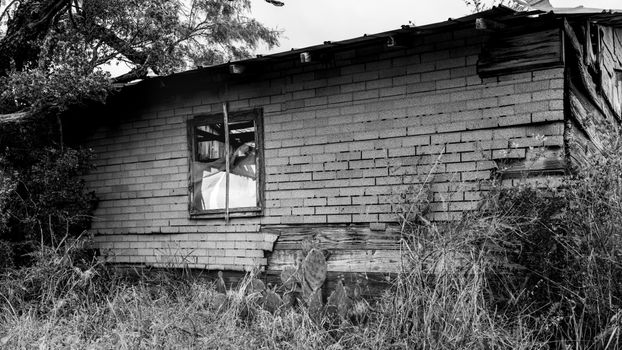 Photo: Phil Evenden / Pexels
 Photo: Thirdman / Pexels
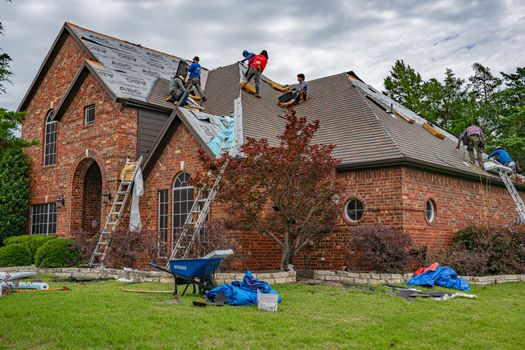 Photo: Ryan Stephens / Pexels