Unlock Value: Foreclosed Homes for Sale in Georgia
foreclosed homes for sale in georgia

Unlock Value: Foreclosed Homes for Sale in Georgia

Explore a wealth of opportunities in the Georgia real estate market with properties offering significant savings.

Find Your Foreclosure Now

Key Takeaways

  • ✓ Foreclosures often sell below market value, offering significant savings.
  • ✓ The foreclosure process varies by state, with Georgia being a non-judicial state.
  • ✓ Types of foreclosures include pre-foreclosures, auctions, and bank-owned (REO) properties.
  • ✓ Due diligence is crucial; inspect properties thoroughly and understand local market conditions.

How It Works

1
Understand the Types of Foreclosures

Familiarize yourself with pre-foreclosures, public auctions, and bank-owned (REO) properties. Each type presents different opportunities and challenges.

2
Secure Financing Pre-Approval

Before searching, get pre-approved for a mortgage or have cash readily available. This strengthens your offer and speeds up the buying process.

3
Search and Identify Potential Properties

Utilize online databases, real estate agents specializing in foreclosures, and local government resources. Focus on areas that align with your investment or living goals.

4
Conduct Thorough Due Diligence

Inspect properties for hidden damages, research liens, and understand local market values. A professional inspection is highly recommended to avoid costly surprises.

Understanding the Georgia Foreclosure Market Landscape

A black and white view of the historic courthouse facade in Hampton, Virginia, showcasing classic architecture. Photo: Phil Evenden / Pexels
The landscape of foreclosed homes for sale in Georgia presents a unique opportunity for both savvy investors and first-time homebuyers looking for value. Georgia, like many states, experiences economic fluctuations that can lead to properties entering the foreclosure process. Understanding the specific nuances of the Georgia market is paramount to navigating this segment successfully. The state operates under a non-judicial foreclosure process, which means that lenders can foreclose on a property without court intervention, provided the mortgage or deed of trust contains a 'power of sale' clause. This typically results in a faster foreclosure timeline compared to judicial foreclosure states, which can be both an advantage and a challenge for prospective buyers. A quicker process means properties can become available more rapidly, but it also means buyers need to be prepared to act fast and have their finances in order. Foreclosures in Georgia can arise from various circumstances, including economic downturns, job losses, medical emergencies, or simply homeowners falling behind on their mortgage payments. While the number of foreclosures fluctuates with the broader economic climate, there is almost always a steady stream of distressed properties available. These properties often range from single-family homes in suburban neighborhoods to urban condos and even some rural properties. The appeal largely lies in the potential for acquiring a property at a price significantly below market value. However, this potential discount often comes with the understanding that the property may require repairs, renovations, or may have accumulated unpaid taxes or liens that the buyer will need to address. Buyers interested in foreclosed homes for sale in Georgia should also be aware of the different stages of foreclosure. The journey typically begins with a 'pre-foreclosure' stage, where the homeowner has defaulted but the property has not yet been put up for sale. This can be an opportunity for a short sale. Next are public auctions, often held at county courthouses, where properties are sold to the highest bidder, usually for cash. Finally, properties that don't sell at auction become 'bank-owned' or REO (Real Estate Owned) properties. Each stage has its own buying process, risks, and potential rewards. A comprehensive understanding of these stages and how they manifest in Georgia's legal framework is essential for making informed decisions. Seeking guidance from a local real estate attorney or a specialized agent can significantly enhance your chances of success in this competitive market. Understanding local real estate laws is crucial for any buyer.

Navigating the Different Types of Foreclosed Properties in Georgia

Close-up of a gavel on US dollar bills with American flag backdrop symbolizing justice and finance. Photo: Towfiqu barbhuiya / Pexels
When searching for foreclosed homes for sale in Georgia, you'll encounter several distinct categories, each with its own set of characteristics, risks, and potential benefits. Knowing the differences between these types is crucial for tailoring your search and strategy. The primary categories include pre-foreclosures, foreclosure auctions, and bank-owned (REO) properties. **Pre-Foreclosures:** This stage occurs when a homeowner has defaulted on their mortgage payments but the property has not yet been formally repossessed by the lender. During this period, the homeowner might be trying to sell the property to avoid foreclosure, often through a 'short sale,' where the sale price is less than the outstanding mortgage balance. For buyers, pre-foreclosures can offer the chance to negotiate directly with the homeowner and potentially secure a property before it hits the open market or goes to auction. The advantage here is that the homeowner is still in possession, meaning the property is often in better condition and there's a higher likelihood of conducting inspections and due diligence. However, short sales can be lengthy processes, as the lender must approve the sale, and there's no guarantee the deal will close. **Foreclosure Auctions:** If a pre-foreclosure doesn't resolve the debt, the property typically proceeds to a public auction. In Georgia, these auctions are often held on the first Tuesday of each month at the county courthouse. Buying at auction can yield significant discounts, as properties are sold to the highest bidder. However, this is also the riskiest type of foreclosure purchase. Buyers are usually required to pay in cash, often immediately after the bid is accepted. Properties are sold 'as-is,' with no opportunity for inspection prior to purchase, and the buyer assumes responsibility for any existing liens or encumbrances on the property. It's imperative to conduct extensive research on the property's title and condition beforehand, which often requires professional assistance. **Bank-Owned (REO) Properties:** Properties that fail to sell at a foreclosure auction become Real Estate Owned (REO) by the bank or lender. These are generally considered the safest type of foreclosure purchase. Banks, unlike individual sellers, are motivated to sell and often price REO properties competitively. While sold 'as-is,' banks usually clear most outstanding liens, and buyers typically have the opportunity to conduct inspections and appraisals, similar to a traditional home purchase. Financing options are also more readily available for REO properties compared to auctions. This predictability makes REO properties a popular choice for both owner-occupants and investors who prefer a more streamlined process with fewer unknowns. Each type requires a different approach, understanding of risk, and financial preparation, making it essential for anyone seeking foreclosed homes for sale in Georgia to be well-informed.

Financing and Due Diligence for Georgia Foreclosures

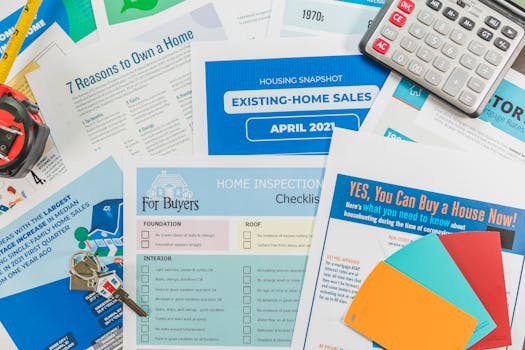
Close-up of hands holding a home inspection checklist clipboard for buyers. Photo: RDNE Stock project / Pexels
Securing the right financing and conducting thorough due diligence are two of the most critical steps when pursuing foreclosed homes for sale in Georgia. Without proper preparation in these areas, even the most attractive-looking deal can quickly turn into a costly mistake. **Financing Foreclosures:** Your financing strategy will largely depend on the type of foreclosure you're targeting. For pre-foreclosures and bank-owned (REO) properties, traditional mortgage financing is often possible. However, it's crucial to get pre-approved for a loan *before* you start making offers. This not only demonstrates your seriousness to sellers and lenders but also gives you a clear understanding of your budget. Many foreclosed properties, especially REOs, may require some repairs, so consider loan options like FHA 203(k) or Fannie Mae HomeStyle Renovation loans, which allow you to finance both the purchase and renovation costs into a single mortgage. For foreclosure auctions, cash is almost always king. Lenders typically require full payment immediately or within a very short timeframe after the auction. If you don't have the cash on hand, you might explore hard money loans, though these come with higher interest rates and shorter repayment terms, suitable primarily for experienced investors. **Crucial Due Diligence:** The phrase 'buyer beware' is particularly apt when it comes to foreclosures. Many foreclosed homes have been vacant for extended periods, leading to neglect, deferred maintenance, or even vandalism. A professional home inspection is non-negotiable for pre-foreclosures and REOs. This will uncover structural issues, plumbing problems, electrical faults, and potential health hazards like mold or pest infestations. For auction properties where inspections aren't permitted, you must rely on external observation, neighborhood analysis, and extensive title research. A title search is paramount for all types of foreclosures in Georgia. It will reveal any outstanding liens, such as unpaid property taxes, HOA dues, or second mortgages, that the new owner might inherit. While banks typically clear liens on REO properties, it's not always guaranteed, and at auction, the buyer almost always assumes responsibility for them. Furthermore, research comparable sales (comps) in the area to ensure the property's purchase price aligns with its potential market value, even after accounting for necessary repairs. Engaging a real estate agent specializing in foreclosures and a real estate attorney can provide invaluable expertise, helping you navigate the legal complexities and mitigate risks. They can help you understand the specific disclosures and legal requirements unique to Georgia's foreclosure process. Understanding property valuations can help you make a sound investment.

Common Mistakes to Avoid and Expert Tips for Buying Foreclosures

A paint roller and tray with white paint on a wooden table, indicating a renovation work. Photo: Karl Solano / Pexels
Purchasing foreclosed homes for sale in Georgia can be highly rewarding, but it's also fraught with potential pitfalls for the unprepared. Avoiding common mistakes and leveraging expert tips can significantly improve your chances of a successful and profitable acquisition. **Common Mistakes to Avoid:** * **Underestimating Renovation Costs:** Many buyers are lured by low purchase prices but fail to accurately budget for necessary repairs. Foreclosed homes often require significant work, from cosmetic updates to major structural overhauls. Always get professional estimates for repairs, and then add a contingency fund of at least 15-20% for unexpected issues. * **Skipping the Home Inspection:** For pre-foreclosures and REOs, foregoing an inspection to save money or speed up the process is a critical error. Hidden problems can quickly erase any savings from the low purchase price. * **Neglecting Title Research:** Assuming a clear title, especially for auction properties, is a huge risk. Unpaid liens can become the new owner's responsibility, leading to substantial unexpected costs. * **Emotional Bidding at Auctions:** The competitive atmosphere of an auction can lead buyers to overbid, exceeding their budget or the property's actual value. * **Lack of Financial Preparedness:** Not having pre-approval or sufficient cash on hand can lead to missed opportunities or the inability to close a deal. **Expert Tips for Success:** * **Work with a Specialized Agent:** A real estate agent with experience in foreclosures understands the unique processes, can access specialized listings, and knows how to navigate negotiations with banks or distressed sellers. * **Drive by the Property (and Neighborhood):** Even if you can't inspect the interior, driving by the property and the surrounding area can reveal insights into its condition, safety, and amenities. Pay attention to neighborhood upkeep. * **Research Comparable Sales (Comps):** Understand the market value of similar, non-distressed homes in the area. This helps you determine a fair offer price and assess the potential for appreciation after repairs. * **Be Patient and Persistent:** The foreclosure buying process can be lengthy and challenging. Be prepared for delays, multiple offers, and potentially complex negotiations. * **Have an Exit Strategy:** Whether you plan to live in the home, rent it out, or flip it, have a clear plan for what you'll do with the property after purchase and renovation. This includes understanding the local rental market or potential resale values. * **Consult Legal Counsel:** A real estate attorney can review contracts, help with title research, and ensure you understand all legal implications, particularly for auction purchases where disclosures are minimal. By being diligent, patient, and well-advised, you can successfully find and acquire valuable foreclosed homes for sale in Georgia.

Comparison

FeatureREO (Bank-Owned)Foreclosure AuctionPre-Foreclosure (Short Sale)
Inspection OpportunityYes, typicallyNoYes, typically
Financing AvailabilityTraditional mortgages possibleCash usually requiredTraditional mortgages possible
Likelihood of LiensBanks often clear themBuyer assumes all liensLender must approve, can be complex
Property ConditionVaried, often maintainedAs-is, no guaranteeVaried, often better
Buying Process SpeedModerateFast (if cash ready)Slow, lender approval needed
Risk LevelModerateHighModerate to High
Potential DiscountGoodExcellentGood

What Readers Say

"Finding foreclosed homes for sale in Georgia was a game-changer for us. We bought a bank-owned property in Roswell that needed some cosmetic work, but we got it for a fantastic price. The process was smoother than I expected with our agent."

Sarah J. · Atlanta, GA

"I'm an investor, and I've purchased several foreclosures in Georgia. The key is thorough due diligence and having cash ready for auctions. My last purchase in Savannah yielded a 30% profit after renovation."

David M. · Savannah, GA

"We were able to purchase a beautiful foreclosed home in Marietta at almost 20% below market value. It required a new roof and some landscaping, but the overall savings meant we could afford our dream neighborhood. Definitely worth the extra effort."

Emily R. · Marietta, GA

"The process for buying a short sale in Augusta was long and required a lot of patience, but it eventually paid off. The house was in decent shape, and we avoided the auction risks. Just be prepared for a longer closing period."

Mark T. · Augusta, GA

"As a first-time homebuyer, I was nervous about foreclosures, but my agent guided me through finding an REO property in Athens. The bank cleared the liens, and I was able to get a great deal on a house I love. It was a smart way to enter the market."

Jessica L. · Athens, GA

Frequently Asked Questions

What is the typical discount on foreclosed homes in Georgia?

The discount on foreclosed homes in Georgia can vary significantly. While some properties at auction might sell for 20-50% below market value, bank-owned (REO) properties typically offer discounts of 5-20%. The actual discount depends on the property's condition, location, and the urgency of the sale.

Are foreclosed homes always in poor condition?

Not always. While many foreclosed homes have been neglected or are sold 'as-is,' some can be in surprisingly good condition, especially if they were recently maintained or if the previous owners left quickly. It's crucial to inspect each property individually or rely on detailed disclosures for REOs.

How do I find listings for foreclosed homes for sale in Georgia?

You can find listings through various channels: real estate websites (Zillow, Realtor.com, etc., often have foreclosure filters), specialized foreclosure listing sites, county courthouse records for auction notices, and by working with a real estate agent who specializes in distressed properties.

What are the hidden costs associated with buying a foreclosure?

Hidden costs can include significant repair expenses, outstanding liens (property taxes, HOA fees, second mortgages that the buyer might inherit, especially at auction), closing costs, and potential legal fees if the title is complex. Always budget for these contingencies.

Is it better to buy a foreclosure at auction or an REO property?

It depends on your risk tolerance and financial situation. Auctions offer the potential for higher discounts but come with higher risks (no inspection, cash required, potential liens). REOs are generally safer, allow inspections and traditional financing, but offer slightly smaller discounts.

Who should consider buying foreclosed homes for sale in Georgia?

Both experienced real estate investors looking for high-ROI opportunities and budget-conscious homebuyers willing to undertake repairs can benefit. It's particularly suitable for those with readily available cash or access to renovation loans, and a strong understanding of the local market.

What are the main risks involved in buying a foreclosed home?

The main risks include purchasing a property with significant hidden damage, inheriting unpaid liens or legal issues, overpaying at auction, and encountering delays or complications in the closing process. Thorough due diligence is the best way to mitigate these risks.

How might the Georgia foreclosure market change in the coming years?

The Georgia foreclosure market is influenced by economic factors like interest rates, job growth, and housing affordability. While predicting is difficult, a stable economy might lead to fewer foreclosures, while economic downturns or rising interest rates could increase inventory, offering more opportunities for buyers.

Ready to explore the potential and value offered by foreclosed homes for sale in Georgia? Don't miss out on the opportunity to acquire your next property at a competitive price. Start your detailed search today and take the first step towards a smart real estate investment.

Topics: foreclosed homes for sale in georgiageorgia foreclosuresbank owned properties georgiaREO homes georgiadistressed properties georgia
Leo List
Brampton weed
Adultwork