
Find a Real Estate Lawyer Near Me: Your Essential Guide
real estate attorney

Find a Real Estate Lawyer Near Me: Your Essential Guide

Secure your property investments and navigate complex legal landscapes with the right expert by your side.

Get Legal Help Now

Key Takeaways

  • ✓ Real estate laws vary significantly by state and even county.
  • ✓ A lawyer can represent buyers, sellers, or assist with landlord-tenant issues.
  • ✓ Early legal counsel can prevent costly disputes later.
  • ✓ Online directories and local bar associations are excellent starting points.

How It Works

1
Define Your Needs

Before searching, clarify the specific legal assistance you require. Are you buying, selling, dealing with a dispute, or seeking advice on a lease agreement?

2
Initial Research & Referrals

Begin by asking trusted contacts for recommendations or using reputable online directories. Focus on lawyers specializing in real estate law within your region.

3
Screen & Interview Candidates

Contact several prospective lawyers for initial consultations. Discuss their experience, fees, and approach to your case to ensure a good fit.

4
Make an Informed Decision

Evaluate each candidate based on their expertise, communication style, and fee structure. Choose the real estate lawyer who best meets your specific requirements and instills confidence.

Why You Need a Real Estate Lawyer for Property Transactions
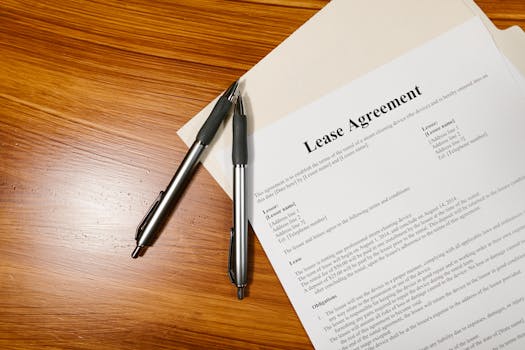
High-angle view of a lease agreement and pens on a wooden desk. Photo: RDNE Stock project / Pexels
The landscape of real estate transactions in the United States is notoriously complex, fraught with legal intricacies that can easily overwhelm an unrepresented individual. From navigating local zoning laws to understanding the nuances of purchase agreements, the absence of expert legal counsel can expose you to significant financial risks and protracted disputes. A dedicated real estate lawyer acts as your essential guide and advocate, ensuring that your interests are protected at every stage, whether you're buying your first home, selling a commercial property, or engaging in a complex development project. Their role extends far beyond merely drafting contracts; they conduct thorough due diligence, review titles for potential encumbrances, negotiate terms on your behalf, and represent you in court if a dispute arises. Consider the varying state laws that govern property sales. What's standard practice in California might be entirely different in New York or Texas. A local real estate attorney possesses an intimate understanding of these regional variations, including specific disclosure requirements, escrow processes, and property tax implications. They can identify red flags in contracts that might otherwise go unnoticed, such as vague contingencies, unfair penalty clauses, or insufficient property descriptions. For sellers, a lawyer ensures that all necessary disclosures are made, limiting future liability. For buyers, they verify clear title, investigate easements, and ensure the property is free from undisclosed liens or legal claims. Furthermore, real estate transactions often involve substantial sums of money, making the stakes incredibly high. Without legal representation, you might inadvertently agree to terms that are unfavorable or legally unsound. A lawyer's objective perspective and legal expertise are invaluable, providing a layer of protection that a real estate agent, while helpful, cannot offer. While agents facilitate the transaction, their primary role is often sales-oriented. A lawyer's sole focus is your legal protection and ensuring the transaction adheres to all applicable laws and regulations. This distinction is crucial, especially when issues like boundary disputes, environmental concerns, or financing contingencies emerge. Engaging a real estate lawyer early in the process can save you considerable stress, time, and money in the long run, transforming a potentially daunting experience into a secure and successful one. They are your shield against unforeseen legal pitfalls, ensuring that every 'i' is dotted and every 't' is crossed in your favor. Understanding real estate law is paramount for safeguarding your assets.

Key Services Offered by Real Estate Attorneys

Elderly couple touring a modern home with a real estate agent in sunny Portugal. Photo: Kampus Production / Pexels
Real estate attorneys provide a comprehensive suite of services tailored to various property-related needs. Their expertise spans the entire lifecycle of a property, from acquisition to disposition and everything in between. One of the most common services is assistance with property purchases and sales. This involves drafting and reviewing purchase agreements, sales contracts, and related documents to ensure they are legally sound and protect the client's best interests. They also conduct thorough title searches to verify ownership, identify any existing liens, easements, or encumbrances that could affect the property's value or usability, and facilitate the issuance of title insurance. Without a clear title, a property transaction can collapse, or worse, lead to future ownership disputes. Beyond basic transactions, real estate lawyers are invaluable in resolving disputes. This can range from boundary disputes between neighbors, issues arising from property defects discovered after a sale, or disagreements between landlords and tenants. In landlord-tenant law, attorneys represent either party in lease negotiations, eviction proceedings, or disputes over security deposits and property maintenance. For more complex scenarios, such as zoning and land use issues, lawyers help clients navigate the intricate regulations imposed by local municipalities, assisting with permit applications, variances, and appeals. This is particularly crucial for developers or individuals planning significant property modifications. Another critical area is real estate development and financing. Attorneys advise on project structuring, negotiate construction contracts, and ensure compliance with environmental regulations. They also work with lenders and borrowers to draft and review mortgage agreements, promissory notes, and other financing documents, ensuring all terms are fair and legally enforceable. Furthermore, real estate lawyers are often involved in property tax appeals, helping clients challenge assessments they believe are unfair, potentially saving them significant amounts annually. They also handle foreclosures, short sales, and real estate workouts, providing legal guidance to homeowners facing financial distress or lenders seeking to recover assets. Their broad scope of services ensures that no matter the complexity of your real estate matter, there's an attorney equipped to provide specialized guidance and robust representation.

How to Effectively Search for a Real Estate Lawyer Near Me

Three adults in a formal business meeting discussing legal matters in an office. Photo: www.kaboompics.com / Pexels
Finding the right real estate lawyer requires a strategic approach, especially when you need someone local who understands the specific legal landscape of your area. The first step is to leverage your personal and professional networks. Ask friends, family, colleagues, or even your real estate agent for recommendations. Personal referrals often lead to trusted professionals who have a proven track record. Once you have a few names, or if you prefer to start independently, online legal directories are an excellent resource. Websites like Avvo, Lawyers.com, and the American Bar Association (ABA) website allow you to search for attorneys by specialty and location. These platforms often include client reviews, peer endorsements, and detailed profiles outlining a lawyer's experience, practice areas, and fee structure. Another highly effective method is to contact your state or local bar association. Most bar associations offer referral services that connect individuals with qualified attorneys in their area of need. These referrals are typically vetted and ensure the attorney is licensed and in good standing. When using these services, be specific about your real estate needs – whether it's for a residential purchase, commercial lease, or a property dispute – as this will help them narrow down the best matches. Once you've compiled a list of potential candidates, it's crucial to conduct thorough due diligence. Visit their websites, look for testimonials, and research any public information about their professional conduct. Pay attention to their specific areas of expertise within real estate law; some lawyers focus solely on commercial transactions, while others specialize in residential property or landlord-tenant issues. Don't hesitate to schedule initial consultations with a few top contenders. Many attorneys offer a free or low-cost initial meeting, which is an invaluable opportunity to discuss your case, assess their communication style, and understand their fee structure. During these consultations, ask about their experience with cases similar to yours, their approach to legal strategy, and what you can expect in terms of timelines and costs. This comprehensive vetting process will significantly improve your chances of finding a real estate lawyer who is not only competent but also a good fit for your specific needs, ensuring a smoother and more secure legal journey. Choosing a real estate professional is a critical decision.

Crucial Questions to Ask Your Prospective Real Estate Attorney

Flat lay of wooden Q&A letters with punctuation marks on a gray background. Photo: Ann H / Pexels
When you're looking to find a real estate lawyer near me, asking the right questions during your initial consultation is paramount to ensuring you select the best legal representation. This interview process allows you to gauge their expertise, understand their approach, and assess whether they are the right fit for your specific needs. Here are some crucial questions to consider: * **What is your experience with cases similar to mine?** This helps determine if they have relevant expertise in residential closings, commercial leases, boundary disputes, or whatever your specific issue may be. * **How do you typically charge for your services (hourly, flat fee, retainer)? What is your fee schedule?** Understanding the fee structure upfront prevents surprises and allows you to budget accordingly. Ask for a written fee agreement. * **What is your estimated timeline for this matter?** While not always precise, an attorney can give you a general idea of the expected duration, which is helpful for planning. * **Who will be my primary point of contact, and how often can I expect updates?** Clear communication channels and expectations are vital for a smooth attorney-client relationship. * **Are there any potential challenges or risks you foresee with my case?** A good lawyer will be upfront about potential hurdles and offer strategies to mitigate them. * **What is your philosophy or approach to real estate law?** This question helps you understand their legal strategy and whether it aligns with your preferences, e.g., aggressive negotiation vs. mediation. * **Do you have any conflicts of interest?** It's essential to ensure they are not representing the opposing party or have other commitments that could compromise their impartiality. * **Can you provide references from past clients?** While not always possible due to confidentiality, some lawyers may be able to provide references or direct you to online reviews. By asking these questions, you gain valuable insight into their professional competence, communication style, and dedication, empowering you to make an informed decision when choosing your real estate lawyer.

Comparison

FeatureReal Estate LawyerReal Estate AgentTitle Company
Legal Representation & Advice✓ (Your advocate)✗ (Facilitates sale)✗ (Ensures clear title)
Contract Drafting & Review✓ (Legal document expert)Limited (Standard forms)✗ (Focus on title docs)
Dispute Resolution✓ (Litigation, negotiation)✗ (Refers to legal)✗ (Not involved)
Title Search & InsuranceOversight & Review✗ (Refers to title co.)✓ (Primary service)
Local Law Expertise✓ (Specific to region)✓ (Market knowledge)✓ (Local regulations)

What Readers Say

"I needed to find a real estate lawyer near me for a complex land purchase. Attorney Smith was incredibly knowledgeable about local zoning laws and helped me navigate every step, ensuring a smooth closing. Highly recommend!"

Sarah J. · Austin, TX

"Our family faced a tricky property dispute, and we were fortunate to find legal counsel through a local referral. The team was professional, clear in their communication, and achieved a favorable outcome for us without costly litigation."

David M. · Orlando, FL

"When selling my commercial building, I worried about the legal complexities. My real estate lawyer reviewed all contracts diligently, identified several potential issues, and saved me from significant future liabilities. The process was much less stressful with their guidance."

Emily R. · Seattle, WA

"I hired a real estate attorney for my first home purchase. While the fees were a bit higher than I anticipated, the peace of mind knowing all documents were thoroughly checked was invaluable. They were responsive, though sometimes a little slow to return calls."

Mark T. · Boston, MA

"Dealing with a difficult tenant required immediate legal action. My lawyer acted swiftly, explaining my rights and the eviction process clearly. They handled everything efficiently, leading to a quick and fair resolution."

Linda P. · Phoenix, AZ

Frequently Asked Questions

When is it absolutely necessary to find a real estate lawyer near me?

While laws vary by state, it's highly recommended for all major transactions like buying or selling property, especially for commercial deals, foreclosures, or if there are any unusual circumstances involved. You should also seek counsel for landlord-tenant disputes, boundary issues, or if you're dealing with a property that has a questionable title. Their expertise can prevent costly mistakes and provide peace of mind.

Can a real estate agent handle all the legal aspects of a property transaction?

No, a real estate agent's primary role is to facilitate the buying and selling process, marketing the property, negotiating prices, and helping with standard paperwork. They are not licensed to provide legal advice or draft complex legal documents. While they can fill out pre-printed forms, for personalized legal counsel, contract review, or dispute resolution, a qualified real estate lawyer is essential.

How do I verify if a real estate lawyer is legitimate and licensed?

You can verify a lawyer's license and standing through your state's bar association website. Most state bar associations have an online directory where you can search by name to confirm their active license, any disciplinary actions, and their contact information. This is a crucial step to ensure you are working with a qualified and ethical professional.

What are the typical costs associated with hiring a real estate lawyer?

The cost can vary significantly based on your location, the complexity of the case, and the lawyer's experience. Some lawyers charge an hourly rate (e.g., $200-$500+ per hour), while others may offer flat fees for specific services like property closings (e.g., $750-$2,500+). Always discuss fees upfront and ask for a written agreement to avoid unexpected charges.

Is hiring a real estate lawyer always better than using a title company for closing?

While title companies ensure a clear title and handle closing logistics, a real estate lawyer provides comprehensive legal representation and advice specifically tailored to your interests. A title company is a neutral third party; a lawyer is your advocate. In many states, a lawyer is either required or highly recommended for closing, offering a deeper layer of protection beyond what a title company provides.

Who should use find a real estate lawyer near me?

Anyone involved in a significant property transaction – buyers, sellers, landlords, tenants, or developers – should consider using a real estate lawyer. This includes first-time homebuyers, experienced investors, or individuals facing complex property disputes, zoning issues, or need assistance with lease agreements. Their expertise is invaluable for safeguarding your financial and legal interests.

What are the risks of not hiring a real estate lawyer for a property transaction?

The risks include overlooking critical contract clauses, unknowingly accepting unfavorable terms, encountering title defects, failing to meet legal disclosure requirements, or becoming embroiled in costly disputes. Without legal representation, you might expose yourself to significant financial losses, legal liabilities, or even the loss of your property rights. It's a calculated risk that often doesn't pay off.

How might technology change how I find a real estate lawyer near me in the future?

Future advancements may include more sophisticated AI-powered lawyer matching platforms, virtual legal consultations becoming the norm, and blockchain technology potentially streamlining some property records, reducing certain legal complexities. However, the need for human legal interpretation and negotiation in complex real estate matters will likely remain, even as the search and engagement process becomes more digital.

Don't leave your most valuable assets to chance. Take the proactive step to find a real estate lawyer near me today, ensuring your property endeavors are legally sound, secure, and successful. Protect your investment and gain peace of mind by securing expert legal representation.

Topics: real estate attorneyproperty law firmreal estate legal adviceclosing attorneyproperty dispute lawyer
Leo List
Brampton weed
Adultwork EstrelaBet Vai de Bet R7 Bet Betão Galera Bet Rainbet Bet9ja Shop SportyBet BetKing Sisal Loto Foot Hollywoodbets YesPlay Odibets RushBet Jugabet BetWarrior BetCity MSport betPawa Fortebet