Find Your Perfect Real Estate Agent Near Me Today!
August 22, 2026 15 min read 3,026 words
Connect with top local real estate professionals to navigate your home buying or selling journey with confidence.
Find Your Agent Now
Understanding the Value of a Local Real Estate Agent
 Photo: RDNE Stock project / Pexels
When embarking on one of life's most significant financial transactions – buying or selling a home – the thought of tackling it alone can be daunting. This is precisely where the invaluable expertise of a local real estate agent comes into play. You might be searching for a "real estate agent near me" with the hope of finding someone who not only understands the mechanics of a property transaction but also deeply comprehends the nuances of your specific locale. A truly local agent offers a distinct advantage, acting as your eyes and ears on the ground, privy to information that isn't readily available to the public.
Their understanding of local market conditions goes far beyond general trends. They know which neighborhoods are appreciating rapidly, which schools are top-rated, where new developments are planned, and even the subtle characteristics that make one street more desirable than another. This granular knowledge is crucial whether you're a buyer looking for the perfect community fit or a seller aiming to price your home competitively to attract the right buyers. They can advise you on hyper-local amenities, traffic patterns, zoning regulations, and future infrastructure projects that could impact property values. For instance, a local agent might know about an upcoming park development that will boost property values in a specific area, or conversely, a planned industrial zone that could negatively affect a quiet residential street. This kind of insight is gold.
Beyond market knowledge, a local agent possesses a robust network of industry professionals. Think of them as the orchestrator of your real estate transaction. They can connect you with trusted lenders, home inspectors, appraisers, contractors for pre-sale repairs or post-purchase renovations, and even local attorneys specializing in real estate law. This network streamlines the entire process, saving you countless hours of research and vetting. Imagine needing a quick quote for a roof repair before listing your home; your agent can likely provide several reliable contacts immediately. This network also includes other local agents, which can be a significant advantage in a competitive market. Often, agents within the same community have established relationships, leading to smoother negotiations and even access to off-market listings – properties that haven't officially hit the MLS yet, giving you a valuable head start.
Furthermore, a local agent is deeply embedded in the community. They often live and work in the areas they serve, meaning they have a vested interest in the well-being and growth of those communities. This personal connection often translates into a higher level of dedication and personalized service. They aren't just selling houses; they're helping people find homes within their own community. This community involvement can also give them an edge in understanding local regulations, property taxes, and homeowner association (HOA) rules, which can vary significantly even within a short distance. Navigating these local specifics can be complex, and having an expert guide ensures you avoid potential pitfalls. When you search for a "real estate agent near me," you're not just looking for a transaction facilitator; you're seeking a local expert, a trusted advisor, and a community insider who can empower you to make the best decisions for your real estate future. Their commitment extends beyond the closing table, often leading to lasting relationships and future referrals. This deep-seated local expertise is precisely why so many successful buyers and sellers prioritize finding an agent with strong community ties and a proven track record in their desired area.
Learn more about real estate trends.
The Process: How a Real Estate Agent Guides Your Journey
 Photo: Ivan S / Pexels
Engaging a real estate agent, whether you're buying or selling, transforms a potentially overwhelming process into a structured, manageable journey. For sellers, the process typically begins with a comprehensive market analysis. Your agent will conduct a Comparative Market Analysis (CMA) to determine the optimal listing price for your home. This involves evaluating recently sold properties, current listings, and even expired listings in your immediate area. They consider factors like square footage, number of bedrooms/bathrooms, lot size, condition, and unique features of your property, comparing them to similar homes. This data-driven approach ensures your home is priced competitively to attract serious buyers while maximizing your return. Beyond pricing, an agent will advise on staging, minor repairs, and curb appeal enhancements that can significantly increase your home's attractiveness and perceived value. They'll coordinate professional photography, virtual tours, and compelling descriptions to showcase your property in the best possible light across various marketing channels, from the Multiple Listing Service (MLS) to social media and their personal networks.
Once listed, your agent manages all showings, open houses, and inquiries, acting as the primary point of contact for potential buyers and their agents. This saves you immense time and shields you from direct negotiation and unqualified leads. When offers start coming in, your agent becomes your seasoned negotiator. They will meticulously review each offer, explaining terms, conditions, and contingencies, and strategize on counter-offers to secure the most favorable outcome for you. This often involves more than just the price; it includes closing dates, inspection periods, and other contractual nuances that can significantly impact your experience. Their experience in navigating these complex negotiations can mean the difference of thousands of dollars and a smoother transaction.
For buyers, the agent's role begins with understanding your specific needs, wants, and financial parameters. They'll help you secure pre-approval for a mortgage, a crucial step that strengthens your position as a serious buyer. With a clear understanding of your criteria, they leverage their local market knowledge and access to the MLS to identify suitable properties, often before they're widely advertised. They schedule showings, accompany you to viewings, and provide objective insights on each property's pros and cons, helping you see beyond the aesthetics to potential issues or hidden value. This objective perspective is vital, as it's easy to get emotionally attached to a home.
Once you find a property you love, your agent will guide you through the offer process, drafting a competitive offer that protects your interests. They'll negotiate on your behalf, navigating counter-offers, inspections, and appraisals. They coordinate with lenders, title companies, and inspectors, ensuring all deadlines are met and all necessary paperwork is completed accurately. This meticulous attention to detail is critical in preventing delays or costly mistakes. From the initial search to the final closing, your real estate agent acts as your advocate, advisor, and project manager, ensuring a seamless and successful transaction. Their expertise in contract law, negotiation tactics, and local market intricacies provides peace of mind and significantly enhances your chances of achieving your real estate goals.
Choosing the Right Real Estate Agent Near Me: Key Considerations
 Photo: Pavel Danilyuk / Pexels
Finding the perfect "real estate agent near me" is paramount to a successful property transaction. It's not just about finding someone licensed; it's about finding a professional who is the right fit for your unique situation, personality, and goals. The first and most crucial factor is local expertise. While any agent can technically sell a home anywhere in their state, an agent who specializes in your specific neighborhood or desired area will have an unparalleled understanding of local pricing, school districts, community amenities, and even upcoming developments. Ask potential agents about their experience in your target area: How many homes have they sold there in the last year? What is their average list-to-sale price ratio for that specific locale? A truly local expert will be able to articulate the specific market conditions and trends relevant to your immediate vicinity.
Experience and track record are also vital. Look for agents with a proven history of successful transactions, ideally within your price range and property type. Don't be afraid to ask for references from past clients, and check online reviews on platforms like Zillow, Realtor.com, Google, or Yelp. Pay attention not just to the number of stars, but to the content of the reviews. Do clients praise their communication skills, negotiation prowess, or market knowledge? A consistent pattern of positive feedback is a strong indicator of a reliable and effective agent. Ask them about their typical client base – do they work more with first-time buyers, luxury properties, or investors? An agent whose experience aligns with your needs will be better equipped to serve you.
Communication style and availability are often overlooked but incredibly important. Real estate transactions can be fast-paced and require quick decisions. You need an agent who communicates clearly, promptly, and in a way that suits your preferences (phone, email, text). During your initial interviews, gauge their responsiveness. Do they return calls quickly? Do they listen attentively to your needs? An agent who is hard to reach or doesn't seem to understand your priorities can add significant stress to the process. Discuss their typical availability and how they handle client communication outside of standard business hours, especially in a competitive market where properties can sell quickly.
Finally, personality and trust are subjective but critical components. You'll be working closely with your agent for weeks or even months. It's essential to choose someone you feel comfortable with, who you trust to represent your best interests, and who you believe will advocate fiercely for you. Your agent should be a good listener, empathetic to your concerns, and assertive when necessary. This rapport can make the entire experience smoother and more enjoyable. Remember, you are hiring a professional service, and you have the right to be selective. Don't hesitate to interview several agents to find the one who truly stands out and instills confidence. The right agent is not just a service provider; they become a trusted partner in your real estate journey.
Explore tips for first-time home buyers.
Avoiding Common Pitfalls and Maximizing Your Agent's Potential
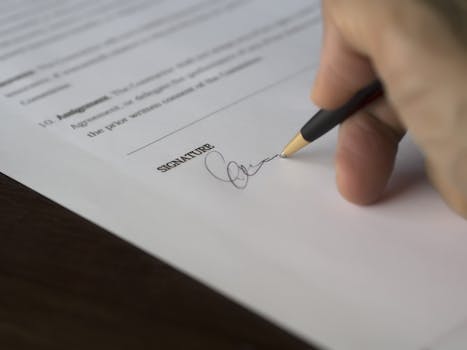 Photo: Pixabay / Pexels
Even with the perfect "real estate agent near me," certain pitfalls can derail a smooth transaction. One of the most common mistakes buyers and sellers make is not being fully transparent with their agent. Whether it's about your financial situation, your true motivation for buying or selling, or any known issues with a property, withholding information can lead to significant problems down the line. Your agent can only advocate effectively for you if they have all the facts. Be open and honest from the outset; your agent is bound by confidentiality and their primary goal is to protect your interests. Similarly, sellers sometimes fail to disclose known property defects, which can lead to legal issues and a failed sale if discovered during inspection. Always be upfront about any material facts.
Another pitfall is micromanaging your agent or, conversely, being too hands-off. While it's important to stay engaged and informed, constantly questioning every decision or trying to dictate their strategy can hinder their effectiveness. Trust your agent's expertise, especially in areas like negotiation and marketing. They have the market knowledge and experience to guide you. However, being too hands-off can also be detrimental. You need to be responsive to requests for information, signing documents, or making timely decisions. Delays on your part can cause missed opportunities or push back closing dates. Find a balance where you are an active participant, but trust your agent to lead.
Misunderstanding the contract and associated fees is another significant area of concern. Real estate contracts are legally binding documents filled with jargon. Never sign anything you don't fully understand. Your agent should meticulously explain every clause, contingency, and deadline. Ask questions until you are completely clear. Furthermore, understand the commission structure and any other fees upfront. While agent commissions are typically paid by the seller, there can be other costs involved, especially for buyers (e.g., appraisal fees, inspection fees, closing costs). A reputable agent will provide a clear breakdown of all potential costs so there are no surprises at closing.
Finally, ignoring an agent's advice, particularly regarding pricing, can be a major setback. Sellers often believe their home is worth more than the market dictates, leading to overpricing. An overpriced home sits on the market longer, often requiring subsequent price reductions that signal desperation to buyers. Conversely, buyers sometimes insist on lowball offers that are unrealistic, causing them to miss out on desirable properties in a competitive market. Trust your agent's data-driven advice on pricing and offer strategies. They have access to the most current market data and understand buyer behavior. By avoiding these common errors and fostering a strong, transparent partnership, you can maximize the potential of your real estate agent and ensure a smoother, more successful transaction.