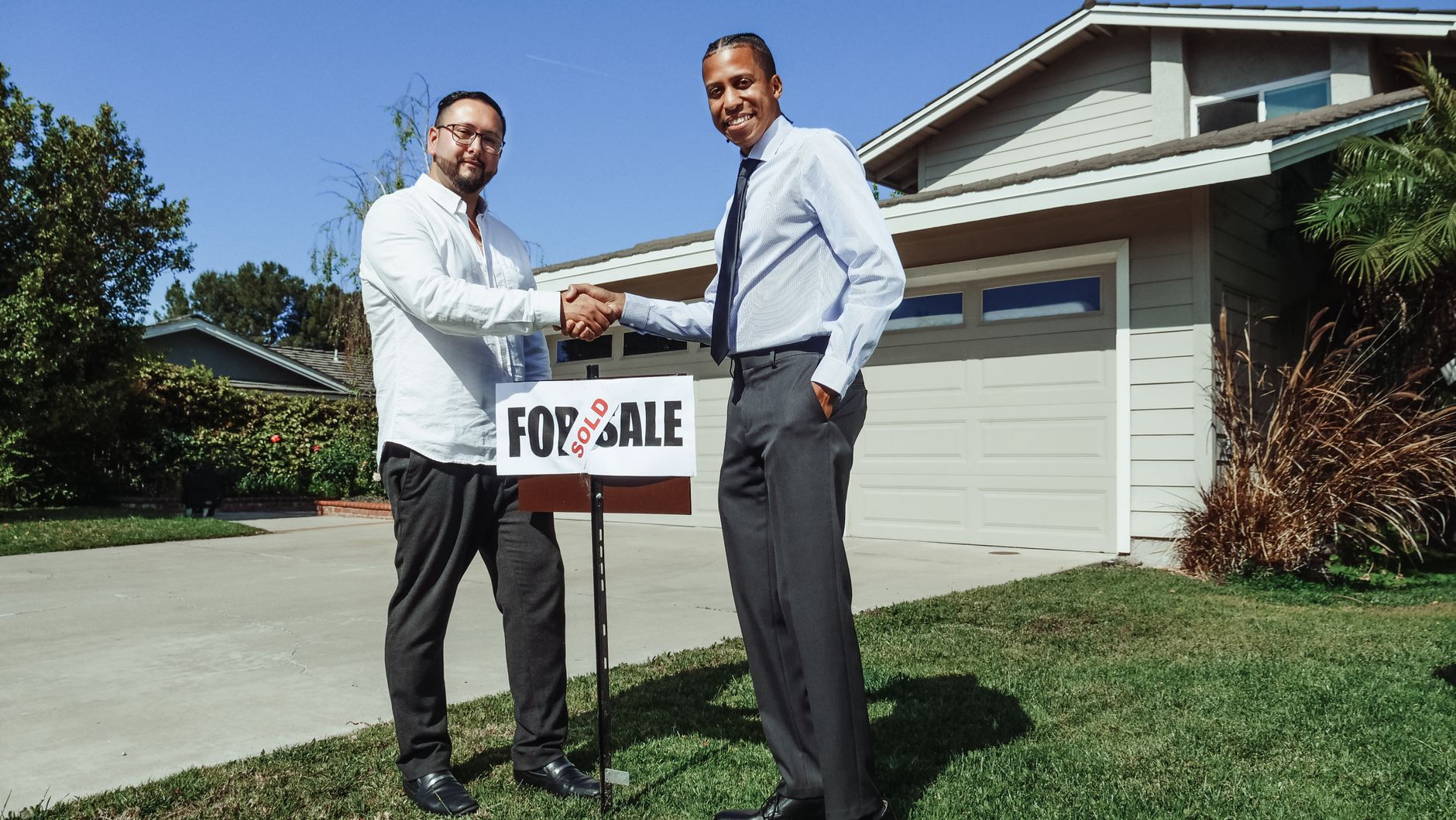
Understanding the True Cost of Selling a House US
Navigate the complexities of home selling expenses in the US and retain more of your equity.
Calculate Your CostsKey Takeaways
- ✓ Seller closing costs typically range from 6% to 10% of the sale price.
- ✓ Real estate agent commissions are often the largest single expense.
- ✓ Home preparation and repairs can significantly impact selling costs.
- ✓ Location and market conditions heavily influence overall expenses.
How It Works
Begin by outlining all potential costs, from agent commissions to repair needs. This upfront assessment prevents surprises down the line.
Invest wisely in pre-sale preparations that offer the best return on investment. Focus on curb appeal and essential repairs over major renovations.
Understand which costs are negotiable, such as real estate commissions and some closing costs. Savvy negotiation can save you thousands.
Before signing, meticulously review your Closing Disclosure to ensure all charges are accurate and expected. This is your final chance to catch discrepancies.
Breaking Down Real Estate Agent Commissions in the US
 Photo: Kindel Media / Pexels
Navigating Seller Closing Costs and Fees in the US
 Photo: Matthias Zomer / Pexels
Home Preparation, Repairs, and Staging: Strategic Investments
 Photo: Shantae Shaffer / Pexels
Hidden Costs and Common Mistakes to Avoid When Selling Your Home
Comparison
| Cost Category | Typical Range (% of Sale Price) | Negotiability | Impact on Sale |
|---|---|---|---|
| Real Estate Commissions | 5% - 6% | Moderate | Largest single cost, crucial for marketing & expertise |
| Seller Closing Costs (incl. Transfer Tax) | 2% - 4% | Limited | Varies by state, includes legal and administrative fees |
| Home Preparation & Repairs | 0.5% - 2% | High | Optional, but can increase sale price and speed |
| Holding Costs (Mortgage, Taxes, etc.) | Variable | Low | Ongoing expense until sale closes, impacts net proceeds |
What Readers Say
"This guide was incredibly helpful in understanding the cost of selling a house in the US. We were able to budget accurately for commissions and closing costs, which prevented any last-minute surprises."
Sarah J. · Austin, TX"As first-time sellers, we were overwhelmed. This article broke down every potential expense, from staging to transfer taxes, making the whole process much clearer and less stressful."
Mark D. · Seattle, WA"By following the advice on home preparation, we invested strategically and sold our house in under two weeks, exceeding our asking price, even after accounting for all the selling costs!"
Emily R. · Orlando, FL"The information on seller closing costs was particularly useful, though the exact figures varied slightly in my high-tax state. Still, it set realistic expectations for the cost of selling a house in the US."
David L. · Boston, MA"I appreciated the section on hidden costs. I hadn't considered holding costs, and factoring those in helped me price my home more competitively for a quicker sale."
Maria K. · Denver, COFrequently Asked Questions
What is the average cost of selling a house in the US?
The average cost of selling a house in the US typically ranges from 6% to 10% of the home's sale price. This includes real estate agent commissions (5-6%) and various seller closing costs (2-4%), along with potential home preparation expenses. This percentage can vary significantly based on location, market conditions, and the extent of any necessary repairs or upgrades.
Can I avoid paying real estate agent commissions?
While you can sell your home 'For Sale By Owner' (FSBO) to avoid listing agent commissions, you'll still likely need to pay a buyer's agent commission (typically 2.5-3%) if you want to attract buyers represented by agents. FSBO sales also require significant time, effort, and expertise in marketing, negotiation, and legal paperwork, and often result in a lower sale price than agent-assisted sales.
How can I reduce my selling costs?
To reduce selling costs, you can negotiate agent commissions, carefully prioritize home repairs to only those with high ROI, compare quotes for services like title insurance, and be proactive in understanding all potential closing fees. Selling in a strong seller's market can also give you more leverage to negotiate fewer seller concessions to the buyer.
Are home improvements always worth it before selling?
Not always. While some improvements, like fresh paint, minor repairs, and curb appeal enhancements, offer a strong return on investment, major renovations (e.g., full kitchen or bathroom remodels) often don't recoup their full cost in a sale. Focus on repairs that prevent deal-breaking issues and cosmetic updates that appeal to a broad range of buyers, rather than highly personalized projects.
What's the difference between seller closing costs and buyer closing costs?
Seller closing costs generally cover expenses related to transferring ownership, such as real estate commissions, transfer taxes, attorney fees (if applicable), and owner's title insurance. Buyer closing costs, on the other hand, are primarily associated with obtaining a mortgage, including loan origination fees, appraisal fees, lender's title insurance, and prepaid property taxes and homeowner's insurance. Sometimes, sellers may agree to contribute to buyer closing costs as part of the negotiation.
Who should be most concerned about the cost of selling a house in the US?
Anyone planning to sell their home in the near future should be concerned about the cost of selling a house in the US, but it's especially critical for those with limited equity, those facing a tight budget for their next home, or those relocating under time constraints. Understanding these costs upfront allows for accurate financial planning and prevents unwelcome surprises at closing.
Is it safer to sell with an agent despite the commissions?
Generally, yes. Selling with an experienced real estate agent provides a layer of protection and expertise that can be invaluable. Agents understand market dynamics, handle complex negotiations, ensure legal compliance, and have access to a wide network of potential buyers. While commissions are a significant cost, the peace of mind, potentially higher sale price, and smoother transaction often outweigh the direct savings of a FSBO sale.
How might future market trends impact selling costs?
Future market trends could influence selling costs in several ways. In a strong seller's market, you might see slightly lower commission rates or fewer seller concessions, as demand is high. Conversely, a buyer's market might lead to more pressure for seller concessions or a need for more extensive home preparations to stand out. Technological advancements, like AI-powered valuation tools or evolving brokerage models, could also impact commission structures and the efficiency of the selling process in the long term.
Armed with this comprehensive understanding of the true cost of selling a house in the US, you are now better equipped to make informed decisions. Start planning your sale with confidence, maximize your net proceeds, and ensure a smooth, financially sound transaction.