
Find Your Ideal Commercial Real Estate for Lease NYC
commercial real estate for lease nyc

Find Your Ideal Commercial Real Estate for Lease NYC

Unlock unparalleled opportunities for your business with our comprehensive guide to New York City's diverse commercial leasing market.

Explore NYC Listings

Key Takeaways

  • ✓ Manhattan boasts the highest average asking rents for office space in NYC.
  • ✓ Brooklyn has seen significant growth in creative office and retail spaces.
  • ✓ Industrial and warehouse properties are increasingly sought after in outer boroughs for logistics.
  • ✓ Lease terms in NYC typically range from 5 to 10 years, with options for renewal.

How It Works

1
Define Your Needs

Clearly outline your business type, required square footage, budget, desired neighborhood, and specific amenities. This foundational step streamlines your search and ensures you target suitable properties.

2
Search and Tour Properties

Utilize online platforms and engage with experienced brokers to identify potential spaces. Schedule tours to physically evaluate properties, considering layout, condition, and surrounding infrastructure.

3
Negotiate and Review Lease

Once you find a suitable space, submit a Letter of Intent (LOI) outlining key terms. Work with legal counsel to meticulously review the lease agreement, ensuring all clauses protect your interests.

4
Finalize and Move In

After successful negotiations and lease signing, prepare for your move. Coordinate build-out if necessary, secure permits, and manage the logistics of transitioning your business to its new NYC home.

Navigating the New York City Commercial Leasing Landscape

A view of modern skyscrapers with glass facades in an urban cityscape during the day. Photo: Matthis Volquardsen / Pexels
New York City stands as a global beacon of commerce, culture, and innovation, making its commercial real estate market one of the most dynamic and competitive in the world. For businesses seeking commercial real estate for lease NYC, understanding this intricate landscape is paramount to securing the right space at the right terms. The sheer diversity of options, from towering Manhattan office buildings to trendy Brooklyn retail storefronts and expansive industrial facilities in the Bronx or Queens, means that a one-size-fits-all approach simply won't work. Each borough, and even individual neighborhoods within them, presents unique opportunities and challenges tailored to specific business needs. The demand for prime locations remains consistently high, driven by a constant influx of startups, established corporations, and international firms eager to capitalize on NYC's unparalleled talent pool and market access. Historically, Manhattan has dominated the commercial leasing scene, particularly for office spaces in districts like Midtown, Downtown, and Hudson Yards. These areas offer prestige, accessibility, and a concentration of financial, legal, and media industries. However, in recent years, the outer boroughs have emerged as vibrant alternatives, offering more attractive price points and diverse environments. Brooklyn, for instance, has become a hub for creative agencies, tech startups, and artisanal retail, with neighborhoods like DUMBO, Williamsburg, and Bushwick seeing significant commercial development. Queens, particularly Long Island City, has transformed into a mixed-use powerhouse, attracting a blend of tech companies, manufacturers, and light industrial users due to its strategic location and access to transportation. The Bronx and Staten Island also offer compelling opportunities, especially for industrial, logistics, and community-oriented retail spaces, often at a fraction of the cost of their Manhattan counterparts. The decision of where to lease commercial real estate in NYC is not merely about price; it's about strategic alignment with your business goals. Factors such as proximity to clientele, employee commute times, access to public transportation, neighborhood demographics, and future growth potential all play critical roles. Moreover, the post-pandemic era has introduced new considerations, with many businesses reassessing their space requirements, favoring flexible layouts, amenity-rich buildings, and properties that foster collaboration and employee well-being. This shift has led to an increased emphasis on building infrastructure, air quality, and smart technology. Engaging with a local expert who possesses an in-depth understanding of these micro-markets and evolving trends is indispensable. They can provide invaluable insights into market conditions, upcoming developments, and assist in identifying hidden gems that align perfectly with your operational needs and budget. A successful lease in NYC is not just about finding a space; it's about securing a strategic asset that propels your business forward in the most competitive urban environment on the planet. For more insights into the broader real estate market, consider exploring resources on general real estate trends.

Key Factors When Searching for NYC Office Space Rental

Aerial view of a lit skyscraper in New York City at night, showcasing urban office life. Photo: Line Knipst / Pexels
When embarking on the search for commercial real estate for lease NYC, particularly office space, a multitude of factors demand careful consideration to ensure the chosen location supports and enhances your business operations. Beyond the obvious considerations of budget and size, the specific attributes of the building and its surrounding environment can significantly impact employee productivity, client perception, and long-term business viability. One of the primary factors is location and accessibility. New York City's extensive public transportation network makes proximity to subway lines, bus routes, and commuter rail stations a critical asset. An office easily accessible to employees and clients alike reduces commute times and broadens your talent pool. Consider the specific demographics of your workforce and client base when evaluating different neighborhoods; what works for a tech startup in Silicon Alley might not be ideal for a law firm in Midtown East. Building quality and amenities are also paramount. NYC office buildings vary widely in age, condition, and infrastructure. Newer constructions or recently renovated spaces often feature modern HVAC systems, high-speed internet capabilities, advanced security, and amenities like fitness centers, communal lounges, and rooftop access. These features can be powerful tools for employee recruitment and retention, fostering a positive work environment. Conversely, older buildings, while potentially offering lower rents, might require significant tenant improvements or come with outdated systems that could lead to higher operational costs or discomfort. Always inquire about building management, maintenance schedules, and the responsiveness of the landlord. A well-managed building ensures a smooth operational experience, while a neglectful one can lead to persistent issues. Lease terms and costs extend beyond just the base rent. Prospective tenants must understand the full financial commitment, including operating expenses (often referred to as 'pass-throughs' or CAM charges), real estate taxes, utilities, and potential tenant improvement allowances. NYC leases are complex documents, often featuring clauses related to rent escalations, renewal options, subleasing rights, and default provisions. It is crucial to have experienced legal counsel review these terms thoroughly to avoid future disputes or unexpected costs. Additionally, consider the length of the lease; shorter terms offer flexibility but may come with higher per-square-foot costs, while longer terms provide stability but lock you into a location for an extended period. The current market conditions, including vacancy rates and landlord concessions, can heavily influence negotiating power. A buyer's market might yield more favorable terms, while a landlord's market will demand swift decision-making and potentially fewer concessions. Thorough due diligence on all these fronts will position your business for success in its new NYC office.

Unlocking Opportunities in NYC Retail and Industrial Properties
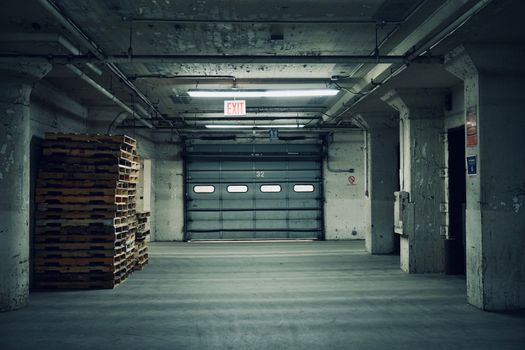
Empty industrial warehouse featuring stacked pallets and a closed garage door under fluorescent lighting. Photo: Wenxin Dong / Pexels
Beyond the bustling office towers, the market for commercial real estate for lease NYC extends vibrantly into retail and industrial sectors, each presenting unique opportunities and considerations. The retail landscape in New York City is legendary, offering unparalleled exposure and access to millions of residents and tourists. From flagship stores on Fifth Avenue to boutique shops in SoHo and neighborhood services in Queens, retail spaces are incredibly diverse. When seeking retail space, foot traffic is often the most critical factor. Understanding the demographics of a specific area – income levels, age groups, tourist volume – is essential for determining if it aligns with your target customer base. Visibility, storefront presence, and signage regulations are also paramount. A prominent corner location or a space with large display windows can significantly impact sales. Lease structures for retail often include a base rent plus a percentage of sales, known as percentage rent, which aligns the landlord's interest with the tenant's success. It’s vital to negotiate these terms carefully and understand the breakpoints at which percentage rent kicks in. Furthermore, zoning laws and permitted uses are critical; ensure the space is zoned for your specific retail operation to avoid legal complications. The rise of e-commerce has also reshaped retail, leading many businesses to seek spaces that can double as showrooms or fulfillment centers, blending online and offline experiences. On the industrial front, New York City, particularly its outer boroughs, offers crucial infrastructure for logistics, manufacturing, and warehousing. Areas like Long Island City in Queens, parts of Brooklyn like Bushwick and Sunset Park, and the South Bronx are experiencing a resurgence in demand for industrial properties. This demand is fueled by the 'last-mile delivery' phenomenon, where proximity to urban consumers is key for rapid distribution. Businesses requiring large storage facilities, specialized manufacturing plants, or extensive distribution networks will find opportunities here. Key considerations for industrial real estate include ceiling height, loading dock access, drive-in doors, power capacity, and floor load capacity. Access to major highways, bridges, and tunnels is also critical for efficient transportation of goods. Many industrial leases are triple net (NNN), meaning the tenant is responsible for property taxes, insurance, and maintenance in addition to rent. Understanding these costs is essential for accurate budgeting. The market for industrial properties can be tighter than office or retail in some areas, driven by limited available land and high demand. Therefore, having a clear understanding of your operational needs and engaging with brokers specializing in industrial real estate is crucial. Whether it's a vibrant storefront or a high-capacity warehouse, securing the right commercial real estate for lease NYC can be the cornerstone of your business's success. For further details on property types and investments, refer to our comprehensive guide on real estate investment strategies.

Avoiding Common Pitfalls in Your NYC Commercial Lease Search
A red 'House for Rent' sign stands on a grassy lawn beside a wooden house exterior. Photo: Ivan S / Pexels
Navigating the New York City commercial real estate market can be fraught with challenges, and prospective tenants often encounter pitfalls that can lead to costly mistakes or missed opportunities. Being aware of these common traps can save your business time, money, and significant headaches. **Common Pitfalls to Avoid:** * **Underestimating the Total Cost of Occupancy:** Many businesses focus solely on the base rent, neglecting other significant expenses. Remember to factor in operating expenses (CAM charges), real estate taxes, utilities, tenant improvement costs, legal fees, broker fees, and security deposits. These can add 30-50% or more to your monthly outlay. Always request a detailed breakdown of all costs before committing. * **Ignoring Lease Term Flexibility:** While a long-term lease might offer stability, it can also limit your business's agility. Conversely, a short-term lease might be more expensive per square foot. Consider your business's growth projections. Can the space accommodate future expansion, or does the lease offer options for early termination or subleasing? Look for renewal options with pre-negotiated terms if possible. * **Neglecting Due Diligence on the Building and Landlord:** Don't just tour the space; investigate the building's history, recent repairs, and the landlord's reputation. Speak to other tenants if possible. A responsive and proactive landlord can be an invaluable asset, while a negligent one can create constant operational issues. Check for any outstanding violations or liens on the property. * **Failing to Engage Professional Representation:** Trying to navigate the complex NYC commercial leasing market without an experienced commercial real estate broker and legal counsel is a common and often disastrous mistake. Brokers understand market rates, can identify suitable properties not publicly listed, and are skilled negotiators. Legal counsel is essential for reviewing the lengthy and intricate lease agreements, protecting your interests, and identifying onerous clauses. * **Overlooking Zoning and Permitted Use Restrictions:** Just because a space is vacant doesn't mean you can operate any business there. NYC has strict zoning laws. Ensure the property's zoning permits your intended use. For example, a retail space might not allow for light manufacturing, or an office space might have restrictions on certain types of businesses. A professional can help verify this. * **Signing a Lease Without a Proper Build-Out Plan:** If your space requires significant modifications (a 'build-out' or 'tenant improvement'), ensure the lease clearly defines who is responsible for the costs, the timeline, and the specifics of the work. Ambiguity here can lead to delays, budget overruns, and disputes. Negotiate for a tenant improvement allowance (TIA) if possible. By proactively addressing these potential pitfalls, businesses can significantly increase their chances of securing the ideal commercial real estate for lease NYC, ensuring a smoother transition and a more successful operational future.

Comparison

FeatureManhattan Office (Midtown)Brooklyn Retail (Williamsburg)Queens Industrial (LIC)
Average Rent (PSF/Year)$70 - $120+$60 - $150+$35 - $70+
Prestige/VisibilityVery HighHighModerate
AccessibilityExcellent (Subway/Rail)Good (Subway/Bus)Good (Highways/Subway)
Typical Lease Term5-10 Years3-7 Years5-10 Years
Best ForFinance, Law, MediaBoutique Retail, Tech, F&BLogistics, Manufacturing, Tech
Growth PotentialStable/CompetitiveHighHigh

What Readers Say

"Finding commercial real estate for lease in NYC felt overwhelming until we partnered with our broker. They found us the perfect office in Midtown East, exceeding our expectations for amenities and location. We couldn't be happier with our new corporate headquarters."

Sarah Chen · Manhattan, NY

"Our retail startup needed a vibrant space in Williamsburg, and the team delivered. They understood our brand and found a storefront with incredible foot traffic, which has been crucial for our initial success. The process was smooth and well-guided."

David Ramirez · Brooklyn, NY

"We secured a warehouse in Long Island City for our e-commerce distribution. The brokers were instrumental in negotiating favorable terms and ensuring the space met our specific logistical needs, leading to a 30% increase in delivery efficiency within the first quarter."

Maria Lopez · Queens, NY

"While the search for industrial commercial real estate for lease in NYC was challenging due to high demand, our advisor eventually found a suitable property in the Bronx. The negotiation took longer than expected, but we ultimately got a fair deal for a solid manufacturing space."

James O'Connell · Bronx, NY

"As a non-profit, budget was a major concern for our community center. We found an excellent, affordable space on Staten Island through dedicated searching and expert help. It’s perfect for our programs and easily accessible for the community we serve."

Aisha Khan · Staten Island, NY

Frequently Asked Questions

What are the average costs for commercial real estate for lease NYC?

Average costs for commercial real estate in NYC vary significantly by borough and property type. Manhattan office spaces can range from $60-$150+ per square foot annually, while retail can be even higher in prime areas. Outer boroughs generally offer more affordable options, with office/retail in Brooklyn or Queens ranging from $40-$100+ and industrial spaces from $25-$70+ per square foot. These are asking rents, and actual negotiated prices depend on market conditions, lease length, and tenant creditworthiness.

Is it better to lease directly from a landlord or use a commercial real estate broker in NYC?

While direct leasing is possible, using an experienced commercial real estate broker in NYC is almost always recommended. Brokers have access to a wider range of listings, including off-market properties, and possess in-depth market knowledge. Crucially, their fees are typically paid by the landlord, meaning their services are free to the tenant, providing expert representation without direct cost.

How long does the process of finding and leasing commercial space in NYC typically take?

The process can take anywhere from 3 to 12 months, or even longer, depending on the complexity of your needs and market availability. Initial search and tours might take 1-3 months, followed by 1-2 months for letter of intent (LOI) negotiation, and another 1-3 months for lease review and signing. If tenant improvements are required, that can add several more months before move-in.

What is a 'triple net' (NNN) lease, and how common is it for commercial real estate for lease NYC?

A triple net (NNN) lease is a common type of commercial lease where the tenant is responsible for paying not only the base rent but also the property's operating expenses, including real estate taxes, building insurance, and common area maintenance (CAM). While gross leases (where the landlord covers these) exist, NNN leases are very common, especially for retail and industrial properties, and require careful budgeting by the tenant.

How has remote work impacted the market for commercial real estate for lease NYC?

Remote work has significantly impacted the NYC commercial real estate market, particularly for office spaces. Many companies are re-evaluating their space needs, leading to increased demand for smaller, more flexible, and amenity-rich spaces. Some businesses are downsizing their physical footprint, while others are redesigning offices to prioritize collaboration and employee well-being, leading to a shift in desired property features and lease terms.

Who should use commercial real estate for lease NYC?

Any business, from startups to large corporations, looking to establish or expand their physical presence in one of the world's leading economic hubs should consider commercial real estate for lease in NYC. This includes companies needing office space, retail storefronts, industrial warehouses, medical facilities, or specialized commercial properties that benefit from NYC's vast talent pool, market access, and global connectivity.

What are the biggest risks when leasing commercial property in NYC?

The biggest risks include signing an unfavorable lease agreement without proper legal review, underestimating total occupancy costs, selecting a location that doesn't align with business needs or future growth, and failing to account for market fluctuations. Lack of professional guidance can lead to being locked into a disadvantageous deal or missing out on better opportunities.

What are the future trends for commercial real estate for lease NYC?

Future trends point towards continued demand for flexible office solutions (co-working, flex spaces), a resurgence in well-located, experience-driven retail, and sustained growth in industrial properties driven by e-commerce. Sustainability and smart building technology will become increasingly important, alongside an emphasis on health and wellness amenities to attract and retain tenants and employees.

Ready to secure your business's future in the heart of the global economy? Explore the vast opportunities for commercial real estate for lease NYC today. Our expert team is poised to guide you through every step, ensuring you find the perfect space to thrive.

Topics: commercial real estate for lease nycNYC office space rentalretail space New Yorkindustrial property NYCcommercial property New York
Leo List

IE Escorts NO Escorts US Escorts NZ Escorts AU Escorts
Brampton weed
Adultwork EstrelaBet Vai de Bet R7 Bet Betão Galera Bet Rainbet Bet9ja Shop SportyBet BetKing Sisal Loto Foot Hollywoodbets YesPlay Odibets RushBet Jugabet BetWarrior BetCity MSport betPawa Fortebet