Find Your Ideal Commercial Real Estate for Lease New York
commercial real estate for lease new york

Find Your Ideal Commercial Real Estate for Lease New York

Navigate the dynamic New York market to secure the perfect commercial space for your business's growth and prosperity.

Explore Available Properties

Key Takeaways

  • ✓ New York City boasts over 400 million square feet of commercial office space.
  • ✓ Midtown Manhattan remains the largest and most expensive office market globally.
  • ✓ Brooklyn and Queens are emerging as vibrant hubs for creative and tech businesses.
  • ✓ Retail rents vary dramatically, from $50/sq ft in outer boroughs to over $3,000/sq ft on Fifth Avenue.

How It Works

1
Define Your Business Needs

Clearly outline your space requirements, budget, desired location, and specific amenities. This foundational step ensures a targeted and efficient search process.

2
Engage a Local Expert

Partner with a commercial real estate broker specializing in the New York market. Their local knowledge and network are invaluable for identifying suitable properties and negotiating terms.

3
Tour and Evaluate Properties

Visit shortlisted properties to assess their suitability, condition, and surrounding environment. Consider factors like accessibility, foot traffic, and potential for future growth.

4
Negotiate and Secure Lease

Work with your broker to negotiate favorable lease terms, including rent, duration, tenant improvements, and renewal options. A well-structured lease is crucial for long-term success.

Navigating the Diverse Landscape of Commercial Real Estate for Lease New York
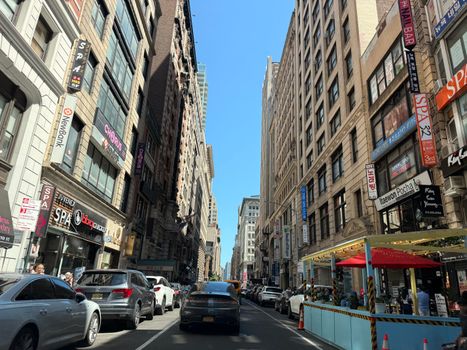
Dynamic street view of Midtown Manhattan showcasing bustling activity and iconic architecture on a clear day. Photo: JINISH RAJAGOPAL / Pexels
New York City's commercial real estate market is a mosaic of opportunities, each borough and neighborhood offering a distinct ecosystem for businesses. From the towering skyscrapers of Midtown Manhattan to the industrial expanses of Long Island City and the burgeoning retail corridors of Brooklyn, understanding this diversity is paramount for any business seeking commercial real estate for lease New York. Manhattan, often considered the heart of global commerce, presents a spectrum of office spaces. Midtown is synonymous with corporate headquarters, offering Class A buildings with state-of-the-art amenities and unparalleled prestige. Downtown Manhattan, revitalized post-9/11, blends historic architecture with modern office towers, attracting financial firms, tech startups, and creative agencies. The Financial District, in particular, continues to be a magnet for banking and investment institutions, while areas like Tribeca and SoHo offer more boutique office settings, often blending commercial use with residential charm. For businesses prioritizing innovation and collaboration, areas like Silicon Alley (stretching from Flatiron to Union Square) are prime locations, teeming with tech companies and co-working spaces. Understanding the nuances of each submarket is crucial for aligning your business's brand and operational needs with the right location. Beyond Manhattan, the outer boroughs are experiencing unprecedented growth and diversification. Brooklyn, once primarily residential, has transformed into a vibrant commercial hub. Downtown Brooklyn and Williamsburg are magnets for creative industries, tech startups, and burgeoning retail, offering more affordable rents and a dynamic, youthful demographic. Industrial spaces, once the domain of traditional manufacturing, are now being repurposed into innovative flex spaces, last-mile distribution centers, and creative studios. Queens, particularly Long Island City (LIC), has emerged as a significant commercial player, boasting a mix of modern office buildings, industrial properties, and a rapidly expanding residential base. Its proximity to Manhattan and excellent transportation links make it an attractive option for businesses looking for value without sacrificing accessibility. The Bronx and Staten Island also offer unique opportunities, particularly for light industrial, warehousing, and community-focused retail. Each borough requires a tailored approach, considering factors like zoning regulations, transportation infrastructure, and local demographics. A comprehensive search for commercial real estate for lease New York must therefore extend beyond the familiar, delving into these diverse and evolving markets to uncover the ideal fit for your enterprise. The sheer volume and variety of available properties mean that careful research and expert guidance are indispensable.

Key Considerations When Securing Commercial Property Lease NY

Scrabble tiles spelling 'AGREEMENT' on a lease document, emphasizing contractual themes. Photo: RDNE Stock project / Pexels
Securing a commercial property lease in New York is a complex process that goes far beyond simply agreeing on a monthly rent. Businesses must meticulously evaluate several critical factors to ensure the chosen space aligns perfectly with their operational needs and long-term strategic goals. First and foremost is the lease term. Commercial leases in NYC typically range from 3 to 10 years, sometimes even longer for larger spaces or anchor tenants. A longer lease can offer stability and potentially better rent concessions, but it also locks a business into a location, which might be a disadvantage if growth or market conditions change rapidly. Conversely, a shorter lease provides flexibility but may come with higher per-square-foot costs and the uncertainty of renewal. Understanding your business's projected growth trajectory and market volatility is key to determining the optimal lease duration. Another crucial aspect is the type of lease. New York commercial leases commonly fall into categories like Gross Lease, Net Lease (Single, Double, Triple), and Modified Gross Lease. A Gross Lease means the tenant pays a fixed rent, and the landlord covers property taxes, insurance, and maintenance. A Triple Net (NNN) Lease, on the other hand, requires the tenant to pay rent plus their proportionate share of these operating expenses, offering more transparency but also more variable costs. Understanding these distinctions is vital for accurate budgeting and financial forecasting. Furthermore, tenant improvement (TI) allowances are a significant negotiation point. Many spaces, especially in older buildings or those undergoing conversion, may require substantial build-out to suit a tenant's specific needs. A generous TI allowance from the landlord can significantly reduce upfront capital expenditures for the tenant, making a property more attractive. It's essential to clearly define the scope of work, who is responsible for what, and the timeline for completion within the lease agreement. Beyond the financial terms, operational considerations are paramount. Accessibility for employees and clients, including proximity to public transportation, parking availability, and major roadways, directly impacts daily operations and business reach. Zoning regulations are also critical; ensuring the property's zoning permits your specific business type and operations can prevent costly legal issues down the line. Finally, the building's infrastructure, including HVAC systems, internet connectivity, security features, and amenities like shared conference rooms or fitness centers, can significantly impact employee satisfaction and productivity. A thorough due diligence process, often aided by legal counsel and a skilled commercial real estate broker, is indispensable to navigate these complexities and secure a lease that serves your business well for years to come. Overlooking any of these factors could lead to unforeseen expenses or operational inefficiencies, underscoring the need for a comprehensive approach to securing commercial real estate for lease New York.

Unlocking Opportunities: Office, Retail, and Industrial Spaces in NYC
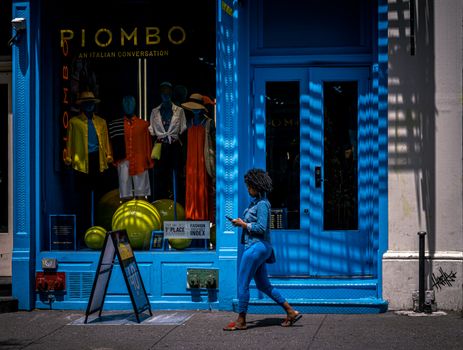
A woman with a smartphone passes a stylish clothing store in New York City. Photo: michael dimartino / Pexels
The search for commercial real estate for lease New York is highly specialized, depending on whether your business requires office, retail, or industrial space. Each category presents unique market dynamics, location considerations, and lease structures. For office spaces, the trend towards flexible work arrangements and co-working models continues to shape demand. Businesses are increasingly seeking spaces that promote collaboration, offer amenities for employee well-being, and can adapt to evolving team sizes. While traditional Class A office towers in Midtown and Downtown Manhattan remain highly sought after for their prestige and infrastructure, many companies are exploring more dynamic options in areas like Chelsea, Hudson Yards, and the burgeoning tech corridors of Brooklyn. These areas often provide a blend of modern design, vibrant neighborhood amenities, and a more accessible price point, particularly for startups and scale-ups. The rise of flexible office solutions, from serviced offices to co-working memberships, also offers an alternative for businesses that require agility without the long-term commitment of a traditional lease. Understanding these evolving trends is crucial for identifying an office space that supports productivity and attracts talent. Retail spaces in NYC are experiencing a significant transformation, driven by e-commerce and changing consumer behaviors. While high-street retail on Fifth Avenue and Madison Avenue continues to command premium rents, there's a growing emphasis on experiential retail and community-focused storefronts. Neighborhoods like SoHo, Greenwich Village, and parts of Brooklyn (e.g., Williamsburg, Dumbo) are thriving retail destinations, attracting brands that seek to create unique customer experiences. Businesses looking for retail space must consider foot traffic, visibility, demographic alignment, and co-tenancy with complementary businesses. The lease structure for retail often includes a base rent plus a percentage of sales, known as percentage rent, which aligns the landlord's interests with the tenant's success. Furthermore, industrial spaces, once considered the backbone of traditional manufacturing, are now pivotal for e-commerce logistics, last-mile delivery, and creative production. Areas like Long Island City, parts of Brooklyn (e.g., Bushwick, Sunset Park), and the Bronx offer a range of industrial properties, from traditional warehouses to modern distribution centers and flex spaces. Proximity to major transportation arteries, port access, and a skilled labor force are critical factors for industrial tenants. Many industrial properties are also being redeveloped into mixed-use spaces, incorporating creative studios, light manufacturing, and even retail components, reflecting the dynamic evolution of New York's commercial landscape. Each segment of the commercial real estate market in New York demands a specialized approach, requiring deep market knowledge and strategic planning to secure the most advantageous lease.

Avoiding Common Pitfalls in Your Search for Commercial Real Estate for Lease New York

From below of contemporary office buildings with reflection in windows located in city Photo: Adrien Olichon / Pexels
Navigating the New York commercial real estate market can be fraught with challenges if not approached strategically. Businesses often make several common mistakes that can lead to costly errors or missed opportunities. Understanding these pitfalls is the first step toward a successful leasing experience. **Common Pitfalls to Avoid:** * **Underestimating the True Cost:** Many businesses focus solely on the base rent. However, additional costs like operating expenses (CAM charges), property taxes (especially in NNN leases), utilities, tenant improvements, legal fees, and brokerage commissions can significantly inflate the total occupancy cost. Always request a comprehensive breakdown of all potential expenses. * **Neglecting Due Diligence:** Rushing into a lease without thoroughly inspecting the property can lead to discovering hidden issues like outdated HVAC systems, inadequate electrical capacity, or structural problems. Always conduct a detailed site inspection and consider hiring an independent engineer or architect. * **Ignoring Lease Clause Details:** The fine print in a commercial lease agreement is critical. Clauses regarding renewal options, early termination, subleasing rights, assignment, force majeure, and default provisions can have profound long-term implications. Failing to understand or negotiate these terms can put your business at a disadvantage. * **Not Using a Tenant Representative:** While it might seem like an added expense, a skilled commercial real estate broker (tenant representative) who exclusively works for you is invaluable. They have market knowledge, negotiation expertise, and can identify properties not publicly listed. Relying solely on listing agents (who represent the landlord) means you don't have dedicated representation. * **Poor Space Planning:** Choosing a space that is either too small or too large for your current and projected needs can be inefficient. Too small, and you'll quickly outgrow it; too large, and you're paying for unused space. Work with an architect or space planner to optimize layout and ensure functionality. * **Overlooking Transportation and Logistics:** For retail and industrial spaces, accessibility for customers and supply chain logistics is paramount. For office space, ease of commute for employees is crucial for talent retention. Failing to assess these aspects can negatively impact operations and employee satisfaction. * **Lack of Legal Review:** Always have a commercial real estate attorney review the lease agreement before signing. They can identify unfavorable clauses, negotiate better terms, and protect your legal interests, preventing future disputes. By being aware of these common mistakes and taking proactive steps to mitigate them, businesses can significantly improve their chances of securing ideal commercial real estate for lease New York, ensuring a solid foundation for their operations and growth.

Comparison

FeatureManhattan (Midtown)Brooklyn (Williamsburg)Queens (Long Island City)Bronx (South Bronx)
Average Office Rent (per sq ft/year)$75 - $150+$45 - $75$55 - $85$30 - $50
Primary Business TypeFinance, Law, Corporate HQTech, Creative, StartupsTech, Media, IndustrialLogistics, Light Mfg., Retail
Transit Accessibility✓ (Excellent)✓ (Very Good)✓ (Excellent)✓ (Good)
Prestige/Brand ImageHighMedium-HighMediumEmerging
Growth PotentialStableHighHighVery High
Availability of Flex SpaceModerateHighModerateLow

What Readers Say

"Finding the perfect commercial real estate for lease New York seemed impossible until we worked with our broker. They secured a stunning office in Flatiron that perfectly fits our tech startup's culture and budget, exceeding our expectations."

Sarah Chen · Manhattan, NY

"Our retail business needed a high-visibility location in Williamsburg. The team helped us navigate complex zoning and found a fantastic storefront with great foot traffic, making the entire process smooth and efficient."

David Rodriguez · Brooklyn, NY

"We needed industrial space for our e-commerce fulfillment center in Long Island City. With their expertise, we leased a 15,000 sq ft warehouse that cut our delivery times by 20%, directly impacting our bottom line."

Emily White · Queens, NY

"While the initial search for commercial real estate for lease New York was challenging, our broker's persistence paid off. We found a suitable flex space in the South Bronx that offers great value, though the build-out took longer than expected."

Mark Johnson · Bronx, NY

"As a non-profit, our budget for commercial real estate for lease New York was tight. The team understood our unique needs and helped us secure a community-friendly office space that was both affordable and accessible for our clients."

Jessica Lee · Staten Island, NY

Frequently Asked Questions

What are the average costs for commercial real estate for lease in New York?

The average costs for commercial real estate in New York vary dramatically by borough, neighborhood, and property type. Office spaces in prime Manhattan locations can range from $75 to $150+ per square foot annually, while outer boroughs might see rates from $30 to $85. Retail spaces on high streets can exceed $3,000 per square foot, whereas industrial spaces are typically lower, often between $20 and $50 per square foot. These figures are base rents and do not include additional operating expenses, taxes, or utilities, which can significantly increase the total occupancy cost.

Is it better to lease or buy commercial property in NYC?

For most businesses, especially those new to the New York market or those with evolving needs, leasing commercial property is generally more advantageous. Leasing offers greater flexibility, requires less upfront capital, and allows businesses to adapt to market changes or growth more easily. Buying can provide long-term equity and stability but involves substantial capital outlay, property management responsibilities, and less liquidity. The decision often depends on a business's financial health, long-term strategy, and risk tolerance.

How long does it typically take to find and lease commercial real estate in New York?

The process of finding and leasing commercial real estate in New York can take anywhere from 3 to 12 months, or even longer for complex requirements or large spaces. The timeline depends on factors such as the specificity of your needs, market availability, negotiation complexity, and the time required for tenant improvements. Engaging a proactive broker and having all your financial and legal documentation ready can help expedite the process.

What are common hidden costs in a commercial lease in NYC?

Common hidden costs in a commercial lease in NYC often include operating expenses (CAM charges), real estate taxes, property insurance (especially in NNN leases), utilities, tenant improvement costs (if not fully covered by the landlord), legal fees for lease review, and brokerage commissions. It's crucial to clarify all these potential costs upfront and ensure they are clearly outlined in the lease agreement to avoid unexpected expenses.

How does a commercial real estate broker help in NYC?

A commercial real estate broker in NYC provides invaluable assistance by offering deep market knowledge, identifying suitable properties (including off-market listings), negotiating favorable lease terms, and guiding you through the complex legal and financial aspects of the transaction. They act as your advocate, ensuring your interests are protected and helping you secure the best possible deal, often saving you significant time and money in the long run.

Who should use commercial real estate for lease New York?

Any business, from startups to established corporations, seeking a physical presence in the New York metropolitan area should consider commercial real estate for lease New York. This includes tech companies needing office space, retailers looking for storefronts, industrial businesses requiring warehouses or flex space, and professional services firms establishing a presence. It's ideal for businesses that need operational flexibility and want to leverage New York's vast market opportunities without the capital commitment of purchasing.

What are the risks associated with signing a long-term commercial lease in NYC?

Signing a long-term commercial lease in NYC carries risks such as being locked into an unfavorable rent if market rates decrease, outgrowing or underutilizing the space due to changes in business needs, and the difficulty of subleasing or assigning the lease if your business relocates or closes. It's crucial to negotiate clauses that allow for flexibility, such as expansion options, contraction rights, or favorable subleasing terms, to mitigate these risks.

What are the emerging trends in New York's commercial leasing market?

Emerging trends in New York's commercial leasing market include a growing demand for flexible office spaces and co-working models, a focus on sustainability and wellness amenities in new developments, the repurposing of industrial properties for last-mile delivery and creative uses, and the continued decentralization of commercial activity from Manhattan to the outer boroughs, particularly Brooklyn and Queens, driven by affordability and evolving demographics. Technology integration, such as smart building systems, is also becoming a standard expectation.

Ready to secure your ideal commercial real estate for lease New York? Our expert team is here to guide you through every step, ensuring you find a space that perfectly aligns with your business goals. Contact us today to unlock unparalleled opportunities in the dynamic NYC market.

Topics: commercial real estate for lease new yorkNYC office space rentalNew York retail spaceindustrial property NYCcommercial property lease NY
Leo List

DK Escorts LU Escorts AT Escorts SE Escorts FI Escorts CH Escorts DE Escorts HR Escorts IE Escorts GR Escorts CZ Escorts NO Escorts BE Escorts FR Escorts SI Escorts IL Escorts NL Escorts PL Escorts HU Escorts ES Escorts IT Escorts PT Escorts SK Escorts RO Escorts ZA Escorts UY Escorts US Escorts UK Escorts NZ Escorts AU Escorts
Brampton weed
Adultwork EstrelaBet Vai de Bet R7 Bet Betão Galera Bet Rainbet Bet9ja Shop SportyBet BetKing Sisal Loto Foot Hollywoodbets YesPlay Odibets RushBet Jugabet BetWarrior BetCity MSport betPawa Fortebet