Find Your Ideal Commercial Real Estate for Lease Los Angeles
commercial real estate for lease los angeles

Find Your Ideal Commercial Real Estate for Lease Los Angeles

Unlock prime opportunities in the dynamic LA market – from bustling retail to innovative office and industrial spaces.

Explore Listings Now

Key Takeaways

  • ✓ Los Angeles is the largest economic hub in California and the second-largest metropolitan economy in the United States.
  • ✓ The LA commercial real estate market offers diverse options: office, retail, industrial, and specialized properties.
  • ✓ Demand for flexible and amenity-rich spaces is growing, particularly in tech and creative industries.
  • ✓ Understanding local zoning, demographics, and market trends is crucial for successful leasing in LA.

How It Works

1
Define Your Needs & Budget

Clearly outline your space requirements (size, type, location), operational needs, and financial parameters. This initial clarity streamlines the entire search process.

2
Market Research & Property Search

Utilize online databases, broker networks, and local market reports to identify suitable commercial properties. Focus on areas aligning with your business objectives and target audience.

3
Site Visits & Due Diligence

Conduct thorough site inspections of shortlisted properties, evaluating physical condition, infrastructure, and surrounding amenities. Perform due diligence on zoning, permits, and landlord reputation.

4
Negotiation & Lease Execution

Work with an experienced broker to negotiate lease terms, including rent, duration, tenant improvements, and operating expenses. Review the lease agreement meticulously before signing to protect your interests.

Navigating the Los Angeles Commercial Real Estate Market for Lease

Capture of downtown Los Angeles skyline under a warm sunset, showcasing iconic skyscrapers and urban landscape. Photo: Simon Steiner / Pexels
Los Angeles, a sprawling metropolis renowned for its diverse economy, cultural influence, and innovation, presents a unique and often complex landscape for commercial real estate. For businesses seeking commercial real estate for lease in Los Angeles, understanding the nuances of this dynamic market is paramount. From the gleaming high-rises of Downtown LA to the creative campuses of Silicon Beach, the industrial corridors of the Inland Empire, and the bustling retail streets of Beverly Hills, the options are as varied as the city itself. This section delves into the fundamental aspects of navigating this market, providing a foundational understanding for prospective tenants. The LA commercial real estate market is characterized by strong demand, often leading to competitive leasing environments. Key drivers include its status as a global hub for entertainment, technology, fashion, trade, and tourism. Businesses are drawn to Los Angeles for its vast talent pool, diverse consumer base, and strategic location with access to Pacific Rim markets. However, this high demand also translates into higher rental rates and operating costs compared to many other major US cities. Therefore, a strategic approach, backed by thorough research and expert guidance, is essential. Prospective tenants must first define their specific needs. Are you a tech startup requiring collaborative office space in LA with flexible terms? A retail brand eyeing a high-foot-traffic location in a vibrant neighborhood? Or an e-commerce giant needing expansive industrial warehousing for efficient distribution? Each business type will have distinct requirements that dictate the search parameters. Factors such as square footage, layout, parking availability, proximity to public transportation, specific zoning regulations, and infrastructure (e.g., high-speed internet, loading docks) all play a critical role. Moreover, understanding your target demographic and how a location supports their accessibility is key for retail and service-oriented businesses. Beyond immediate needs, consider the long-term vision for your business. The lease term, options for renewal, and potential for expansion or contraction clauses can significantly impact future operational flexibility. Many businesses in LA are now seeking spaces that offer not just functionality but also align with their brand identity and employee well-being initiatives, leading to increased demand for amenity-rich buildings and creative office environments. Engaging with local market experts, such as commercial real estate brokers specializing in Los Angeles, can provide invaluable insights into current market trends, available inventory, and upcoming developments. These professionals can help you identify opportunities that might not be publicly listed and guide you through the intricacies of lease negotiations, ensuring that the terms are favorable and protect your business interests. The journey to securing the right commercial real estate for lease in Los Angeles is a strategic one, requiring careful planning and informed decision-making.

Types of Commercial Properties for Lease in Los Angeles
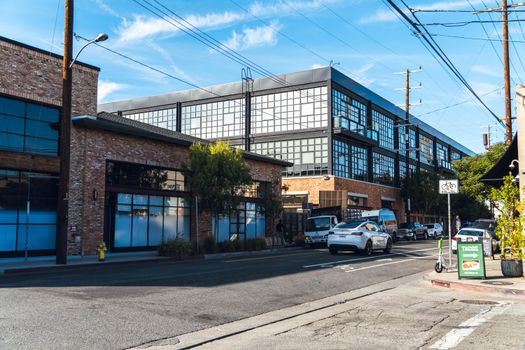
A busy street in LA featuring modern industrial warehouses under a clear blue sky. Photo: Leo P / Pexels
The vast expanse of Los Angeles offers a rich tapestry of commercial property types, each catering to different business models and operational needs. Understanding these categories is crucial for any enterprise looking for commercial real estate for lease in Los Angeles. This section breaks down the primary types of commercial properties available, highlighting their characteristics and ideal use cases within the LA market. **Office Space:** Los Angeles boasts a diverse office market, ranging from traditional Class A high-rises in Downtown LA and Century City to creative office campuses in areas like Santa Monica and Culver City. Class A spaces typically offer premium amenities, modern infrastructure, and prestigious addresses, appealing to corporate headquarters, law firms, and financial institutions. Class B and C spaces, while often older, can provide more affordable options or opportunities for extensive tenant improvements, favored by startups, non-profits, and smaller professional services. The demand for flexible office solutions, including co-working spaces and serviced offices, has also surged, catering to businesses seeking shorter lease terms and ready-to-use environments. Locations like Hollywood, Burbank, and Glendale are popular for entertainment and media companies, while Pasadena and Long Beach offer more suburban office park settings with good accessibility. **Retail Space:** The retail sector in Los Angeles is incredibly dynamic, mirroring the city's diverse demographics and consumer culture. Opportunities for retail commercial real estate for lease in Los Angeles span from prime storefronts on iconic streets like Rodeo Drive and Melrose Avenue to units within large regional shopping centers, neighborhood strip malls, and mixed-use developments. Businesses must carefully consider foot traffic, visibility, parking, and co-tenancy when selecting a retail location. Areas like West Hollywood and Silver Lake attract trendy boutiques and restaurants, while larger suburban centers cater to national brands and everyday consumer needs. The rise of experiential retail also means that landlords are increasingly seeking tenants who can offer unique customer experiences, beyond just product sales. **Industrial Space:** Los Angeles is a critical logistics and distribution hub, making its industrial real estate market highly sought after. Industrial properties include warehouses, distribution centers, manufacturing facilities, and flex spaces (combining office and warehouse components). These are predominantly found in areas like the Inland Empire, Compton, Vernon, and the San Gabriel Valley, offering strategic access to the Ports of Los Angeles and Long Beach, major freeways, and rail lines. Demand for industrial space has been consistently high, driven by e-commerce growth, last-mile delivery needs, and manufacturing operations. Tenants often prioritize ceiling height, loading dock configurations, power capabilities, and yard space. Flex spaces are popular for businesses that require a showroom, administrative offices, and light assembly or storage under one roof. **Specialized Properties:** Beyond the main categories, Los Angeles also offers specialized commercial properties for lease. These can include medical office buildings (MOBs) near major hospitals, restaurant spaces (often requiring specific build-outs and permits), automotive service centers, and event venues. Each of these property types comes with its own set of unique requirements, regulatory considerations, and market dynamics. For instance, securing a restaurant lease involves navigating complex health codes, liquor licenses, and kitchen infrastructure. Understanding the specific needs of your industry and how they align with available property types is a critical step in securing the right commercial real estate for your business in the vast Los Angeles market.

Key Considerations When Leasing Commercial Property in Los Angeles
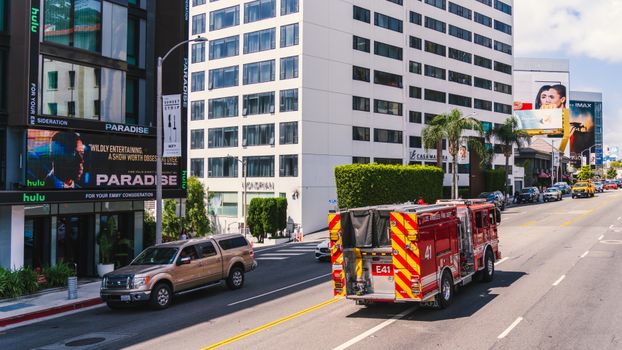
Los Angeles fire truck cruising down the famous Sunset Strip in daylight. Photo: Abhishek Navlakha / Pexels
Securing the right commercial real estate for lease in Los Angeles involves more than just finding an available space; it demands a comprehensive understanding of various factors that can significantly impact your business's success and operational costs. This section outlines critical considerations that every prospective tenant should evaluate before committing to a lease agreement in the competitive LA market. **Location, Location, Location:** While a cliché, its importance cannot be overstated in Los Angeles. Proximity to your target customers, key suppliers, and a talented workforce is paramount. Consider traffic patterns, public transportation access (METRO, bus lines), and parking availability, which can be a major challenge in many LA neighborhoods. For retail, visibility and foot traffic are key. For industrial, access to freeways and ports is crucial. For office, amenities like nearby restaurants, gyms, and green spaces can be a draw for employees. Researching submarkets within Los Angeles, such as Santa Monica, Hollywood, Downtown, or the Valley, will reveal distinct characteristics, rental rates, and business ecosystems. **Lease Terms and Costs:** Commercial leases are complex documents. Beyond the base rent, tenants must understand additional costs like Common Area Maintenance (CAM) charges, property taxes, and insurance (often referred to as 'NNN' or 'gross' leases). Negotiate the lease duration, options for renewal, and any potential rent escalations. Tenant Improvement (TI) allowances are also crucial – this is money provided by the landlord to customize the space to your needs. A skilled commercial real estate broker in LA can be invaluable in deciphering these terms and negotiating favorable conditions. Understanding your total occupancy cost, not just the face rent, is vital for accurate budgeting. **Zoning and Permitting:** Los Angeles has stringent zoning regulations that dictate how a property can be used. Before signing a lease, verify that the property's zoning allows for your intended business operations. Changing zoning can be a lengthy and expensive process, often not feasible for tenants. Additionally, familiarize yourself with local permitting requirements for business licenses, signage, build-outs, and specific industry regulations (e.g., food service, manufacturing). Failing to comply can lead to costly delays or even closure. **Market Trends and Future Development:** The LA commercial real estate market is constantly evolving. Staying informed about current vacancy rates, rental rate trends, and planned developments in your target area can provide a strategic advantage. Are new transportation hubs being built? Are major companies moving into the neighborhood? Such developments can impact property values, traffic, and the overall business environment. For example, the expansion of the METRO rail system has significantly influenced demand for commercial properties along its routes. Understanding these trends helps you make a forward-looking decision that supports your business's growth and stability in the long run. A well-chosen location today can become an even more valuable asset tomorrow.

Tips for Securing the Best Commercial Real Estate Lease in Los Angeles
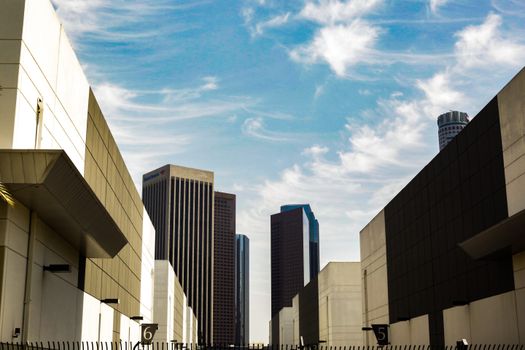
Skyline of downtown Los Angeles with modern skyscrapers against a blue sky. Photo: Anthony Celenie / Pexels
Securing the ideal commercial real estate for lease in Los Angeles can be a competitive endeavor. To maximize your chances and ensure you get the best possible terms, consider these expert tips: * **Start Early:** The LA market moves quickly, especially for desirable properties. Begin your search well in advance of your target move-in date – ideally 6-12 months for larger spaces or specific requirements. This allows ample time for research, negotiations, and tenant improvements. * **Define Your Non-Negotiables:** Before you even look at properties, make a clear list of what your business absolutely needs (e.g., specific square footage, ground floor access, particular zoning). This helps filter out unsuitable options efficiently. * **Leverage Local Expertise:** Partner with an experienced commercial real estate broker who specializes in the Los Angeles market. They have access to off-market listings, deep knowledge of submarkets, and negotiation expertise that can save you time and money. Their insights into local regulations and landlord reputations are invaluable. * **Prepare Your Financials:** Landlords in LA require strong financial backing. Have your business plan, financial statements, tax returns, and personal guarantees (if applicable) ready. A solid financial presentation can give you an edge over other prospective tenants. * **Be Flexible Where Possible:** While having non-negotiables is important, a degree of flexibility on certain aspects (e.g., exact location, minor layout adjustments) can open up more opportunities and potentially lead to better deals. Sometimes, a slightly less prominent location offers significant cost savings without compromising business operations. * **Understand Lease Language:** Commercial leases are complex. Do not hesitate to engage a real estate attorney to review the lease agreement before signing. They can identify unfavorable clauses, clarify responsibilities, and ensure your interests are protected. * **Consider Tenant Improvement Allowances (TIs):** Negotiate TIs early. If a space needs significant modifications to suit your business, a generous TI allowance from the landlord can dramatically reduce your upfront capital expenditure. Clearly define what the allowance covers and who manages the construction. * **Think Long-Term:** Evaluate not just the current rental rates but also future rent escalations, renewal options, and potential for expansion or contraction. A favorable long-term lease can provide stability and cost predictability for your business. * **Walk the Neighborhood:** Beyond the specific property, spend time in the surrounding neighborhood. Observe foot traffic, assess amenities, and gauge the overall vibe. This helps determine if the location aligns with your company culture and target market. * **Don't Overlook Operating Expenses:** Beyond base rent, inquire about all operating expenses (CAM, taxes, insurance, utilities). These can significantly add to your monthly costs. Understand how these are calculated and if they are subject to annual increases. By following these tips, businesses can navigate the Los Angeles commercial real estate market with greater confidence and secure a lease that supports their strategic objectives.

Comparison

FeatureOffice SpaceRetail SpaceIndustrial Space
Primary UseAdministrative, creative, professional servicesSales, customer-facing servicesStorage, distribution, manufacturing
Key Location DriversTransit access, amenities, talent poolFoot traffic, visibility, demographicsPort/freeway access, logistics hubs
Typical Lease Term3-10 years3-7 years5-15 years
Tenant Improvement NeedsLayout, tech infrastructure, finishesStorefront, interior design, fixturesRacking, power, loading docks
Avg. Cost/Sq. Ft. (LA)Higher (varies by submarket)Highest (prime locations)Moderate (high demand)
Flexibility OptionsCo-working, serviced officesPop-up, short-term leasesFlex-space (office/warehouse)
Zoning ComplexityModerateHigh (specific uses, signage)High (environmental, noise)
Market VolatilityModerateHigh (e-commerce impact)Low (consistent demand)

What Readers Say

"Finding commercial real estate for lease in Los Angeles for our tech startup felt impossible until we connected with a local broker. They understood our need for collaborative space in Silicon Beach and found us the perfect flexible office, saving us months of searching."

Sarah Chen · Santa Monica, CA

"Our law firm needed a prestigious Class A office in DTLA. The guidance we received on lease negotiations and understanding CAM charges was invaluable. We secured a fantastic space with favorable terms."

David Ramirez · Downtown LA, CA

"As an e-commerce business, securing industrial commercial real estate for lease in Los Angeles was critical for our logistics. We found a warehouse with ideal loading dock access near the ports, which immediately streamlined our distribution process and reduced shipping times by 15%."

Maria Hernandez · Vernon, CA

"We found a great retail spot for our boutique in Silver Lake, though the initial negotiation on tenant improvements was tough. Our broker helped us push for a better allowance, making the build-out much more manageable. The location is perfect for our brand."

Alex Johnson · Silver Lake, CA

"Relocating our creative agency to Pasadena was a smooth process thanks to expert advice on commercial real estate for lease Los Angeles. We found a charming, amenity-rich office that boosted team morale and client visits significantly."

Jessica Lee · Pasadena, CA

Frequently Asked Questions

What are the average rental rates for commercial real estate for lease in Los Angeles?

Average rental rates for commercial real estate in Los Angeles vary significantly by property type, class, and submarket. For office space, Class A properties in prime areas like Century City or Santa Monica can command over $6-$8+ per square foot per month (full service), while Class B/C in less central areas might be $3-$5. Retail rates depend heavily on foot traffic and visibility, ranging from $3-$10+ NNN in desirable areas. Industrial space, particularly in high-demand logistics corridors, typically ranges from $1.50-$2.50+ NNN per square foot per month. These are broad averages, and specific deals can vary based on lease length, tenant improvements, and market conditions.

Is it better to lease or buy commercial property in Los Angeles?

The decision to lease or buy commercial property in Los Angeles depends on several factors, including your business's financial health, long-term strategy, and market outlook. Leasing offers greater flexibility, lower upfront capital expenditure, and predictable monthly costs (though these can escalate). It's often preferred by startups, businesses in rapidly changing industries, or those needing to preserve capital. Buying offers potential equity appreciation, tax benefits, and full control over the property, but requires significant capital, incurs ownership responsibilities, and reduces flexibility. For most small to medium-sized businesses entering or expanding in LA, leasing is often the more accessible and less risky option initially.

How long does it typically take to find and secure commercial real estate for lease in Los Angeles?

The timeline for finding and securing commercial real estate for lease in Los Angeles can vary widely. For smaller, less specialized spaces, the process might take 2-4 months. For larger, more complex requirements, or highly competitive submarkets, it can easily extend to 6-12 months. This timeframe includes defining needs, property search, tours, due diligence, negotiation, and lease execution. Starting your search early, having clear requirements, and working with an experienced broker can significantly streamline the process.

What are Common Area Maintenance (CAM) charges in LA commercial leases?

Common Area Maintenance (CAM) charges, often included in 'NNN' (triple net) leases, are a tenant's share of the costs associated with maintaining the common areas of a commercial property. In Los Angeles, these typically include expenses for landscaping, parking lot maintenance, security, common area utilities, property management fees, and sometimes property taxes and insurance. It's crucial to understand what is included in CAM, how it's calculated (usually based on your pro-rata share of the building's total square footage), and if there are any caps on annual increases, as these can add significantly to your overall occupancy costs.

How important is a commercial real estate broker in the LA market?

Engaging a commercial real estate broker is highly recommended, if not essential, when seeking commercial real estate for lease in Los Angeles. Brokers provide invaluable market knowledge, access to a wider range of listings (including off-market properties), and expertise in lease negotiations. They can help you navigate complex legal documents, understand local zoning, and ultimately secure more favorable terms. Crucially, in most leasing scenarios, the landlord pays the broker's commission, making their services a cost-effective resource for tenants.

Who should use commercial real estate for lease Los Angeles?

Any business, from startups and small enterprises to large corporations, seeking physical space to operate within the Los Angeles metropolitan area should consider commercial real estate for lease. This includes professional services (law firms, consultants), tech companies, retail brands, restaurants, industrial distributors, manufacturers, and creative agencies. Leasing offers flexibility and lower upfront costs compared to purchasing, making it an attractive option for businesses focused on growth and operational agility.

What are the biggest risks when leasing commercial property in LA?

The biggest risks when leasing commercial property in LA include underestimating total occupancy costs (beyond just base rent), overlooking critical lease clauses (like renewal options, tenant improvement allowances, or early termination penalties), failing to verify zoning and permitting for your specific use, and not adequately planning for future business growth or contraction. Additionally, in a competitive market, rushing into a decision without proper due diligence or expert advice can lead to unfavorable terms or an unsuitable location.

What are the future trends in the Los Angeles commercial leasing market?

Future trends in the Los Angeles commercial leasing market include a continued demand for flexible office solutions (co-working, hybrid models), an emphasis on health and wellness amenities in office buildings, sustained strong demand for industrial and logistics space driven by e-commerce, and a shift towards experiential retail. Sustainability and ESG (Environmental, Social, and Governance) factors are also becoming increasingly important, with tenants seeking green buildings and landlords investing in energy-efficient properties. Mixed-use developments that integrate living, working, and retail spaces will also continue to grow in popularity.

Ready to secure your next business location? Explore the diverse opportunities for commercial real estate for lease in Los Angeles and empower your enterprise with the perfect space. Contact a local expert today to turn your vision into a reality.

Topics: commercial real estate for lease los angelesLA office space for rentLos Angeles retail leaseindustrial property LAcommercial property management LA
Leo List

IE Escorts NO Escorts US Escorts NZ Escorts AU Escorts
Brampton weed
Adultwork EstrelaBet Vai de Bet R7 Bet Betão Galera Bet Rainbet Bet9ja Shop SportyBet BetKing Sisal Loto Foot Hollywoodbets YesPlay Odibets RushBet Jugabet BetWarrior BetCity MSport betPawa Fortebet