
Discover the Best Places to Live in US for Families
best places to live in US for families

Discover the Best Places to Live in US for Families

Find your family's perfect home among the top US cities and towns offering safety, education, and community.

Explore Your Family's Future

Key Takeaways

  • ✓ Education quality is a top priority for families relocating.
  • ✓ Safety and low crime rates are crucial factors in family decisions.
  • ✓ Affordability, including housing and cost of living, varies significantly across the US.
  • ✓ Access to parks, recreational activities, and community events enhances family life.

How It Works

1
Define Your Family's Priorities

Before searching, list what matters most: school ratings, commute times, access to nature, or cultural activities. This clarity will streamline your search significantly.

2
Research Potential Locations

Utilize online resources, government data, and local community forums to gather information on crime rates, school districts, and local amenities. Look for data-driven insights to inform your choices.

3
Visit and Experience

Whenever possible, plan a visit to your top contenders. Spend time in neighborhoods, visit schools, and talk to locals to get a true feel for the community and daily life.

4
Consult Real Estate Professionals

Engage with real estate agents who specialize in family-friendly areas. Their local knowledge can provide invaluable insights into market trends, hidden gems, and neighborhood nuances.

Understanding What Makes a City Family-Friendly

A father and son enjoy a sunny day playing with a colorful kite on a picnic blanket. Photo: Gustavo Fring / Pexels
Choosing the best place to live in the US for families involves much more than just finding a house; it's about discovering a community that nurtures growth, provides security, and enriches daily life. When families embark on this significant journey, their priorities typically revolve around several core pillars: education, safety, affordability, and community infrastructure. Education is often the primary driver. Parents seek areas with highly-rated public or private schools, offering robust academic programs, diverse extracurricular activities, and a supportive learning environment. This includes not just K-12, but also access to quality early childhood education and, for older children, proximity to higher education opportunities. A strong school system can significantly impact property values and the overall well-being of a family. Beyond test scores, parents often consider teacher-to-student ratios, specialized programs for gifted students or those with special needs, and parental involvement in school governance. Access to libraries and educational resources outside of traditional schooling also plays a crucial role in fostering a love for learning within a family. Safety is paramount. Families prioritize neighborhoods with low crime rates, safe streets for children to play, and a general sense of security. This encompasses both property crime and violent crime statistics, as well as the presence of community policing and neighborhood watch programs. A safe environment allows children the freedom to explore and parents the peace of mind that comes with knowing their loved ones are protected. This also extends to traffic safety, with families often preferring areas with less through-traffic, well-maintained sidewalks, and safe crossing points. Affordability is a complex but critical factor. This doesn't just mean the price of a home, but the overall cost of living, including property taxes, utilities, groceries, transportation, and healthcare. A city might boast excellent schools and low crime, but if the cost of living is prohibitively high, it becomes unsustainable for many families. Balancing these costs with income potential in the local job market is essential. Families often look for areas where their budget can stretch further, allowing for a comfortable lifestyle without constant financial strain. This might involve considering suburban areas adjacent to major metropolitan hubs, where housing costs are lower but job opportunities remain accessible. For more insights on finding affordable options, explore our guide on affordable real estate markets. Finally, community infrastructure plays a vital role. This includes access to parks, playgrounds, recreational facilities, community centers, and family-friendly events. A vibrant community offers opportunities for children to socialize, engage in sports or arts, and for parents to connect with other families. Proximity to healthcare facilities, grocery stores, and other essential services also contributes to a high quality of life. The presence of green spaces, walking trails, and natural beauty can significantly enhance a family's well-being, providing opportunities for outdoor activities and a connection to nature. A strong sense of community, often fostered through local events, festivals, and volunteer opportunities, helps families feel rooted and supported. These elements collectively paint a picture of what truly makes a location ideal for raising a family, going beyond simple statistics to encompass the lived experience.

Top Contenders: Cities and Towns Excelling in Family Life
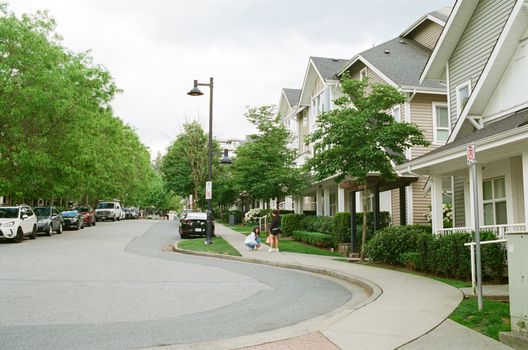
Charming Vancouver street with families enjoying a day outdoors among lined trees and houses. Urban community scene. Photo: Kobe - / Pexels
Based on extensive research and analysis of key family-centric metrics, several cities and towns across the US consistently emerge as top contenders for families. These locations stand out due to their exceptional performance in areas such as education, safety, affordability, and quality of life indicators. While specific rankings may vary slightly depending on the source and criteria, a few regions frequently appear on 'best of' lists for families. One prominent example is cities within the states of Massachusetts and New Jersey, particularly their suburban enclaves. Towns like Newton, Massachusetts, or Westfield, New Jersey, are renowned for their top-tier public school systems, often ranking among the best nationally. These areas typically boast low crime rates, beautiful tree-lined streets, and a strong sense of community. While housing costs can be higher in these regions, the investment often translates into exceptional educational opportunities and a secure environment. They also tend to have robust local economies, providing good job prospects for parents, and are within a reasonable commute to major employment hubs. The cultural amenities and historical significance of these areas add another layer of appeal, offering rich experiences for families. Midwestern cities like Carmel, Indiana, and Naperville, Illinois, also frequently receive high marks. Carmel, for instance, is celebrated for its excellent schools, expansive park system, and a thriving arts and culture scene. Its commitment to infrastructure development, including extensive bike paths and a vibrant city center, enhances its appeal. Naperville similarly offers highly-rated schools, a picturesque downtown, and a strong community focus, with numerous family-friendly events throughout the year. These cities often provide a more accessible cost of living compared to coastal regions, allowing families to enjoy a high quality of life without extreme financial burden. The sense of community in these Midwestern towns is often very strong, with active parent-teacher associations, youth sports leagues, and local festivals that bring residents together. In the West, cities like Boise, Idaho, and cities within the greater Seattle area (outside of the immediate urban core, such as Bellevue or Redmond, Washington) are gaining recognition. Boise offers a unique blend of outdoor recreation, a growing tech industry, and a relatively affordable cost of living. Its access to mountains, rivers, and a vibrant downtown makes it attractive for active families. The Seattle suburbs, while more expensive, provide unparalleled access to nature, strong job markets in tech, and highly-regarded school districts. These areas appeal to families seeking a balance between career opportunities and an active, outdoors-oriented lifestyle. The innovation and forward-thinking nature of these regions also mean access to modern amenities and progressive community initiatives. Each of these locations offers a compelling package for families, demonstrating that the best place often depends on a careful alignment with individual family values and priorities.

Key Factors for Evaluating Family-Friendly Communities

A family enjoys a walk with their pet dog on a sunny day, surrounded by lush greenery in a suburban neighborhood. Photo: PNW Production / Pexels
When evaluating potential family-friendly communities, a holistic approach is essential, looking beyond just surface-level appeal. Several key factors, when considered together, paint a comprehensive picture of a location's suitability for raising children. Understanding these nuances will help you make an informed decision for your family's future. One critical factor is the quality of the public school system. This goes beyond simple state rankings. Investigate specific school ratings, student-teacher ratios, graduation rates, and the availability of advanced placement courses or specialized programs. Look into parental involvement, extracurricular activities, and the overall educational philosophy of the district. Many online platforms provide detailed school reports and parent reviews that can offer valuable insights. Consider visiting schools during operational hours to observe the environment firsthand. Another significant consideration is the local job market and economic stability. A strong local economy translates to better job opportunities for parents, higher wages, and a more stable tax base to support public services like schools and parks. Research unemployment rates, major industries, and future growth projections for the area. Proximity to diverse employment sectors can provide career flexibility and resilience. Understanding the average household income relative to the cost of living will give you a clearer picture of financial sustainability. For families considering a move for career advancement, this is an indispensable factor. Learn more about navigating job markets in our guide to real estate and career growth. Healthcare access and quality are also paramount. Families need reliable access to pediatricians, specialists, and well-regarded hospitals. Research the quality of local healthcare providers, wait times for appointments, and the availability of emergency services. Proximity to major medical centers can be a significant advantage, especially for families with specific health needs. Community engagement and cultural opportunities enrich family life. Look for areas with active community centers, libraries with children's programs, museums, theaters, and local festivals. These opportunities provide avenues for learning, entertainment, and social connection. A vibrant community often signifies a strong support system for families and a diverse range of activities for children of all ages. Finally, transportation infrastructure and walkability are increasingly important. Access to public transit, well-maintained sidewalks, bike paths, and reasonable commute times can significantly impact daily life. A walkable community reduces reliance on cars, promotes healthier lifestyles, and fosters a sense of neighborhood connection. Consider the average commute time for potential job locations and the ease of accessing essential services without a vehicle. Each of these factors contributes to the overall quality of life and should be thoroughly researched before making a final decision.

Avoiding Common Pitfalls When Choosing a Family Home

A joyful family gathered around a table reviewing a home blueprint together. Photo: Kampus Production / Pexels
Selecting the right family home in the best place to live in the US for families is a monumental decision, and it’s easy to overlook crucial details. Being aware of common pitfalls can save families significant stress, time, and money in the long run. One frequent mistake is prioritizing aesthetics over practicality. A beautiful house might catch your eye, but if it's in a less-than-ideal school district, has a lengthy commute, or lacks essential family amenities nearby, its appeal can quickly fade. Always remember that the neighborhood and community often outweigh the features of the house itself. Focus on the 'big picture' first, and then narrow down house specifics. Another pitfall is relying solely on online data without on-the-ground verification. While websites provide valuable statistics on crime rates, school performance, and cost of living, they don't capture the intangible feel of a neighborhood. Visiting in person, talking to locals, and spending time in parks or local shops will give you a much more accurate sense of the community's vibe and suitability for your family. Ignoring future needs is also a common oversight. Families grow and change. A starter home might be perfect for a young couple with one child, but consider if it will still meet your needs when that child is a teenager, or if you plan to have more children. Think about future school transitions, space for hobbies, and potential aging-in-place considerations. Neglecting the financial implications beyond the mortgage is another significant error. Property taxes, homeowners' association (HOA) fees, insurance costs, utilities, and potential home maintenance expenses can add up quickly. A seemingly affordable mortgage can become a financial burden if these additional costs are not factored into your budget. Always get a clear estimate of all recurring homeownership expenses. Lastly, failing to consider the commute for all family members can lead to daily frustration. Think about proximity to workplaces, schools, and essential services like grocery stores and healthcare. A long or complicated commute can significantly reduce quality of life and family time. Utilize mapping tools to estimate commute times during peak hours to get a realistic picture. Here are some tips to avoid these pitfalls: * **Create a Non-Negotiables List:** Before you even start looking, list your absolute must-haves for schools, safety, and amenities. * **Visit at Different Times:** Experience the neighborhood during weekdays, weekends, day, and night to get a full sense of its character. * **Talk to Locals:** Engage with parents at parks, school events, or local cafes to gather authentic insights. * **Factor in All Costs:** Work with a financial advisor to understand the true cost of homeownership in your target areas. * **Think Long-Term:** Envision your family's life 5, 10, or even 15 years down the line in that location. * **Check Zoning Laws:** Understand local zoning for future development that might impact your property value or neighborhood character. By proactively addressing these potential challenges, families can make a more confident and informed decision, leading to a happier and more stable home environment.

Comparison

FeatureSuburban Gem (e.g., Naperville, IL)Mid-Sized City (e.g., Boise, ID)Coastal Town (e.g., Newton, MA)
School QualityExcellent, top-ratedVery Good, improvingExceptional, nationally recognized
Safety Index (Lower is better)Very Low (30-40)Low (40-50)Very Low (25-35)
Housing AffordabilityModerate to HighModerateVery High
Access to Green SpaceAbundant parks, trailsExcellent, outdoor recreationGood, well-maintained parks
Job Market StrengthStrong, diverse industriesGrowing tech/healthcareRobust, highly competitive
Cost of Living (excl. housing)AverageBelow AverageAbove Average
Public TransportationLimited, car-dependentDeveloping, some optionsGood, commuter rail/bus
Community EngagementVery High, active eventsHigh, community focusHigh, civic participation

What Readers Say

"Moving to Naperville was the best decision for our family. The schools are phenomenal, and my kids love the parks and library programs. It truly feels like a safe, welcoming community where children can thrive."

Sarah T. · Naperville, IL

"Boise offers an incredible balance. We have access to amazing outdoor activities, a growing job market, and the cost of living is manageable compared to other cities. Our kids are outdoors all the time, and we feel very secure here."

David M. · Boise, ID

"The educational opportunities in Westfield are unparalleled. Both our children are excelling, and the sense of community here is strong. We've found lifelong friends and a supportive environment for our family."

Emily R. · Westfield, NJ

"Carmel has fantastic amenities and a beautiful city center. While the property taxes are a bit higher than we initially expected, the quality of schools and the overall family-friendly environment make it worthwhile for us."

Mark S. · Carmel, IN

"We relocated for a tech job, and Bellevue has exceeded our expectations for family life. The schools are excellent, there's a strong emphasis on outdoor activities, and we appreciate the diverse community. It's an investment, but one that pays off in quality of life."

Jessica L. · Bellevue, WA

Frequently Asked Questions

What are the most critical factors for families when choosing a place to live in the US?

The most critical factors for families typically include the quality of the local school system, overall safety and low crime rates, affordability (housing and cost of living), and access to family-friendly amenities such as parks, recreational facilities, and community events. These elements collectively contribute to a supportive and enriching environment for raising children.

Is it possible to find affordable family-friendly cities in expensive states?

Yes, it is possible, though it often requires looking at suburbs or smaller towns outside the immediate major metropolitan areas. While the state itself might have a high cost of living, specific communities within it might offer better housing values and a more manageable cost of living while still providing access to good schools and amenities. Researching specific neighborhoods is key.

How can I research school quality beyond basic ratings?

To research school quality beyond basic ratings, look for detailed school reports that include student-teacher ratios, graduation rates, college readiness scores, and the availability of advanced programs or special education services. Visit school websites, read parent reviews on platforms like GreatSchools.org or Niche.com, and if possible, speak with local parents or school administrators to get a deeper understanding.

What's the average budget needed for a family-friendly home in a top US city?

The average budget for a family-friendly home in a top US city varies wildly, from approximately $300,000 in more affordable Midwestern cities to well over $1,000,000 in competitive coastal markets. It's crucial to consider not just the home price, but also property taxes, insurance, and the overall cost of living in that specific area to determine true affordability for your family's budget.

How do suburbs compare to urban centers for raising families?

Suburbs generally offer more space, larger homes, lower crime rates, and often better-rated public schools compared to urban centers, making them attractive for families. Urban centers, however, provide greater cultural diversity, more job opportunities, and better access to public transportation and amenities. The choice depends on a family's priorities regarding space, commute, and lifestyle.

Who should prioritize moving to a top family-friendly city?

Families who prioritize their children's education, safety, and access to a nurturing community should strongly consider moving to a top family-friendly city. This is particularly true for those looking for strong public school systems, abundant recreational opportunities, and a supportive environment for child development and family connection.

Are there any safety concerns to consider when moving to a new family-friendly area?

Even in family-friendly areas, it's essential to research specific neighborhood crime statistics, understand local emergency services, and observe traffic patterns, especially near schools and parks. Look for well-lit streets, active neighborhood watch programs, and community engagement initiatives that contribute to overall safety. Always visit the area at different times of day.

What future trends might impact the best places to live for families?

Future trends that might impact the best places to live for families include the increasing importance of remote work flexibility, which could shift population from expensive urban centers to more affordable, amenity-rich suburbs or smaller cities. Climate change resilience, access to green technology, and the growth of sustainable communities will also become increasingly significant factors for families considering long-term residency.

Finding the best place to live in the US for families is a journey that intertwines dreams with practical realities. Utilize this guide to empower your search, ensuring your family finds a community where they can truly thrive. Start planning your family's future today.

Topics: best places to live in US for familiesfamily-friendly cities USAtop family communitiesaffordable family homesraising children in US
Leo List
Brampton weed
Adultwork