Uncover your ideal North Carolina home, whether you seek mountain tranquility, urban excitement, or coastal charm.
Find Your NC Dream Home
Unveiling North Carolina's Diverse Regions: Mountains, Piedmont, and Coast
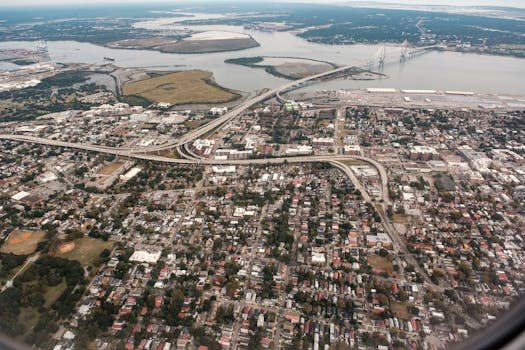 Photo: John Hill / Pexels
North Carolina, often referred to as the 'Tar Heel State,' is a land of incredible geographical diversity, offering a lifestyle to suit almost any preference. From the majestic peaks of the Appalachian Mountains in the west to the sandy shores of the Atlantic Ocean in the east, and the bustling urban centers of the Piedmont in between, the state presents a rich tapestry of environments. Understanding these distinct regions is the first step in identifying the best places to live in North Carolina for your unique needs and desires. The Western mountain region, encompassing areas like Asheville, Boone, and Hendersonville, is a haven for nature lovers and outdoor enthusiasts. Here, life moves at a slightly slower pace, dominated by stunning vistas, crisp mountain air, and a strong sense of community. The economy in these areas often revolves around tourism, craft industries, and healthcare, with a growing number of remote workers drawn to the quality of life. Housing options range from charming cabins to modern homes, often nestled in picturesque settings. Residents enjoy hiking, skiing, whitewater rafting, and exploring vibrant arts scenes, particularly in Asheville. The cost of living here can be moderate to high, especially in popular tourist destinations, but the natural beauty and lifestyle are often considered priceless.
Moving eastward, we enter the Piedmont region, the heart of North Carolina's economic and population centers. This expansive area includes the state's largest metropolitan hubs: the Research Triangle Park (Raleigh, Durham, Chapel Hill), the Triad (Greensboro, Winston-Salem, High Point), and the Charlotte metropolitan area. The Piedmont is characterized by rolling hills, a moderate climate, and a robust, diversified economy. The Research Triangle is a global leader in technology, biotech, and education, fueled by its proximity to world-renowned universities like Duke, UNC-Chapel Hill, and NC State. This area offers a dynamic, fast-paced lifestyle with abundant job opportunities, cultural attractions, and diverse culinary scenes. Housing markets here are competitive, reflecting the high demand, but offer a wide array of choices from urban condos to suburban family homes. Charlotte, the state's largest city, is a major financial hub, offering a bustling urban experience with a strong job market, professional sports, and a vibrant nightlife. The Triad cities provide a slightly more laid-back urban feel, with a strong manufacturing heritage and growing healthcare and education sectors. The Piedmont is ideal for those seeking career growth, diverse communities, and access to top-tier amenities.
Understanding the real estate market in these high-demand areas is crucial for prospective residents.
Finally, the Eastern Coastal Plain and Outer Banks offer a completely different experience. This region is defined by its proximity to the Atlantic Ocean, featuring miles of pristine beaches, historic towns, and a laid-back, maritime culture. Cities like Wilmington, Jacksonville, and Greenville provide a blend of coastal living with growing urban amenities. The Outer Banks, a string of barrier islands, is famous for its natural beauty, wild horses, and relaxed atmosphere, attracting tourists and residents seeking a tranquil escape. The economy here is heavily influenced by tourism, fishing, and military installations (especially around Jacksonville and Fayetteville). Housing can range from quaint beach cottages to large waterfront properties. While job opportunities might be more specialized, the quality of life, access to water sports, and slower pace are significant draws. However, residents must be mindful of hurricane season and flood risks. Each region offers a distinct North Carolina experience, and your personal preferences for climate, community, job prospects, and lifestyle will guide you toward your perfect destination within this wonderfully diverse state. From the hiking trails of the mountains to the bustling city streets of the Piedmont and the serene beaches of the coast, North Carolina truly has something for everyone.
Deep Dive into North Carolina's Top Cities and Towns for Relocation
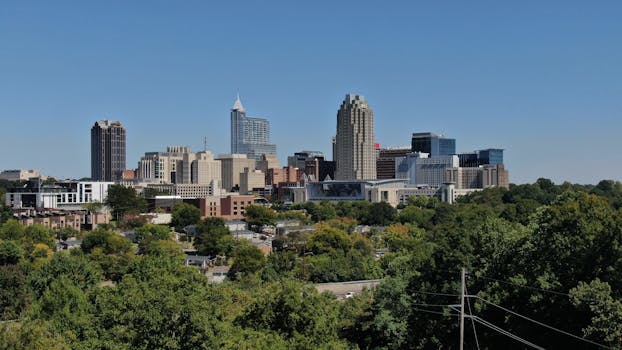 Photo: Curtis Adams / Pexels
When considering the best places to live in North Carolina, several cities consistently rise to the top for their unique blend of amenities, job opportunities, and quality of life. Each offers a distinct flavor, catering to different demographics and preferences. Let's explore some of the most prominent contenders.
**Raleigh:** As the state capital and a cornerstone of the Research Triangle, Raleigh is a powerhouse of economic growth, particularly in technology, healthcare, and education. It consistently ranks high for its job market, affordability (relative to other tech hubs), and family-friendly environment. The city boasts excellent public schools, numerous parks, and a vibrant downtown with a growing food scene and cultural attractions like the North Carolina Museum of Art. Its proximity to NC State University infuses the city with a youthful energy and intellectual curiosity. Housing options are diverse, from historic bungalows to modern suburban developments, though the market is competitive. Raleigh is ideal for young professionals, families, and those seeking a dynamic urban environment with a strong sense of community. The average home price has seen steady increases, reflecting its popularity, but still offers good value compared to national averages.
**Charlotte:** The largest city in North Carolina, Charlotte is a major financial center, often referred to as 'Banktown.' Beyond finance, it has a diversified economy with growing sectors in energy, healthcare, and logistics. Charlotte offers a cosmopolitan urban experience with professional sports teams (NFL Panthers, NBA Hornets), a thriving arts and culture scene, and an abundance of dining and entertainment options. Its Uptown district is a bustling hub of activity, while surrounding neighborhoods offer a more suburban feel with strong community ties. The city's light rail system provides convenient transportation. Charlotte is perfect for those seeking a fast-paced, big-city lifestyle with ample career opportunities. While housing prices are higher than some other NC cities, they remain relatively affordable for a major metro area, especially when considering the robust job market. The city also offers a wide range of outdoor activities, including nearby Lake Norman.
**Asheville:** Nestled in the Blue Ridge Mountains, Asheville is renowned for its bohemian charm, vibrant arts scene, and stunning natural beauty. It's a haven for artists, musicians, and outdoor enthusiasts. The city's downtown is famous for its Art Deco architecture, independent boutiques, farm-to-table restaurants, and numerous craft breweries. The Biltmore Estate, America's largest private home, is a major attraction. Asheville offers unparalleled access to hiking, biking, and exploring the Appalachian Trail and Blue Ridge Parkway. The job market is more niche, leaning towards tourism, healthcare, and small businesses, but its unique lifestyle draws many. Housing can be pricey, especially for homes with mountain views, but the quality of life is exceptional for those who prioritize nature, culture, and a laid-back vibe. It's an excellent choice for retirees, creatives, and anyone seeking a strong connection to the outdoors.
**Wilmington:** Located on the southeastern coast, Wilmington offers a charming historic downtown, beautiful beaches (Carolina Beach, Kure Beach, Wrightsville Beach), and a growing film industry. It provides a relaxed coastal lifestyle with a vibrant cultural scene, including live music venues, art galleries, and a thriving culinary landscape. The Cape Fear River runs through the city, offering opportunities for boating and water sports. Wilmington is popular with retirees, families, and anyone who dreams of living near the ocean. The job market is supported by tourism, healthcare, and film production. Housing costs are moderate, especially compared to other coastal areas, making it an attractive option for those seeking an affordable beach town. Its historic district, with brick-lined streets and antebellum architecture, adds to its unique appeal. The city also boasts the University of North Carolina Wilmington, contributing to a youthful energy and educational opportunities.
**Chapel Hill/Durham (The Research Triangle):** While often discussed together as part of the Research Triangle, Chapel Hill and Durham each possess distinct personalities. Chapel Hill, home to the University of North Carolina at Chapel Hill, is known for its picturesque campus, progressive atmosphere, and excellent public schools. It's often considered a more affluent and family-friendly community with a strong emphasis on education and intellectual pursuits. Durham, once an industrial tobacco town, has transformed into a dynamic urban center with a thriving arts scene, innovative tech startups, and a diverse culinary landscape, anchored by Duke University and the American Tobacco Campus. Both cities offer exceptional healthcare facilities and a high quality of life, though housing costs can be on the higher side due to demand. They are ideal for academics, medical professionals, tech innovators, and families seeking top-tier education and a stimulating environment.
Choosing among these top contenders depends entirely on your personal priorities. From the bustling financial districts of Charlotte to the artistic mountain retreat of Asheville, and the innovative hubs of the Triangle to the serene beaches of Wilmington, North Carolina truly has a place for everyone.
Cost of Living and Economic Landscape Across North Carolina
 Photo: andres Nino / Pexels
Understanding the cost of living and the economic landscape is paramount when evaluating the best places to live in North Carolina. While the state generally boasts a cost of living below the national average, this can vary significantly from one region to another, influenced by factors like housing demand, local economies, and amenities. Housing is typically the largest component of living expenses, and North Carolina offers a wide spectrum of options and price points. In the major metropolitan areas of the Piedmont, such as Raleigh, Charlotte, and Durham, housing costs tend to be higher due to strong job markets and high demand. For instance, a median home price in Raleigh or Charlotte might be in the mid-$400s, while a similar property in a smaller town in the western or eastern parts of the state could be significantly less. Rental markets in these urban centers are also competitive, reflecting the influx of new residents and job seekers. Property taxes are another consideration, which vary by county and municipality, generally being lower than many Northeastern or West Coast states, but still a significant factor in overall affordability.
Beyond housing, other costs like utilities, transportation, groceries, and healthcare also contribute to the overall cost of living. Groceries and utilities in North Carolina are generally on par with or slightly below the national average. Transportation costs depend heavily on your chosen location; while major cities like Charlotte and Raleigh have some public transit options, a car is often necessary for navigating most of the state. Gas prices tend to follow national trends but can be slightly lower than the national average. Healthcare costs are generally competitive, with access to world-class medical facilities, particularly in the Triangle area with institutions like Duke Health and UNC Health. Education costs, especially for in-state tuition at the state's public universities, are a major draw for families considering relocation, offering excellent value compared to private institutions or out-of-state options.
The economic landscape of North Carolina is robust and diverse, providing a strong foundation for job seekers and businesses alike. The state has consistently been recognized for its business-friendly environment and job growth. The **Research Triangle Park** (RTP) remains a global leader in innovation, attracting major companies in biotechnology, pharmaceuticals, information technology, and advanced manufacturing. This area is a magnet for high-paying jobs and skilled professionals. Charlotte, as a major financial hub, offers extensive opportunities in banking, finance, insurance, and professional services. It also has a growing presence in the energy sector. The Piedmont Triad (Greensboro, Winston-Salem, High Point) has a strong manufacturing base, particularly in aerospace and automotive, alongside growing healthcare and education sectors. Western North Carolina, centered around Asheville, thrives on tourism, healthcare, and craft industries. Eastern North Carolina's economy is supported by agriculture, military bases, and tourism, particularly along the coast.
North Carolina's diverse economic sectors provide a resilient job market. The state has invested heavily in workforce development and higher education, ensuring a skilled labor pool. This economic vitality contributes to a generally optimistic outlook for residents, balancing the cost of living with ample opportunities for career growth and improved quality of life. For those looking to
invest in real estate, the growing economy and population influx suggest a stable and appreciating market in many areas. However, it's always wise to conduct thorough research into specific local economies and job markets that align with your professional background and financial goals.
Making Your Move: Tips for a Smooth Relocation to North Carolina
 Photo: Ivan S / Pexels
Relocating to a new state can be an exciting yet daunting prospect. To ensure your move to one of the best places to live in North Carolina is as smooth as possible, consider these practical tips and avoid common pitfalls. First and foremost, a detailed budget is essential. Beyond the initial moving expenses, factor in potential differences in state income taxes, sales taxes, and property taxes. While North Carolina's overall tax burden is generally favorable, specific local taxes can vary. Research these thoroughly for your target city or town. Don't forget to account for the cost of setting up new utilities, transferring licenses, and potentially new insurance policies for your car and home. Understanding the financial implications upfront can prevent unwelcome surprises.
Secondly, thoroughly research the job market in your chosen area before you move, unless you already have employment secured or work remotely. While North Carolina has a robust economy, certain sectors are concentrated in specific regions. For example, tech jobs are plentiful in the Research Triangle, while finance dominates Charlotte. Networking online through LinkedIn and local industry groups can provide valuable insights and connections. If you're moving with family, school districts are often a top priority. North Carolina has many highly-rated public and private schools, but quality can vary significantly by district. Websites like GreatSchools.org or Niche.com can offer valuable data and reviews to help you make an informed decision.
Another crucial tip is to visit your top candidate cities multiple times, if possible, at different times of the year. A summer visit might highlight beach access, but a winter visit will reveal how the community feels when tourism slows down. Experience the traffic during rush hour, explore local grocery stores, and participate in community events. This firsthand experience is invaluable for truly understanding the daily rhythm of a place. Many people also underestimate the time and effort involved in transferring professional licenses or certifications. Start this process early, as requirements can differ from state to state. Finally, connect with local community groups, social clubs, or online forums. Building a support network before or shortly after your move can significantly ease the transition and help you feel at home faster. Don't be afraid to ask questions; current residents are often happy to share their experiences and recommendations. Embracing a proactive approach to your relocation will set you up for success in your new North Carolina home.
**Common Mistakes to Avoid:**
* **Underestimating Traffic:** While not as congested as some mega-cities, traffic in Raleigh, Charlotte, and Durham can be significant during peak hours. Factor commute times into your daily planning.
* **Ignoring Climate Differences:** North Carolina experiences all four seasons. While winters are generally mild, summers can be hot and humid, especially in the Piedmont and coastal regions. Mountain areas have cooler summers and colder, snowier winters.
* **Not Budgeting for Property Taxes:** While lower than some states, property taxes are an annual expense that varies by county. Research the specific rates for your potential new home.
* **Skipping the Pre-Move Visit:** Relying solely on online research can be misleading. An in-person visit allows you to gauge the true vibe of a neighborhood and identify any unexpected pros or cons.
* **Neglecting Insurance Needs:** Flood insurance may be crucial for coastal properties, and homeowners insurance requirements can differ. Consult with local agents to ensure adequate coverage.
