Uncovering the Best Glory Hole Locations in Your City
Best Glory Hole Locations in Your City

Uncovering the Best Glory Hole Locations in Your City

Unlock unparalleled real estate potential by identifying overlooked areas poised for significant growth and value appreciation.

Explore Opportunities

Key Takeaways

  • ✓ Identifying 'glory hole' locations in real estate refers to finding undervalued properties with high growth potential.
  • ✓ These areas often precede major urban revitalization or infrastructure projects.
  • ✓ Early identification can lead to significant capital appreciation for investors.
  • ✓ Thorough due diligence and local market knowledge are crucial for success.

How It Works

1
Define Your Investment Goals

Clearly outline what you aim to achieve, whether it's long-term appreciation, rental income, or quick flips. Your goals will shape your search criteria.

2
Research Emerging Trends

Look for patterns in population shifts, business relocations, and municipal development plans. These are strong indicators of future growth.

3
Analyze Local Infrastructure

Investigate planned or ongoing improvements in transportation, utilities, and public amenities. New infrastructure often sparks property value increases.

4
Network with Local Experts

Connect with real estate agents, urban planners, and community leaders who possess invaluable insider knowledge about your city's potential 'glory hole' locations.

Understanding the Concept of Real Estate 'Glory Holes'
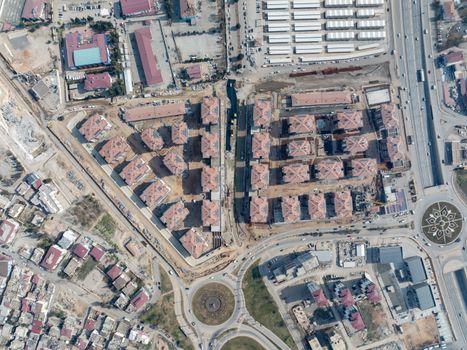
Aerial view showing the new urban development in Kahramanmaraş, Türkiye. Photo: Ömer Furkan Yakar / Pexels
In the dynamic world of real estate, the term 'glory hole' isn't about what you might initially think. Instead, it refers to those unique, often overlooked, and significantly undervalued areas within a city that possess immense hidden potential for future growth and appreciation. These aren't your typical high-profile, already-booming neighborhoods. On the contrary, 'glory holes' are usually on the cusp of revitalization, just outside the current hot zones, or perhaps in areas slated for major infrastructure development. Identifying these locations requires a keen eye for detail, a deep understanding of urban planning, and a forward-thinking investment strategy. It's about seeing beyond the present state of a property or neighborhood and envisioning its future trajectory. For the savvy investor, discovering these areas can be akin to striking gold, offering the potential for substantial returns on investment that far outpace the general market. This strategy is particularly appealing in competitive markets where established areas command premium prices, making entry difficult for many investors. By focusing on 'glory holes,' investors can acquire assets at a lower cost basis, positioning themselves to reap significant rewards as the area develops. The key lies in predicting where the next wave of urban development, demographic shifts, or economic expansion will occur. This involves analyzing a complex array of factors, from zoning changes and public transportation expansions to demographic shifts and the influx of new businesses. A crucial aspect of this process is understanding the ripple effect – how development in one area can positively impact adjacent, less developed neighborhoods. For instance, a new corporate campus opening in a bustling district might lead to increased demand for affordable housing in nearby, previously ignored communities. These communities, the 'glory holes,' then become prime targets for investment. The challenge, and indeed the art, of identifying these spots lies in separating genuine potential from mere speculation. It requires robust data analysis, on-the-ground investigation, and a healthy dose of intuition. Investors must be prepared to delve into municipal records, attend community meetings, and observe local trends firsthand. Furthermore, patience is often a virtue when investing in 'glory holes.' While some may appreciate rapidly, others might take several years to reach their full potential. The payoff, however, can be transformative, turning a modest initial investment into a significant asset. This approach is not without its risks, but with careful research and strategic planning, the rewards can be extraordinary. Understanding these nuances is the first step toward successfully navigating the landscape of real estate 'glory holes' and leveraging them for significant financial gain. Explore more real estate investment strategies to diversify your portfolio.

Key Indicators for Identifying Promising 'Glory Hole' Locations

Pinpointing the best 'glory hole' locations in your city isn't a matter of luck; it's a methodical process driven by specific indicators. One of the primary signs to look for is planned or ongoing infrastructure projects. This includes new subway lines, expanded bus routes, highway improvements, or even significant public park developments. These projects often act as catalysts, drawing new residents and businesses to areas that were previously less accessible or desirable. For example, a neighborhood that gains a new transit station can see property values jump as commuting becomes easier and more efficient. Another critical indicator is demographic shifts. Are young professionals, artists, or specific ethnic groups starting to move into a particular area? These populations often bring new businesses, cultural institutions, and a demand for housing that can quickly transform a neighborhood. Monitoring school district ratings and crime statistics can also provide valuable insights; areas showing improvements in these metrics are often on an upward trajectory. Furthermore, keep an eye on zoning changes and urban planning initiatives. City councils frequently designate certain areas for revitalization, mixed-use development, or increased density. These policy changes are powerful signals that the city itself is investing in and promoting growth in these specific zones. Access to public data, such as city development plans, economic reports, and census information, can be incredibly useful in this regard. The presence of 'anchor' institutions can also be a strong predictor. A new university campus, a major hospital expansion, or a large corporate headquarters can generate thousands of jobs and create a sustained demand for housing and commercial spaces in its vicinity. Even smaller signs, like the opening of independent coffee shops, craft breweries, or art galleries in a formerly industrial or neglected area, can indicate the beginning of gentrification and revitalization. These businesses often precede larger investments and signal a shift in the neighborhood's character and appeal. It’s also crucial to observe property transaction volumes and pricing trends in these areas. While individual sales might still be low, an increasing number of transactions or a gradual but consistent rise in average sales prices can be an early indicator of growing interest and demand. Don't just look at the current market value; analyze how quickly properties are selling and whether there's an increasing competitive bidding. Finally, consult with local real estate agents, community organizers, and long-term residents. They often possess invaluable anecdotal evidence and insider knowledge that isn't readily available in public records. Their insights can help confirm or challenge your initial hypotheses about a 'glory hole' location's potential. Combining these quantitative and qualitative data points will give you a comprehensive picture and help you make informed investment decisions.

Our partners at joyclubde.com offer related services.

Strategies for Capitalizing on Real Estate 'Glory Holes'

Once you've successfully identified potential 'glory hole' locations, the next step is to develop effective strategies for capitalizing on these opportunities. One of the most common and effective approaches is acquiring undervalued properties for renovation and resale. This involves purchasing properties that are in disrepair or outdated, investing in strategic improvements, and then selling them for a significantly higher price as the neighborhood appreciates. The key here is to understand local market preferences for renovations – what features and finishes are most desired by potential buyers in an emerging area? Over-improving a property can lead to diminishing returns, so a balanced approach is essential. Another powerful strategy is long-term buy-and-hold for rental income and appreciation. In developing 'glory hole' areas, rental demand often increases steadily as new residents and businesses move in. By purchasing properties and holding them as rental units, investors can generate consistent passive income while simultaneously benefiting from the area's increasing property values over time. This strategy requires patience and a willingness to manage properties, but it can lead to substantial wealth creation. Consider investing in multi-family properties, as they can provide multiple income streams and often have better economies of scale for management. Furthermore, exploring commercial real estate opportunities within these emerging areas can be highly lucrative. As a neighborhood revitalizes, there will be an increased demand for retail spaces, office buildings, and service providers. Investing in commercial properties, or even land suitable for commercial development, can yield significant returns, especially if you can secure long-term leases with growing businesses. Learn more about commercial property investment. Collaboration is also a vital strategy. Partnering with other investors, developers, or even community organizations can pool resources, expertise, and mitigate risks. Joint ventures can enable you to take on larger projects or multiple properties that might be out of reach individually. This can be particularly beneficial in areas undergoing significant redevelopment, where large-scale projects often require substantial capital and diverse skill sets. Don't overlook the potential for land banking. In rapidly developing 'glory hole' locations, acquiring vacant land and holding it until its value appreciates significantly can be a low-maintenance, high-reward strategy. As the surrounding area develops, the demand for buildable land will increase, driving up its price. This approach requires a strong understanding of future zoning and development plans to ensure the land is indeed suitable for future projects. Finally, always conduct thorough due diligence. This includes property inspections, title searches, and financial analysis. Understand the local regulations, taxes, and potential environmental concerns. While 'glory holes' offer great potential, they also come with inherent risks, and meticulous research can help mitigate them. By employing these diverse strategies, investors can effectively capitalize on the unique opportunities presented by real estate 'glory holes' and build a robust, high-performing portfolio.

Common Mistakes to Avoid When Investing in Emerging Areas

While the allure of high returns from 'glory hole' real estate investments is strong, several common pitfalls can derail even the most promising ventures. Avoiding these mistakes is crucial for success. **1. Lack of Thorough Due Diligence:** The most significant error is failing to conduct comprehensive research. This includes not only property-specific inspections but also deep dives into local zoning laws, future development plans, demographic trends, and potential environmental hazards. Relying solely on a property's low price without understanding its underlying value and risks is a recipe for disaster. **2. Over-Reliance on Speculation:** While 'glory holes' are about future potential, basing investments solely on speculative hopes without concrete indicators of growth is risky. Look for tangible evidence such as approved municipal projects, new business commitments, or verifiable population shifts, rather than just rumors. **3. Ignoring Local Market Nuances:** Each city and even each neighborhood has its unique character and demands. What works in one emerging area might not work in another. Failing to understand the specific needs and preferences of the local community, including housing styles, amenities, and rental price points, can lead to properties that are difficult to sell or rent. **4. Underestimating Renovation Costs and Timelines:** Properties in 'glory hole' areas often require significant renovation. Underestimating the cost of materials, labor, and unexpected issues can quickly eat into profits. Always build in a contingency budget and realistic timelines for any renovation project. **5. Neglecting Infrastructure and Amenities:** Even if an area is developing, a lack of basic infrastructure (like reliable utilities, good roads) or essential amenities (grocery stores, schools, healthcare) can slow its growth and limit its appeal. Investors must consider these factors as much as property aesthetics. **6. Poor Networking and Local Engagement:** Isolating yourself from local real estate professionals, community leaders, and even long-term residents means missing out on invaluable insights. These connections can provide early warnings about potential problems or highlight unforeseen opportunities. **7. Impatience:** Real estate appreciation in emerging areas often takes time. Expecting quick flips in every 'glory hole' can lead to selling too early and missing out on significant long-term gains. A long-term perspective is often more rewarding. **8. Overleveraging:** While financing is a tool, taking on too much debt can be dangerous, especially in areas where appreciation might be slower or less predictable than anticipated. Maintain healthy debt-to-equity ratios to weather potential market fluctuations. By being aware of these common pitfalls and actively working to avoid them, investors can significantly increase their chances of successfully capitalizing on the promising opportunities presented by 'glory hole' real estate locations.

Comparison

FeatureBest Option (Emerging Glory Hole)Alternative 1 (Established Market)Alternative 2 (Rural Development)
Entry CostLow to MediumHighVery Low
Growth PotentialHighModerateVariable
Risk LevelMedium to HighLow to MediumHigh
Time to AppreciationMedium (3-7 years)Long (7+ years)Long (10+ years)
Required ResearchExtensiveModerateExtensive
Cash Flow Potential✓ (after development)✗ (often low)
Market Volatility

What Readers Say

"This guide completely changed how I look at real estate. I identified a 'glory hole' near a planned tech hub expansion and bought a duplex. It's already appreciated 20% in 18 months!"

Sarah J. · Austin, TX

"The insights on infrastructure projects were spot on. I invested in a commercial property in a developing district, and rental demand is through the roof. Excellent resource for finding the best glory hole locations in your city."

Mark D. · Atlanta, GA

"Following the advice on demographic shifts, I purchased a small apartment building in an up-and-coming arts district. My rental income has increased by 15% in the last year, and property value continues to climb."

Jessica L. · Denver, CO

"Very informative, though the 'glory hole' concept took a moment to grasp. Once understood, the strategies provided were genuinely helpful. Patience is definitely key, as my property is showing steady, not explosive, growth."

Robert K. · Charlotte, NC

"As a new investor, this guide demystified finding undervalued properties. The tips on avoiding common mistakes were particularly valuable, saving me from a few potential blunders. I'm actively researching my next 'glory hole' investment!"

Emily R. · Portland, OR

Frequently Asked Questions

What exactly does 'Best Glory Hole Locations in Your City' mean in real estate?

In real estate, 'glory hole locations' refer to specific areas within a city that are currently undervalued but possess significant, often hidden, potential for future growth and appreciation. These are not explicitly designated zones but rather emerging neighborhoods or properties that are poised for substantial development due to various catalysts, like new infrastructure or economic shifts.

Is investing in 'glory hole' locations risky?

All real estate investments carry some risk, and 'glory hole' locations, by their nature, involve a higher degree of speculation than established markets. However, with thorough research, due diligence, and a long-term perspective, the potential for high returns often outweighs the elevated risk. Understanding local market dynamics and development plans is crucial for mitigating these risks.

How do I start researching potential 'glory hole' areas?

Begin by analyzing city development plans, economic forecasts, and demographic data. Look for areas with planned infrastructure projects, new business investments, or an influx of specific population groups. Networking with local real estate professionals, urban planners, and community leaders can also provide invaluable insights and on-the-ground information.

What kind of returns can I expect from these investments?

Returns can vary widely depending on the specific location, the type of property, and the overall market conditions. However, successful 'glory hole' investments often yield significantly higher capital appreciation compared to properties in already established markets. Patience is key, as these areas typically take several years to fully mature and realize their potential.

How do 'glory hole' investments compare to traditional real estate investing?

'Glory hole' investing differs from traditional approaches by focusing on future potential rather than current market value. Traditional investing often targets stable, established markets with predictable, albeit lower, appreciation. 'Glory hole' investing requires more speculative foresight and tolerance for risk, but offers the opportunity for greater, more transformative returns.

Who should consider investing in 'glory hole' real estate locations?

Investors with a long-term vision, a willingness to conduct extensive research, and a moderate to high-risk tolerance are best suited for 'glory hole' real estate. It's ideal for those looking to maximize capital appreciation and who are not afraid to invest in areas that are not yet mainstream but show strong indicators of future growth.

What are the biggest dangers of investing in these emerging areas?

The biggest dangers include over-reliance on speculation without concrete data, underestimating renovation costs, ignoring critical local market nuances, and a lack of thorough due diligence. Unexpected delays in urban development, shifts in economic conditions, or unforeseen environmental issues can also negatively impact your investment.

What future trends might create new 'glory hole' opportunities?

Future trends like the expansion of remote work hubs, climate change migration, increased demand for sustainable and walkable communities, and the growth of specific tech or industry clusters will likely create new 'glory hole' opportunities. Areas positioned to benefit from these societal and economic shifts will become prime targets for forward-thinking investors.

Ready to uncover the Best Glory Hole Locations in Your City and transform your real estate portfolio? Start your in-depth research today and position yourself for significant financial growth. Don't just buy property; invest in the future of your city.

Topics: Best Glory Hole Locations in Your Cityreal estate investment opportunitiesproperty value enhancementhidden real estate gemsurban development hotspots
Leo List
Brampton weed
Adultwork