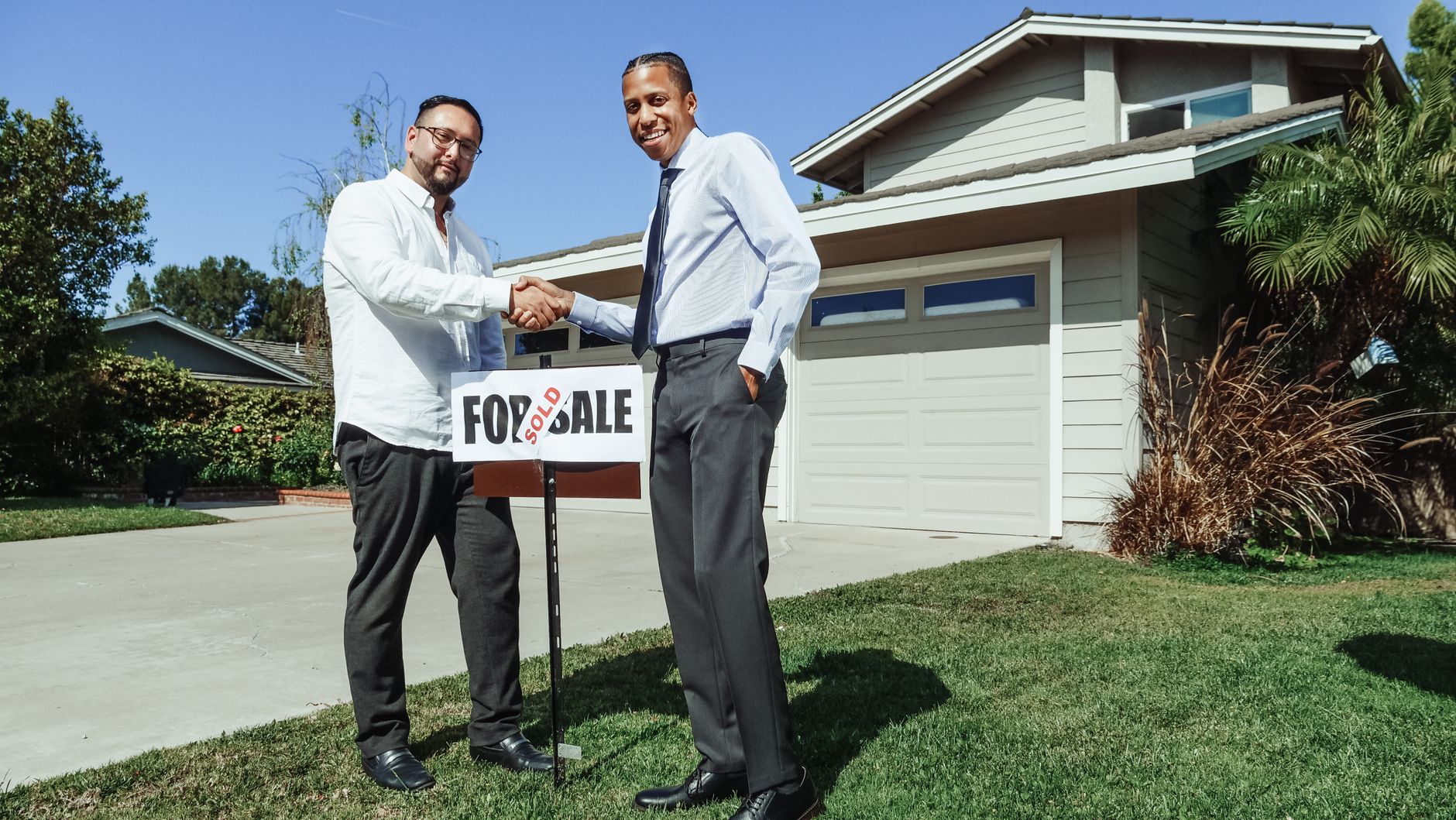
Unveiling the Average Real Estate Commission Rate: Your Guide
average real estate commission rate

Unveiling the Average Real Estate Commission Rate: Your Guide

Unlock the secrets of real estate commissions to make informed decisions when buying or selling your home.

Understand Commissions Now

Key Takeaways

  • ✓ The national average real estate commission rate in the US typically ranges from 5% to 6% of the home's sale price.
  • ✓ Commissions are usually split between the buyer's agent and the seller's agent.
  • ✓ The seller traditionally pays the entire commission out of the sale proceeds.
  • ✓ Commission rates are negotiable and not fixed by law.

How It Works

1
Seller Agrees to Commission

When listing their home, the seller signs an agreement with their agent, specifying the total commission rate. This rate is typically a percentage of the final sale price.

2
Commission Split Between Agents

The total commission is then divided between the seller's agent (listing agent) and the buyer's agent. This split is often 50/50, but can vary based on local market practices and agreement.

3
Payment at Closing

At the closing of the sale, the agreed-upon total commission is deducted from the sale proceeds. The funds are then disbursed to the respective brokerage firms.

4
Brokerage Pays Agents

Finally, the brokerage firms pay their affiliated agents their share of the commission, typically after deducting their own brokerage fees and any other agreed-upon splits.

Understanding the Average Real Estate Commission Rate in the US
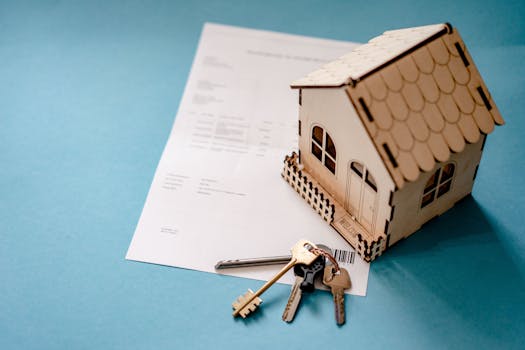
Miniature wooden house with keys and contract symbolizing real estate transactions. Photo: Atlantic Ambience / Pexels
When embarking on the journey of buying or selling a home, one of the most significant financial considerations is the real estate commission. For many, the phrase "average real estate commission rate" conjures up a fixed, unchangeable number, but the reality is far more nuanced. In the United States, the average real estate commission typically hovers between 5% and 6% of the home's final sale price. This isn't a static figure, however, and can vary based on a multitude of factors including geographic location, market conditions, the type of property, and the services provided by the agents involved. It's crucial to understand that this percentage isn't a single fee paid to one person; rather, it’s the total commission that is usually split between two parties: the seller’s agent (also known as the listing agent) and the buyer’s agent. Each of these agents then typically shares their portion with their respective brokerage firms, who in turn pay the agents based on their individual agreements. This multi-layered distribution system explains why the total percentage might seem high at first glance, but it accounts for the extensive work performed by both sides of the transaction. For example, if a home sells for $400,000 with a 5.5% commission rate, the total commission would be $22,000. This $22,000 would then be divided, often equally, between the listing and buyer's agents' brokerages. Each brokerage would receive $11,000, out of which they would compensate their agents. Understanding the distinct roles of real estate agents is key to appreciating the services these commissions cover. The seller's agent is responsible for marketing the property, conducting open houses, negotiating offers, and guiding the seller through the closing process. The buyer's agent, on the other hand, helps buyers find suitable properties, arranges showings, assists with offer preparation, and navigates inspections and appraisals. Both roles require significant expertise, time, and resources, all of which are factored into the commission structure. It's also important to note that commission rates are not set by law or any professional organization. They are fully negotiable between the seller and their listing agent. While an average exists, it serves as a benchmark rather than a mandate. Savvy sellers often explore different commission structures and negotiate with potential agents to find a rate that aligns with their needs and the services they expect. Understanding this flexibility is the first step toward making an informed decision about your real estate transaction.

Factors Influencing Real Estate Commission Rates

Close-up of a tablet displaying stock market analysis with colorful graphs. Photo: Burak The Weekender / Pexels
While the 5-6% range provides a general idea of the average real estate commission rate, several critical factors can cause these figures to fluctuate. Geographic location plays a significant role; commission rates can vary considerably from one state or even one city to another. High-demand, competitive markets might see slightly lower rates due to the faster turnover of properties, while slower markets or areas with unique property types might command higher rates to compensate agents for extended marketing efforts. The type of property being sold also impacts the commission. Luxury homes, for instance, might sometimes have a slightly lower percentage commission due to the higher sale price, meaning a lower percentage still yields a substantial dollar amount for the agent. Conversely, very low-priced homes might have a higher percentage or a flat fee to ensure the agent's time and effort are adequately compensated. The level of service provided by the real estate agent is another crucial determinant. Full-service agents offer comprehensive marketing, staging advice, professional photography, extensive negotiation, and hands-on guidance through every step of the process. Discount brokers, on the other hand, might offer reduced commissions in exchange for fewer services, such as limited marketing or the seller handling some aspects themselves. Sellers must weigh the cost savings against the potential for a less robust selling experience. Market conditions are also a powerful influencer. In a strong seller's market, where homes sell quickly and often above asking price, some agents might be more willing to negotiate a slightly lower commission percentage. Conversely, in a buyer's market, where properties sit longer and require more aggressive marketing, agents might be less inclined to reduce their rates. The agent's experience and reputation can also play a role. Highly experienced, top-producing agents might command their standard commission rates due to their proven track record and extensive network, while newer agents might be more open to negotiation to build their client base. Furthermore, the total commission is often split between the listing agent and the buyer's agent. The seller, through their listing agreement, effectively sets the commission offered to the buyer's agent. If this offered commission is too low, it could potentially deter buyer's agents from showing the property, impacting the visibility and saleability of the home. Therefore, while sellers aim to save on commission, they must also consider the incentives for buyer's agents. Understanding these variables empowers sellers to engage in more informed discussions with potential agents and negotiate a commission structure that makes sense for their specific situation and market.

Negotiating Real Estate Commissions: Strategies for Sellers and Buyers

Business meeting with a couple engaging with a consultant in a modern office setting. Photo: Pavel Danilyuk / Pexels
The notion that the average real estate commission rate is set in stone is a common misconception. In reality, commissions are fully negotiable, offering both sellers and, indirectly, buyers opportunities to optimize their financial outcomes. For sellers, approaching the negotiation process strategically can lead to significant savings. The first step is to interview multiple agents. Don't just settle for the first agent you meet. By speaking with several professionals, you can compare their proposed services, marketing plans, and, critically, their commission rates. Ask each agent to justify their proposed rate and be prepared to discuss what services are included. Some agents may be willing to offer a slightly lower percentage, especially if your home is in a desirable location, is easy to sell, or if you're also buying a new home through them (a practice known as a 'referral fee' or 'rebate' for the buyer, or a 'dual agency' for the agent, which has its own considerations). Another strategy is to consider a tiered commission structure. For example, you might agree to a lower commission if the house sells above a certain price or within a very short timeframe. This incentivizes the agent to work harder and faster. Alternatively, some sellers opt for a flat-fee service, particularly if they are comfortable handling some aspects of the sale themselves, such as showings or open houses. However, it’s crucial to weigh the potential savings against the reduced level of service and marketing exposure. For buyers, while they traditionally don't pay the commission directly, understanding the commission structure can still be beneficial. A buyer's agent's commission is typically paid out of the total commission agreed upon by the seller. In some competitive markets, or with certain brokerages, a buyer's agent might offer a commission rebate to their client, effectively returning a portion of their commission to the buyer at closing. This is not universally allowed or practiced, so buyers should inquire about its legality in their state and if their agent offers such a program. Staying informed about current real estate market trends can also give you leverage. In a strong seller's market, agents might be less flexible, whereas in a buyer's market, they might be more open to negotiation to secure a listing. Always get any agreed-upon commission rates and service details in writing before signing a listing agreement. This ensures transparency and protects both parties. Remember, the goal isn't just to get the lowest commission, but to find the best value – an agent who will effectively market your home and negotiate on your behalf while offering a fair rate for their expertise and services. A slightly higher commission might be worth it if it results in a faster sale at a higher price.

Common Mistakes to Avoid When Dealing with Real Estate Commissions

A woman examines documents, holding a pen over a table in a bright indoor setting. Photo: Ron Lach / Pexels
Navigating the complexities of real estate commissions can be daunting, and making informed decisions is paramount to a successful transaction. One of the most common mistakes sellers make is assuming the average real estate commission rate is non-negotiable. This misconception can lead to overpaying for services that could have been secured at a more competitive price. Always remember that commission rates are flexible and open for discussion. Don't be afraid to ask questions and propose alternative structures. A second frequent error is focusing solely on the commission percentage without considering the value proposition. A lower commission might seem appealing on paper, but if it comes with reduced marketing efforts, less experienced representation, or a slower sale process, it could ultimately cost you more in terms of lost equity or extended carrying costs. Evaluate the agent's entire service package, including their marketing strategy, local market expertise, negotiation skills, and communication style, before making a decision based purely on price. Another mistake is failing to understand the commission split. While the seller typically pays the total commission, that amount is divided between the listing agent and the buyer's agent. If the portion offered to the buyer's agent is significantly lower than the market average, it could potentially discourage buyer's agents from showing your property, thereby limiting your pool of potential buyers. Always discuss the proposed split with your listing agent and understand its implications. Sellers also sometimes neglect to get all commission agreements in writing. Verbal agreements, while seemingly convenient, can lead to misunderstandings and disputes down the line. Ensure that the total commission rate, the split between agents, and any specific services included are clearly detailed in your listing agreement before you sign. Finally, some sellers make the mistake of not interviewing multiple agents. Limiting yourself to just one agent means you miss out on comparing different approaches, personalities, and pricing structures. Interviewing several professionals allows you to gauge their expertise, assess their marketing plans, and negotiate the best possible terms for your specific situation. By avoiding these common pitfalls, both sellers and buyers can approach real estate commissions with greater confidence and ensure a more financially advantageous and smoother transaction.

Comparison

FeatureFull-Service AgentDiscount BrokerageFlat-Fee MLS Listing
Average Commission Rate5-6% (negotiable)1-4% (for listing side)Fixed fee ($300-$1000+)
Marketing & ExposureExtensive (professional photos, staging, broad online/offline reach)Moderate (MLS listing, some online presence)Basic (MLS listing only)
Negotiation & Paperwork✓ Full support & expertiseLimited support, often seller-led✗ Seller handles all
Time Commitment (Seller)MinimalModerateHigh

What Readers Say

"Understanding the average real estate commission rate was crucial for us. This article broke down the costs clearly, helping us negotiate a fair deal with our agent and save thousands on our home sale."

Sarah J. · Austin, TX

"I always thought commission rates were fixed. This guide showed me how to approach negotiations effectively, leading to a better outcome when we sold our property."

Mark T. · Denver, CO

"After reading this, I felt empowered to interview multiple agents and discuss their commission structures. We ended up with a fantastic agent and saved 0.5% on the total commission, which was over $2,500!"

Emily R. · Miami, FL

"The information on commission splits was particularly helpful. It made me realize why offering a competitive buyer's agent commission is important, even if it means a slightly higher overall rate."

David L. · Seattle, WA

"As a first-time home seller, the section on avoiding common mistakes was invaluable. It prevented me from making costly errors and helped me choose the right agent for my needs."

Jessica M. · Chicago, IL

Frequently Asked Questions

What is the average real estate commission rate in the US?

The average real estate commission rate in the US typically ranges from 5% to 6% of the home's final sale price. This rate is not fixed by law and is negotiable between the seller and their listing agent, varying based on location, property type, and services offered.

Who pays the real estate commission?

Traditionally, the seller pays the entire real estate commission out of the proceeds from the home sale. This total commission is then split between the seller's agent's brokerage and the buyer's agent's brokerage.

How can I negotiate a lower real estate commission?

To negotiate a lower commission, interview multiple agents, compare their services and rates, and be prepared to discuss your specific situation. Consider offering a tiered commission, or explore discount brokerages if you're comfortable with fewer services. Always get agreements in writing.

Is a higher commission always better for selling my home?

Not necessarily. While a higher commission might attract more motivated agents, the focus should be on value. A skilled agent with a fair commission rate who offers excellent marketing and negotiation can often achieve a better sale price and faster transaction than a cheaper, less effective agent.

What's the difference between a full-service agent and a discount broker?

A full-service agent provides comprehensive services including extensive marketing, staging advice, professional photography, open houses, and full negotiation support. A discount broker typically offers reduced commissions in exchange for fewer services, often requiring the seller to handle some tasks themselves, like showings or paperwork.

Should buyers be concerned about real estate commissions?

While buyers don't directly pay the commission, understanding it is beneficial. The commission offered to the buyer's agent can influence how many agents show your property. Some buyer's agents may also offer rebates, which can save the buyer money at closing if allowed in their state.

Are real estate commission rates regulated by law?

No, real estate commission rates are not regulated by law. They are fully negotiable between the seller and their chosen real estate agent. Any suggestion of fixed rates by agents or brokerages could be a violation of antitrust laws.

How might technology impact future real estate commission rates?

Technology is already influencing commission rates by enabling new business models like flat-fee MLS listings and online brokerages. In the future, increased transparency and automation could lead to more varied commission structures and potentially put downward pressure on average rates as consumers gain more options and control.

Armed with a clear understanding of the average real estate commission rate and how to navigate it, you are now ready to make smarter decisions. Don't let commission fears deter your real estate goals; empower yourself with knowledge and negotiate with confidence for your next home sale or purchase.

Topics: average real estate commission ratereal estate agent feesbroker commissionselling a home costsnegotiating real estate commission
Leo List
Brampton weed
Adultwork EstrelaBet Vai de Bet R7 Bet Betão Galera Bet Rainbet Bet9ja Shop SportyBet BetKing Sisal Loto Foot Hollywoodbets YesPlay Odibets RushBet Jugabet BetWarrior BetCity MSport betPawa Fortebet