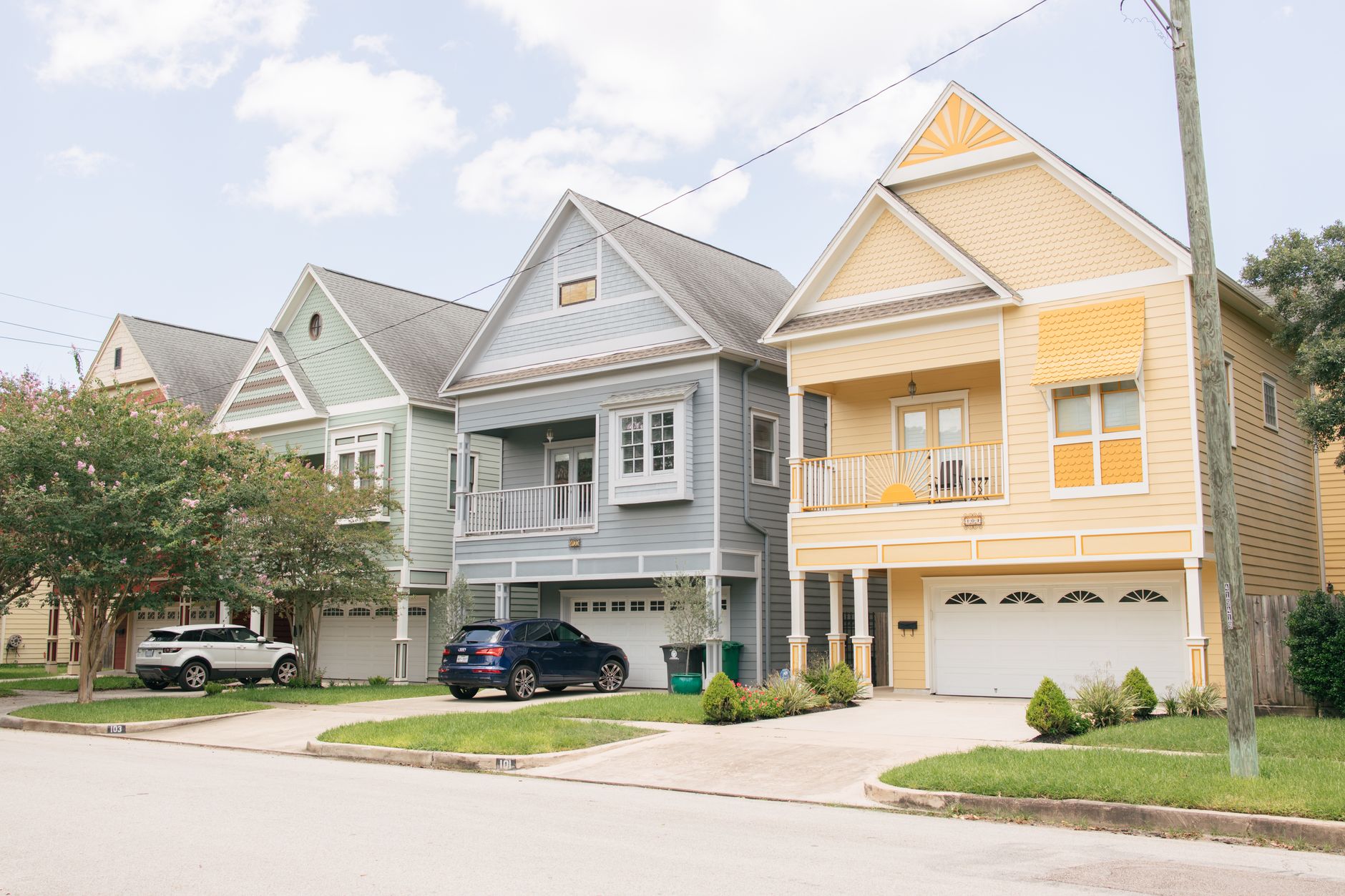
Understanding the Average House Price in Texas
average house price in texas

Understanding the Average House Price in Texas

Navigate the dynamic Texas real estate market with expert insights into home values and affordability.

Explore Texas Homes

Key Takeaways

  • ✓ The average house price in Texas is influenced by diverse regional economies and population growth.
  • ✓ Major metropolitan areas like Austin and Dallas-Fort Worth often see higher average prices than rural regions.
  • ✓ Interest rates, inventory levels, and migration patterns significantly impact Texas home values.
  • ✓ Texas offers a wide range of housing options, from affordable starter homes to luxury estates.

How It Works

1
Research Local Markets

Understand that 'average' is a statewide figure; local markets vary wildly. Dive into specific cities or counties to get a more accurate picture.

2
Analyze Key Influencers

Consider factors like job growth, population influx, and new construction. These elements directly affect supply and demand, thus influencing prices.

3
Consult Real Estate Professionals

Work with experienced local real estate agents who have up-to-the-minute data. They can provide insights into current market conditions and future projections.

4
Evaluate Your Budget & Goals

Align your financial capabilities with your housing needs and long-term investment goals. This will help you determine what 'average' means for your personal situation.

What Drives the Average House Price in Texas? A Deep Dive into Market Dynamics

Dynamic view of Austin skyline from a car, capturing skyscrapers and urban life. Photo: Thomas balabaud / Pexels
The average house price in Texas is not a static number but a dynamic reflection of a sprawling, diverse state with varying economic landscapes. Understanding the forces that shape this average is crucial for anyone looking to buy or sell property here. Texas's robust job market, particularly in tech, energy, and healthcare, acts as a powerful magnet, drawing in new residents from across the country and even internationally. This consistent influx of people naturally increases demand for housing, which, when supply struggles to keep pace, pushes prices upward. Cities like Austin, Houston, Dallas, and San Antonio are prime examples, experiencing significant population booms that directly correlate with their higher-than-average home values. However, it's not just population. The state's business-friendly environment and lack of state income tax also play a significant role, encouraging corporate relocations and expansions, which in turn create more jobs and further stimulate housing demand. Furthermore, interest rates set by the Federal Reserve have a profound impact. Lower rates make mortgages more affordable, increasing buyer purchasing power and often leading to higher bids and rising prices. Conversely, higher rates can cool the market by reducing affordability. Understanding real estate investment strategies often involves closely monitoring these macroeconomic factors. Inventory levels are another critical component. A shortage of available homes for sale creates a seller's market, where competition among buyers can drive prices well above asking. Conversely, an abundance of listings can lead to a buyer's market, potentially causing prices to stabilize or even decline. Construction costs, including labor and materials, also feed into the final price of new homes, which then influences the resale market. Local zoning laws and regulations can impact how quickly new housing can be built, further affecting supply. Lastly, the sheer size and diversity of Texas mean that a single statewide average can be misleading. Rural areas or smaller towns often present much more affordable options compared to the bustling metropolitan centers. Therefore, a nuanced understanding of regional economies, local job growth, and specific neighborhood amenities is essential to truly grasp what the average house price means in any given part of Texas. It’s a complex interplay of economic vitality, demographic shifts, and financial policies that collectively sculpt the state's housing market. The energy sector, for instance, has historically influenced prices in regions like Houston and Midland-Odessa, with booms and busts directly impacting local real estate. Similarly, the burgeoning tech industry has transformed Austin into one of the nation's most competitive and expensive housing markets. This intricate web of factors makes Texas a fascinating case study in real estate dynamics, requiring careful consideration from prospective homeowners and investors alike.

Regional Variations: Where Does Your Dollar Go Further in Texas?

A tranquil desert highway stretching through Terlingua, Texas under a clear blue sky. Photo: Michael Brennan / Pexels
While the statewide average house price in Texas provides a general benchmark, it's crucial to acknowledge the vast regional disparities that exist. Texas is a state of immense geographical and economic diversity, and housing costs reflect this reality. For instance, the major metropolitan areas, often referred to as the 'Texas Triangle' (Dallas-Fort Worth, Houston, and Austin-San Antonio), consistently report higher average home prices than the state average. Austin, in particular, has seen explosive growth and has become one of the most expensive cities in Texas, driven by its booming tech industry, vibrant culture, and limited housing supply. Dallas-Fort Worth and Houston, while offering more diverse housing options across their sprawling suburbs, still command significant prices, especially in desirable neighborhoods with good schools and amenities. These areas benefit from strong job markets, diverse industries, and continuous population growth, which fuels demand. Conversely, smaller cities and rural areas across West Texas, the Panhandle, or parts of East Texas often present significantly more affordable housing opportunities. Here, the average house price can be considerably lower, offering more square footage and land for the same investment you might make in a smaller property in a major city. This affordability is often balanced by fewer job opportunities, longer commutes to urban centers, or different lifestyle offerings. For example, a home that might cost upwards of $500,000 in Austin could be found for under $250,000 in a charming town in East Texas. The cost of living, including property taxes, utilities, and everyday expenses, also varies by region, impacting the overall affordability of a home. Property taxes, while generally higher in Texas due to the absence of a state income tax, can still differ significantly between counties and school districts. Therefore, a comprehensive understanding of regional economies, local amenities, school district ratings, and future development plans is paramount for any buyer. Someone looking for a bustling urban lifestyle might find value in a smaller, more expensive home in a city, while a family prioritizing space and a quieter environment might find their ideal home in a more rural, affordable setting. The key is to align your personal and financial goals with the specific characteristics of each Texas region, understanding that the 'average' is merely a starting point for deeper exploration into the diverse housing markets the state offers. This regional analysis helps prospective buyers and sellers make informed decisions tailored to their unique circumstances and preferences.

Navigating the Texas Housing Market: Tips for Buyers and Sellers

A real estate agent holding a home for sale sign and clipboard outside a property. Photo: Thirdman / Pexels
Successfully navigating the Texas housing market, regardless of whether you're a buyer or a seller, requires strategic planning and a keen understanding of current trends. For buyers, the first step is to get pre-approved for a mortgage. This not only clarifies your budget but also signals to sellers that you are a serious and qualified candidate, which can be a significant advantage in a competitive market. Researching specific neighborhoods is also critical; don't just focus on the city average. Look at local school ratings, crime rates, proximity to work and amenities, and future development plans. These micro-market factors can heavily influence property values and your long-term satisfaction. Be prepared for potentially multiple offers, especially in hot markets like Austin or Dallas. Having a clear understanding of your non-negotiables and your maximum budget will help you make quick, informed decisions. Consider working with a local real estate agent who specializes in your target area. Their expertise in hyper-local market conditions, negotiation strategies, and access to off-market listings can be invaluable. A first-time home buyer guide can provide additional foundational knowledge. For sellers, accurate pricing is paramount. Overpricing can lead to a stale listing and eventual price reductions, while underpricing leaves money on the table. A professional comparative market analysis (CMA) conducted by an experienced agent will help you set a competitive price based on recent sales of similar homes in your area. Staging your home, even with minor decluttering and repairs, can significantly enhance its appeal and potentially increase its selling price. High-quality professional photos and a compelling online listing are non-negotiable in today's digital age. Be prepared for negotiations, and understand that while you want the best price, flexibility on terms like closing dates or minor repairs can sometimes be the deciding factor for a buyer. Both buyers and sellers should stay informed about interest rate fluctuations and economic forecasts, as these can shift market sentiment quickly. For instance, a slight increase in interest rates might cool buyer demand, giving buyers more leverage, while a strong economy could empower sellers. Ultimately, patience, thorough research, and professional guidance are your best assets when engaging with the dynamic Texas real estate market, ensuring you make the most informed decisions possible whether you're looking to purchase your dream home or achieve the best return on your investment.

Avoiding Common Pitfalls and Maximizing Value in the Texas Market

Real estate agent making a phone call while holding documents near home for sale sign. Photo: Thirdman / Pexels
Navigating the Texas real estate market can be rewarding, but it's essential to be aware of common pitfalls that can derail your plans or lead to suboptimal outcomes. For buyers, one major mistake is failing to account for all associated costs beyond the purchase price. Property taxes in Texas can be substantial, and homeowners insurance, while necessary, can vary widely. Don't forget closing costs, which typically range from 2-5% of the loan amount. Another pitfall is emotional overbidding in a competitive market. While it's easy to fall in love with a home, sticking to your budget and having a clear understanding of the home's true value, based on comparable sales, is crucial. Skipping a thorough home inspection is also a significant risk; hidden issues can lead to costly repairs down the line. For sellers, a common mistake is neglecting necessary repairs or staging. A fresh coat of paint, minor landscaping, and decluttering can significantly impact a buyer's first impression and willingness to pay top dollar. Overpricing your home is another pitfall; while understandable to aim high, an overpriced home deters potential buyers and often leads to longer market times and eventual price drops. Not effectively marketing your property online, especially with high-quality photos and virtual tours, means missing out on a vast pool of potential buyers. **Tips for Maximizing Value:** * **For Buyers:** * **Get Pre-Approved:** Strengthens your offer and clarifies your budget. * **Research Beyond the Average:** Focus on specific neighborhoods and their unique market conditions. * **Don't Skip Inspections:** Protect yourself from unforeseen expenses. * **Be Patient but Decisive:** The right home will come, but be ready to act quickly when it does. * **Consider Emerging Areas:** Look for neighborhoods on the cusp of growth for future appreciation. * **For Sellers:** * **Professional Staging & Photography:** Make your home stand out online and in person. * **Strategic Pricing:** Work with an agent to price competitively based on current market data. * **Address Minor Repairs:** Fix small issues that could deter buyers or lead to lower offers. * **Highlight Unique Features:** Emphasize what makes your home special, like energy efficiency or smart home tech. * **Be Flexible on Showings:** The more accessible your home is, the more potential buyers will see it. By being proactive and informed, both buyers and sellers can navigate the complexities of the Texas real estate market more effectively, avoid common pitfalls, and ultimately achieve their housing goals with greater success.

Comparison

FactorAustin (High Cost)Houston (Mid-Cost)El Paso (Lower Cost)Rural Texas (Lowest Cost)
Average Home Price (Est.)$550,000+$350,000-$450,000$250,000-$350,000$150,000-$250,000
Job MarketTech, Government, EducationEnergy, Healthcare, LogisticsMilitary, ManufacturingAgriculture, Local Services
Population GrowthVery HighHighModerateStable/Low
Cost of Living (Excl. Housing)HighModerateLowerLowest
Property TaxesHighHighModerateModerate
Housing InventoryLowModerateModerateHigh
LifestyleVibrant, Urban, OutdoorsDiverse, Cultural, SprawlingDesert, Border CultureQuiet, Community-focused

What Readers Say

"Understanding the average house price in Texas was overwhelming until I read this. It really helped me grasp the regional differences and set realistic expectations for buying in Dallas."

Sarah J. · Dallas, TX

"As a seller in Austin, I needed to know how my home compared to the average house price in Texas. This article gave me invaluable insights into market trends and pricing strategies."

Mark T. · Austin, TX

"I was able to find a fantastic home below the average house price in Texas for my area thanks to the tips on researching local markets. Highly recommend this guide!"

Jessica L. · Houston, TX

"Good overview of the average house price in Texas. While it's a broad topic, the breakdown by region was particularly helpful, though I wish there were more specific city examples."

David P. · San Antonio, TX

"Moving from out of state, I had no idea about the average house price in Texas. This resource clarified so much, especially the impact of job markets on home values."

Emily R. · El Paso, TX

Frequently Asked Questions

What is the current average house price in Texas?

The average house price in Texas constantly fluctuates due to market dynamics, but generally falls within the range of $300,000 to $400,000 as of recent reports. This figure is a statewide average, meaning prices can be significantly higher in major metropolitan areas like Austin and Dallas, and considerably lower in smaller towns and rural regions. It's crucial to consult up-to-date real estate reports for the most current data.

Is Texas a good place to buy a house considering the average prices?

Texas remains an attractive state for homebuyers due to its strong job market, diverse economy, and generally lower cost of living compared to coastal states. While average house prices have risen, the state still offers a wide range of affordability, especially outside the most competitive urban centers. The potential for appreciation and a robust rental market also make it appealing for investors.

How do I find the average house price for a specific city or neighborhood in Texas?

To find specific average house prices, utilize online real estate platforms (Zillow, Redfin, Realtor.com) with filters for specific zip codes or neighborhoods. More accurately, consult with a local real estate agent who has access to recent sales data (comparable market analysis or CMA) for your desired area. This will provide the most precise and up-to-date information.

What factors most influence the average house price in Texas?

Key factors influencing Texas home prices include population growth and migration, job market strength, interest rates, housing inventory levels (supply and demand), and regional economic diversity. Local amenities, school district quality, and property tax rates also play a significant role in determining specific neighborhood values.

How does Texas's average house price compare to the national average?

Historically, the average house price in Texas has often been slightly below or comparable to the national average, offering more affordability than many other large states. However, rapid growth in certain Texas metros has pushed their local averages above the national benchmark. The overall state average still tends to offer good value, especially when considering the state's economic opportunities.

Who should be most concerned with the average house price in Texas?

Anyone considering buying, selling, or investing in real estate in Texas should be concerned with the average house price. Buyers need to understand affordability and market competitiveness, sellers need to price their homes accurately, and investors need to assess potential returns and market risks. It's a foundational metric for all participants in the Texas real estate market.

Are there risks associated with the rising average house price in Texas?

Rising average house prices can lead to affordability challenges for some buyers, especially first-time homebuyers. It can also create concerns about market bubbles if price growth outpaces income growth unsustainably. However, Texas's strong economic fundamentals generally support its housing market, mitigating some risks, but localized overvaluation can still occur.

What are the future trends for the average house price in Texas?

Future trends suggest continued, albeit potentially moderated, growth in the average house price in Texas. Factors like ongoing population migration, job creation, and the state's business-friendly environment will likely sustain demand. However, rising interest rates and increased housing inventory could temper the pace of appreciation, leading to a more balanced market in some areas.

Ready to make your move in the Lone Star State? Understanding the average house price in Texas is your first step towards a successful real estate journey. Explore current listings, connect with local experts, and find your perfect home or investment opportunity today.

Topics: average house price in texasTexas real estate marketTexas housing trendscost of living TexasTexas home values
Leo List
Brampton weed
Adultwork EstrelaBet Vai de Bet R7 Bet Betão Galera Bet Rainbet Bet9ja Shop SportyBet BetKing Sisal Loto Foot Hollywoodbets YesPlay Odibets RushBet Jugabet BetWarrior BetCity MSport betPawa Fortebet