Average Home Prices in Florida: Your Definitive Guide
average home prices in florida

Average Home Prices in Florida: Your Definitive Guide

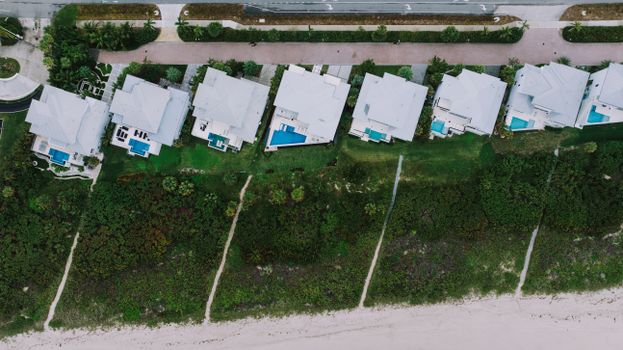
Stunning aerial view of beachfront homes with pools in Fort Pierce, Florida.Photo: K / Pexels

Average Home Prices in Florida: Your Definitive Guide

Navigate Florida's diverse housing market with expert analysis of current prices, trends, and what your money buys.

Explore Florida Homes

Key Takeaways

  • ✓ Florida's median home price consistently exceeds the national average.
  • ✓ Coastal regions and major metropolitan areas command significantly higher prices.
  • ✓ Demand from out-of-state buyers heavily influences Florida's housing market.
  • ✓ Interest rates, population growth, and inventory levels are key price drivers.

How It Works

1
Understand Market Drivers

Learn about the economic and demographic factors, such as population growth and tourism, that influence home values across Florida. This foundational knowledge is crucial for interpreting price fluctuations.

2
Research Local Nuances

Recognize that 'Florida' is not a monolithic market. Investigate specific county, city, and even neighborhood data, as prices can vary wildly within short distances. Utilize local real estate agent insights.

3
Evaluate Your Budget

Assess your financial capacity, including down payment, mortgage pre-approval, and closing costs, against current Florida home prices. Consider property taxes and insurance specific to the region you're interested in.

4
Strategize Your Purchase

Decide if you're buying for investment, primary residence, or vacation. This will influence your target price range and negotiation strategy. Work with a knowledgeable local real estate professional.

Understanding the Current Florida Real Estate Landscape

Florida's real estate market is a vibrant, dynamic entity, perpetually shaped by a confluence of factors that make understanding the average home prices in Florida both complex and crucial for prospective buyers and sellers. Unlike many states, Florida benefits from consistent population growth, fueled by both domestic migration from other U.S. states and international interest. This influx of new residents, often seeking warmer climates, lower taxes, and diverse lifestyles, creates a robust demand that underpins property values. The state's economic resilience, heavily reliant on tourism, hospitality, and a growing tech sector, also plays a significant role. When the economy thrives, job growth encourages more people to move to the state, further tightening housing supply and pushing prices upward. Exploring Florida's economic indicators can provide deeper context. Furthermore, interest rates are a perpetual pendulum, swinging to affect affordability. Lower rates typically stimulate buyer activity, while higher rates can cool the market. Supply and demand dynamics are also paramount; a limited inventory of available homes in popular areas will invariably drive prices higher, even if demand moderates slightly. Natural events, such as hurricanes, can also have localized, albeit often temporary, impacts on market sentiment and insurance costs, which indirectly affect overall affordability. Investors, both large-scale and individual, also contribute to market fluctuations, often seeking rental income or long-term appreciation in a state known for its sustained growth potential. This intricate web of influences ensures that the Florida real estate market is rarely static, necessitating continuous monitoring for anyone looking to enter or exit. Understanding these foundational elements is the first step in deciphering the true value behind the average home prices in Florida.

Regional Variations in Florida Home Values

To truly grasp the average home prices in Florida, one must look beyond the statewide median and delve into the significant regional variations that define the Sunshine State's housing market. Florida is not a monolithic entity; it's a collection of diverse micro-markets, each with its unique characteristics, economic drivers, and price points. Major metropolitan areas like Miami, Fort Lauderdale, and West Palm Beach in South Florida consistently report some of the highest median home prices. This is due to their robust job markets, international appeal, luxury amenities, and limited land for new development. Here, waterfront properties and exclusive communities can command prices well into the multi-millions, skewing the state average upwards. Central Florida, encompassing Orlando and Tampa, represents a different market dynamic. Orlando, a global tourist hub, sees strong demand for both primary residences and investment properties, particularly those geared towards short-term rentals. Tampa, with its growing tech sector and vibrant urban core, has also experienced significant appreciation. While still higher than the national average, these areas often offer more diverse price points than their southern counterparts. The Southwest Florida coast, including Naples and Sarasota, is known for its affluent retirement communities and stunning beaches, leading to elevated home values, particularly for luxury and golf course properties. Conversely, regions in North Florida, such as Jacksonville and Gainesville, generally offer more affordable housing options, benefiting from lower costs of living and a different economic landscape. The Panhandle, including cities like Pensacola and Panama City, also presents a more accessible entry point into the Florida market, though coastal areas there can also see higher valuations due to tourism. Rural areas across the state will naturally have lower price tags. Therefore, when discussing the average home prices in Florida, it's essential to specify which region or even specific city is being referenced, as the difference can be hundreds of thousands of dollars, profoundly impacting affordability and investment potential.

Factors Influencing Your Home's Price in Florida

While statewide and regional averages provide a useful benchmark, several specific factors will directly influence the actual price of an individual home in Florida. Understanding these elements is critical for both buyers seeking to find value and sellers aiming to maximize their return. Firstly, location remains paramount. Within any given city, proximity to desirable amenities such as top-rated schools, employment centers, beaches, parks, or specific cultural attractions can significantly boost a property's value. A home in a highly sought-after school district, for example, will almost always command a premium over an identical home in a less-favored one. The type and condition of the property are also major determinants. A brand-new construction with modern finishes and energy-efficient systems will typically fetch a higher price than an older home requiring significant renovations, even if they are in the same neighborhood. Square footage, number of bedrooms and bathrooms, and additional features like a swimming pool, a large yard, or a water view can all add considerable value. Understanding property features that add value is key. Furthermore, the age and structural integrity of the home, including the roof, HVAC system, and plumbing, are closely scrutinized by buyers and appraisers. Homes with recent major upgrades often justify higher asking prices. Architectural style can also play a role, with some styles being more popular or iconic in certain Florida regions. Beyond the physical attributes, local market conditions at the time of sale are crucial. Is it a seller's market with low inventory and multiple bids, or a buyer's market with more supply than demand? These broader conditions, alongside the home's specific attributes, will ultimately dictate its final sale price, often deviating from the general average home prices in Florida. Property taxes and homeowner's insurance costs, particularly flood and wind insurance in coastal areas, also indirectly influence perceived value, as they contribute significantly to the overall cost of homeownership.

Navigating the Florida Market: Tips for Buyers and Sellers

Successfully navigating the Florida real estate market requires strategic planning and an understanding of its unique characteristics, whether you're looking to buy your dream home or sell your existing property. For buyers, the primary tip is to get pre-approved for a mortgage before you even start looking. This not only clarifies your budget but also makes your offers more attractive in a competitive market. Research specific neighborhoods thoroughly; what might be affordable in one part of a city could be significantly more expensive just a few miles away. Don't overlook the importance of a comprehensive home inspection, especially in Florida where older homes might have issues with plumbing, roofing, or potential hurricane damage. Be prepared for potentially higher insurance costs, particularly if you're looking in coastal or flood-prone areas. Consider working with a local real estate agent who specializes in the specific area you're interested in, as their local knowledge of schools, amenities, and market trends is invaluable. For sellers, pricing your home correctly from the outset is crucial. Overpricing can lead to your home sitting on the market, while underpricing leaves money on the table. Invest in professional photography and consider staging your home to make it more appealing to a broader audience. Highlight unique Florida-specific features, such as a screened-in lanai, proximity to beaches, or a low-maintenance yard. Be aware of the current market conditions; if inventory is low, you might have more leverage. Conversely, in a buyer's market, flexibility on price and terms can be beneficial. Understanding the average home prices in Florida for comparable properties in your immediate area will be your best guide. Both buyers and sellers should stay informed about interest rate changes and broader economic forecasts, as these can shift market dynamics quickly. Lastly, be patient but decisive; the best deals often go quickly in Florida's fast-paced market.

Comparison

FeatureSouth Florida (Miami-Dade/Broward)Central Florida (Orlando/Tampa)North Florida (Jacksonville/Gainesville)
Median Home Price (Est. Range)"$500,000 - $750,000+""$350,000 - $550,000""$300,000 - $450,000"
Cost of Living Index (Relative)"High""Moderate to High""Moderate"
Job Market"Strong (Finance, Tourism, International Trade)""Strong (Tourism, Tech, Healthcare)""Stable (Logistics, Healthcare, Education)"
Property Tax Burden"Moderate to High""Moderate""Moderate"
Insurance Costs (Hurricane/Flood)"Highest""High""Moderate to High"

What Our Readers Say

5 ★★★★★

"This article was incredibly helpful in breaking down the average home prices in Florida. I was initially overwhelmed, but the regional comparison clarified where my budget would go furthest. We found a great family home thanks to this guidance."

5 ★★★★★

"As an investor, understanding the nuances of Florida's market is key. This piece on average home prices in Florida gave me excellent insights into demand drivers and regional variations, confirming my investment strategy for SW Florida."

5 ★★★★★

"Moving from out of state, I had no idea how much home prices varied. This guide helped me pinpoint North Florida as the best fit for our budget and lifestyle, saving us countless hours of searching in unsuitable areas."

4 ★★★★☆

"The information on average home prices in Florida was comprehensive, though I wish there was a more specific breakdown for townhouses versus single-family homes. Still, it's a solid resource for anyone considering a move here."

5 ★★★★★

"I'm a first-time homebuyer, and this article made the intimidating topic of average home prices in Florida feel manageable. The tips for buyers were especially useful, guiding me through the pre-approval process and neighborhood research."

Frequently Asked Questions

What is the current average home price in Florida?
The average home price in Florida fluctuates constantly due to market dynamics, but it generally sits significantly above the national average. As of late 2023/early 2024, the median price is often reported in the range of $400,000 to $450,000, though this figure can vary widely by source and time of reporting. It's crucial to check the most recent data from reputable real estate boards for the most up-to-date information.
Are Florida home prices expected to go down soon?
Predicting future market movements is challenging. While some experts foresee a slight cooling or stabilization in certain areas due to rising interest rates and increased inventory, a significant widespread crash is not widely anticipated. Florida's strong population growth and continued demand tend to provide a floor for prices, though localized corrections are always possible. Consult with local real estate professionals for area-specific forecasts.
How can I find the average home prices in my specific Florida city?
To find specific average home prices, you should utilize local Multiple Listing Service (MLS) data, often accessible through real estate agent websites, or national real estate platforms like Zillow, Redfin, or Realtor.com. These platforms allow you to filter by city, zip code, and even neighborhood, providing much more granular and accurate data than statewide averages.
What is the average cost of living in Florida compared to home prices?
While average home prices in Florida are higher than the national average, the overall cost of living can be more balanced due to the absence of a state income tax. However, high property taxes and insurance costs, especially in coastal areas, can significantly impact monthly expenses. Utilities and transportation costs are generally comparable to national averages, but housing remains the largest factor.
How do interest rates affect average home prices in Florida?
Interest rates have a direct and significant impact on average home prices. When rates are low, borrowing money is cheaper, increasing buyer affordability and demand, which tends to push prices up. Conversely, when rates rise, mortgage payments become more expensive, reducing buyer purchasing power and potentially slowing down the market, which can lead to price stabilization or even slight declines.
Who should be most concerned with Florida's average home prices?
Anyone looking to buy, sell, or invest in real estate in Florida should be concerned with average home prices. First-time homebuyers need to understand affordability, sellers need to price competitively, and investors need to assess potential returns. Even renters can be indirectly affected, as high home prices can drive up rental demand and costs.
Is buying a home in Florida still a good investment despite high prices?
For many, buying a home in Florida remains a good investment, particularly for long-term appreciation. The state's consistent population growth, strong economy, and desirability as a place to live or vacation contribute to sustained demand. However, like any investment, it comes with risks. It's crucial to conduct thorough due diligence, understand local market conditions, and consider your personal financial goals and risk tolerance.
What future trends might impact average home prices in Florida?
Future trends impacting Florida home prices include continued population growth, potential shifts in remote work policies, climate change impacts affecting insurance and building codes, and evolving economic conditions. The development of new infrastructure, availability of affordable housing initiatives, and global economic stability will also play significant roles in shaping the market.

Ready to explore the opportunities within Florida's diverse housing market? Whether you're buying, selling, or just curious about the average home prices in Florida, our comprehensive resources and expert connections are here to guide your journey. Start your Florida real estate adventure informed and confident today.

Topics: average home prices in floridaflorida real estate marketflorida housing costscost of living floridaflorida property values
Leo List
Brampton weed
Adultwork