✓ Understanding local market nuances is crucial, as statewide averages can be misleading for specific regions.
How It Works
1
Understand Statewide Averages
Begin by grasping the overall average home price in Texas. This provides a foundational understanding before delving into regional specifics.
2
Research Local Market Data
Drill down into the specific cities or regions you're interested in. Local market conditions can differ vastly from the state average, impacting pricing and availability.
3
Analyze Influencing Factors
Consider economic indicators, population growth, job markets, and interest rates. These factors play a significant role in shaping real estate values and future trends.
4
Consult with a Local Expert
Engage a knowledgeable real estate agent who specializes in your target area. Their expertise can provide invaluable insights into current market dynamics and negotiation strategies.
Understanding the Average Home Price in Texas: A Comprehensive Overview
Photo: Drone Task Force / Pexels
The question of the average home price in Texas is one that prospective buyers, sellers, and investors frequently ask. However, providing a single, definitive number can be misleading due to the sheer size and diversity of the Lone Star State. Texas is a vast state, encompassing everything from bustling metropolitan hubs to serene rural landscapes, each with its unique economic drivers and housing market dynamics. Therefore, when we talk about the average home price, it's essential to understand that this figure represents a broad aggregation, and actual prices can vary wildly depending on location, property type, and a host of other factors.
Historically, Texas has been a beacon for economic growth, attracting businesses and individuals alike with its favorable tax environment, robust job market, and relatively affordable cost of living compared to coastal states. This consistent influx of population has, naturally, put upward pressure on housing demand and, consequently, home prices. Over the past decade, Texas has seen significant appreciation in real estate values, making it an attractive market for investment and homeownership. However, this growth hasn't been uniform across all regions. Cities like Austin and Dallas, for example, have experienced exponential growth, pushing their average home prices well above the state average, while some smaller towns or rural areas might still offer more budget-friendly options.
Several key factors contribute to the fluctuation and differentiation of home prices across Texas. Population growth is arguably the most significant. As more people move to Texas, the demand for housing increases, driving up prices, especially in popular urban centers. Job creation, particularly in high-paying sectors like technology, healthcare, and energy, also plays a crucial role. When a city adds thousands of new jobs, it brings in more potential homeowners, further intensifying competition. Interest rates, while set nationally, have a profound impact on local affordability. Lower rates make mortgages cheaper, allowing buyers to afford more expensive homes, thus boosting demand and prices. Conversely, higher rates can cool the market by reducing purchasing power. Understanding real estate market trends is vital for anyone looking to buy or sell in Texas. Furthermore, the supply of housing – the number of available homes for sale – is a critical determinant. A limited supply in high-demand areas inevitably leads to bidding wars and higher prices, while an abundant supply can give buyers more leverage. Finally, local economic conditions, including property taxes, local amenities, school districts, and infrastructure development, all contribute to a home's perceived value and, ultimately, its market price. Considering these multifaceted influences is crucial for a nuanced understanding of the Texas housing market beyond a simple average. This comprehensive approach ensures that you're not just looking at a number, but understanding the forces that shape it.
Regional Breakdown: Where Do Prices Soar and Where Do They Stabilize?
Photo: Drones Flown / Pexels
While the average home price in Texas provides a statewide benchmark, the real story unfolds when you delve into the individual metropolitan areas and regions. The diversity of Texas's economy and geography means that housing markets operate almost independently in different parts of the state. Understanding these regional variations is paramount for anyone considering a move or investment in Texas real estate.
**Austin-Round Rock Metropolitan Area:** Often dubbed the 'Silicon Hills,' Austin has consistently led the state in home price appreciation over the past decade. Fueled by a booming tech industry, a vibrant culture, and a constant influx of new residents, housing demand far outstrips supply. This has resulted in some of the highest average home prices in Texas, often significantly exceeding the statewide average. While the market has seen some cooling from its peak, it remains highly competitive, particularly for single-family homes in desirable neighborhoods. Investors and buyers here often face stiff competition and higher entry costs.
**Dallas-Fort Worth-Arlington Metropolitan Area:** DFW represents one of the largest and most dynamic real estate markets in the country. Its diverse economy, strong corporate presence, and continuous job growth contribute to a robust housing market. Average home prices here are generally higher than the state average but more accessible than Austin. The sheer scale of DFW means that prices can vary significantly between the core urban centers and the expanding suburban communities, offering a wider range of options for different budgets. New construction is prevalent, helping to meet demand, but competition for existing homes in prime locations remains strong.
**Houston-The Woodlands-Sugar Land Metropolitan Area:** As the energy capital of the world, Houston's real estate market is often influenced by the oil and gas industry, though its economy has diversified significantly. Houston offers a more affordable entry point for homebuyers compared to Austin and Dallas, though prices have steadily risen. The market is characterized by a large inventory of homes, including many new constructions, and a generally lower price per square foot. However, specific neighborhoods, especially those with good school districts or close to major employment centers, can command premium prices. The metro's sprawling nature means that commuting times and proximity to amenities are key factors influencing value.
**San Antonio-New Braunfels Metropolitan Area:** San Antonio's market offers a compelling blend of affordability and growth. While not experiencing the explosive appreciation of Austin, it has seen steady, sustainable growth. Its strong military presence, growing healthcare sector, and vibrant cultural scene make it an attractive place to live. Average home prices are typically below the state average, offering more bang for your buck, particularly for first-time homebuyers. The market is generally less competitive than its larger counterparts, though popular areas and new developments can still see quick sales.
**El Paso, Corpus Christi, and other smaller metros:** These areas often present even more affordable housing options, though their economies and growth trajectories differ. El Paso, with its unique border economy, offers some of the most accessible home prices in the state. Corpus Christi, a coastal city, sees its market influenced by tourism and the energy sector. In these regions, understanding local economic drivers and population trends becomes even more critical, as they can have a more pronounced impact on localized housing values. For buyers seeking lower price points and a potentially slower pace of life, these markets can be very appealing, but it's crucial to research their specific economic outlook and amenities to ensure they align with your long-term goals. The regional disparities underscore why relying solely on a single state average for the average home price in Texas is an insufficient strategy for informed decision-making.
Influencing Factors and Future Outlook for Texas Home Prices
Photo: Talena Reese / Pexels
The average home price in Texas is not static; it's a dynamic figure constantly shaped by a complex interplay of economic, demographic, and policy-driven factors. Understanding these influences is crucial for anyone looking to navigate the Texas real estate market, whether as a buyer, seller, or investor. The past few years have shown us just how quickly market conditions can shift, and being informed about the underlying drivers can help in anticipating future trends.
**Economic Growth and Job Market:** Texas's economy has been a powerhouse, consistently ranking among the top states for job growth. Industries like technology, energy, manufacturing, and healthcare continue to expand, drawing in new residents seeking employment opportunities. This robust job market translates directly into increased demand for housing. As long as Texas continues to attract businesses and create jobs at a healthy pace, upward pressure on home prices is likely to persist, particularly in the major metropolitan areas. A strong economy also means higher wages, which can improve affordability for some buyers, even as prices rise.
**Population Migration:** People are flocking to Texas from other states, particularly California, due to its lower cost of living, no state income tax, and perceived quality of life. This internal migration is a significant factor in housing demand. Each new resident needs a place to live, whether it's renting or buying, adding to the competition for available homes. This trend shows no signs of abating, suggesting continued pressure on housing inventory and prices.
**Interest Rates:** The Federal Reserve's monetary policy, specifically interest rate adjustments, has a profound and immediate impact on housing affordability. Lower interest rates make mortgages cheaper, increasing buyers' purchasing power and stimulating demand. Conversely, higher rates can dampen demand by making homeownership more expensive, potentially leading to a slowdown in price appreciation or even a slight correction. Monitoring the Fed's decisions and broader economic indicators is essential for understanding the direction of the housing market. Current mortgage rates in Texas directly affect what buyers can afford.
**Housing Inventory and Construction:** The supply side of the equation is equally critical. In many desirable Texas markets, the pace of new home construction has struggled to keep up with demand. Permitting delays, labor shortages, and rising material costs can hinder builders from bringing enough new homes to market. When inventory levels are low, it creates a sellers' market, driving up prices through competition. A significant increase in housing supply, either through new construction or existing homes coming onto the market, could help stabilize or even moderate price growth.
**Affordability Challenges and Policy Responses:** As home prices have risen, affordability has become a growing concern for many Texans, especially first-time homebuyers. This could lead to increased demand for more affordable housing options, such as townhomes or condos, or a shift in population to more peripheral, less expensive areas. Local and state governments may also explore policies aimed at increasing housing supply, streamlining permitting processes, or offering assistance programs to address affordability issues, which could have a long-term impact on market dynamics.
**Future Outlook:** Looking ahead, the Texas real estate market is expected to remain robust, though perhaps with a more moderate pace of appreciation compared to the record-setting years. The state's fundamental economic strengths and demographic trends are powerful tailwinds. However, potential headwinds include sustained higher interest rates, economic slowdowns, or an oversupply in specific sub-markets. Buyers and sellers should anticipate a dynamic market that requires careful research and strategic planning, rather than assuming a continuation of past trends. The average home price in Texas will continue to evolve, reflecting these powerful forces.
Tips for Navigating the Texas Housing Market and Avoiding Common Mistakes
Photo: Kampus Production / Pexels
Understanding the average home price in Texas is just the first step; effectively navigating this complex and competitive market requires strategic planning and careful execution. Whether you're a first-time buyer, a seasoned investor, or looking to sell, avoiding common pitfalls can save you time, money, and stress.
**For Buyers:**
* **Get Pre-Approved for a Mortgage Early:** This is non-negotiable in a competitive market. A pre-approval letter demonstrates to sellers that you are a serious and qualified buyer, giving you a significant edge when making an offer. It also clearly defines your budget, preventing you from looking at homes outside your financial reach.
* **Research Beyond the Average:** Don't just look at the statewide average. Dive deep into specific neighborhoods, school districts, and even individual streets. Prices can vary drastically within a single city. Use online tools, local real estate reports, and neighborhood forums to gather granular data.
* **Be Prepared for Competition:** Especially in hot markets like Austin and Dallas, expect multiple offers, bidding wars, and quick decisions. Have your financing in order, be ready to act fast, and consider making a strong, clean offer if you find a property you love.
* **Don't Waive Inspections Blindly:** While waiving contingencies can make an offer more attractive, waiving a home inspection can lead to costly surprises down the road. Consider a pre-inspection if the market is extremely tight, or ensure you have a robust contingency that allows for renegotiation or exit if major issues are found.
* **Work with a Local Expert:** A real estate agent with deep local knowledge of your target area is invaluable. They can provide insights into unlisted properties, neighborhood nuances, comparable sales, and negotiation strategies that online data simply can't.
**For Sellers:**
* **Price Strategically:** While it's tempting to aim high, an overpriced home can sit on the market, eventually requiring a price reduction that can make it look stale. Work with your agent to analyze recent comparable sales and price your home competitively from the start to attract maximum interest.
* **Invest in Presentation:** First impressions matter immensely. Professional staging, high-quality photography, and a well-maintained home can significantly increase interest and perceived value. Declutter, depersonalize, and make minor repairs before listing.
* **Be Flexible with Showings:** The more accessible your home is for showings, the more potential buyers will see it. Flexibility, even with short notice, can lead to a quicker sale.
* **Understand Market Conditions:** Your agent should provide you with regular updates on local market trends, buyer feedback, and competitor listings. This helps you stay informed and make timely decisions if adjustments are needed.
**Common Mistakes to Avoid for Both Buyers and Sellers:**
* **Emotional Decisions:** Real estate transactions involve significant financial stakes. Try to keep emotions in check and rely on data and expert advice to make rational decisions.
* **Ignoring Closing Costs:** Both buyers and sellers have closing costs. Factor these into your budget from the very beginning to avoid surprises at the end of the transaction.
* **Not Reading the Fine Print:** Whether it's a contract, loan documents, or inspection reports, always read everything carefully. If you don't understand something, ask your agent or an attorney.
* **Underestimating the Timeline:** Real estate transactions can take time. Be prepared for a process that can involve negotiations, inspections, appraisals, and loan approvals. Patience is key.
By staying informed about the average home price in Texas and implementing these strategic tips, you can approach the market with confidence and increase your chances of a successful outcome.
Comparison
Market Factor
Austin Metro (High Demand)
Houston Metro (Diverse)
San Antonio Metro (Growing Affordability)
Average Home Price (approx.)
$550,000+
$350,000 - $400,000
$300,000 - $350,000
Market Competitiveness
Very High
Moderate-High
Moderate
Job Growth Drivers
Tech, Biotech
Energy, Healthcare, Logistics
Military, Tourism, Healthcare
Inventory Levels
Low
Moderate
Moderate
Appreciation Rate (past 5 yrs)
High
Moderate
Moderate-High
Buyer's Market Potential
✗
✓ (select areas)
✓
What Readers Say
★★★★★
"Understanding the average home price in Texas, especially for Austin, was crucial. This guide helped us set realistic expectations for our budget and prepare for the competitive market. We found our dream home!"
Sarah J. · Austin, TX
★★★★★
"As a first-time homebuyer, I was overwhelmed by the market. This article broke down the average home price in Texas by region, which was incredibly helpful for focusing my search in Dallas. Great insights!"
David M. · Dallas, TX
★★★★★
"The detailed breakdown of Houston's market helped me understand why prices fluctuate. I used the tips to sell my home above asking price, proving that knowing the average home price in Texas really pays off."
Maria P. · Houston, TX
★★★★★
"Good overview of the average home price in Texas, although I wish there was a bit more on investment properties. Still, the regional comparison was excellent for my San Antonio search."
Robert L. · San Antonio, TX
★★★★★
"Moving from out of state, I had no idea about Texas real estate. This guide was a lifesaver, especially the section on smaller metros. It helped me find an affordable home in El Paso much faster."
Jessica T. · El Paso, TX
Frequently Asked Questions
What is the current average home price in Texas?
The average home price in Texas is a dynamic figure that fluctuates based on various market conditions. While it typically hovers around the mid-$300,000s to low $400,000s for a single-family home, this can vary significantly. It's crucial to consult recent market reports from sources like the Texas Association of Realtors or local MLS data for the most up-to-date figures, as these numbers are constantly changing.
Why is the average home price in Texas increasing?
Several factors contribute to the increasing average home price in Texas. Strong population growth fueled by in-migration, a robust job market across diverse industries, and historically low interest rates (though recently rising) have all driven demand. Additionally, a persistent shortage of housing inventory in many desirable metropolitan areas further exacerbates price appreciation, leading to competitive bidding.
How can I find the average home price in my specific Texas city?
To find the average home price for your specific Texas city, you should look beyond statewide averages. Utilize local real estate websites, consult with a local real estate agent who specializes in your desired area, and check reports from local Multiple Listing Services (MLS) or city-specific real estate associations. These sources provide granular data that is far more relevant than a broad state average.
What factors should I consider besides the average home price when buying in Texas?
Beyond the average home price, consider property taxes, which can be significant in Texas, insurance costs (especially in coastal or flood-prone areas), the quality of local school districts, proximity to employment centers, and future infrastructure development plans. Also, factor in the cost of living in the specific area, as it varies widely across the state, impacting your overall budget.
Is Texas still an affordable place to buy a home compared to other states?
Despite rising home prices, Texas generally remains a more affordable place to buy a home compared to many coastal states, particularly California and states in the Northeast. While cities like Austin have become quite expensive, many other Texas metropolitan areas and rural regions still offer relatively lower prices per square foot and a better cost-of-living balance, attracting significant numbers of new residents.
Who should be most concerned with the average home price in Texas?
First-time homebuyers, real estate investors, and those relocating to Texas should be most concerned with understanding the average home price in Texas. First-time buyers need it to set realistic budgets, investors to assess potential returns, and relocating individuals to compare it with their current market and ensure it aligns with their financial goals and expectations.
What are the risks associated with the rising average home price in Texas?
The primary risks associated with rising average home prices in Texas include decreased affordability for residents, potential for market overvaluation in certain areas, and increased property tax burdens for homeowners. Rapid appreciation can also lead to market volatility, making it harder for some buyers to enter the market and potentially creating challenges if a market correction occurs.
What is the future trend for the average home price in Texas?
The future trend for the average home price in Texas is generally anticipated to be one of continued growth, though likely at a more sustainable pace than the rapid increases seen in recent years. Factors like ongoing population growth, a strong state economy, and limited housing supply will continue to put upward pressure on prices. However, rising interest rates and potential economic slowdowns could moderate this growth, leading to a more balanced market.
Ready to navigate the dynamic Texas real estate market with confidence? Understand the average home price in Texas and leverage our insights to make informed decisions for your next home purchase or sale.
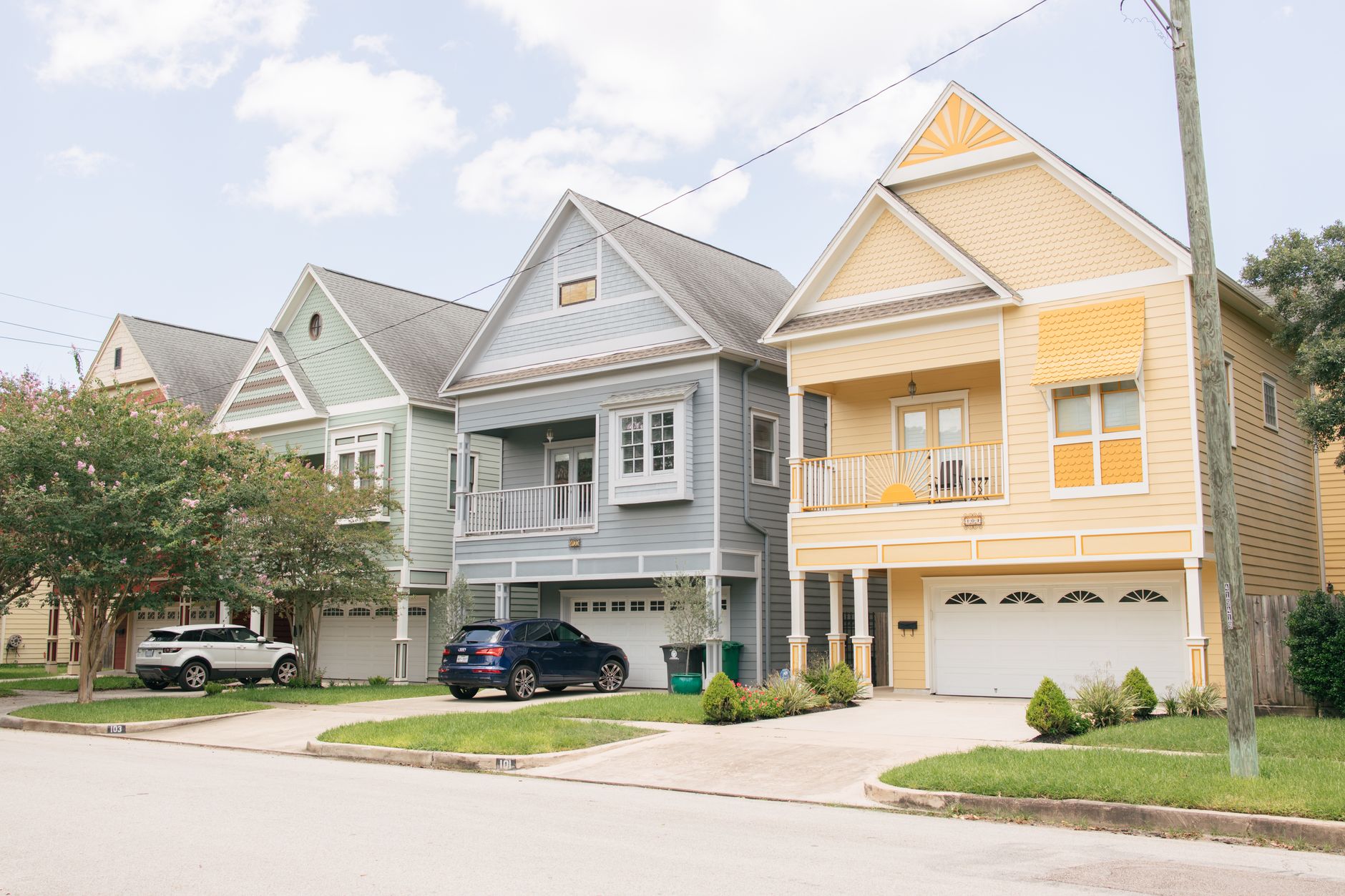
 Photo: Drone Task Force / Pexels
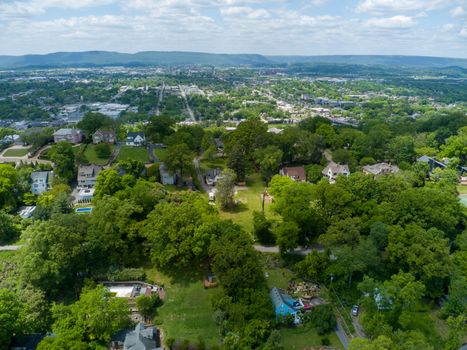 Photo: Drones Flown / Pexels
 Photo: Talena Reese / Pexels
 Photo: Kampus Production / Pexels