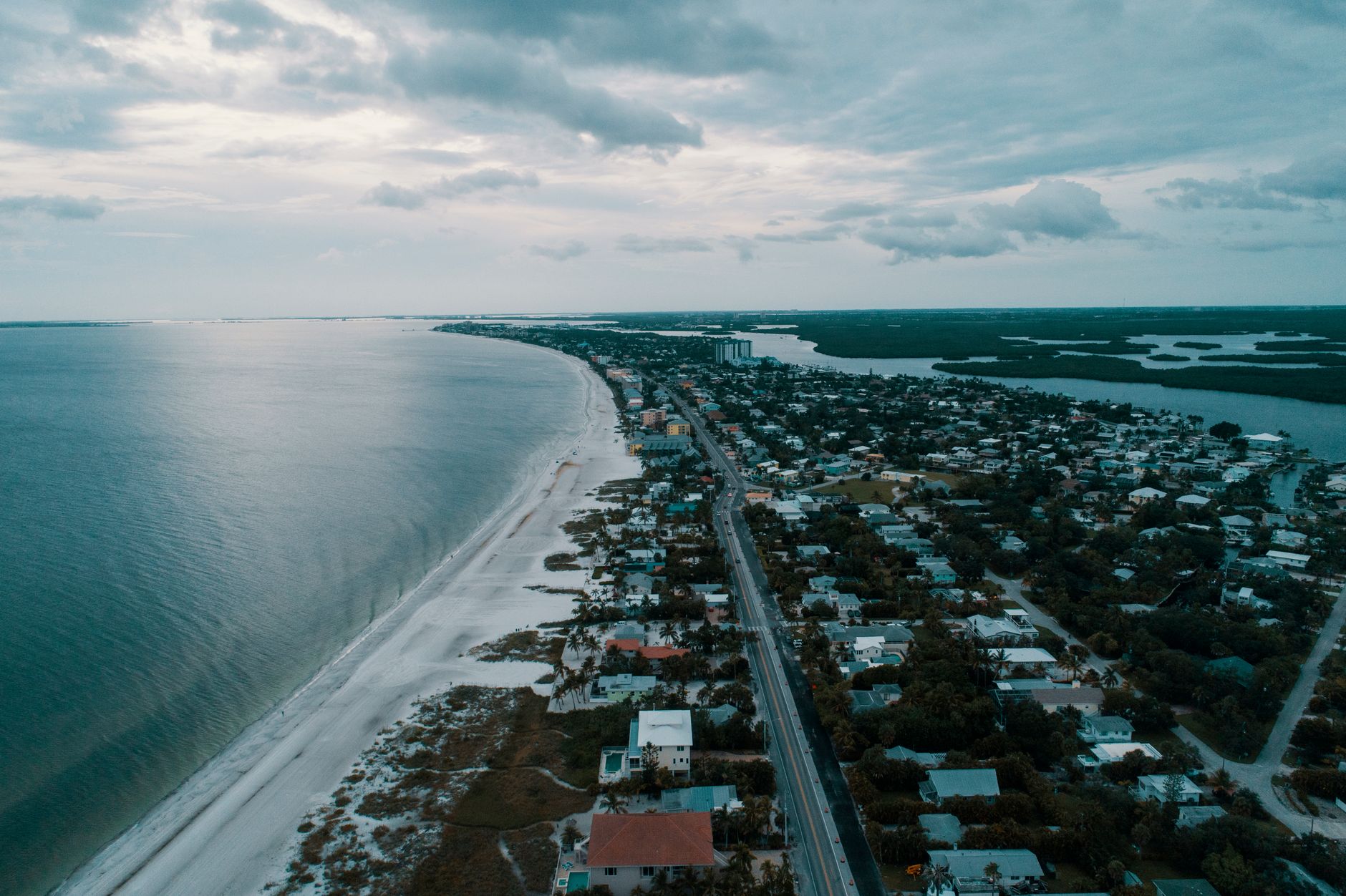
Unpacking the Average Home Price in Florida: Your Guide
average home price in Florida

Unpacking the Average Home Price in Florida: Your Guide

Understand the current market, regional variations, and future trends impacting Florida home prices.

Explore Florida Homes

Key Takeaways

  • ✓ The average home price in Florida varies significantly by region, from coastal metros to rural areas.
  • ✓ Factors like interest rates, population growth, and inventory levels heavily influence Florida's housing market.
  • ✓ Coastal regions and major metropolitan areas like Miami, Orlando, and Tampa typically command higher average prices.
  • ✓ Understanding local market dynamics is crucial for both buyers and sellers in Florida.

How It Works

1
Define Your Budget & Needs

Determine your financial limits and essential property features. This will narrow down your search to specific areas and property types.

2
Research Regional Averages

Investigate average home prices in Florida for your target cities or counties. This provides a realistic expectation of costs.

3
Connect with Local Experts

Engage a real estate agent familiar with your chosen Florida market. Their insights into local trends are invaluable.

4
Understand Market Influencers

Educate yourself on economic indicators and local developments affecting Florida home values. This empowers you to make informed decisions.

Understanding the Current Average Home Price in Florida: A Snapshot
Breathtaking view of Orlando's skyline illuminated at dusk, reflecting on the calm lake surface. Photo: Connor Scott McManus / Pexels
The quest to understand the average home price in Florida is a journey into one of the most dynamic and diverse real estate markets in the United States. Florida, often dubbed the Sunshine State, is a magnet for residents seeking warm weather, diverse lifestyles, and a favorable tax environment. This consistent demand, coupled with various economic factors, shapes the ever-evolving landscape of property values across its vast expanse. As of recent data, the statewide average home price hovers around a specific figure, but this number is merely an aggregate, masking the significant variations that exist from one county to another, and even within different neighborhoods of the same city. For instance, a luxury waterfront condo in Miami Beach will skew the average dramatically compared to a family home in a suburban community near Gainesville. It's crucial for prospective buyers and sellers to look beyond the general average and delve into localized data to gain a truly accurate picture. Factors such as new construction trends, the availability of land, and the influx of new residents – both domestic and international – play pivotal roles in dictating these prices. The COVID-19 pandemic, for example, catalyzed an unprecedented surge in demand, particularly from individuals relocating from more densely populated and expensive northern states, further driving up prices in many Florida locales. This surge was fueled by remote work capabilities, a desire for more space, and Florida's attractive lifestyle. However, as interest rates began to climb, the market experienced a recalibration, shifting from a frenetic seller's market to a more balanced, albeit still competitive, environment in many areas. Understanding these macro and microeconomic forces is the first step in navigating Florida's complex housing market. Exploring current real estate trends nationally can also provide valuable context to Florida's unique situation. The state's unique geography, with extensive coastlines and inland agricultural areas, also contributes to the wide price discrepancies. Tourist hotspots like Orlando, with its theme parks, and retirement havens like Naples, each present distinct market characteristics that defy a single, monolithic average. Therefore, while a statewide average offers a starting point, it serves more as a general indicator rather than a definitive price tag for any specific property. Detailed local market analysis is paramount for anyone serious about buying or selling property in Florida, ensuring decisions are based on accurate, up-to-date information relevant to their specific interests and location.

Regional Variations: Why Location Dramatically Impacts Florida Home Values

View of Miami skyline from Coral Gables at sunset with residential buildings in foreground. Photo: Dominik Gryzbon / Pexels
One of the most critical aspects when discussing the average home price in Florida is the profound impact of regional variations. Florida is a large and diverse state, and the housing market within its borders is far from monolithic. What you might pay for a home in the Panhandle could be drastically different from the price of a similar property in South Florida. Major metropolitan areas like Miami, Fort Lauderdale, Orlando, Tampa, and Jacksonville consistently report higher average home prices compared to more rural or less densely populated regions. This disparity is driven by several factors, including job opportunities, population density, access to amenities, quality of local schools, and proximity to desirable features like beaches or major attractions. South Florida, particularly Miami-Dade, Broward, and Palm Beach counties, often boasts the highest average prices due to its status as an international hub, luxury real estate market, and strong job growth in finance, tech, and tourism. Waterfront properties in these areas, especially those with direct ocean access, command premium prices. Central Florida, anchored by Orlando, sees strong demand driven by its theme parks, tourism industry, and expanding tech sector. The average home price here reflects a mix of suburban family homes and vacation properties. The Tampa Bay area, encompassing Tampa, St. Petersburg, and Clearwater, has also seen significant appreciation, attracting new residents with its vibrant job market, cultural attractions, and more affordable coastal living options compared to the southeast. On the other hand, regions like the Florida Panhandle or the more rural interior parts of the state generally exhibit lower average home prices. While still experiencing growth, these areas offer a different lifestyle and typically have a lower cost of living. Even within a single city, neighborhoods can exhibit vast differences. For example, a property in a historic district with mature trees and walkable amenities will likely have a higher average price than a newly developed subdivision on the outskirts. Understanding these micro-markets is essential. A real estate agent specializing in your target region will possess invaluable local knowledge, including upcoming developments, zoning changes, and school district performance, all of which influence home values. This granular understanding allows for a much more accurate assessment of what the 'average' home price truly means for your specific search, moving beyond the broad statewide figures to pinpoint the value in your desired location. The regional economic health, local infrastructure investments, and even natural disaster risks (like hurricane exposure) also play a role in shaping these localized average home prices across Florida.

Key Factors Influencing the Average Home Price in Florida

Elegant waterfront mansion with palm trees and clear blue sky showcasing opulence and coastal vibe. Photo: Eric Prouzet / Pexels
The average home price in Florida is not a static figure; it's a dynamic reflection of numerous interconnected factors. Understanding these influences is crucial for anyone looking to buy, sell, or invest in the Sunshine State's real estate market. One of the primary drivers is population growth. Florida consistently ranks among the top states for net migration, with thousands of new residents moving in annually. This sustained influx creates persistent demand for housing, naturally pushing prices upward, especially in popular relocation destinations. Another significant factor is interest rates. When mortgage rates are low, borrowing becomes more affordable, increasing buyer purchasing power and stimulating demand. Conversely, rising interest rates can cool the market, making homeownership more expensive and potentially slowing price appreciation. The availability of housing inventory also plays a critical role. A limited supply of homes for sale relative to buyer demand creates a seller's market, where bidding wars and quick sales at or above asking price become common, thereby increasing the average home price. Conversely, an abundance of inventory can lead to a buyer's market, potentially causing prices to stabilize or even decline. Economic conditions, both statewide and nationally, profoundly impact the housing market. A strong job market, low unemployment rates, and robust economic growth instill confidence in buyers, encouraging investment in real estate. Conversely, economic downturns or uncertainties can lead to a cautious approach, affecting prices. Understanding economic indicators is key to predicting market shifts. Furthermore, construction costs and land availability directly influence new home prices. Rising material costs, labor shortages, and limited developable land can make new construction more expensive, which in turn impacts the overall average home price. Specific local factors also contribute, such as the quality of school districts, proximity to major employers, access to transportation, and the presence of amenities like parks, shopping, and cultural venues. Even factors like insurance costs, particularly homeowner's insurance in hurricane-prone areas, can indirectly affect affordability and, consequently, average home prices. Finally, investor activity, including both domestic and international buyers seeking rental income or long-term appreciation, can significantly influence market dynamics, particularly in popular tourist and retirement areas. These multifaceted factors interact in complex ways, creating the unique and often unpredictable trends observed in the Florida housing market.

Tips for Navigating Florida's Housing Market: Buying and Selling Smart

A real estate agent holding a home for sale sign and clipboard outside a property. Photo: Thirdman / Pexels
Navigating the Florida housing market, with its fluctuating average home prices and diverse regional characteristics, requires a strategic approach. Whether you're a prospective buyer or seller, arming yourself with knowledge and employing smart tactics can make a significant difference in your outcome. **For Buyers:** * **Get Pre-Approved for a Mortgage:** Before you even start looking, secure pre-approval. This not only clarifies your budget but also signals to sellers that you are a serious and qualified buyer, which can be a strong advantage in a competitive market. * **Research Specific Neighborhoods, Not Just Cities:** As established, Florida's market is highly localized. Investigate crime rates, school ratings, future development plans, and local amenities for specific neighborhoods that interest you. This granular research will give you a more accurate sense of value. * **Be Prepared for Competition:** In desirable areas, be ready to act quickly. Have your finances in order, and be prepared to make a strong, competitive offer, possibly above asking price, especially if inventory is low. * **Don't Overlook Emerging Areas:** While established hotspots have high average prices, consider areas on the cusp of development. These 'up-and-coming' neighborhoods might offer better value and greater appreciation potential in the long run. * **Factor in Additional Costs:** Beyond the average home price, remember to budget for closing costs, property taxes, homeowner's insurance (which can be high in coastal Florida), and potential HOA fees. **For Sellers:** * **Price Competitively and Realistically:** While you want to maximize your return, overpricing can deter buyers. Work with your real estate agent to conduct a thorough comparative market analysis (CMA) to set a realistic, attractive price based on recent sales in your area. * **Enhance Curb Appeal and Stage Your Home:** First impressions matter. Invest in landscaping, fresh paint, and decluttering. Staging can help buyers envision themselves in the space and can potentially increase your selling price. * **Highlight Florida-Specific Features:** Emphasize features like outdoor living spaces, pools, energy-efficient upgrades, or hurricane-resistant windows. These are highly valued by Florida buyers. * **Be Flexible with Showings:** The more accessible your home is for viewings, the more potential buyers you'll attract. Try to accommodate as many showing requests as possible. * **Understand the Local Market Cycle:** Florida's market can be seasonal in some areas, with peak buying times. Discuss with your agent when the best time to list your home might be for your specific location. By following these tips, both buyers and sellers can navigate the complexities of the average home price in Florida and achieve their real estate goals more effectively.

Comparison

Florida RegionAverage Home Price (Est.)Key InfluencersLifestyle Type
South Florida (Miami/Fort Lauderdale)$550,000 - $750,000+International demand, luxury market, finance jobsUrban, luxury, diverse
Central Florida (Orlando)$380,000 - $480,000Tourism, tech growth, family attractionsSuburban, family-friendly, entertainment
Tampa Bay Area (Tampa/St. Pete)$400,000 - $500,000Job growth, coastal proximity, cultural sceneCoastal, urban, active
Florida Panhandle (Pensacola/Destin)$320,000 - $420,000Military presence, tourism, more affordableRelaxed, coastal, family-oriented

What Readers Say

"Understanding the average home price in Florida was overwhelming until I read this. It really broke down the regional differences, which helped me narrow my search to Orlando. Found a great place within my budget!"

Sarah J. · Orlando, FL

"As a seller, I used this guide to understand what factors were influencing my home's value in Tampa. The tips on competitive pricing and staging were spot on and helped me get multiple offers."

Mark D. · Tampa, FL

"I was relocating to Florida and had no idea how much prices varied. This article's insights into the average home price in Florida's different regions saved me so much time and helped me set realistic expectations for Miami."

Jessica L. · Miami, FL

"Good overview of the Florida market. While the exact average home price in Florida changes daily, the underlying factors and regional breakdown provided were very helpful for my investment strategy in Jacksonville."

Robert K. · Jacksonville, FL

"This content was incredibly useful for understanding the current market trends affecting the average home price in Florida. It clarified why Naples is priced higher than some other areas, making my decision-making process much smoother."

Emily P. · Naples, FL

Frequently Asked Questions

What is the current average home price in Florida?

The current average home price in Florida is approximately in the range of $400,000 to $500,000, though this figure is a statewide aggregate and can fluctuate significantly. It's crucial to consult recent local market data for specific counties or cities, as prices in areas like Miami or Naples can be much higher than in more rural parts of the state. Market conditions are constantly changing, so real-time data is always recommended.

Why are Florida home prices so high in some areas?

Florida home prices in desirable areas are driven high by strong demand from population growth, a robust tourism economy, limited housing inventory, and the appeal of no state income tax. Coastal locations, major metropolitan centers with strong job markets (e.g., tech, finance), and luxury markets also command premium prices, attracting both domestic and international buyers seeking a specific lifestyle or investment.

How can I find the average home price for a specific city in Florida?

To find the average home price for a specific city in Florida, you should utilize real estate websites like Zillow, Realtor.com, or Redfin, which provide localized market data and median sales prices. Consulting with a local real estate agent who has access to Multiple Listing Service (MLS) data is also highly recommended, as they can provide the most accurate and up-to-date information for your target area and property type.

Are Florida home prices expected to go down?

Predicting future home price movements is challenging. While some areas might experience a slowdown in appreciation due to rising interest rates or increased inventory, significant widespread declines across Florida are not broadly anticipated given the state's continued population growth and strong demand. However, local markets can vary, and a return to more sustainable growth rather than rapid appreciation is a common outlook. Consult with real estate experts for nuanced forecasts.

How does Florida's average home price compare to the national average?

Florida's average home price generally hovers above the national average, especially in its most popular regions. While the national average is influenced by a much wider range of markets, Florida's consistent appeal, strong inbound migration, and desirable climate contribute to its higher valuation. However, there are still many areas within Florida where home prices remain below the national average, offering diverse options for buyers.

Who benefits most from understanding the average home price in Florida?

Anyone involved in the Florida real estate market benefits immensely. This includes first-time homebuyers looking to set realistic budgets, seasoned investors seeking profitable opportunities, sellers aiming to price their homes competitively, and real estate agents guiding their clients. Understanding these averages and their underlying factors empowers informed decision-making for all parties.

What are the risks associated with buying a home in Florida's current market?

Key risks in Florida's current market include potential overpaying in competitive areas, high homeowner's insurance costs (especially for hurricane coverage), and the impact of rising interest rates on affordability. Additionally, future climate change impacts and local market corrections in areas that saw rapid appreciation are considerations. Thorough due diligence, including property inspections and insurance quotes, is vital.

What future trends might impact the average home price in Florida?

Future trends impacting Florida's average home price include continued population growth, the evolution of remote work (potentially spreading demand to new areas), infrastructure development, and the ongoing challenge of climate change adaptation. Economic shifts, interest rate policies, and the supply of new construction will also play significant roles in shaping the market's trajectory in the coming years.

Armed with a deeper understanding of the average home price in Florida and its driving forces, you are now better equipped to navigate this vibrant market. Whether buying, selling, or investing, informed decisions are your strongest asset. Take the next step towards your Florida real estate goals today.

Topics: average home price in FloridaFlorida real estate marketFlorida housing costsFlorida property valueshousing market trends Florida
Leo List
Brampton weed
Adultwork EstrelaBet Vai de Bet R7 Bet Betão Galera Bet Rainbet Bet9ja Shop SportyBet BetKing Sisal Loto Foot Hollywoodbets YesPlay Odibets RushBet Jugabet BetWarrior BetCity MSport betPawa Fortebet